
2370 Williston Road, Aiken, SC 29803
For more information about senior living options: (866) 208-4318
Overall Review of We Care Residential
Pros
 The staff go above and beyond, treating residents like family.
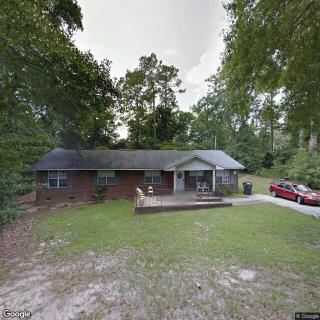
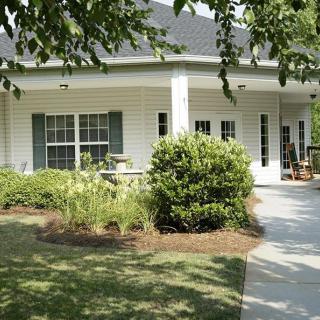
- The facility is clean, welcoming, and thoughtfully designed to feel like home.
- They provide personalized care plans, engaging activities, and meaningful connections with residents.
- Knowing residents are safe, happy, and well cared for brings families peace of mind.
- The staff and volunteers are compassionate, and the environment is well-run.
- The facility offers reasonable pricing and genuinely cares about the people they care for.
- The staff and volunteers are great, and the place is described as beautiful.
Cons
 The food was mostly burnt and inedible.
- There was no running water in the shower.
- The reviewer was locked in the bathroom at another location.
- No one came to get them out, and they escaped only because a second door was unlocked.
- They were told to keep their purse at all times because staff claimed they were not responsible if something were stolen.
- The locks were placed on the inside of the bathrooms, suggesting unsafe conditions.
- There was talk of "damage control," and a warning to never put loved ones there.
Review
This community is best suited for families seeking a warm, intimate, home-like assisted living option in Aiken that emphasizes personal attention, social engagement, and affordability. The sentiment from multiple residents and families centers on a small, friendly atmosphere where staff are seen as caring, approachable, and genuinely invested in daily life. It is the kind of place where residents can expect structured activities, regular volunteers, and a sense of community that makes aging in place feel less isolating. For households prioritizing cost-conscious care without demanding hospital-grade resources, this setting often checks many practical boxes.
Those who may want to consider alternatives are clear: if safety reliability and robust medical oversight are paramount, or if a resident requires more intensive monitoring or 24/7 nursing, this may not be the best fit. Two stark safety concerns raised in the reviews, serious lapses around resident security and temporary access issues, including being locked in a bathroom with no immediate help, signal potential ongoing risks for residents who rely on dependable safeguards. Prospective movers should weigh whether the current safety culture appears to have been addressed and whether policies around resident protection, maintenance, and incident follow-up have evolved since those reports surfaced.
On the upside, the strongest positives repeatedly cited are the staff’s warmth, the personal care approach, and the clean, welcoming environment. Families consistently describe staff as genuinely caring, with a caregiving ethos that treats residents like family. The facility’s approach to personalized care plans, attentive interaction, and a calendar of engaging activities resonates with residents who value connection and purpose in daily life. Affordability also emerges as a meaningful differentiator, with reviewers noting reasonable pricing and the perception that quality care can be obtained without an exorbitant bill. When these elements click, they offset some concerns about social fulfillment and day-to-day happiness.
Yet the main drawbacks can’t be dismissed. The most alarming reports center on safety lapses that touch on both physical security and basic living needs, instances of being locked in a bathroom, lack of running water on a weekend, and questions about why doors or locks appear configured in ways that raise concerns about resident autonomy and safety. These incidents weigh heavily against the otherwise positive picture and create lingering questions about staff coverage, emergency responsiveness, and the consistency of procedures across days and shifts. Even when there is a defense of “weekends” versus “weekdays” in the narrative, the underlying risk perception remains high for families evaluating ongoing placement.
The pros and cons balance in a way that places this community in a nuanced category. For families prioritizing lower costs, a tight-knit, activity-rich schedule, and a caregiving staff that feels personally invested, the positives can be compelling enough to choose this option, provided rigorous due diligence confirms that safety measures, incident resolution, and staff stability have improved since troubling reports. For families with residents who require steady, high-level medical oversight or those who cannot tolerate any ambiguity around safety protocols, the negatives are likely to outweigh the benefits. The decision hinges on whether current operations have closed gaps that previously allowed risk to flare.
In the end, We Care Residential offers a practical, compassionate choice for a specific profile: seniors who want a budget-conscious, person-centered environment, where daily life is shaped by caring staff and an active social calendar. It is less suited for residents who require constant nursing supervision or airtight safety controls. Prospective families should prioritize direct conversations with the current team, request up-to-date incident and safety records, and, if possible, observe a day-to-day routine in action. A thorough tour that includes conversations with current residents and their families can reveal whether the warmth and affordability align with the necessary assurances for safety and dependable care.
 55 resident community capacity
 Assisted Living
 Activities on-site
 Air-conditioning
 Beauty salon
 Cable or satellite TV
 Computer center
 Devotional services off-site
 Dining room
 Fitness room
 Fully furnished
 Gaming room
 Garden
 Housekeeping services
 Indoor common areas
 Kitchenette
 Move-in coordination
 Outdoor space
 Private bathrooms
 Restaurant-style dining
 Small library
 Telephone
 Wellness center
 Wi-Fi/high-speed internet available
 Bush (16 miles away)
 Community operated transportation
 12-16 hour nursing
 24-hour call system
 Ambulatory care
 Assistance with bathing
 Assistance with dressing
 Assistance with transfers
 Diabetes diet
 Diabetic care
 Medication management
 Mental wellness program
 Special dietary restrictions
 Concierge services
 Planned day trips




 Assisted Living and Memory Care: Understanding Their Core Differences
 Beyond the Bingo Hall: 50+ Enriching Activities for Seniors in Assisted Living
 Understanding the Distinctions: Assisted Living and Memory Care Explained