Anchor Rehab And Healthcare Center Of Aiken

Save

Anchor Rehab And Healthcare Center Of Aiken

550 East Gate Drive, Aiken, SC 29803

For more information about senior living options: (844) 490-3973

3.9 from 100 reviews
5 stars
62
4 stars
11
3 stars
3
2 stars
5
1 stars
19

Skilled Nursing Facility

What level of care are you interested in?

Assisted Living

Memory Care

Independent Living

Skilled Nursing Facility

Continuing Care Retirement Community (CCRC)CCRC

Other


Request a tour at Anchor Rehab And Healthcare Center Of Aiken

    Overall Review of Anchor Rehab And Healthcare Center Of Aiken

    Pros

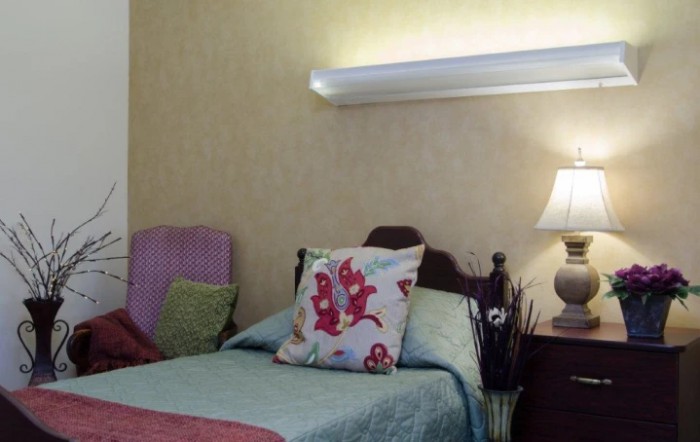
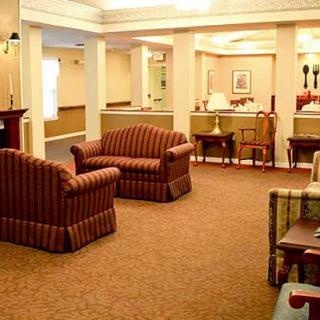
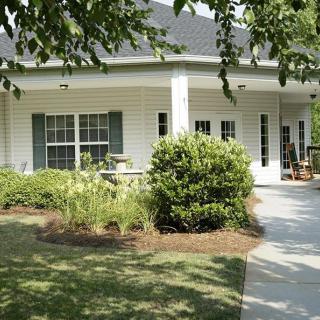
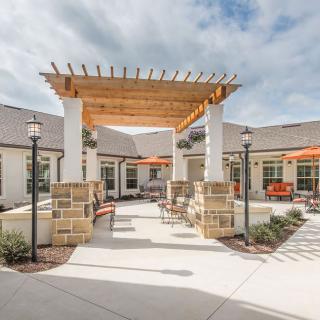
    • pro The facility is very beautiful and welcoming.
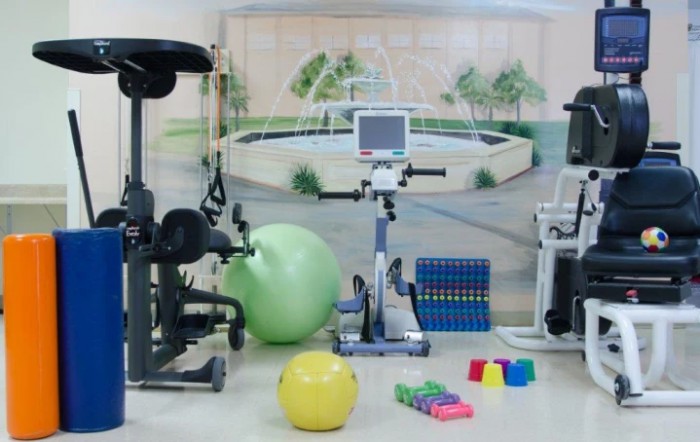
    • pro The rehab is wonderful.
    • pro The OTs and PTs are extremely helpful in helping patients regain mobility.
    • pro Karen Dandy and Jadzia Priest were the best CNAs and deserve recognition.
    • pro Alton is a standout CNA who is passionate about his job.
    • pro Pamela Moultrie is fantastic.
    • pro The physical and occupational therapists are friendly and provide great help.
    • pro The PT and OT staff are excellent.
    • pro The staff are very nice and helpful.

    Cons

    • pro The facility is dirty and unhygienic, with rooms and showers in poor condition.
    • pro The staff brush problems under the rug and do not acknowledge concerns.
    • pro The food service is slow and meals are frequently served cold.
    • pro The facility is nasty and the staff do not care about their employees.
    • pro The food and service are terrible, with meals often cold and microwaves unavailable.
    • pro The nursing staff quality is mixed; some are excellent, others should not be nurses.
    • pro Communications from staff are poor; calls and progress updates are rarely returned.
    • pro Showers are infrequent and personal hygiene is neglected during extended stays.
    • pro The CNA staff often neglect patient needs, ignore call lights, and delay assistance.
    • pro The menu never changes, is unpalatable, and not appropriate for diabetics.

    Review

    The facility comes across as a place that can be warm and inviting at first glance, especially for those focused on rehab. Several reviewers describe the environment as "very beautiful and welcoming." Yet once inside, the mix of experiences widens dramatically. For every note of improvement and kindness, there are strong complaints about cleanliness, care quality, and communication. Some residents and visitors emphasize that the rehab program itself is a bright spot, but the rest of the experience often undermines that progress with issues that feel neglected or inadequately addressed.

    Cleanliness and living conditions emerge as a persistent concern. A number of accounts paint a picture of dirty rooms and dirty showers, with one reviewer recounting that they had to "go find a broom to sweep" because the floor was not clean. Another account mentions a long stay during which a patient's room remained unkempt and a caregiver-like routine was not reliably followed. For families, these conditions trigger worries about bedside care and the risk of infection, especially when a patient relies on assistance with basic tasks. The contrast between a supposedly well-maintained rehab environment and the reported lapses in cleanliness creates a troubling divergence in the overall experience.

    Food service and meal timing are another major point of contention. Several reviewers describe food as slow to come, frequently cold, and not aligned with dietary needs. One reviewer reports that meals are often cold when delivered, while another notes that a microwave may not be available for reheating, leaving patients dependent on inconsistency or improvisation. The frustration is compounded by statements that even when food is available, the process can be sluggish and unreliable, with some reviewers eventually discovering only after long delays that they could order a salad or other options. The disconnect between dietary expectations and actual service appears to be a recurring source of dissatisfaction.

    Communication and responsiveness from staff also stand out as a theme with mixed outcomes. Multiple reviewers describe difficulties with returning calls or providing timely updates on a resident's progress, rehabilitation milestones, or discharge plans. One person recounts missed follow-up appointments with a surgeon and a lack of information on rehab progress or overall condition, while another highlights frequent delays in receiving important prescriptions or medical orders. This inconsistency in communication appears to undermine trust and can leave families feeling uncertain about their loved one's status and care plan.

    Despite the negative experiences, there are notable individuals and teams who are highlighted in a positive light. Several CNAs receive repeated praise for their dedication and competence, including Karen Dandy and Jadzia Priest, who are singled out as outstanding. Alton, described as a tall, bald-headed male nurse, is also remembered fondly for his passion and care. Other staff members - Ana, Novia, Jaylynn, Gail, and Pamela Moultrie - are repeatedly thanked by patients and families for their responsiveness or for going above and beyond. The physical and occupational therapists receive praise as well for helping patients regain mobility and learn to navigate stairs and real-world environments. Taken together, these testimonials show that compassion and skill do exist within the team, but their impact is unevenly distributed.

    There are especially intense, personal stories that illustrate how quickly a positive experience can be overshadowed by systemic shortcomings. One lengthy account describes a patient who spent 2 1/2 months in the facility after a severe car wreck and faced almost continuous neglect: light left on for hours, patient left waiting for help after pushing a call light, a bedpan used for extended periods, and delays in delivering meals and medications. The reviewer recounts concerns about UTI treatments, inconsistent antibiotic courses, and a discharged patient leaving with insufficient pain management and supplies such as a wheelchair. The frustration is palpable, and while the patient credits a few nurses and therapists with saving their recovery, the overarching impression is that accountability and staffing levels are insufficient to meet basic patient needs.

    Other reviews offer a more mixed appraisal: the rehab staff are frequently described as "extremely helpful" and patient-centered, with therapists helping patients regain movement and confidence. Some commenters note that the nurses and CNAs can be compassionate and capable, but that this is offset by poor inter-facility communication, delays in medication administration, and inconsistent adherence to basic care routines. The lack of reliable information for families extends beyond the hospital bay into the halls of the facility, where staff may be kind but not forthcoming with progress reports or care plans. In some cases, visitors see firsthand how a patient's emotional and physical well-being depends on timely care that is not always provided.

    Family members also share hopeful and disheartening perspectives about visiting and caregiving after discharge. One reviewer mentions that their mother-in-law had excellent CNAs, while others stress that oversight and ongoing communication are essential after a loved one leaves the facility. There is a recurring emphasis on the need for families to stay vigilant and to check on their loved ones frequently, especially when discharge planning appears to be abrupt or incomplete. The overall sentiment suggests that improvements in communication, consistency of care, and attentiveness to basic daily needs could significantly alter the experienced quality of care.

    In sum, the facility presents a paradox: a strong rehab program and several deeply committed, capable staff members, contrasted with frequent reports of dirty environments, slow or inconsistent meal service, and uneven communication. For some residents, the rehabilitation goals are achieved and their mobility improves, buoyed by the help of dedicated therapists and certain CNAs. For others, persistent problems with housekeeping, medication management, and timely updates threaten safety and well-being. The most constructive path forward, based on these experiences, seems to lie in addressing staffing levels, ensuring reliable daily routines and meals, and building a culture of consistent communication and accountability - while celebrating and expanding the efforts of the staff who demonstrate genuine care and excellence.

    Features

    Housing

    • 89 resident community capacity 89 resident community capacity

    Types of Care

    • Skilled Nursing Facility Skilled Nursing FacilitySkilled Nursing Facilities are crucial for seniors as they provide round-the-clock medical care, rehabilitation services, and assistance with daily activities. These facilities ensure that seniors receive the specialized care they need to maintain their health and well-being as they age.

    Amenities

    • Air-conditioning Air-conditioningAir conditioning is important for seniors as they are more vulnerable to heat-related illnesses and may have underlying health conditions that make it difficult for them to regulate their body temperature. It helps to keep them comfortable, safe, and healthy in hot weather.
    • Beauty salon Beauty salonBeauty salons are important for seniors because they provide a space for them to feel pampered, socialize, and maintain their personal grooming and hygiene. Regular visits to a beauty salon can help boost seniors' self-esteem and overall well-being.
    • Cable or satellite TV Cable or satellite TVCable or satellite TV is important for seniors because it provides entertainment, news, and companionship, helping to combat loneliness and boredom. It also offers a wide range of programming options tailored to different interests and preferences.
    • Computer center Computer centerA computer center is essential for seniors as it provides access to technology, communication tools, and resources that can enhance their daily lives. It allows them to stay connected with loved ones, engage in online activities, and learn new skills, ultimately promoting socialization and mental stimulation.
    • Dining room Dining roomDining rooms are important for seniors as they provide a space for socialization, connection, and nutritious meals. They offer opportunities for residents to bond over shared meals, foster a sense of community, and promote healthy eating habits. Dining rooms also ensure that seniors have access to well-balanced meals tailored to their dietary needs and preferences.
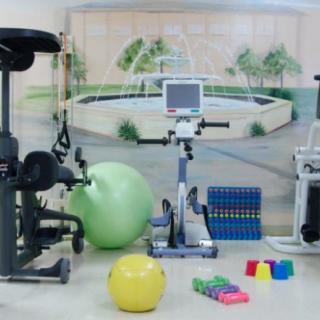
    • Fitness room Fitness roomHaving a fitness room in a senior living community is essential for seniors to stay active, maintain their physical health, and improve their overall well-being. Regular exercise can help prevent falls, reduce the risk of chronic diseases, and promote mental sharpness. It also provides social opportunities for residents to connect with others and enjoy a sense of community.
    • Fully furnished Fully furnishedFully furnished senior living communities are important for seniors because they provide convenience, comfort, and a hassle-free moving experience. Seniors can easily settle into their new living space without the stress of having to buy and move furniture. This allows them to focus on enjoying their new home and community.
    • Gaming room Gaming roomGaming rooms are important for seniors as they provide a fun and engaging environment for socializing, cognitive stimulation, and physical activity. Games can improve memory, problem-solving skills, and overall mental well-being while fostering friendships and reducing feelings of isolation.
    • Garden GardenGardens are important for seniors as they provide a peaceful and therapeutic environment for relaxation, physical activity, and socialization. Being in nature has been shown to reduce stress, improve mood, and promote overall well-being. Gardens also offer opportunities for seniors to engage in gardening activities, which can improve mobility, flexibility, and cognitive function. Additionally, gardens create a sense of community and connection with others who share a passion for plants and outdoor spaces.
    • Housekeeping services Housekeeping servicesHousekeeping services are important for seniors because they help maintain a clean and safe living environment, promote independence, and reduce the risk of accidents or illnesses. Additionally, having assistance with household chores can alleviate physical strain and allow seniors to focus on other aspects of their well-being.
    • Kitchenette KitchenetteKitchenettes are important for seniors living in senior living communities because they provide the convenience and independence of being able to prepare simple meals and snacks in the comfort of their own living space. This can help promote a sense of autonomy and well-being for seniors, allowing them to maintain some level of control over their dietary choices and daily routines.
    • Move-in coordination Move-in coordinationMove-in coordination is important for seniors because it helps ease the transition into their new living environment. It ensures that all logistics, such as packing, organizing movers, and setting up utilities are taken care of, allowing seniors to focus on settling in and adjusting to their new home. Having a smooth move-in process can alleviate stress and anxiety, making the transition smoother and more enjoyable for seniors.
    • Outdoor space Outdoor spaceOutdoor spaces are important for seniors as they provide opportunities for physical activity, social interaction, exposure to natural light and fresh air, and a sense of connection to nature. Having access to outdoor spaces can improve overall well-being and quality of life for older adults living in senior communities.
    • Private bathrooms Private bathroomsPrivate bathrooms are important for seniors in senior living communities because they provide independence, dignity, and comfort. Having a private bathroom allows seniors to maintain their personal hygiene routines without the need for assistance, promoting a sense of autonomy and privacy. Additionally, private bathrooms help prevent the spread of infections and provide a safe and clean environment for seniors to navigate safely.
    • Restaurant-style dining Restaurant-style diningRestaurant-style dining is important for seniors because it allows them to enjoy delicious, nutritious meals in a social and upscale setting. This enhances their dining experience, promotes healthy eating habits, and fosters socialization with fellow residents, ultimately contributing to their overall well-being and quality of life.
    • Small library Small librarySmall libraries are important for seniors as they provide access to a variety of reading materials, including books, newspapers, and magazines. This can help stimulate their minds, keep them engaged, and provide a sense of community through book clubs and other social activities. Additionally, reading has been shown to improve cognitive function and overall mental well-being in older adults.
    • Telephone TelephoneTelephones are important for seniors as they provide a lifeline for communication with loved ones, emergency services, and healthcare providers. They offer a sense of security and independence, enabling seniors to stay connected and access assistance when needed.
    • Wellness center Wellness centerWellness centers are important for seniors because they offer a variety of programs and services that promote physical, mental, and emotional well-being. These centers provide opportunities for exercise, socialization, education, and relaxation, helping seniors maintain their overall health and quality of life.
    • Wi-Fi/high-speed internet available Wi-Fi/high-speed internet availableWi-Fi/high-speed internet is important for seniors to stay connected with loved ones, access online resources, and participate in virtual activities to combat feelings of loneliness and isolation. It also allows them to easily manage healthcare needs, access entertainment, and engage in lifelong learning opportunities.

    Transportation

    • Bush (17 miles away) Bush (17 miles away)
    • Community operated transportation Community operated transportationCommunity operated transportation is crucial for seniors as it provides them with the means to access essential services, social activities, and medical appointments. It allows seniors to maintain their independence and quality of life by ensuring they can participate in activities outside of their homes. Additionally, community-operated transportation services offer a safe and reliable way for seniors to travel without having to rely on family or friends for assistance.
    • Transportation arrangement Transportation arrangementTransportation arrangements are crucial for seniors as they may face challenges with driving, mobility, or access to public transportation. Having reliable transportation services ensures that seniors can easily attend appointments, social activities, and maintain their independence and quality of life.
    • Transportation arrangement (non-medical) Transportation arrangement (non-medical)Transportation arrangements are essential for seniors as they provide access to essential services, activities, and social interactions outside the home. This service helps maintain independence, mobility, and overall well-being for seniors who may have limited transportation options.
    • Transportation to doctors appointments Transportation to doctors appointmentsTransportation to doctors appointments is crucial for seniors as it ensures they have access to necessary medical care and support, promoting their health and well-being. It allows them to receive timely treatment, monitor existing conditions, and address any new health concerns efficiently. Additionally, transportation services can help seniors maintain their independence and quality of life by enabling them to stay connected with their healthcare providers.

    Care Services

    • 12-16 hour nursing 12-16 hour nursing12-16 hour nursing care is crucial for seniors in order to ensure around-the-clock monitoring, timely medication administration, and prompt response to any health concerns or emergencies. This level of care helps to promote the overall well-being and safety of seniors living in senior living communities.
    • 24-hour call system 24-hour call system24-hour call systems are important for seniors because they provide peace of mind and immediate assistance in case of emergencies. This technology ensures that help is always available, promoting safety and security for elderly individuals living alone or in assisted living facilities.
    • 24-hour supervision 24-hour supervision24-hour supervision is important for seniors to ensure their safety, well-being, and access to immediate assistance in case of emergencies or health issues. This constant support provides peace of mind for both seniors and their loved ones, allowing them to age in place with dignity and security.
    • Activities of daily living assistance Activities of daily living assistanceActivities of daily living assistance are important for seniors because they provide essential support with tasks such as eating, bathing, dressing, and mobility. This assistance helps seniors maintain their independence, dignity, and overall quality of life as they age.
    • Assistance with bathing Assistance with bathingAssistance with bathing is crucial for seniors as it helps maintain personal hygiene, prevents infections, and ensures their overall well-being and comfort. It also provides a sense of dignity and independence for seniors who may struggle with this task on their own.
    • Assistance with dressing Assistance with dressingAssistance with dressing is important for seniors because it helps maintain their independence, promotes personal hygiene, prevents accidents and injuries, and improves overall quality of life. This service ensures that seniors can continue to dress comfortably and confidently, despite any physical limitations they may have.
    • Assistance with transfers Assistance with transfersAssistance with transfers is crucial for seniors as it helps prevent falls and injuries, maintains their independence, and ensures they can safely navigate their living environment. It also provides peace of mind for both seniors and their loved ones.
    • Diabetes diet Diabetes dietA diabetes diet is crucial for seniors as it helps manage blood sugar levels, reduce risks of complications, and improve overall health and well-being. By following a balanced and nutritious diet tailored to their specific needs, seniors can better control their diabetes and enhance their quality of life.
    • Meal preparation and service Meal preparation and serviceMeal preparation and service are crucial for seniors as they may have limited mobility or energy to cook nutritious meals. Having access to healthy and convenient food options can ensure they are getting the proper nutrition needed to maintain their overall health and well-being.
    • Medication management Medication managementMedication management is crucial for seniors to ensure they are taking the right medications at the correct dosages and times. This helps prevent adverse drug interactions, reduces the risk of medication errors, and promotes overall health and well-being. Proactive management also allows for adjustments as needed based on changing health conditions or new prescriptions.
    • Mental wellness program Mental wellness programMental wellness programs are essential for seniors as they promote cognitive stimulation, emotional support, and social engagement. These programs help prevent isolation, depression, and cognitive decline, ultimately enhancing the overall quality of life for older adults.
    • Special dietary restrictions Special dietary restrictionsSpecial dietary restrictions are important for seniors because age-related changes in metabolism and health conditions can make it difficult for their bodies to process certain foods. By following a diet tailored to their specific needs, seniors can maintain their overall health and well-being, manage chronic conditions, and reduce the risk of complications such as malnutrition or food interactions with medications.

    Dining

    • Diabetes diet Diabetes dietA diabetes diet is crucial for seniors as it helps manage blood sugar levels, reduce risks of complications, and improve overall health and well-being. By following a balanced and nutritious diet tailored to their specific needs, seniors can better control their diabetes and enhance their quality of life.
    • Special dietary restrictions Special dietary restrictionsSpecial dietary restrictions are important for seniors because age-related changes in metabolism and health conditions can make it difficult for their bodies to process certain foods. By following a diet tailored to their specific needs, seniors can maintain their overall health and well-being, manage chronic conditions, and reduce the risk of complications such as malnutrition or food interactions with medications.

    Activities

    • Community-sponsored activities Community-sponsored activitiesCommunity-sponsored activities are important for seniors as they provide opportunities for social interaction, mental stimulation, and physical activity. These activities can help improve overall well-being, combat loneliness and isolation, and promote a sense of belonging and purpose among older adults.
    • Concierge services Concierge servicesConcierge services are essential for seniors as they provide assistance with daily tasks and errands, enhance their quality of life by offering convenience and personalized care, and promote a sense of safety and security.
    • Fitness programs Fitness programsFitness programs are crucial for seniors as they help improve strength, flexibility, balance, and overall well-being. Staying active can reduce the risk of chronic diseases, improve mental health, and enhance quality of life in older adults.
    • Planned day trips Planned day tripsPlanned day trips are important for seniors because they offer opportunities for socialization, mental stimulation, and physical activity. They provide a change of scenery and help seniors stay engaged and connected to their community, promoting overall well-being and quality of life.
    • Resident-run activities Resident-run activitiesResident-run activities are important for seniors as they encourage social interaction, creativity, and a sense of autonomy. These activities empower seniors to stay engaged and active in their community while fostering meaningful connections with their peers.
    • Scheduled daily activities Scheduled daily activitiesScheduled daily activities are important for seniors because they provide structure, socialization, mental stimulation, and physical activity. Engaging in regular activities can improve overall well-being and quality of life for seniors living in a community setting.

    Description

    Anchor Rehab and Healthcare Center of Aiken in Aiken, SC is an assisted living community that offers a wide range of amenities and care services for its residents. The community is fully furnished and provides a comfortable living space with private bathrooms.

    Residents can enjoy various activities and socialize in the gaming room, small library, fitness room, or outdoor space. They also have access to a beauty salon for hair and grooming needs. Wi-Fi/high-speed internet is available throughout the premises.

    Anchor Rehab and Healthcare Center of Aiken ensures the well-being of its residents by providing 24-hour supervision and assistance with activities of daily living such as bathing, dressing, and transfers. The staff also manages medication and offers specialized diets for diabetes or other dietary restrictions.

    Residents can indulge in delicious meals served restaurant-style in the dining room, which accommodates special dietary needs. Additionally, there are two nearby cafes where residents can explore dining options.

    The community offers transportation arrangements for non-medical purposes as well as transportation to doctors' appointments. Move-in coordination is provided to assist with the transition process.

    Anchor Rehab and Healthcare Center of Aiken places emphasis on mental wellness with their mental wellness program. They also offer various activities such as fitness programs, planned day trips, resident-run activities, and scheduled daily activities to keep residents engaged and entertained.

    The nearby amenities include two cafes, one park, 14 pharmacies, 27 physicians' offices, 26 restaurants, two transportation options, four places of worship, and one theater. This ensures convenient access to essential services and entertainment opportunities for residents.

    Overall, Anchor Rehab and Healthcare Center of Aiken provides a supportive assisted living community where residents can receive the care they need while enjoying a fulfilling lifestyle surrounded by amenities and nearby attractions.

    Nearby Places of Interest

    Theaters

    • Regal Aiken Mall (0.2 miles)

    Physicians

    • University Medical Associates (0.4 miles)
    • Southside Ob Gyn (0.5 miles)
    • Wu Family Eye Care (0.8 miles)
    • Synergic Health Centre (0.9 miles)
    • The Pain Center and Regenerative Institute (1 miles)
    • Quality Medical Associates (1 miles)
    • Carolina Orthopedics (1.1 miles)

    Restaurants

    • Chick-Fil-A (0.4 miles)
    • Dos Potrillos Mexican Restaurant (0.5 miles)
    • Subway (0.6 miles)
    • La Dolcé (0.7 miles)
    • Cook Out (0.7 miles)
    • Shane's Rib Shack (0.7 miles)
    • Arby's (0.8 miles)

    Transportation

    • Aiken Taxi Service (0.5 miles)
    • U-Haul Neighborhood Dealer (2.4 miles)

    Pharmacies

    • Walgreens (0.5 miles)
    • CVS Pharmacy (0.8 miles)
    • Walmart Pharmacy (0.8 miles)
    • TLC Medical Centre (0.9 miles)
    • Kroger Pharmacy (1.1 miles)
    • Family Pharmacy South Aiken (1.6 miles)
    • Good Neighbor Pharmacy (1.6 miles)

    Cafes

    • Panera Bread (0.9 miles)
    • Starbucks (0.9 miles)

    Places of Worship

    • Church of Jesus Christ of Latter Day Saints (1.4 miles)
    • Greater Faith Fellowship (1.8 miles)
    • Solid Rock Baptist Church (2 miles)
    • New Zion Branch Ministries (2.9 miles)
    • Christ Central New Ellenton (6.8 miles)

    Parks

    • Odell Weeks Activity Center (1.4 miles)
    • Boyd Pond Park (5.9 miles)

    Hospitals

    • Aurora Pavilion Behavioral Health (5.1 miles)
    • Surgery Center of Aiken (5.3 miles)

    Frequently Asked Questions

    Where is Anchor Rehab And Healthcare Center Of Aiken?
    What photos are available for Anchor Rehab And Healthcare Center Of Aiken in Aiken, South Carolina?

    Nearby Communities

    Skilled Nursing Facility in Nearby Cities

    Related Resources

    • how much does 24/7 in home care cost per monthUnderstanding the Full Cost of 24/7 In-Home Care: A Detailed Overview

      The guide outlines the rising costs of 24/7 in-home care, ranging from $10,000 to over $20,000 monthly, driven by factors such as location and caregiver qualifications. It discusses the limited coverage by Medicare and private insurance, potential Medicaid support, and the emotional and living condition considerations influencing families' decisions on care arrangements.

    • home health nurseExploring the World of Home Health Nurses: Qualifications, Roles, and Hiring Tips

      Home health nursing is an expanding field where licensed professionals provide specialized medical care in patients' homes, addressing the needs of an aging population through personalized services like assessments and medication management. Effective collaboration with healthcare teams, cultural sensitivity, and quality assurance measures are essential for fostering trust and ensuring positive patient outcomes.

    • does medicare cover home health careNavigating Medicare Coverage for In-Home Care Services


      Medicare covers in-home health care services, which are medical and provided by licensed professionals under a physician's supervision, whereas non-medical personal assistance is generally not covered unless part of a broader skilled care plan. Eligibility for benefits depends on being homebound and needing intermittent skilled services from a Medicare-certified agency, with specific coverage limitations and additional resources available for navigating options.


    Get Pricing Ask A Question Schedule A Tour Contact Senior Advisor