

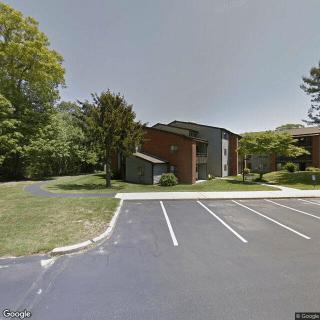
50 South County Commons Way Bld 6 E 3 Rear, South Kingstown, RI 02879
To contact a resident: (401) 284-2555
For more information about senior living options: (866) 208-4318
Overall Review of BrightStar Healthcare
Pros
 Dr. Shwartzman listened to her and answered all questions, trying to figure out the problem.
 - The lumbar epidural steroid injection worked great for relieving pain.
- The staff at South County Comprehensive Pain Management is friendly, helpful, and puts patients at ease.
- Dr. Chan is very nice and ensures patients are okay during the entire procedure.
- Dr. Desillier’s spinal epidural was delivered with compassion and professionalism, putting the patient at ease.
- The office staff is great and makes an effort to accommodate patients’ schedules.
Cons
 The clinic is described as the most unprofessional place ever.
- They accuse the staff of milking insurance for profit, contributing to a low rating.
- The reviews call it a nightmare where patients never see a qualified doctor and the PAs are unqualified.
- Front desk staff are said to have no manners, and the overall staff are rude and uncaring.
- Billing practices are alleged to include double-dipping and improper insurance charges.
- A specific incident is described where a doctor yelled at the patient, discriminated against them, and had them trespassed.
- There is claimed poor communication and erratic office hours, making scheduling nearly impossible.
- Long phone hold times and being hung up are common complaints.
- Dangerous prescribing practices are alleged, such as prescribing opioids to a patient on clonazepam without proper coordination.
Review
BrightStar Healthcare in South Kingstown is best suited for chronic pain patients who can tolerate a mix of promising clinical care and uneven administrative performance, and who are willing to advocate for themselves through a process that can be hit-or-miss in non-clinical moments. The threads of experience show that when a physician, most notably Dr. Adriana Desillier, takes time to listen, explain, and perform a targeted procedure, relief can be dramatic. A spinal epidural, delivered with care and competence, can noticeably reduce pain and restore some mobility. Yet that positive clinical signal sits alongside a chorus of reviews about inconsistent staffing, difficult scheduling, and troubling billing and communication gaps. The overall rating of 2.7 from 21 reviews captures this tension: real clinical capability paired with a concerning pattern of administrative friction.
Those who should consider alternatives are primarily the ones who prize predictable access, transparent billing, and a consistently courteous front-line experience. Several reviewers describe long holds, unreturned calls, and front desk interactions that feel impersonal or rude. There are repeated claims of miscommunication around diagnoses, treatment plans, and insurance processes, sometimes accompanied by accusations of double billing or inappropriate billing practices. For a senior or caregiver who cannot absorb frequent administrative surprises, or who needs an unambiguous, steady care pathway with a single point of accountability, pursuing other options may deliver a more trustworthy day-to-day experience. In short, this community may not be ideal for anyone who relies on smooth scheduling and error-free administrative oversight as a baseline expectation.
The core pros, clinician competence, genuine concern, and effective injections, do have real weight against the cons if a patient’s top priority is meaningful pain relief. The positive testimonials emphasize that when the doctor, especially Dr. Desillier, engages with questions, provides clear explanations, and administers procedures with a calm confidence, patients depart with tangible relief. The accuracy and bedside manner during injections can turn a difficult day around, and a friendly, supportive assistant cadre can make the procedure experience less daunting. These clinical strengths can offset a fair amount of friction if the patient is prepared to navigate the administrative terrain and if the expectation is ongoing, procedure-based management of pain rather than a one-stop visit for general pain care.
However, the balance repeatedly tilts toward caution. The most troubling notes focus on access: blocked or delayed communication, inconsistent staff levels, and a sense that front-office operations undermine otherwise solid clinical work. Several reviews charge that some clinicians in the network are not present during visits or that records and prescriptions get tangled across locations. There are persistent concerns about safety and appropriateness of prescribing, including one account of dangerous polypharmacy circumstances. Taken together, these patterns suggest that the patient who is most at risk is the one who cannot afford missteps in care coordination or who cannot tolerate uncertainty about whether the next appointment, the next prescription, or the next test will be handled correctly.
Prospective patients should act with a plan. Before engaging fully, request a clear care pathway with one primary clinician who will remain the thread through visits, injections, and follow-ups. Seek a written treatment plan that outlines expected timelines, goals, and exit criteria for each intervention, and verify how changes in medications are coordinated with other doctors and pharmacies. Demand explicit cost projections and a transparent billing process, including how insurance interactions are managed and who to contact for out-of-pocket questions. It also makes sense to establish a preferred method of communication, phone, portal, or email, and to set a check-in cadence for progress reviews. If questions remain about consistent coverage or the ability to reach the team quickly, consider alternatives with a reputation for steadier administrative support and fewer surprises in the billing realm.
Ultimately, this community offers a legitimate route to meaningful pain relief for patients who can tolerate, and even expect, a blend of high clinical competence with imperfect administrative reliability. The right patient will be the one who can anchor care around a trusted clinician, actively manage the administrative experience, and avoid becoming lost in the system during inevitable busy periods. For families prioritizing predictability, coordinated care, and scrupulous billing practices, it is prudent to compare other options first. Look for pain management centers with a track record of consistent physician availability, transparent cost structures, and responsive front-office service. In that comparison, BrightStar South Kingstown may deliver genuine relief in the chair, but it demands a readiness to navigate a bumpy administrative ride to reach the intended clinical payoff.
 Theodore F Green State (19 miles away)






 Powerful Realities of Elder Abuse and the Most Effective Ways to Report It
 Ten Vital Duties of a Senior Caregiver: A Comprehensive Guide
 9 Stimulating Memory Activities for Seniors: Puzzles, Cards, and Much More