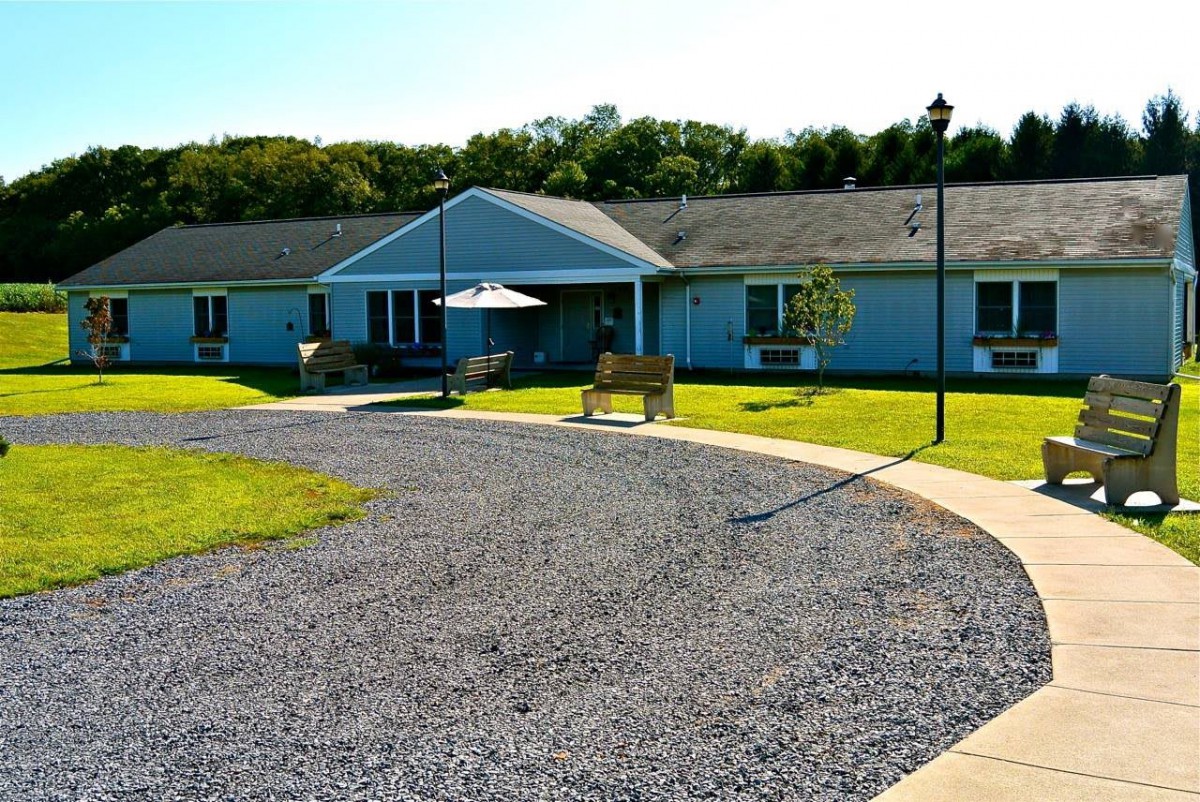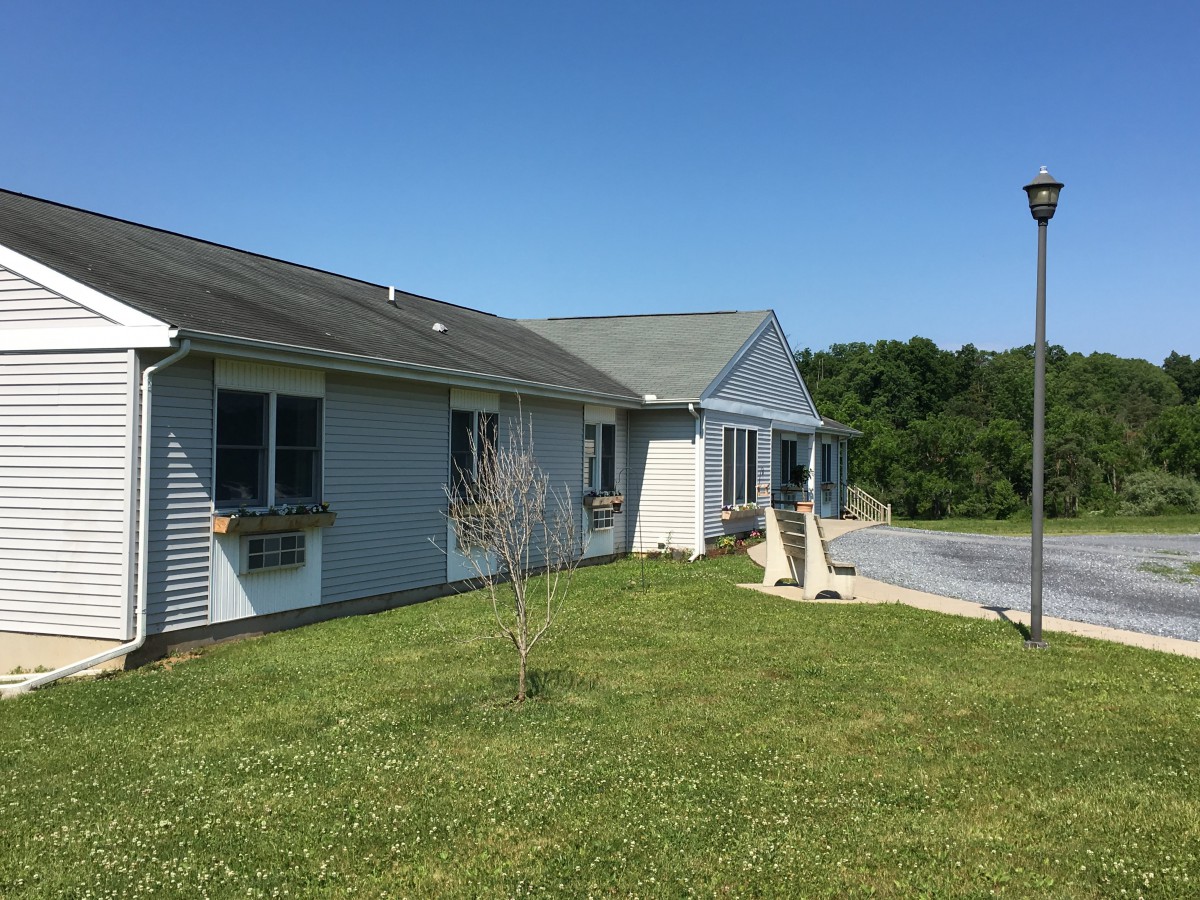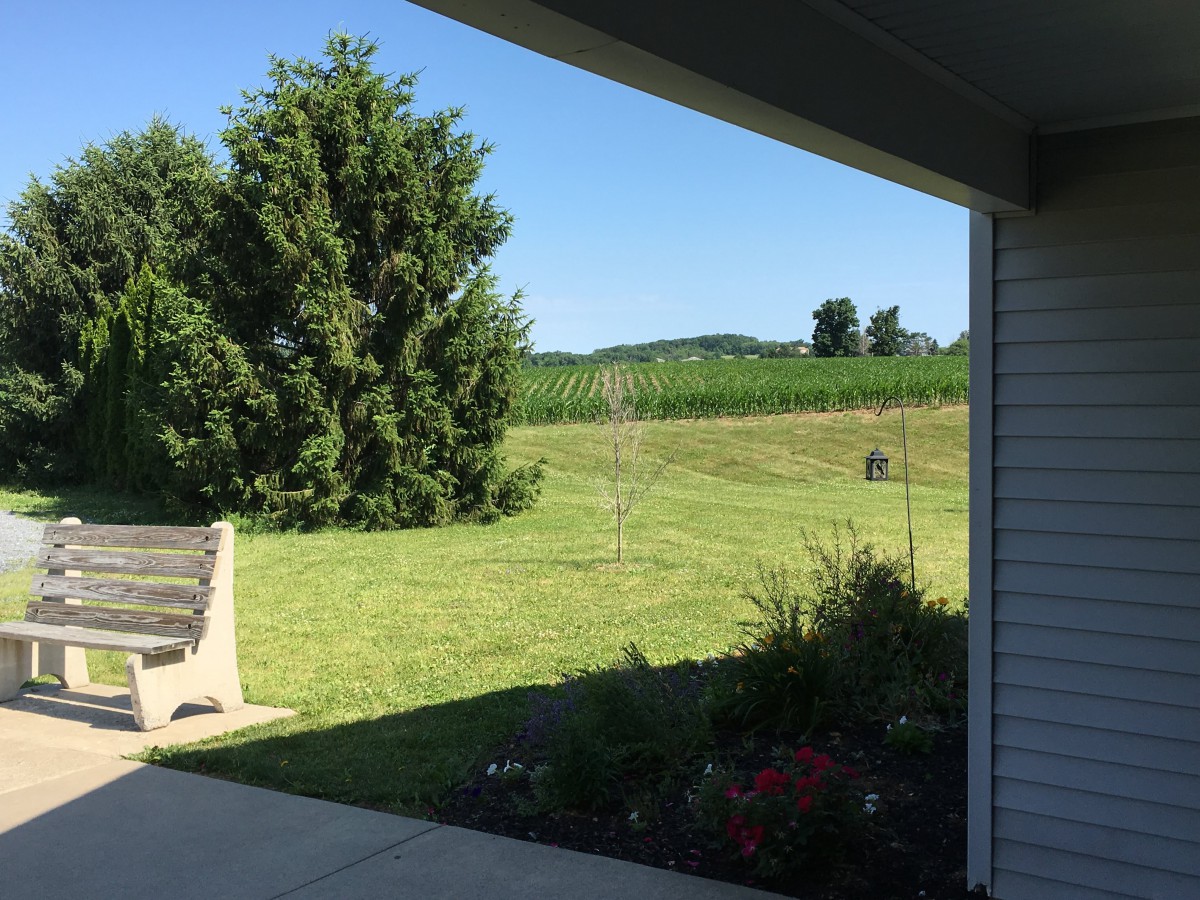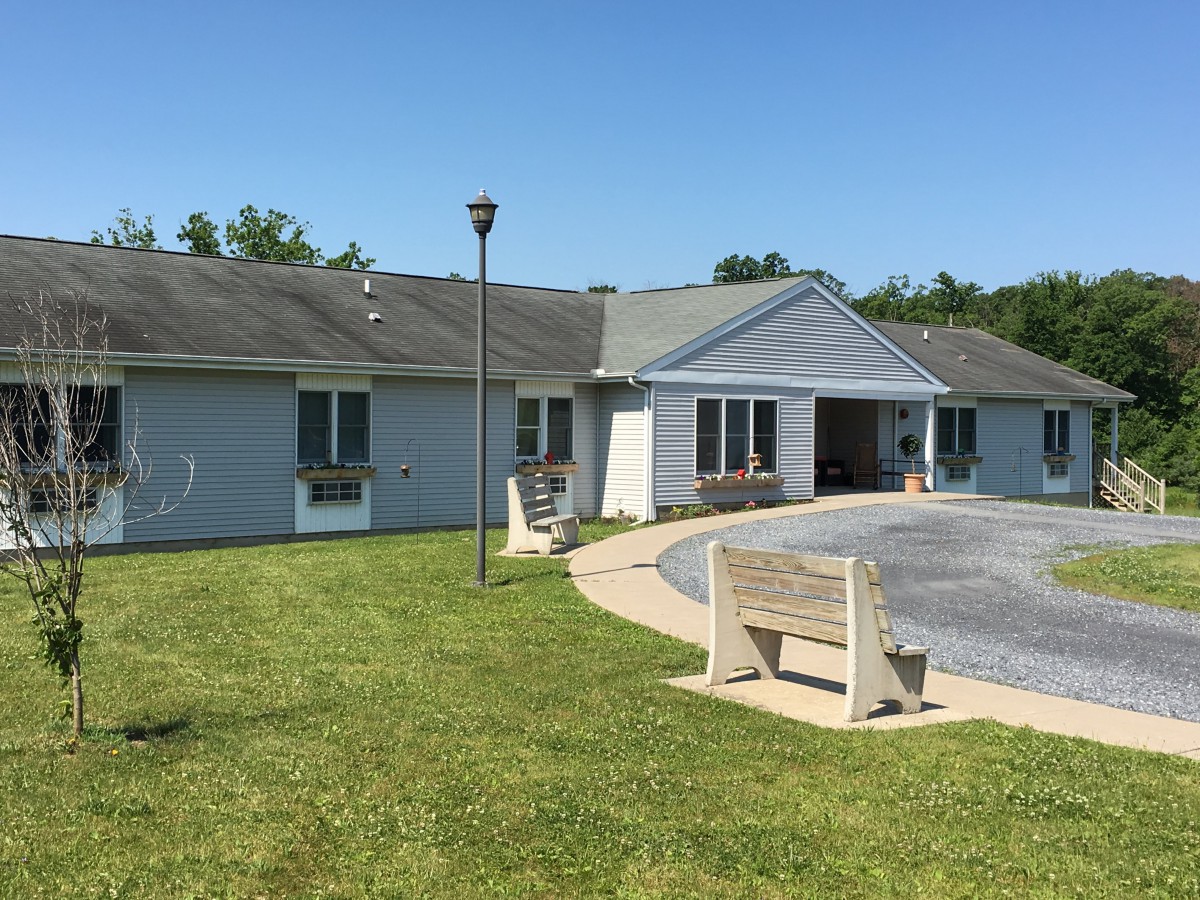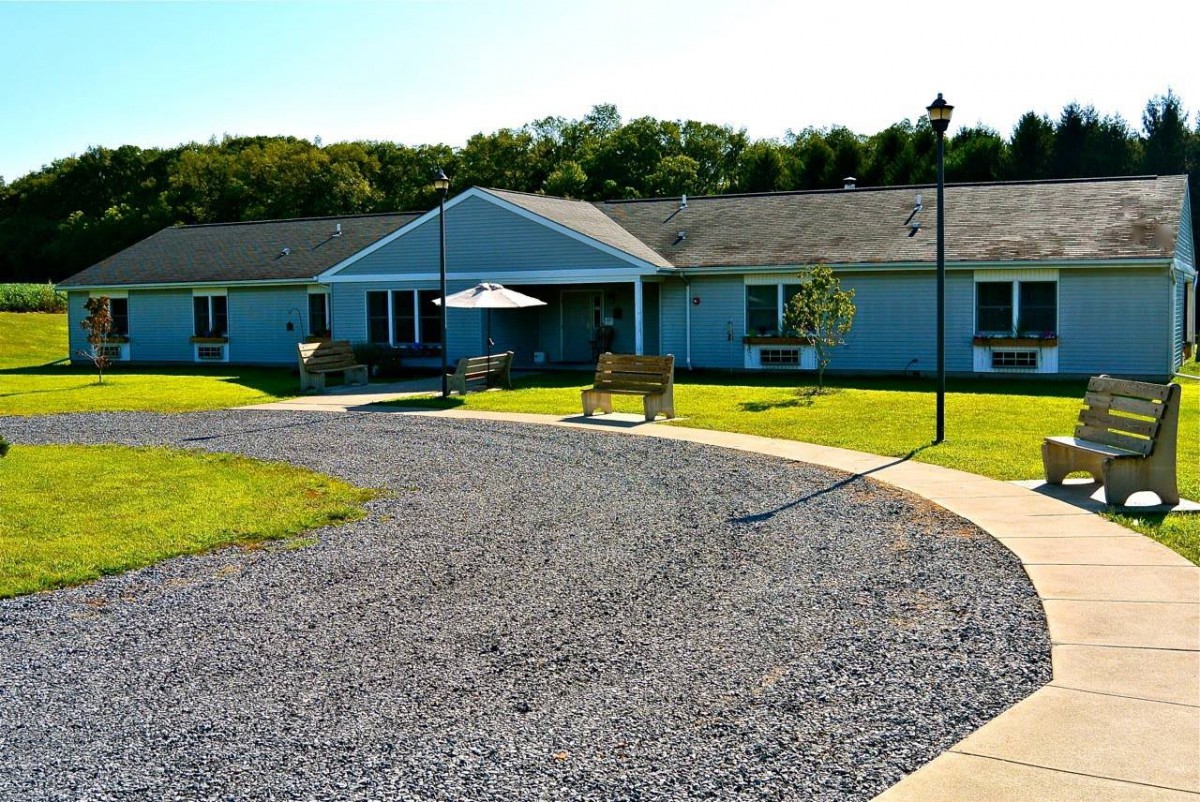
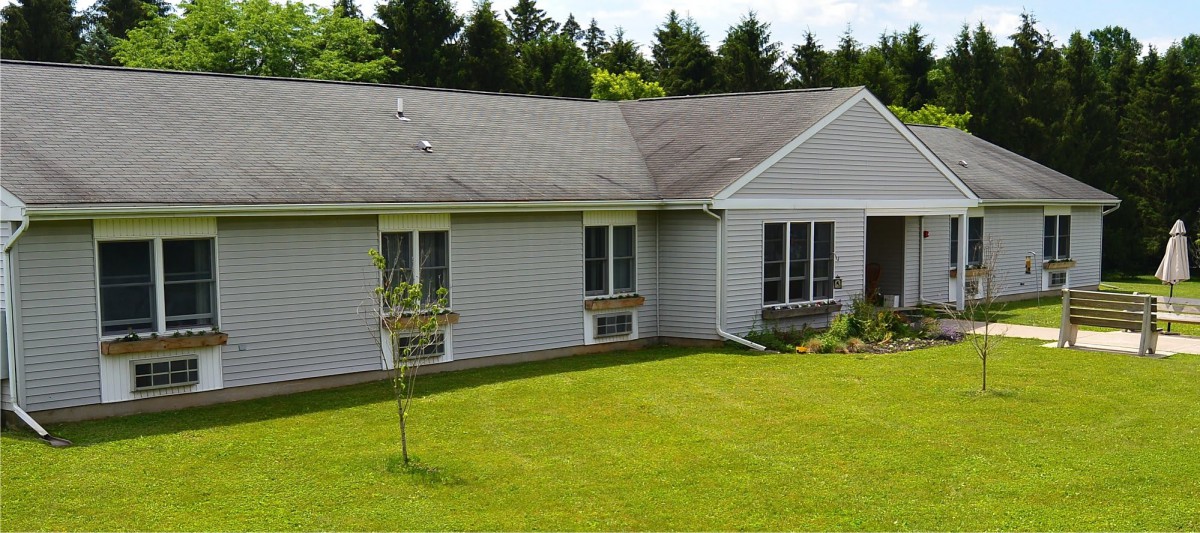
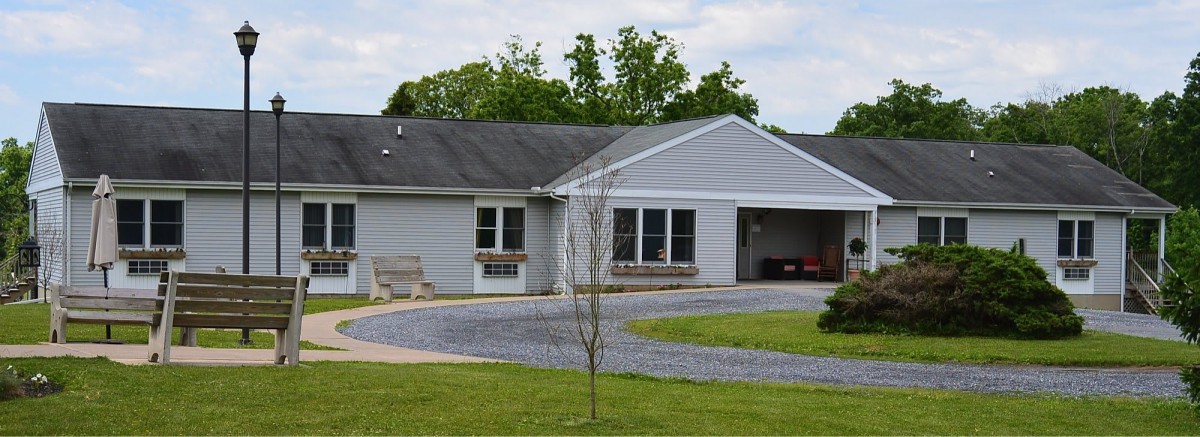
4315 Washington St, Schnecksville, PA 18078
To contact a resident: (610) 820-8301
For more information about senior living options: (866) 208-4318
At Home at Parkland Costs & Pricing
At Home at Parkland offers a range of room types with pricing that reflects its quality and services compared to both Lehigh County and the broader state of Pennsylvania. For a semi-private room, residents can expect to pay $4,300 per month, which is notably higher than the county average of $3,741 and the state average of $3,542. Studio apartments are priced at $4,800, again surpassing local and state averages of $4,504 and $3,737 respectively. If you're looking for more space, a one-bedroom unit is available for $5,600 - a figure significantly above both Lehigh County's average of $4,418 and Pennsylvania's average of $4,006. For those needing even more room, two-bedroom accommodations are offered at $8,500 per month, far exceeding Lehigh County's average rent of $5,550 and Pennsylvania's average of $4,242. These rates suggest that At Home at Parkland positions itself as a premium option within the local market.
| Floor plans | At Home at Parkland | Lehigh County | Pennsylvania |
|---|---|---|---|
| Semi-Private | $4,300 | $3,741 | $3,542 |
| Studio | $4,800 | $4,504 | $3,737 |
| 1 Bedroom | $5,600 | $4,418 | $4,006 |
| 2 Bedrooms | $8,500 | $5,550 | $4,242 |
Assisted Living communities with a similar price nearby
-
About the same
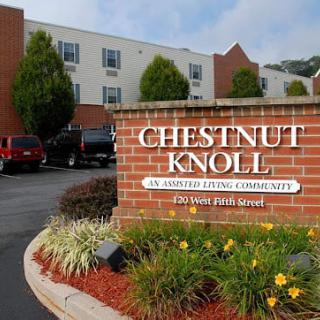
Chestnut Knoll
$4,294 to $7,398 / month24.4 miles away -
About the same
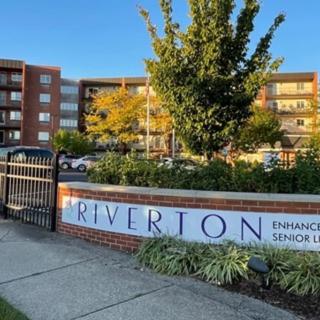
Riverton Enhanced Senior Living
$4,400 to $5,100 / month11.6 miles away -
from -$205 / mo
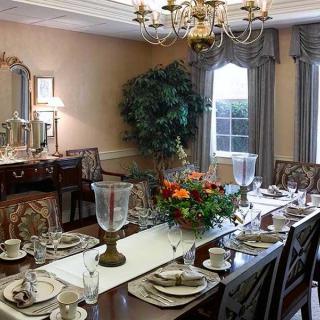
Atria Bethlehem
$4,095 to $5,495 / month11.8 miles away -
from -$800 / mo
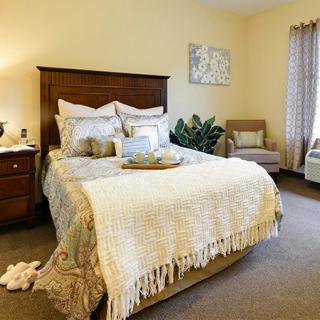
Maidencreek Place
$3,500 to $4,991 / month22.8 miles away -
from -$700 / mo
Atrium of Allentown
$3,600 to $4,500 / month8.6 miles away
Overall Review of At Home at Parkland
Pros
 The care, staff, setting, and food at At Home At Parkland are terrific.
- The staff provides great hospitality and supports resident visits.
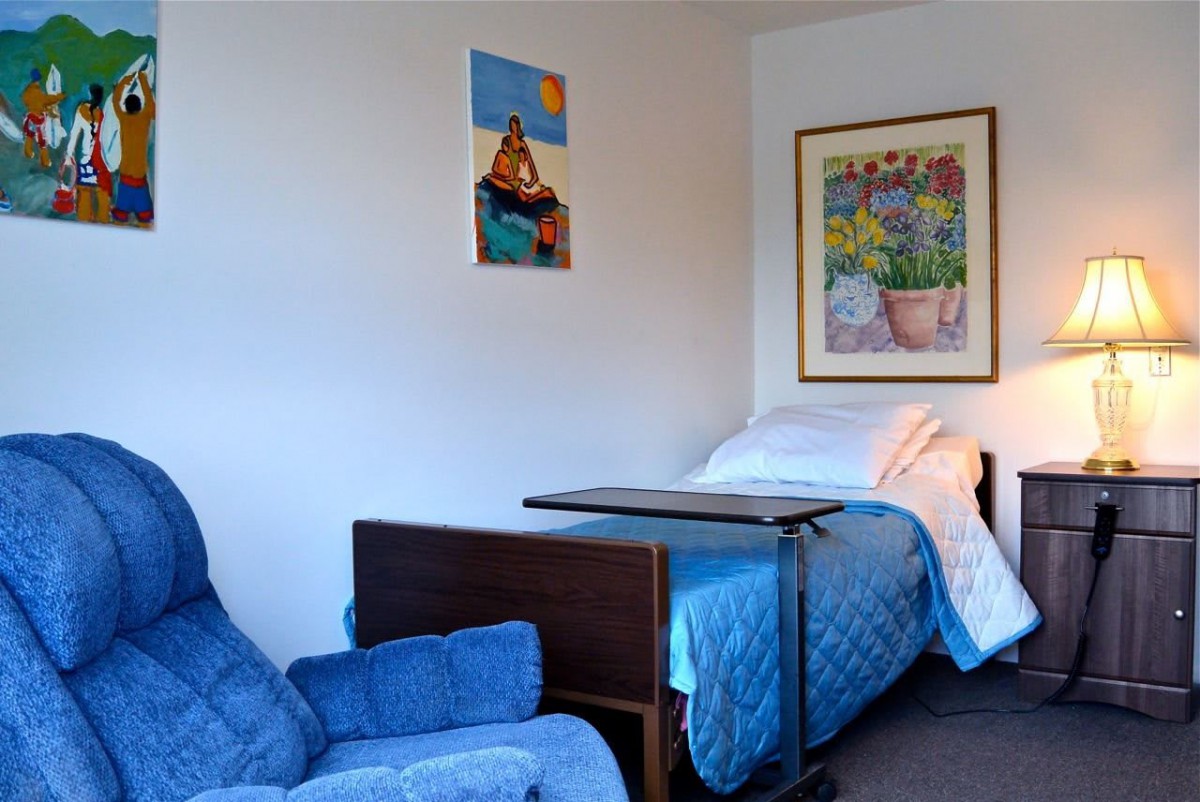
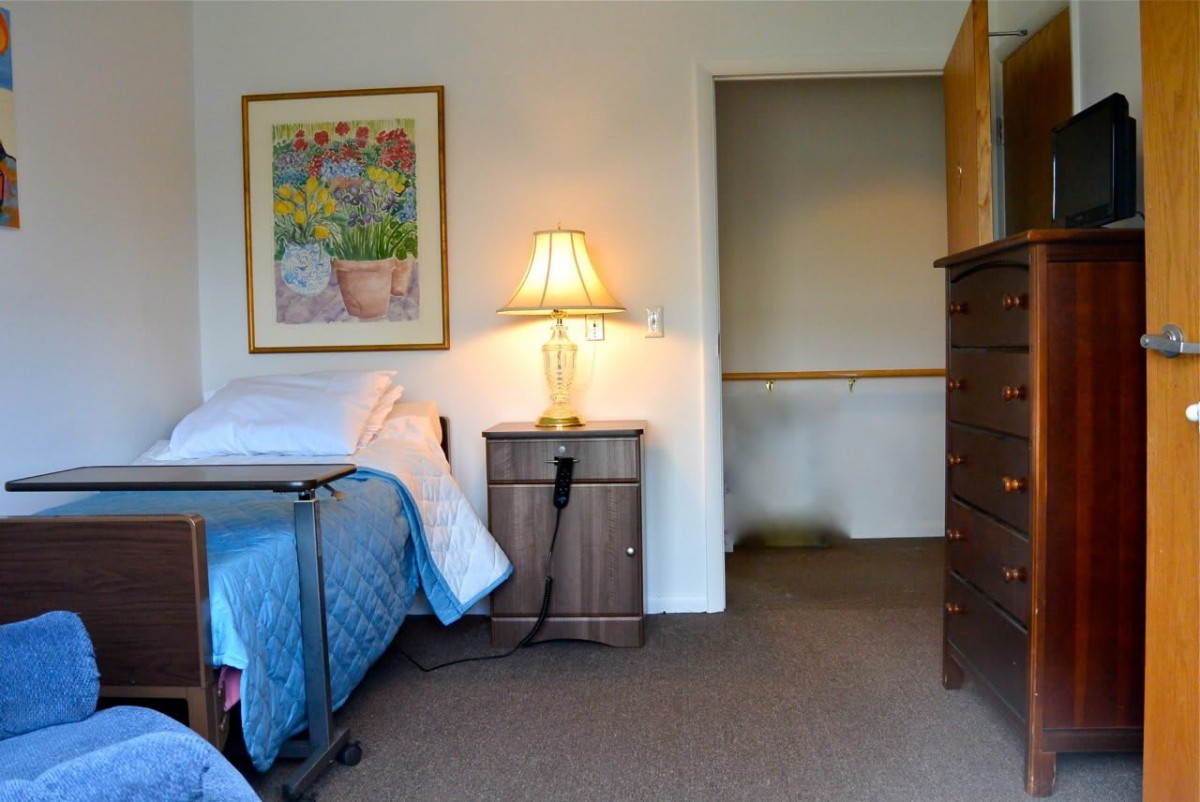
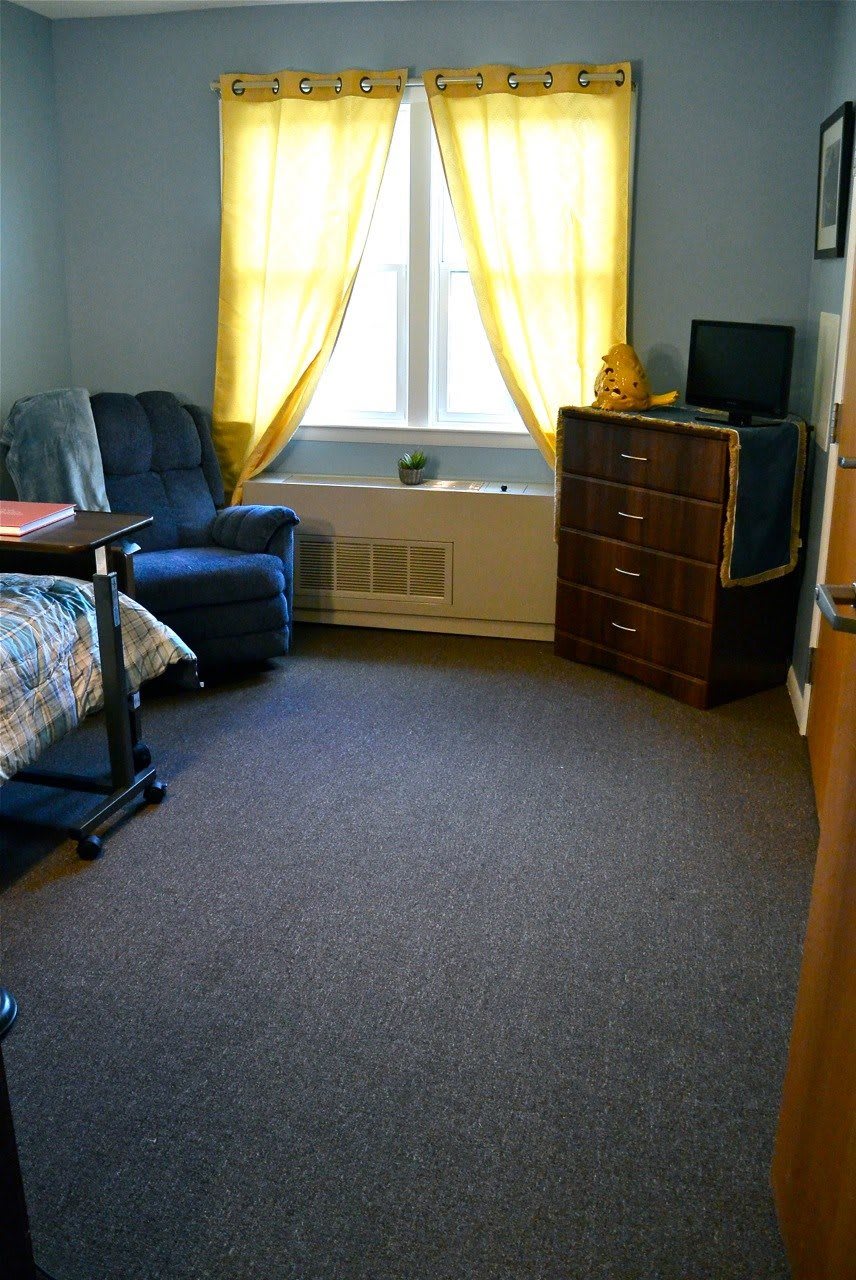
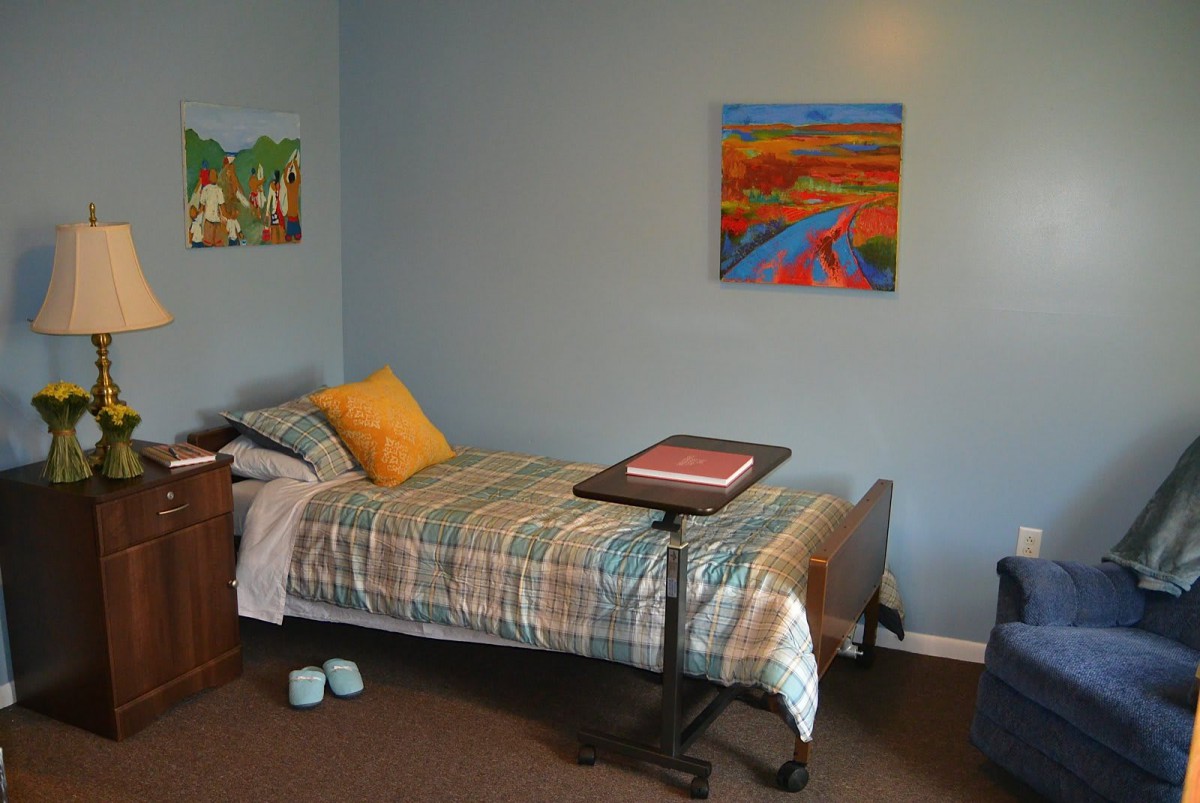
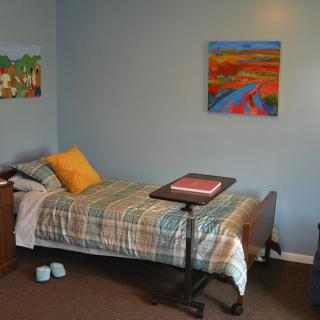
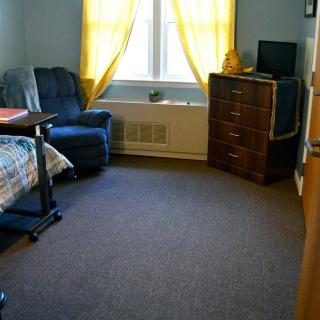
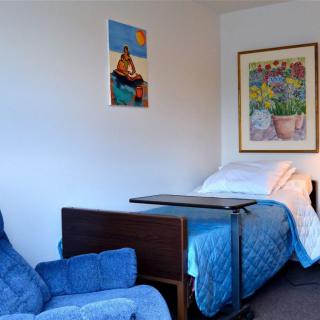
- The facility offers personalized attention with private rooms and privacy.
- The owner is a medical professional who communicates well, is responsive, and oversees care.
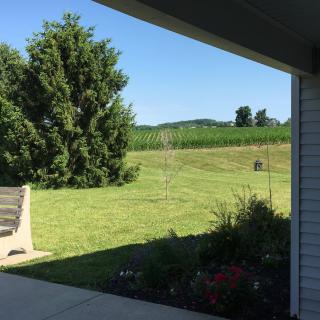
- The location is quiet and the atmosphere inside is calm and friendly.
- The meals are homemade and terrific, with engaging activities and regular visits from therapists, doctors, and a hairdresser.
- The smaller size allows for personalized attention and a welcoming, home-like environment.
Cons
 The facility is described as a terrible place to put loved ones.
- The staff do not fully attend to residents.
- The staff sleep on their shifts.
- Residents pay way too much to live there.
- Staff turnover was overwhelming for families and residents.
- There was no response from administration.
- The care during the pandemic was very concerning, with residents left alone in bed.
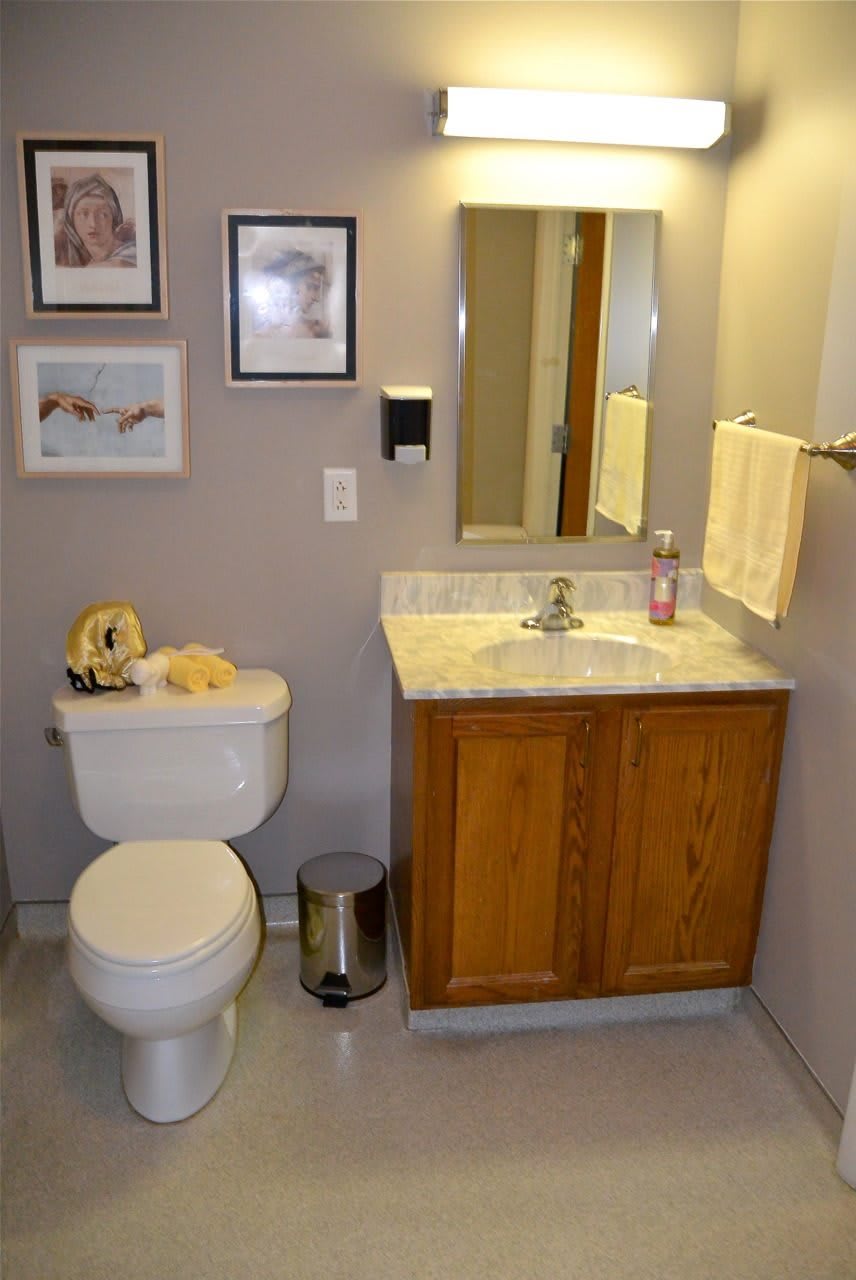
- The room was extremely dirty, with no toilet paper, an empty soap dispenser, and towels missing.
Review
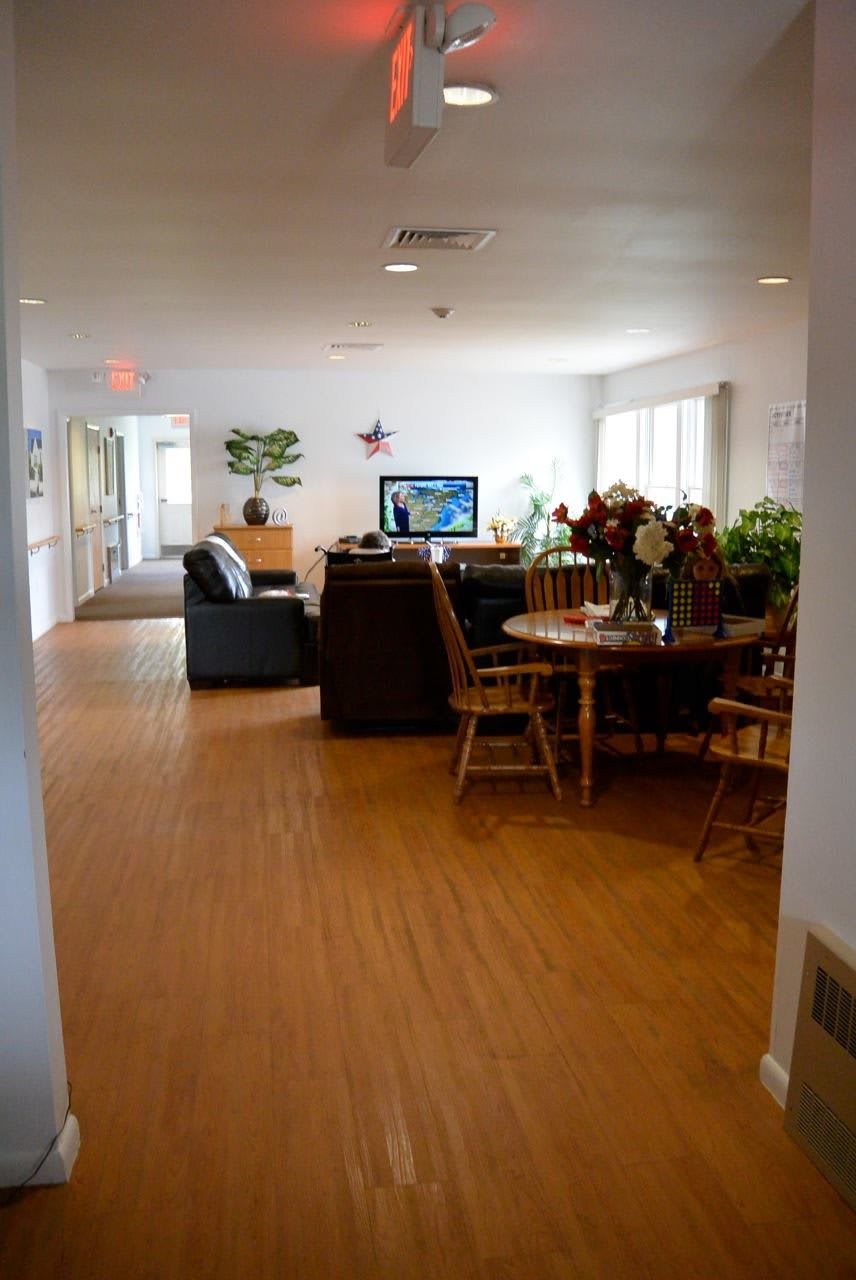
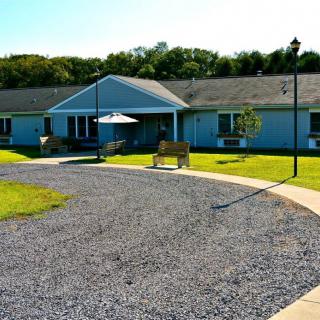
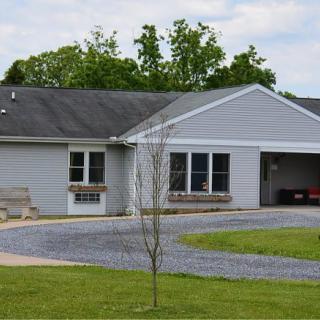
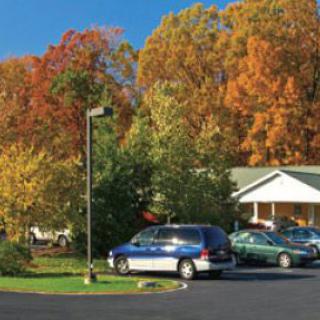
At Home at Parkland is best suited for families seeking a small, intimate skilled-nursing option where residents can experience a genuine sense of “home.” The setting appeals to seniors who prefer a quiet, country-like atmosphere, private rooms when available, and direct access to an owner-operator who is a medical professional. Families in the Schnecksville area who value on-site, home-style cooking, regular visits from therapists and physicians, and a program that prioritizes personal attention over sprawling amenities will find this community appealing. It works especially well for residents who want straightforward, hands-on communication with leadership and who are comfortable with a smaller-scale operation that can be highly responsive to individual requests.
The most persuasive positives center on personalized care when staffing is stable and engaged. Several families praise the facility for a homelike feel, calm atmosphere, and staff who know residents by name and remember preferences. The appeal of private rooms and temperature control, the emphasis on home-cooked meals, and the willingness of the owner to stay involved in day-to-day care are repeatedly highlighted. For residents who respond well to a small-team approach, where family involvement and direct line to leadership translate into timely problem-solving, these strengths can translate into consistently high-quality days. When these elements align, the experience can feel distinctly intimate and attentive.
Yet the reviews do not pretend the village size eliminates risk. The most consequential drawbacks revolve around staffing stability and consistency. Reports of high turnover and uneven care quality have, at times, left families worried about continuity of aides and overall reliability. There are troubling anecdotes about cleanliness lapses, insufficient supplies in rooms, and slow or absent responses from administrators. Shared bathrooms, while manageable for some, can be a deal-breaker for residents with certain medical needs or privacy considerations. And while the setting is quiet and manageable, the remote feel, coupled with a comparatively small staff, can magnify gaps in care during busy periods or when health issues escalate.
These strengths and weaknesses interact in meaningful ways. When leadership remains steady and staff turnover is limited, the facility’s advantages, personalized attention, direct family communications, homemade meals, and a calm, home-like environment, tend to offset the drawbacks. Families note that a proactive owner who communicates openly and a care team that makes residents feel seen can produce exceptionally positive days, with timely redirection and meaningful social engagement. However, when turnover spikes or maintenance lapses occur, the same intimate setting can quickly reveal its vulnerabilities, dampening morale and eroding trust. In those moments, the very qualities that once felt like a compelling advantage become the first to fray.
For families weighing options, realize that At Home at Parkland may not meet every need. Those requiring robust, 24/7 clinical intensity, memory-care specialization, or large-community programming may prefer alternatives with broader staffing pools and more extensive onsite resources. Homes with a proven, multi-wing continuum of care, or larger SNFs with consistent nurse-to-resident ratios, often deliver greater predictability in daily care and long-term planning. Additionally, if private bathrooms, highly standardized routines, or a fixed daily schedule are priorities, other facilities may deliver more uniform experiences. The decision hinges on how much value is placed on a truly homey, individualized approach versus the security of a larger, more standardized operation.
Practical steps will sharpen the decision. Prospective families should schedule multiple visits at different times, speak with frontline staff and the administrator, and request recent state- or license-verified inspection results to gauge ongoing compliance and care quality. Ask for specific staffing ratios during peak hours and anecdotal evidence of consistency in aides and caregiving teams. Inquire about meal quality and menu flexibility, and verify whether private rooms are reliably available. If possible, arrange a short-term or trial stay to observe day-to-day operations and the resident’s fit. When the goal is to balance warmth and attentiveness with dependable, steady care, this community can be a strong match for the right resident and family, provided staffing stability is clearly demonstrated and the operational leadership is fully aligned with resident welfare.
 Assisted Living
 Activities on-site
 Air-conditioning
 Beautician on-site
 Cable or satellite TV
 Devotional services off-site
 Ground floor units
 Handicap accessible
 Indoor common areas
 Outdoor common areas
 Respite or short term stays offered
 Wheelchair accessible showers
 Wi-Fi/high-speed internet available
 Lehigh Valley International (10 miles away)
 Diabetic care
 Incontinence care
 Medication management
 Anytime dining
 Art classes
 Catholic services
 Cooking classes
 Day trips and outings
 Happy hour
 Karaoke
 Live well programs
 Wine tasting


 How and When Medicaid May Cover Assisted Living Costs
 A Detailed Exploration of Assisted Living Medicaid Waivers Across the United States
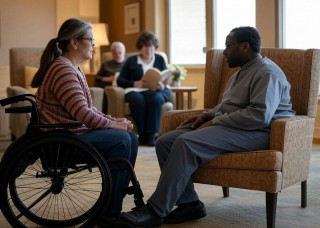 Comprehensive Residential Support and Assisted Living Solutions for Individuals with Disabilities