
98 Foundry Street, Punxsutawney, PA 15767
For more information about senior living options: (866) 208-4318
Overall Review of Mahoning Riverside Manor
Pros
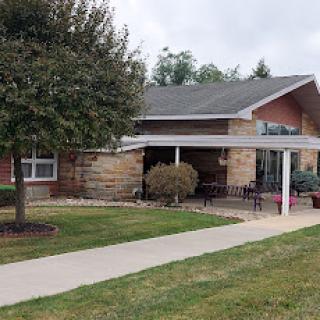
 The building and rooms look good.
Cons
 The care and activities have declined from great to terrible in the last year(s).
- There is not adequate healthy food, and not even adequate unhealthy food.
- There are no activities.
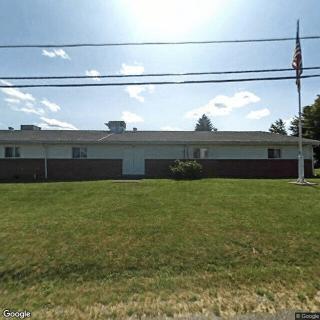
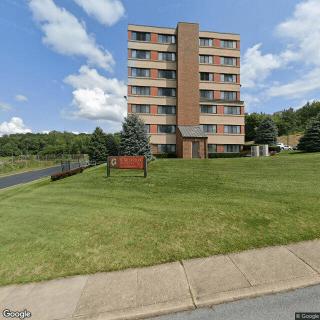
- Staff are spread thin between two buildings.
- The residents’ concerns have fallen on deaf ears.
- The price is high.
- The building and rooms look good, but that’s deceiving.
- The testimonials on the home page are not recent.
Review
Mahoning Riverside Manor in Punxsutawney is best suited for seniors who can supervise daily logistics with support from family or trusted outside caregivers, and who prize a clean, updated-looking facility over a packed program of activities or consistently strong on-site care. The space itself can feel inviting, and rooms and common areas present well upon first impression. This is not a community built for residents with high care needs or for families who demand steady, responsive care and robust social programming. Those requirements, reliable meals, meaningful activities, and quick staff responsiveness, are where the gaps become decisive.
Those who should seriously consider alternatives are families seeking dependable day-to-day care, nutrition, and engagement for a resident who cannot function independently without strong oversight. If a tightly managed menu, regular social opportunities, and staff who are readily available to respond to concerns are nonnegotiable, this property warrants caution. The value proposition hinges on appearance and perceived comfort, not on a proven track record of consistent care or lively, structured activity calendars.
The prevailing pros, an aesthetically pleasing building and comfortable rooms, do little to offset the dominant cons. The recent sentiment from reviews describes a deterioration in care and programming, with inadequate healthy food and a lack of activities that leaves residents with little to do. Staff are described as spread thin across two buildings, which undermines day-to-day reliability and timely attention to residents’ concerns. In short, the polish of the space cannot compensate for reduced care quality, scarce programming, and a disconnect between leadership and resident needs. The price tag compounds the concern, making the overall value proposition harder to justify when essential services are lacking.
Operationally, two main frictions stand out: staffing and programming. A single location can already challenge consistent oversight, but when staff coverage is stretched across two buildings, the risk of missed meals, delayed responses, and unattended caregiving tasks increases markedly. Additionally, the loss of meaningful activities translates into social isolation and diminished quality of life for residents who once relied on structured engagement. When management or front-line teams fail to actively listen or address concerns, families are left guessing about what changes might be made and when. The housing quality remains appealing, yet without reliable care execution, the appeal fades for anyone needing steady support.
To navigate a decision here, focus on questions that reveal true day-to-day experience. Request specifics about staff-to-resident ratios during peak hours, the cadence of meal service, and the availability of activities, both planned and impromptu. Inquire about meal quality and menu variety, and what compromises might exist during staffing shortages. Ask to meet front-desk and care staff, observe a mealtime and a scheduled activity, and request recent maintenance reports to verify that ambient comfort is sustained. Seek clarity on how resident concerns are tracked and resolved, and whether there is a formal process for escalating issues to administration. These probes uncover whether the pleasant exterior translates into consistent, dependable care.
The bottom line is decisive: Mahoning Riverside Manor can serve as a transitional or supplementary option for those who can absorb limited programming and rely on family oversight, but it does not presently deliver the core experience that families typically seek in a preferred choice. If the decision hinges on stable meals, active daily engagement, and consistently attentive staff, it is prudent to keep exploring other communities with stronger care metrics and verifiable resident satisfaction. Where this property shines, the physical environment and initial impression, should be weighed against the critical realities of care, responsiveness, and value. When a family moves forward, it is wise to pilot expectations with clear milestones and to retain a plan B that prioritizes reliable daily support and meaningful activity.
 28 resident community capacity
 Assisted Living
 Beauty salon
 Cable or satellite TV
 Dining room
 Fully furnished
 Garden
 Housekeeping services
 Kitchenette
 Move-in coordination
 Outdoor space
 Restaurant-style dining
 Small library
 Telephone
 Wi-Fi/high-speed internet available
 24-hour call system
 Activities of daily living assistance
 Assistance with bathing
 Assistance with dressing
 Assistance with transfers
 Diabetes diet
 Medication management
 Mental wellness program
 Special dietary restrictions

 Assisted Living and Memory Care: Understanding Their Core Differences
 Beyond the Bingo Hall: 50+ Enriching Activities for Seniors in Assisted Living
 Understanding the Distinctions: Assisted Living and Memory Care Explained