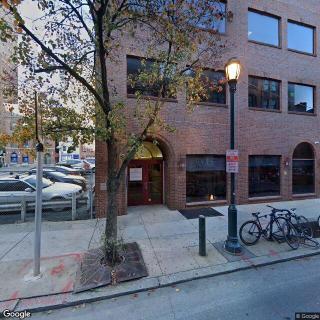
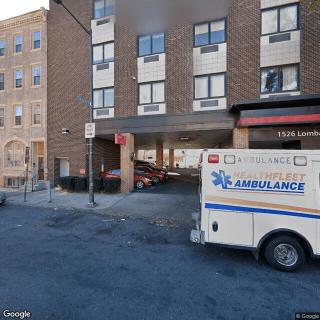
Women Of Hope in Philadelphia, PA

Information last verified:

1210 24 Lombard Street, Philadelphia, PA 19147

For more information about senior living options: (844) 490-3973

4.3 from 15 reviews
5 stars
11
4 stars
1
3 stars
1
2 stars
0
1 stars
2

Overall Review of Women Of Hope

Pros

  • pro They helped residents get apartments and build independence.
  • pro The program uplifts and supports women.
  • pro They provided shelter during a code blue emergency for a few days.
  • pro They offer comprehensive help, including job preparation, interview attire, cooking, cleaning, and computer skills.
  • pro The staff is peaceful and friendly, and the facility is very clean.
  • pro It provides a place of comfort and peace during transitions to permanent housing.

Cons

  • pro One reviewer mentions an alleged rule that you can’t be older than 25 to stay there, which they view negatively.
  • pro The reviewer implies that leaving a negative comment would be discouraged, suggesting a restrictive feedback environment.

Review

Women Of Hope is best suited for women in Philadelphia who are navigating a transition toward permanent housing and need a structured, supportive environment to rebuild practical life skills while securing a place to live. The program shines for those who want more than just a bed, people who value hands-on help with job preparation, daily routines, and the concrete steps that lead from temporary shelter to independent living. This community is clearly oriented toward action, with staff and peers alike focused on tangible outcomes such as housing placement, skill-building, and a smoother transition period.

The核心 strengths lie in a comprehensive wraparound approach. Residents repeatedly experience concrete wins: help securing an apartment, assistance with preparing for interviews, access to clothing for job searches, and guidance with cooking, cleaning, and basic computer skills. The impression conveyed by multiple participants is that the staff take a proactive, involved stance rather than offering only a place to stay. Notable team members, recognized by residents, include Cecelia, Terry, and Kathy, whose hands-on support becomes a defining feature of the experience. Cleanliness and a calm, welcoming atmosphere further reinforce the sense of safety and normalcy during what can be a destabilizing period.

Beyond daily living support, the program earns value for its crisis-response capacity and transition-focused design. In emergencies, such as a code blue, the facility has provided temporary shelter, offering steadiness at moments of acute need. The environment is described as peaceful, conducive to reflection and planning, and deliberately oriented toward helping residents move from temporary arrangements into more permanent housing arrangements. For families weighing options, this emergency-readiness aspect is a practical safety net that makes the choice of this community more compelling, especially for those whose loved ones may be dealing with sudden housing loss or displacement.

Prospective residents should consider two notable caveats. One concern centers on a reported age constraint: some comments imply an upper age limit around 25, which could be a mismatch for older women seeking transitional housing. That potential constraint warrants direct verification with the program, since policies can evolve. Additionally, while the community excels at short- to mid-term stabilization and skill-building, it is not framed as a long-term independent-living solution or a setting for residents seeking male-inclusive or medically intensive care. For those who want a broader continuum of care, more isolation from group living, or extended autonomy without structured programming, alternatives may be worth examining.

When the positives align with the household’s goals, the pros sufficiently offset the main drawbacks. The combination of practical supports, housing placement assistance, job-readiness coaching, and everyday-life training, delivers outcomes that many families seek: a clear path to securing an apartment and establishing financial and personal independence. The peaceful, clean environment, coupled with responsive staff and a community that emphasizes uplift and stability, reduces the friction commonly associated with transitions to permanent housing. In short, for women in need of an effective bridge between crisis and independence, the upside is substantial and measurable.

For families evaluating options, Women Of Hope represents a focused, action-oriented transition program rather than a generic housing solution. It is a strong fit for those who want structured support, a reliable path to housing, and skills investment that translates into real employment opportunities. It is less suitable for those seeking long-term independence without programmatic guidance, or for individuals who require age-diverse or medically intensive settings. A prudent next step is a candid tour and direct discussion about current policies, including any age-related eligibility and the exact duration of stay. With clear expectations, this community can be a decisive catalyst toward lasting stability.

Features

Housing

  • 24 resident community capacity 24 resident community capacity

Types of Care

  • Assisted Living Assisted LivingAssisted living facilities provide crucial support and care for seniors who may need help with daily tasks such as medication management, bathing, and meal preparation. These communities offer a safe and comfortable environment where seniors can maintain their independence while receiving the assistance they need to thrive in their golden years.
  • Respite Care Respite CareRespite care provides temporary relief for caregivers, allowing them to recharge and attend to their own needs. It also gives seniors the opportunity to socialize, receive professional care, and experience a change of scenery, promoting overall well-being and reducing feelings of isolation.

Amenities

  • Beauty salon Beauty salonBeauty salons are important for seniors because they provide a space for them to feel pampered, socialize, and maintain their personal grooming and hygiene. Regular visits to a beauty salon can help boost seniors' self-esteem and overall well-being.
  • Cable or satellite TV Cable or satellite TVCable or satellite TV is important for seniors because it provides entertainment, news, and companionship, helping to combat loneliness and boredom. It also offers a wide range of programming options tailored to different interests and preferences.
  • Dining room Dining roomDining rooms are important for seniors as they provide a space for socialization, connection, and nutritious meals. They offer opportunities for residents to bond over shared meals, foster a sense of community, and promote healthy eating habits. Dining rooms also ensure that seniors have access to well-balanced meals tailored to their dietary needs and preferences.
  • Fully furnished Fully furnishedFully furnished senior living communities are important for seniors because they provide convenience, comfort, and a hassle-free moving experience. Seniors can easily settle into their new living space without the stress of having to buy and move furniture. This allows them to focus on enjoying their new home and community.
  • Garden GardenGardens are important for seniors as they provide a peaceful and therapeutic environment for relaxation, physical activity, and socialization. Being in nature has been shown to reduce stress, improve mood, and promote overall well-being. Gardens also offer opportunities for seniors to engage in gardening activities, which can improve mobility, flexibility, and cognitive function. Additionally, gardens create a sense of community and connection with others who share a passion for plants and outdoor spaces.
  • Housekeeping services Housekeeping servicesHousekeeping services are important for seniors because they help maintain a clean and safe living environment, promote independence, and reduce the risk of accidents or illnesses. Additionally, having assistance with household chores can alleviate physical strain and allow seniors to focus on other aspects of their well-being.
  • Kitchenette KitchenetteKitchenettes are important for seniors living in senior living communities because they provide the convenience and independence of being able to prepare simple meals and snacks in the comfort of their own living space. This can help promote a sense of autonomy and well-being for seniors, allowing them to maintain some level of control over their dietary choices and daily routines.
  • Move-in coordination Move-in coordinationMove-in coordination is important for seniors because it helps ease the transition into their new living environment. It ensures that all logistics, such as packing, organizing movers, and setting up utilities are taken care of, allowing seniors to focus on settling in and adjusting to their new home. Having a smooth move-in process can alleviate stress and anxiety, making the transition smoother and more enjoyable for seniors.
  • Outdoor space Outdoor spaceOutdoor spaces are important for seniors as they provide opportunities for physical activity, social interaction, exposure to natural light and fresh air, and a sense of connection to nature. Having access to outdoor spaces can improve overall well-being and quality of life for older adults living in senior communities.
  • Restaurant-style dining Restaurant-style diningRestaurant-style dining is important for seniors because it allows them to enjoy delicious, nutritious meals in a social and upscale setting. This enhances their dining experience, promotes healthy eating habits, and fosters socialization with fellow residents, ultimately contributing to their overall well-being and quality of life.
  • Small library Small librarySmall libraries are important for seniors as they provide access to a variety of reading materials, including books, newspapers, and magazines. This can help stimulate their minds, keep them engaged, and provide a sense of community through book clubs and other social activities. Additionally, reading has been shown to improve cognitive function and overall mental well-being in older adults.
  • Telephone TelephoneTelephones are important for seniors as they provide a lifeline for communication with loved ones, emergency services, and healthcare providers. They offer a sense of security and independence, enabling seniors to stay connected and access assistance when needed.
  • Wi-Fi/high-speed internet available Wi-Fi/high-speed internet availableWi-Fi/high-speed internet is important for seniors to stay connected with loved ones, access online resources, and participate in virtual activities to combat feelings of loneliness and isolation. It also allows them to easily manage healthcare needs, access entertainment, and engage in lifelong learning opportunities.

Transportation

  • Philadelphia International (7 miles away) Philadelphia International (7 miles away)

Care Services

  • 24-hour call system 24-hour call system24-hour call systems are important for seniors because they provide peace of mind and immediate assistance in case of emergencies. This technology ensures that help is always available, promoting safety and security for elderly individuals living alone or in assisted living facilities.
  • 24-hour supervision 24-hour supervision24-hour supervision is important for seniors to ensure their safety, well-being, and access to immediate assistance in case of emergencies or health issues. This constant support provides peace of mind for both seniors and their loved ones, allowing them to age in place with dignity and security.
  • Activities of daily living assistance Activities of daily living assistanceActivities of daily living assistance are important for seniors because they provide essential support with tasks such as eating, bathing, dressing, and mobility. This assistance helps seniors maintain their independence, dignity, and overall quality of life as they age.
  • Assistance with bathing Assistance with bathingAssistance with bathing is crucial for seniors as it helps maintain personal hygiene, prevents infections, and ensures their overall well-being and comfort. It also provides a sense of dignity and independence for seniors who may struggle with this task on their own.
  • Assistance with dressing Assistance with dressingAssistance with dressing is important for seniors because it helps maintain their independence, promotes personal hygiene, prevents accidents and injuries, and improves overall quality of life. This service ensures that seniors can continue to dress comfortably and confidently, despite any physical limitations they may have.
  • Assistance with transfers Assistance with transfersAssistance with transfers is crucial for seniors as it helps prevent falls and injuries, maintains their independence, and ensures they can safely navigate their living environment. It also provides peace of mind for both seniors and their loved ones.
  • Diabetes diet Diabetes dietA diabetes diet is crucial for seniors as it helps manage blood sugar levels, reduce risks of complications, and improve overall health and well-being. By following a balanced and nutritious diet tailored to their specific needs, seniors can better control their diabetes and enhance their quality of life.
  • Meal preparation and service Meal preparation and serviceMeal preparation and service are crucial for seniors as they may have limited mobility or energy to cook nutritious meals. Having access to healthy and convenient food options can ensure they are getting the proper nutrition needed to maintain their overall health and well-being.
  • Medication management Medication managementMedication management is crucial for seniors to ensure they are taking the right medications at the correct dosages and times. This helps prevent adverse drug interactions, reduces the risk of medication errors, and promotes overall health and well-being. Proactive management also allows for adjustments as needed based on changing health conditions or new prescriptions.
  • Mental wellness program Mental wellness programMental wellness programs are essential for seniors as they promote cognitive stimulation, emotional support, and social engagement. These programs help prevent isolation, depression, and cognitive decline, ultimately enhancing the overall quality of life for older adults.
  • Special dietary restrictions Special dietary restrictionsSpecial dietary restrictions are important for seniors because age-related changes in metabolism and health conditions can make it difficult for their bodies to process certain foods. By following a diet tailored to their specific needs, seniors can maintain their overall health and well-being, manage chronic conditions, and reduce the risk of complications such as malnutrition or food interactions with medications.

Dining

  • Diabetes diet Diabetes dietA diabetes diet is crucial for seniors as it helps manage blood sugar levels, reduce risks of complications, and improve overall health and well-being. By following a balanced and nutritious diet tailored to their specific needs, seniors can better control their diabetes and enhance their quality of life.
  • Special dietary restrictions Special dietary restrictionsSpecial dietary restrictions are important for seniors because age-related changes in metabolism and health conditions can make it difficult for their bodies to process certain foods. By following a diet tailored to their specific needs, seniors can maintain their overall health and well-being, manage chronic conditions, and reduce the risk of complications such as malnutrition or food interactions with medications.

Activities

  • Community-sponsored activities Community-sponsored activitiesCommunity-sponsored activities are important for seniors as they provide opportunities for social interaction, mental stimulation, and physical activity. These activities can help improve overall well-being, combat loneliness and isolation, and promote a sense of belonging and purpose among older adults.
  • Resident-run activities Resident-run activitiesResident-run activities are important for seniors as they encourage social interaction, creativity, and a sense of autonomy. These activities empower seniors to stay engaged and active in their community while fostering meaningful connections with their peers.
  • Scheduled daily activities Scheduled daily activitiesScheduled daily activities are important for seniors because they provide structure, socialization, mental stimulation, and physical activity. Engaging in regular activities can improve overall well-being and quality of life for seniors living in a community setting.

Description

Women Of Hope is an assisted living community located in Philadelphia, PA that specializes in providing respite care for older women. Our community offers a range of amenities to ensure the comfort and well-being of our residents. Each room is fully furnished and includes cable or satellite TV, telephone, and Wi-Fi/high-speed internet access.

Our dining room provides restaurant-style dining with delicious meals prepared by our skilled staff who can accommodate special dietary restrictions including diabetes diets. Housekeeping services are provided to ensure a clean and tidy living environment.

Residents can enjoy the beautiful outdoor space and garden where they can relax and socialize with other residents. We also have small library available for those who love to read.

Our caring staff is available 24 hours a day to provide supervision and assistance with activities of daily living such as bathing, dressing, and transfers. Medication management is also provided to ensure proper medication adherence.

At Women Of Hope, we understand the importance of mental wellness and offer a specialized program to support the emotional well-being of our residents.

In addition to our on-site amenities, we are conveniently located near several cafes, parks, pharmacies, physicians, restaurants, theaters, hospitals, and transportation options. This allows our residents easy access to various services and entertainment opportunities within the local area.

Come experience the warm and supportive environment at Women Of Hope where we strive to provide exceptional care for older women in need of respite care.

Nearby Places of Interest

Restaurants

  • Brauhaus Schmitz (0.1 miles)
  • Kalaya Thai Kitchen (0.2 miles)
  • Tabu Lounge & Sports Bar (0.4 miles)
  • U Bar (0.4 miles)
  • Independence Beer Garden (0.6 miles)
  • Geno's Steaks (0.6 miles)
  • Pat's King of Steaks (0.7 miles)

Pharmacies

  • CVS Pharmacy (0.2 miles)
  • Rite Aid (0.2 miles)
  • Walgreens (0.4 miles)
  • Rite Aid (0.6 miles)
  • CVS Pharmacy (0.6 miles)
  • CVS Pharmacy (0.6 miles)
  • CVS Pharmacy (0.8 miles)

Parks

  • Weccacoe Park (0.4 miles)
  • Independence National Historical Park (0.6 miles)
  • Christopher Columbus Park Dog Run (0.8 miles)
  • Penn's Landing (0.9 miles)
  • Franklin Square (0.9 miles)
  • Rittenhouse Square (1 miles)
  • Race Street Pier (1.1 miles)

Theaters

  • Landmark Theatres - Ritz Five (0.6 miles)

Transportation

  • Jefferson Station (0.6 miles)
  • 30th Street Station (1.6 miles)
  • SEPTA: MFL/TRL 30th Street Station (1.7 miles)
  • Septa Wayne Junction Station (5.5 miles)

Cafes

  • Elixr Coffee (0.7 miles)
  • La Colombe Torrefaction (1 miles)
  • La Colombe Coffee Roasters (2.3 miles)
  • ReAnimator Coffee (2.8 miles)
  • Panera Bread (5.3 miles)
  • Starbucks (5.4 miles)
  • Starbucks (5.4 miles)

Hospitals

  • The Pavilion (1.9 miles)
  • Cooper University Hospital (2.1 miles)
  • Veterans Administration Community Living Center (2.2 miles)
  • Philadelphia VA Medical Center (2.4 miles)
  • Episcopal Hospital (3.6 miles)
  • Temple University Hospital (4.3 miles)
  • St Christopher's Hospital for Children (4.7 miles)

Physicians

  • CHOP Buerger Center for Advanced Pediatric Care - Raymond G. Perelman Campus (2 miles)
  • Children's Hospital of Philadelphia (2 miles)

Frequently Asked Questions

Where is Women Of Hope?

Nearby Communities

  • Mekah Citywide Home Care

    Mekah Citywide Home Care

    Philadelphia, PA

    5 from 1 review
     

    pro Warm, courteous staff creating a compassionate environment.

  • Home Instead - Philadelphia,  PA

    Home Instead - Philadelphia, PA

    Philadelphia, PA


    pro Convenient access to parks, pharmacies, hospitals, dining, and transportation; welcoming community.

  • Traditions of America

    Traditions of America

    Philadelphia, PA

    4.6 from 14 reviews
     

    pro Excellent nearby amenities (parks, dining, healthcare).

  • Welcome To ProMedica Total Rehab+ (Philadelphia)

    Welcome To ProMedica Total Rehab+ (Philadelphia)

    Philadelphia, PA

    4.8 from 110 reviews
    $8,250 / month

    pro 24/7 supervision with a mental wellness program and on-site amenities.

  • Milton Developmental Services

    Milton Developmental Services

    Milton, PA

    1 from 1 review
     

    pro Comprehensive care with daily activities, diabetes-friendly dining, and transportation.

  • Alzheimer's Association Delaware Valley Chapt

    Alzheimer's Association Delaware Valley Chapt

    Philadelphia, PA

    4.7 from 7 reviews
    $3,999 to $8,627 / month

    pro Specialized Alzheimer's/dementia care with multiple room options.

  • Fountain View at Logan Square

    Fountain View at Logan Square

    Philadelphia, PA

    4.5 from 138 reviews
    $3,500 to $6,995 / month

    pro Vibrant community with diverse activities and a convenient Center City West location.

  • Abigail House For Nursing & Rehabilitation

    Abigail House For Nursing & Rehabilitation

    Camden, NJ

    4.5 from 107 reviews
    $2,034 / month

    pro Attentive staff with consistent personal care and rehab services.

  • Pewter Village at Collingswood

    Pewter Village at Collingswood

    Collingswood, NJ

    4.1 from 14 reviews
    $1,280 to $1,460 / month

    pro Friendly residents and responsive management; spacious apartments with assigned parking in a park-like setting.

Related Resources

  • assisted living insuranceAssisted Living Expenses and Long-Term Care Insurance: A Comprehensive Exploration

    The article discusses assisted living expenses, the importance of long-term care insurance in covering these costs, and various financing options, highlighting the need for careful policy review and early planning to address potential needs. It also clarifies common misconceptions about Medicare and private health insurance limitations regarding long-term care coverage.

  • how to pay for assisted livingSecuring Financial Support for Assisted Living: A Comprehensive Overview

    Assisted living facilities offer crucial support for older adults needing help with daily activities but come with varying and significant costs, which can be financed through personal savings, government assistance programs, long-term care insurance, and home equity options. Professional guidance from experts can aid families in navigating these financial complexities to establish a sustainable budgeting approach for assisted living services.

  • assisted living for seniors on social securitySocial Security Benefits and Assisted Living: Navigating Options Across the U.S.

    Assisted living costs often exceed Social Security benefits, necessitating a combination of funding sources like state aid and Medicaid. Understanding the interaction between Social Security programs and available financial support is essential for affording such care.