
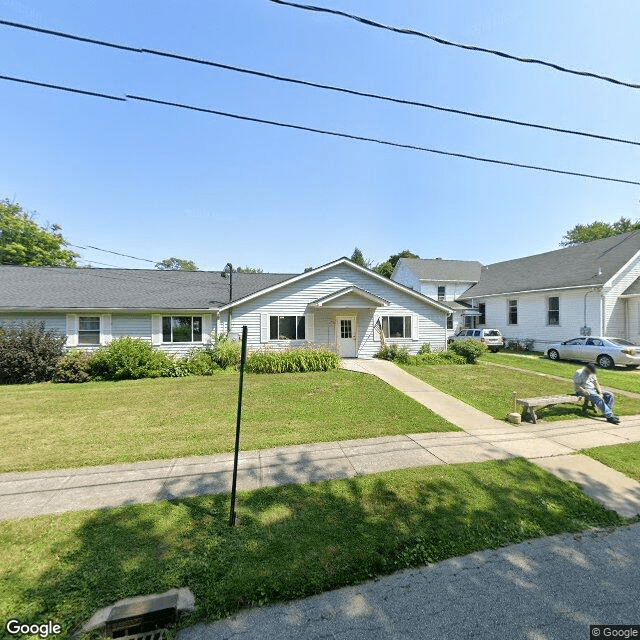
30 East Street, North East, PA 16428
For more information about senior living options: (866) 208-4318
Overall Review of Erickson S Heritage House
Cons
 The facility is infested with bed bugs and has been for six years.
- Residents sometimes do not receive their medications.
- Staff go through residents’ rooms without permission, leading to missing important papers.
- Heritage House is described as very bad and very expensive.
- Two residents share a room and each pay $1,200 for the room.
- The facility does not pay employees what they are worth.
- It is overall a really bad place.
- Bed bugs are in residents’ rooms, yet they must sleep on their beds.
- There is ongoing fighting between on-site staff and the owner’s son, audible to residents.
- The reviewer would not recommend putting a loved one in this facility, nor working there, unless someone wants bed bugs at home and to be underpaid.
Review
Erickson S Heritage House in North East, PA is a facility that, in practical terms, is best avoided by families prioritizing reliable care and a safe living environment. If a narrow audience must be identified, it would be households working against severe budget pressure with few alternatives and a willingness to tolerate ongoing safety risks in exchange for lower costs. Realistically, however, even this sliver of a market should approach with extreme caution, because the patterns described by multiple reviewers point to persistent, systemic quality problems rather than episodic issues.
Those considering care for loved ones should demand a higher baseline of safety and reliability. Families who require consistent medication administration, pest-free bedding, and a quiet, respectful environment should absolutely consider other options. Anyone who values staff reliability, transparent communication, and prompt response to concerns will find this community wanting. Prospective residents should assume the worst until proven otherwise and prepare a contingency plan if admission is pursued. For those with loved ones who cannot advocate vigorously on their own behalf, the risk calculus shifts decisively toward alternatives that offer better oversight, verified care protocols, and accountability.
Main cons are concrete and alarming. The site reportedly hosts bed bugs for years, a circumstance that exists long enough to undermine trust in basic cleanliness and resident dignity. Medication administration is described as inconsistent, with concerns about whether residents actually receive what they are prescribed. Staff behavior also raises red flags: investigators report intrusions into resident rooms while residents are away, with important papers going missing in the process. A former employee describes a culture of conflict, an owner’s son and a live-in staffer at odds with each other, heard by residents, eroding a sense of safety and privacy. Costs are onerous, with roommates sometimes charged steep per-room rates, and staff pay described as inadequate. Taken together, these elements create an environment that feels unstable and unsafe for everyday living.
No meaningful pros emerge from the available information; any perceived convenience is overshadowed by the fundamental failures. The pest issue alone makes the premise untenable for families that want a clean, healthy space for daily living. The medication lapses compound risk for seniors who depend on timely dosing, and the lack of staff professionalism undercuts trust in supervision and care. Higher costs without corresponding improvements in care quality seal the deal: the value proposition collapses when residents and their families must accept infestations, frequent disruptions, and a volatile care atmosphere.
Families evaluating options should demand concrete assurances before considering admission. Ask for current pest control status, treatment history, and third-party inspection records; verify who administers medications and what safeguards exist to prevent omissions; request copies of incident reports and family communication logs; interrogate staffing levels, turnover, and on-site supervision; review billing practices for room charges, discounts, and what happens if shared accommodations shift; tour during typical activity and shift changes to gauge responsiveness; speak with multiple residents about daily life, privacy, and respect; confirm emergency procedures, call systems, and medical oversight. If these questions reveal uncertainty or evasiveness, walk away. The prudent path prioritizes facilities with transparent governance, reliable medication administration, pest-free environments, and staff cohesion.
Bottom line: based on the available reviews, Erickson S Heritage House presents a risk profile that is incompatible with the expectations of most families seeking quality assisted living. The combination of pest infestation, medication inconsistencies, intrusive staff behavior, and a tense, underfunded atmosphere creates a low-value, high-risk option. Alternatives with documented pest control, consistent care routines, clearer accountability, and respectful, stable staffing should be pursued first. If entry is considered, it must be accompanied by strict oversight, explicit service agreements, and a solid exit plan to move quickly should conditions deteriorate further.
 36 resident community capacity
 Assisted Living
 Beauty salon
 Cable or satellite TV
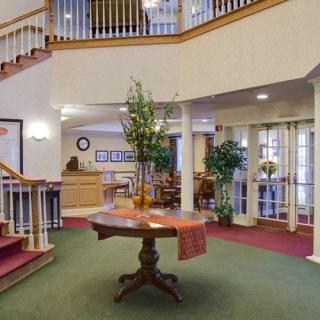
 Dining room
 Fully furnished
 Garden
 Housekeeping services
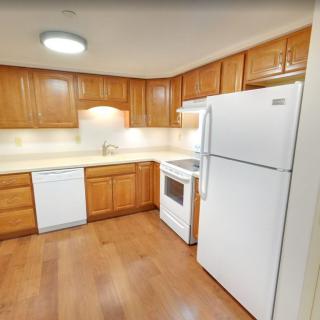
 Kitchenette
 Move-in coordination
 Outdoor space
 Restaurant-style dining
 Small library
 Telephone
 Wi-Fi/high-speed internet available
 Erie International (20 miles away)
 24-hour call system
 Activities of daily living assistance
 Assistance with bathing
 Assistance with dressing
 Assistance with transfers
 Diabetes diet
 Medication management
 Mental wellness program
 Special dietary restrictions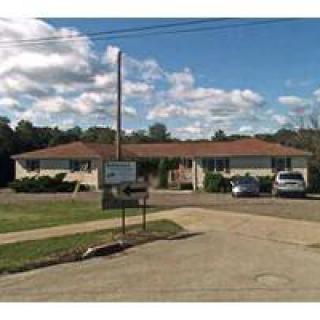
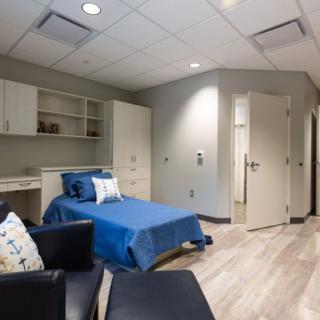
 Fully furnished facility with restaurant-style dining, diabetes-friendly options, 24-hour supervision, medication management, mental wellness activities, and outdoor spaces.



 Understanding the True Cost of Assisted Living in 2025: A Comprehensive Guide
 Understanding Medicaid Coverage for Assisted Living: A Comprehensive Guide
 How and When Medicaid May Cover Assisted Living Costs