For more information about senior living options: (866) 208-4318
4.4 from 65 reviews
5 stars
45
4 stars
12
3 stars
2
2 stars
2
1 stars
4
Moravian Hall Square CCRC Costs & Pricing
Moravian Hall Square CCRC offers a compelling value for those seeking senior living accommodations in Northampton County and the broader Pennsylvania region. With monthly costs starting at $1,600 for a studio, $2,000 for a one-bedroom unit, and $2,300 for a two-bedroom apartment, residents enjoy significant savings compared to the county averages of $3,398, $3,354, and $3,596 respectively. Even when compared to state averages - $3,737 for studios, $4,006 for one-bedroom units, and $4,242 for two-bedrooms - Moravian Hall Square presents an attractive alternative that combines affordability with quality care. This pricing structure not only emphasizes the community's commitment to providing reasonable living options but also reflects its mission to enhance the quality of life for its residents.
Floor plans
Moravian Hall Square CCRC
Northampton County
Pennsylvania
Studio
$1,600
$3,398
$3,737
1 Bedroom
$2,000
$3,354
$4,006
2 Bedrooms
$2,300
$3,596
$4,242
Overall Review of Moravian Hall Square CCRC
common8 reviews mention this
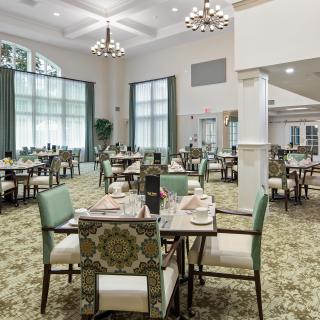
Dining is frequently praised
Residents consistently describe the food as excellent.
Food comes up again and again, with residents and family members calling out excellent meals. Several also describe having multiple on-site dining options, including specific cuisines they enjoyed. The community offers meals provided, aligning with the way reviews focus on day-to-day dining.
common8 reviews mention this
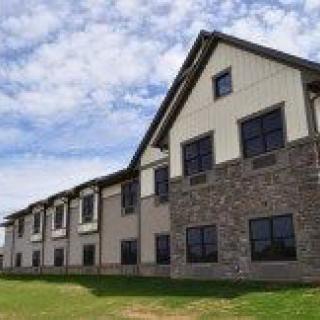
Clean, well-kept facility
Multiple reviews mention the building looks clean and maintained.
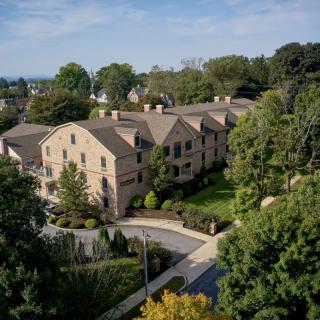
A steady theme is that the facility is kept clean and well maintained. Reviews describe meticulously maintained grounds, clean rooms, and quick fixes when something breaks. One reviewer also notes that appearances can be misleading in dementia care, which is a separate concern from day-to-day upkeep.
differentiator15 reviews mention this
Care includes nursing support
Reviews highlight nursing-style support for changing needs.
Residents and families mention strong hands-on support, including around-the-clock nursing assistance and help after falls or hospital stays. Others describe care transitions within the community, including moving into a more supportive level of care when needs increased. The community provides ambulatory care, diabetic care, and medication management, matching the way reviews talk about practical daily support and clinical follow-through.
caveat4 reviews mention this
Cost comes up as a drawback
Some families find the cost hard to justify.
While many reviews are strongly positive, pricing is still mentioned as a drawback. One reviewer references very high per-day costs shared during rehab, and another says the care “ain’t cheap.” A separate review also calls out that the cost of care is higher than other options in the area.
How we summarize
Counts show how many written reviews mention each theme; a review can touch several themes, and only frequently mentioned themes are displayed.
Features
Types of Care
Assisted Living
Independent Living
Memory Care
Pets
Cats allowed
Dogs allowed
Amenities
Activities on-site
Devotional services off-site
Indoor common areas
Transportation
Lehigh Valley International (9 miles away)
Care Services
Ambulatory care
Diabetic care
Medication management
Dining
Meals provided
Activities
Activities on-site
Devotional activities offsite
Nearby Places of Interest
Physicians
Nazareth Area Family Medicine Associates PC (0.4 miles)
Gracedale Nursing Home (1.2 miles)
Orthopedic Associates of the Greater Lehigh Valley (2.9 miles)
Shaymal Mozumdar, MD (2.9 miles)
Rossi Carla MD (2.9 miles)
Star Open Mri (3 miles)
Zheng Yong Tao MD (4.4 miles)
Restaurants
Rios Brazilian Steakhouse (0.4 miles)
Rita's Italian Ice (0.7 miles)
Nazareth Diner (0.8 miles)
Saladworks (2.3 miles)
Chick-Fil-A (2.8 miles)
Diner 248 (3 miles)
Town & Country Restaurant (4.4 miles)
Parks
Nazareth Borough Park (0.5 miles)
Mill Race Park (3.7 miles)
Penn Pump Park (4.3 miles)
Hugh Moore Park (6.6 miles)
Parking Garage (6.7 miles)
Scott Park (6.9 miles)
Lopatcong Park (7.5 miles)
Pharmacies
Rite Aid (0.8 miles)
CVS Pharmacy (0.9 miles)
Wegmans (2.5 miles)
Walmart Pharmacy (2.6 miles)
Palotx Weis Market 168 (3.9 miles)
Walgreens (5.2 miles)
CVS Pharmacy (5.5 miles)
Cafes
Starbucks (2.5 miles)
Starbucks (6.6 miles)
Threebirds Coffee (6.6 miles)
Hospitals
Emergency Room at Lehigh Valley Hospital–Hecktown Oaks (3.7 miles)
St Luke's Hospital - Anderson Campus (3.9 miles)
Maternity Ward (5.5 miles)
Easton Hospital Imaging Center (5.6 miles)
Coordinated Health (5.6 miles)
Warren Hospital (5.6 miles)
Lehigh Valley Health Network (6.5 miles)
Places of Worship
Good Shepherd Lutheran Church (5.5 miles)
Our Lady of Perpetual Help (5.9 miles)
Transportation
Trans Bridge Bus Stop - Lehigh Valley International Airport (8.8 miles)
Lehigh Valley International Airport (ABE) (8.9 miles)
Moravian Hall Square CCRC offers a compelling value for those seeking senior living accommodations in Northampton County and the broader Pennsylvania region. With monthly costs starting at $1,600 for a studio, $2,000 for a one-bedroom unit, and $2,300 for a two-bedroom apartment, residents enjoy significant savings compared to the county averages of $3,398, $3,354, and $3,596 respectively. Even when compared to state averages - $3,737 for studios, $4,006 for one-bedroom units, and $4,242 for two-bedrooms - Moravian Hall Square presents an attractive alternative that combines affordability with quality care. This pricing structure not only emphasizes the community's commitment to providing reasonable living options but also reflects its mission to enhance the quality of life for its residents.
Medication management at Moravian Hall Square CCRC is a critical feature that supports residents with dementia or Alzheimer's disease by ensuring they receive the correct medications at the appropriate times. This process includes regular assessments of medication regimens, allowing for adjustments based on individual needs and responses to treatment. Trained staff members closely monitor residents to prevent potential medication-related issues, such as overmedication or missed doses, which can exacerbate cognitive decline. Furthermore, the structured environment helps reduce any confusion regarding medication schedules, thereby fostering a sense of routine and stability for residents. By prioritizing medication management, Moravian Hall Square enhances overall well-being and quality of life for those living with memory impairments.
Dementia encompasses a range of cognitive impairments characterized by types such as Alzheimer's and vascular dementia, and follows a seven-stage progression model known as the Global Deterioration Scale (GDS), highlighting varying symptoms and decline timelines. Early detection allows for lifestyle adjustments to potentially slow progression, while caregivers need support and resources to manage the challenges involved in caring for affected individuals.
The guide on holistic dementia care outlines the complexity of dementia and stresses the need for individualized caregiver strategies that include medical treatment, psychological support, and environmental adaptations, while emphasizing early detection, various therapeutic options, and caregiver support to enhance quality of life and maintain dignity.
Activities of Daily Living (ADLs) are fundamental tasks vital for an individual's independence, particularly in older adults over 85, and include functions like bathing and dressing; assessing ADLs alongside Instrumental Activities of Daily Living (IADLs) helps determine the level of required assistance due to age-related health challenges. Tailored support plans, involving family and community resources, are essential for maintaining dignity and autonomy in assisted living environments.
Get PricingAsk A QuestionSchedule A TourContact Senior Advisor
By clicking submit, you agree to our Partner's Terms of Use. You
also consent to receive calls and texts, which may be autodialed, from our Partner. Your consent is not a condition to
using our Partner's service. Please visit our Partner's Privacy Policy for information about their privacy practices.

 Assisted Living
 Independent Living
 Memory Care
 Cats allowed
 Dogs allowed
 Activities on-site
 Devotional services off-site
 Indoor common areas
 Lehigh Valley International (9 miles away)
 Ambulatory care
 Diabetic care
 Medication management
 Meals provided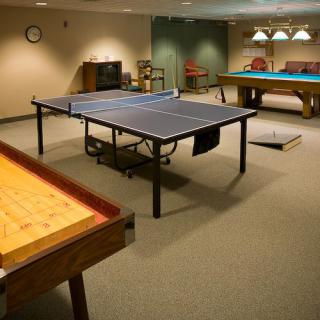
 Beautiful, well-maintained facility with caring staff and seamless care transitions.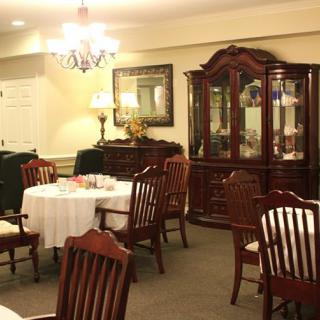


 Understanding Dementia Through Its Seven Stages: A Comprehensive Look at Progression and Expectations
 A Holistic Dementia Care Guide: Effective Strategies for Memory Support
 Comprehensive Insights into Activities of Daily Living (ADLs) and Their Assessment