

141 Unity Cemetary Road, Latrobe, PA 15650
To contact a resident: (724) 537-5694
For more information about senior living options: (866) 208-4318
Kelly S II Personal Care Home Costs & Pricing
Kelly S II Personal Care Home offers competitive pricing for its various room types when compared to both Westmoreland County and the broader Pennsylvania state averages. For those seeking a semi-private room, Kelly S II charges $2,400 per month, which is significantly lower than the county average of $2,955 and the state average of $3,542. Similarly, the cost for a studio at Kelly S II is set at $3,200, again making it more affordable than both Westmoreland County's average of $3,436 and Pennsylvania's average of $3,737. This pricing strategy positions Kelly S II as an attractive option for families looking for quality personal care that doesn't compromise on affordability.
| Floor plans | Kelly S II Personal Care Home | Westmoreland County | Pennsylvania |
|---|---|---|---|
| Semi-Private | $2,400 | $2,955 | $3,542 |
| Studio | $3,200 | $3,436 | $3,737 |
Memory care communities with a similar price nearby
-
About the same
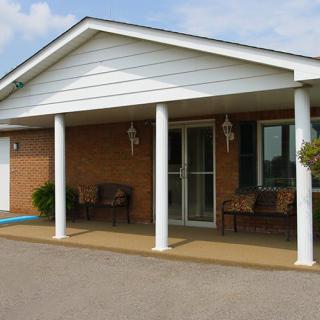
Mount Vernon of Elizabeth
$2,450 to $3,600 / month21.9 miles away -
from -$440 / mo
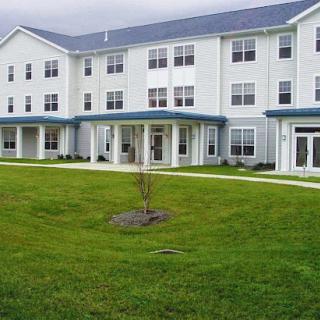
Redstone Highlands
$1,960 to $4,730 / month18.0 miles away -
from +$400 / mo
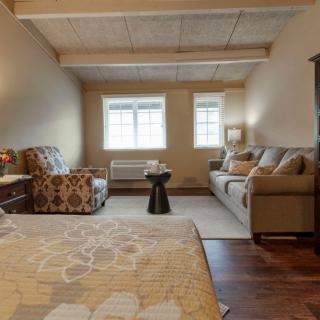
Waldens View of North Huntingdon
$2,800 to $3,910 / month13.7 miles away -
About the same

Walden's View Senior Living
$2,400 to $2,950 / month13.7 miles away -
from -$235 / mo
Redstone Highlands-Murrysville
$2,165 to $4,800 / month15.3 miles away
Overall Review of Kelly S II Personal Care Home
Pros
 They would highly recommend Country Cottage Personal Care Home in the Latrobe area for family members who need daily help.
- For those who can still drive and get around on their own, a home with private rooms may be more suitable.
Cons
 The smell of urine was awful throughout the house.
- It was a terrible place.
- They would never go back.
Review
Kelly S II Personal Care Home in Latrobe, PA is best suited for seniors who need daily assistance with activities of daily living and prefer a small, home-like setting over a large institutional environment. The limited but telling feedback suggests this niche fits residents who rely on regular help but do not yet require skilled nursing or hospital-level care. Families should be realistic about what “care in a home” means: steady, hands-on support in a cozy, intimate atmosphere, rather than a venue that promises extensive medical services or a high degree of privacy.
Those who may want to consider alternatives are residents who still prize independence or private, quiet living spaces. If the loved one can mostly manage mobility, drive, and personal routines, a setting with private rooms or a more autonomous feel could be preferable. The very idea of private accommodations in a Latrobe-area option matters to families who want to minimize disruption to personal living space, honor personal routines, or reduce exposure to shared-room dynamics. In short, independence-minded seniors and families seeking strong privacy protections should survey other choices with clearer private-room options and perhaps more robust odor-control and housekeeping standards.
On the upside, the core appeal of a small personal-care home lies in attentiveness and daily-help focus. In practice, the measured advantage is clear: residents receive hands-on assistance that can adapt to routine changes, with staff presumably within arm’s reach for tasks like bathing, dressing, medication prompts, and general supervision. This can translate into a calmer daily rhythm, more predictable staffing, and shorter wait times for help. When a facility nails these elements, the resulting sense of safety and personal connection can compensate for the lack of larger amenities. That potential remains the principal value proposition for families weighing daily-support needs in a Latrobe setting.
However, the dominant drawback raised in the available feedback is hard to ignore: a pervasive odor issue that encroaches on the home environment. Odor signals maintenance and cleanliness lapses, undermining resident dignity, comfort, and overall well-being. Such a problem isn’t a shrug-it-off detail; it affects mood, appetite, and the likelihood of residents engaging with activities or visitors. It also raises questions about housekeeping discipline, turn-over of spaces, and how quickly staff respond to sanitation concerns. In short, odor control stands as a decisive factor that can erode any perceived benefit from a personalized, small-care-home model unless addressed promptly and convincingly.
Given these realities, families should conduct a disciplined, eyes-wide tour of the community before deciding. Request a tour at different times of day to observe cleanliness, odors, and how staff interact with residents. Inquire about housekeeping schedules, resident room assignments, and how often bathrooms and common areas are cleaned. Probe staffing ratios, staff training, and the process for addressing complaints about odor or unsanitary conditions. If privacy and independent living are priorities, verify whether private rooms are available and whether the facility can accommodate a resident who may need more mobility support without compromising their sense of autonomy. And, importantly, seek references from current or former families to understand whether the daily-help routine remained reliable, and whether odor issues were resolved or managed over time.
The bottom line is practical and decision-oriented: Kelly S II Personal Care Home can serve as a viable option for seniors who genuinely require daily assistance and who value a close-knit, home-like setting. Yet the presence of strong negative feedback focused on cleanliness and odor cannot be dismissed. For families that cannot tolerate persistent odor or that place a premium on pristine hygienic standards and private accommodations, exploring alternatives is prudent. The right choice hinges on balancing the comfort of daily support with the non-negotiables of environment and dignity; if those non-negotiables lean toward spotless cleanliness and private space, a broader search may be warranted in the Latrobe area.
 Assisted Living
 Memory Care
 Activities off-site
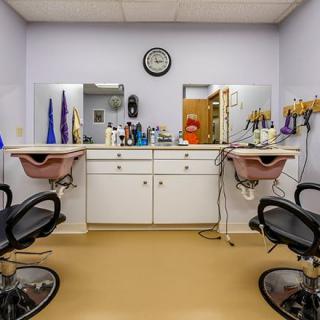
 Beautician on-site
 Indoor common areas
 Outdoor common areas
 Respite or short term stays offered
 Wheelchair accessible showers
 Ambulatory care
 High acuity care
 Incontinence care
 Meals provided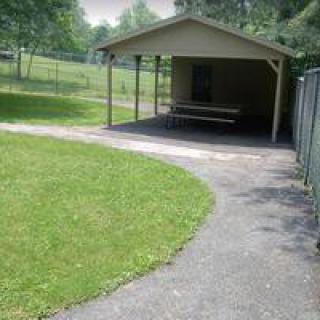


 Five Subtle Dementia Indicators to Observe: An In-Depth Guide to Understanding “Does My Mom Have Dementia?”
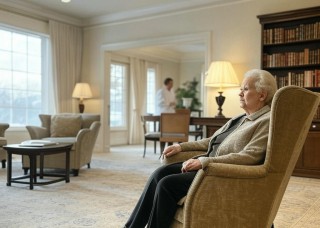 Dementia, Paranoia, and Caregiver Guidance: Understanding the Connection
 Engaging Memory Care Activities That Enhance Quality of Life