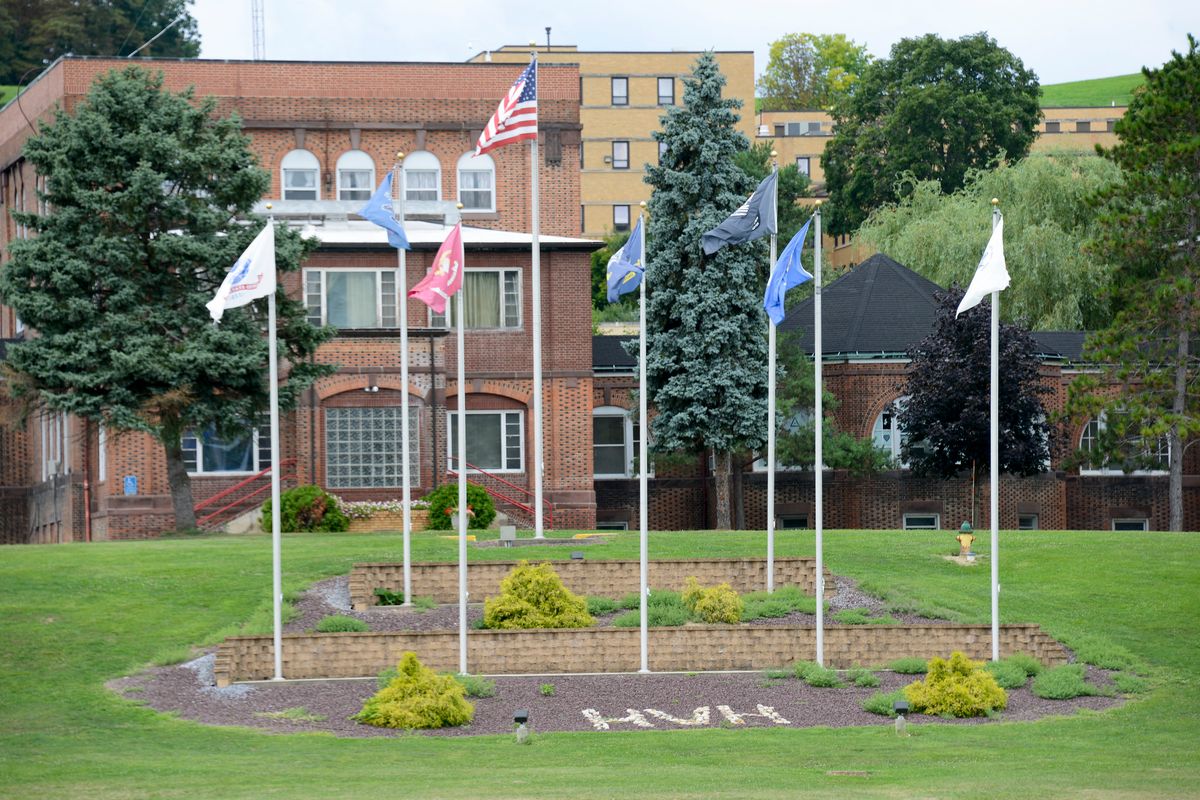
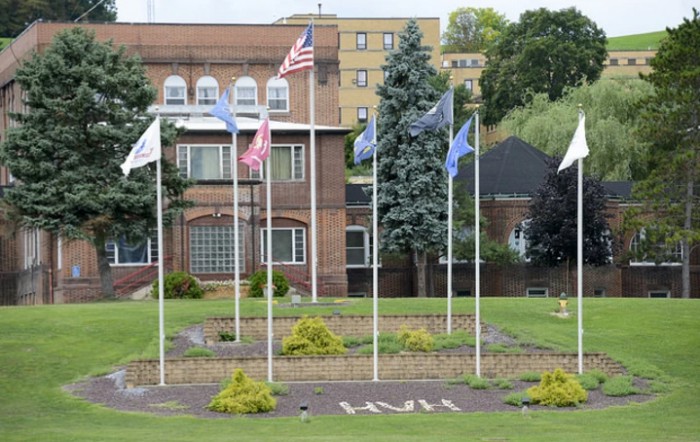




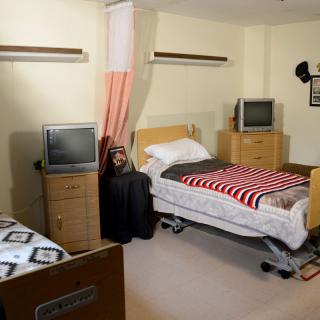
500 Municipal Drive P.O. Box 319, Hollidaysburg, PA 16648
For more information about senior living options: (866) 208-4318
Overall Review of Hollidaysburg Veterans Home
Pros
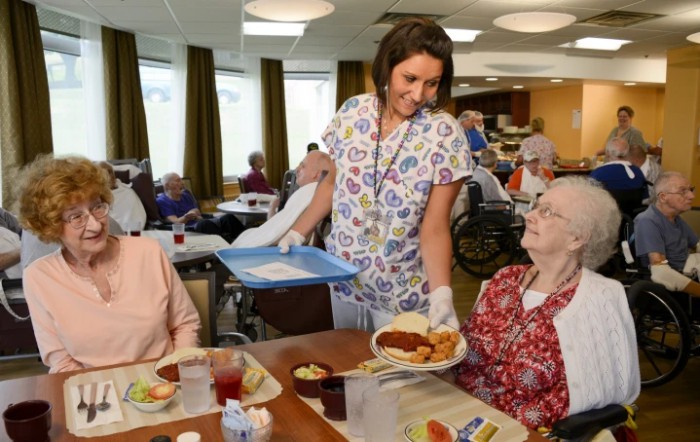
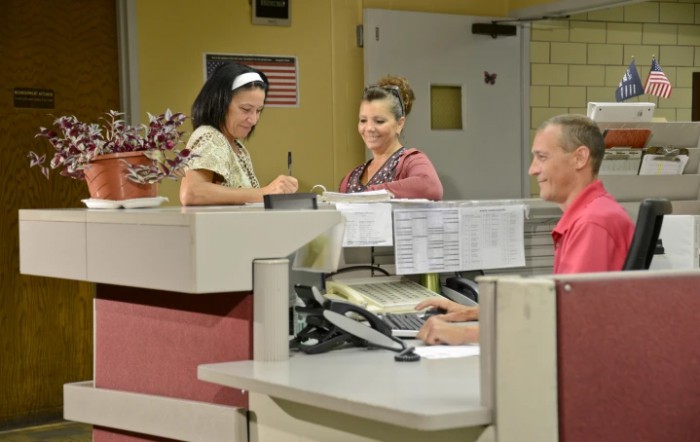
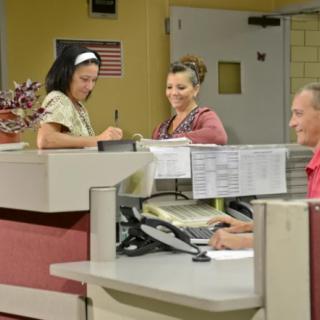
 The staff at Hollidaysburg Veterans Home are absolutely amazing, greeting visitors with smiles and going above and beyond to help residents' families.
- The caregivers actively care for residents, sitting with them, reading to them, laughing at their jokes, dancing with them in their wheelchairs, and treating them like family.
- The home celebrates life milestones with warmth, such as a 99th birthday celebration complete with a sash, signs, and balloons.
- Doctors, nurses, social workers, and other HVH employees work together like a family, welcoming veterans with respect.
- There is hope that Hollidaysburg Veterans Home will return to its former positive standards and continue to improve for those it serves.
Cons
 They describe poor health care and say residents are treated like a 7-year-old with brain damage.
- They recount harassment by the administration, including belongings being taken and locked in a shed for nearly a month.
- They state the commandant and their deputy only care about their jobs and will do anything to protect them.
- They note confinement during the pandemic and say staff care little about how residents feel.
- They claim the home deducts 80% of residents’ income (including VA disability, Social Security, and pensions) and charges at least $150 a month.
- They accuse the facility of using propaganda and lacking accountability, with management painting everything as “good” regardless of issues.
- They say the Ombudsman is not worth anything and grievances go unanswered.
- They observe a decline in living conditions and medical care under new administration, with threats of eviction for homeless veterans.
- They claim there is no camaraderie, friendship, understanding, or meaningful activities for residents.
Review
Hollidaysburg Veterans Home is best suited for veterans and families who prize a humane, personal environment where staff consistently treat residents with dignity and warmth. The core strength here lies in the day-to-day human connections: guards who greet with a smile, office staff who bend over backward to help, and direct-care teammates who sit with residents, read to them, laugh at their jokes, and engage in activities that honor their history and preferences. The culture feels like a small, veteran-friendly neighborhood where personal milestones are celebrated with real panache, one resident’s 99th birthday was marked with signs, balloons, and a sash declaring him “99 years young.” For families carrying the heavy emotional load of decline, that sense of belonging and respectful attention can be the deciding factor in favor of this community.
This is not the place for families seeking pristine medical systems, streamlined administration, or tight, crisis-ready clinical oversight. Several reviews describe inconsistent medical care, the absence of a permanent physician, and slow, sometimes frustrating access to needed services. The financial framework matters as well: residents report aggressive income-withholding policies, with as much as 80 percent of benefits redirected and a floor of approximately $150 monthly for those with lower incomes. For families prioritizing predictable clinical management, rapid problem resolution, and financial transparency, alternatives with clearer medical staffing and less aggressive revenue policies should be on the shortlist.
The strongest counterbalance to the drawbacks is the unmistakable devotion of the staff to residents’ dignity and happiness. When care teams connect on a personal level, sharing a Bible reading, dancing with a resident in a wheelchair, or engaging in familiar routines, the daily experience can feel profoundly meaningful. The atmosphere is not clinical sterility but a lived sense of community, where a resident can still feel known and valued. For veterans who want to retain a sense of identity and belonging, where the human touch matters as much as medical routines, these strengths can translate into a higher quality of life than many facilities offer.
The principal concerns are hard for families to overlook: the perception of inconsistent medical leadership, the potential for administrative friction, and the financial mechanics that drain a resident’s income. Reports of harassment by leadership, instances of items taken or delayed returns of personal belongings, and the sense that residents may face eviction or harsh treatment when needs rise create ongoing tension. Such dynamics can undermine trust and escalate stress for both residents and families, especially when the administration is described as protective of its own position rather than genuinely resident-centered. These factors can erode the comfort that the strongest social atmosphere creates.
Practically, decisions should hinge on medical needs, financial realities, and tolerance for administrative risk. Prospective families should insist on a current, stable medical arrangement, confirm the presence of a permanent physician, clarity on who handles specialty needs, and transparent timelines for services. Draw up a precise understanding of the financial policy, including how income is calculated, what must be paid, and whether exceptions exist for pension or VA-related benefits. Seek a candid tour and ask to meet the medical director, administrative leadership, and a resident council representative to gauge responsiveness. If possible, compare with other VA-administered facilities or private nursing homes with proven clinical continuity and clearer grievance channels.
In the end, Hollidaysburg Veterans Home stands out for veterans who value a sincere, community-centered living experience where dignity is preserved through everyday acts of kindness. It becomes the recommended choice for families willing to accept some medical and administrative imperfections in exchange for a culture of respect, personal attention, and meaningful social engagement. For those whose priority is consistent clinical care, rapid service access, or a more transparent financial framework, exploring alternatives is prudent. The right decision hinges on balancing the heart of the community, compassion and connection, with the realities of medical oversight and financial structure.
 167 resident community capacity
 Assisted Living
 Respite Care
 Air-conditioning
 Beauty salon
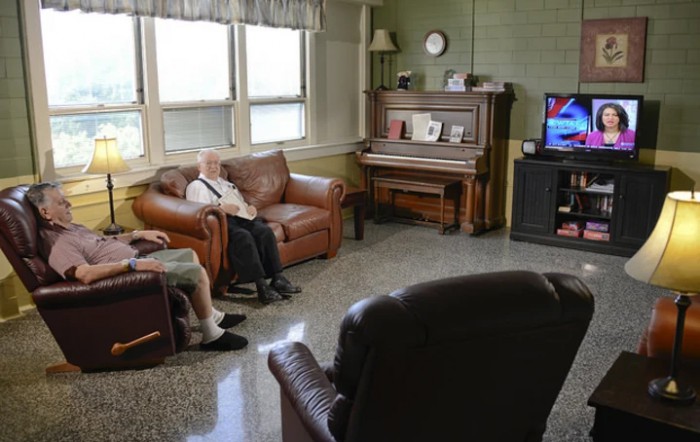
 Cable or satellite TV
 Computer center
 Dining room
 Fitness room
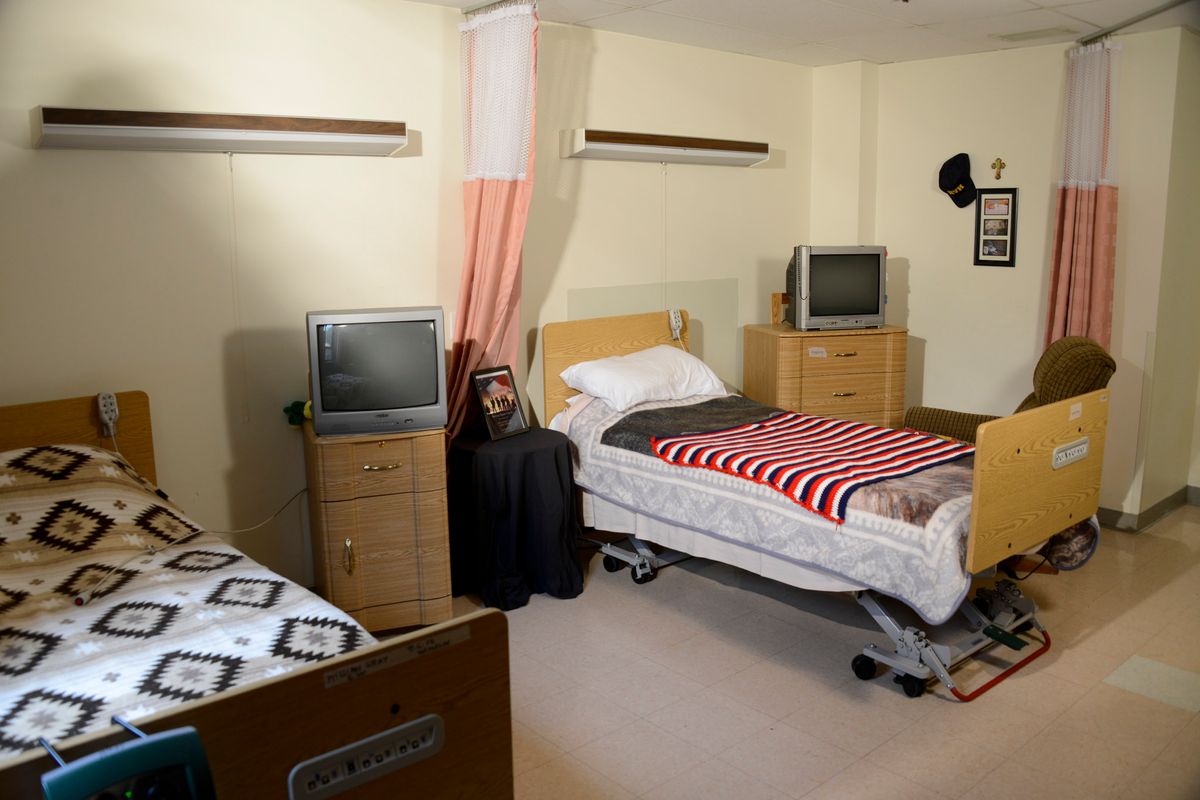
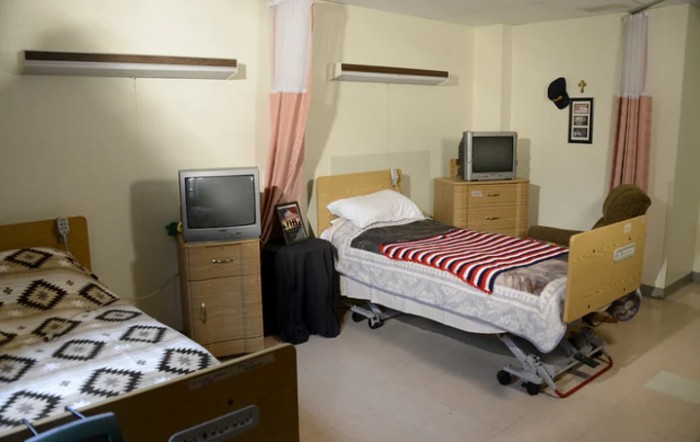
 Fully furnished
 Gaming room
 Garden
 Housekeeping services
 Kitchenette
 Move-in coordination
 Outdoor space
 Private bathrooms
 Restaurant-style dining
 Small library
 Telephone
 Wellness center
 Wi-Fi/high-speed internet available
 Community operated transportation
 12-16 hour nursing
 24-hour call system
 Activities of daily living assistance
 Assistance with bathing
 Assistance with dressing
 Assistance with transfers
 Diabetes diet
 Medication management
 Mental wellness program
 Special dietary restrictions
 Concierge services
 Planned day trips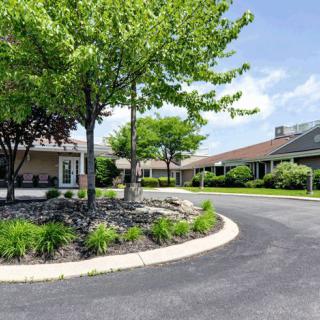



 Comprehensive Supportive Living Arrangements for Adults with Disabilities
 Funding and Affording Assisted Living: A Thorough Overview
 Assisted Living Expenses and Long-Term Care Insurance: A Comprehensive Exploration