
2256 Shanks Church Road, Greencastle, PA 17225
For more information about senior living options: (866) 208-4318
Overall Review of Heritage Hills Retirement Community
Pros
 The facility is described as a “home away from home” for residents and their families.
- It provides supportive medical care while residents continue living together.
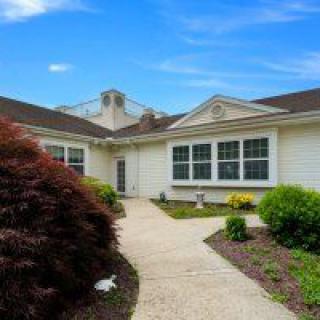
- The new addition features spacious rooms with condominium-style living, private baths, and kitchenettes.
- 24-hour care providers on duty genuinely care for residents as if they were their own parents.
- Resident activities, community involvement, and a faith-based foundation enrich the experience.
- Hospitality, compassion, a welcoming attitude, and trustworthiness are evident in the staff.
- There are no concerns about the care or atmosphere experienced by residents.
Review
Heritage Hills Retirement Community in Greencastle, PA is best suited for couples who want to stay together while receiving ongoing supportive care, and for seniors who prize a warm, faith-guided, community-focused environment. The property’s new addition delivers condo-style living with private baths and kitchenettes, making it possible for partners to maintain a shared life even as health needs grow. Residents benefit from spacious accommodations that feel like home rather than a traditional facility, paired with a robust slate of activities, meaningful community involvement, and a faith-based foundation that provides rhythm and reassurance. This combination makes Heritage Hills an especially compelling fit for those who fear isolation as care escalates and who value daily opportunities to connect, worship, or give back within a familiar setting.
Those who should consider alternatives are clear to notice: individuals seeking purely independent living with minimal or no hands-on care, or families prioritizing secular programming and non-religious routines, will likely find Heritage Hills too structured or aligned with a faith-oriented community. Similarly, residents who require highly specialized medical services or access to hospital-level resources beyond what this community routinely provides may want to explore options that emphasize more extensive on-site clinical capabilities. Finally, some families may prefer a more urban environment with different cultural amenities; for them, a rural Pennsylvania setting and the accompanying pace may feel limiting.
The most persuasive pros, the 24-hour care presence, genuinely caring staff, and the home-like atmosphere, strongly offset potential concerns about losing independence. The care team is described as attentive and devoted, treating residents with the warmth and respect that makes daily routines feel manageable rather than burdensome. The addition’s design supports private, condo-style living, which preserves dignity and autonomy through private baths and kitchenettes. When care needs rise, the safety net of continuous staffing helps reassure families that assistance is readily available. The social fabric, organized activities, community involvement, and a faith-based framework, helps stave off loneliness and creates purposeful days, a critical offset to the emotional strain that often accompanies aging and health changes.
Equally important are the tangible traits that influence day-to-day decisions. The facility appears to execute with a level of hospitality and trust that translates into consistent, dependable experiences. Families report no notable concerns about care quality or atmosphere, and staff enthusiasm is repeatedly highlighted as a distinguishing strength. This combination, reliable care paired with a welcoming, spiritually anchored environment, reduces the fear of inappropriate neglect or disengagement that can accompany longer-term living arrangements. For families prioritizing continuity of relationships (staff know residents by name and remember life stories), Heritage Hills delivers in a way that imparts peace of mind alongside practical support.
From a practical planning perspective, Heritage Hills positions itself well for residents who value integrated living: the added space in the new wing, private kitchenettes for independent meals, and the sense of residence rather than residency all contribute to a smoother transition once care needs intensify. The presence of 24/7 caregivers on site means daily routines, meals, medication, mobility assistance, and transportation arrangements, are more controllable and predictable. The faith-based programming, while a strength for many, may tip the balance toward choosing this community for those who want shared values and regular religious or spiritual activities as anchors in daily life.
In deciding whether Heritage Hills is the right move, families should measure the importance of staying together, receiving compassionate, around-the-clock care, and participating in a faith-informed community against preferences for secular programming or more intensive medical infrastructure. For couples who want to preserve partnership, embrace a warm, supportive culture, and live in a dignified, apartment-like setting, Heritage Hills stands out as a strong, practical choice. Those who prioritize secular routines, broader hospital-grade amenities, or a faster-paced urban environment should explore alternatives with a clearer alignment to those priorities.
 36 resident community capacity
 Assisted Living
 Beauty salon
 Cable or satellite TV
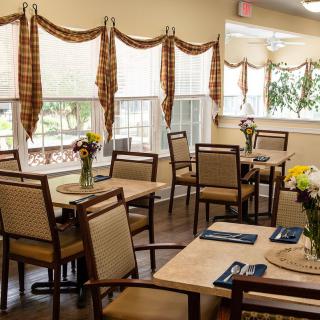
 Dining room
 Fully furnished
 Garden
 Housekeeping services
 Kitchenette
 Move-in coordination
 Outdoor space
 Restaurant-style dining
 Small library
 Telephone
 Wi-Fi/high-speed internet available
 24-hour call system
 Activities of daily living assistance
 Assistance with bathing
 Assistance with dressing
 Assistance with transfers
 Diabetes diet
 Medication management
 Mental wellness program
 Special dietary restrictions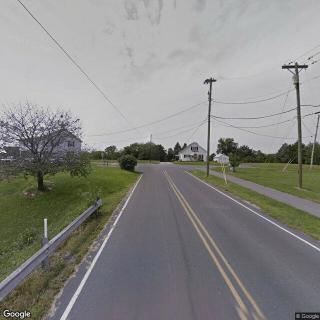


 8 Key Indicators That Suggest It May Be Time to Transition from Assisted Living to Skilled Nursing Care
 Vibrant Senior Living: A Comprehensive Guide for Active Older Adults
 When to Transition from Assisted Living to Memory Care: Key Indicators, Steps, and Finding the Right Community