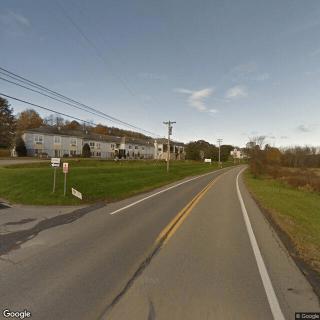
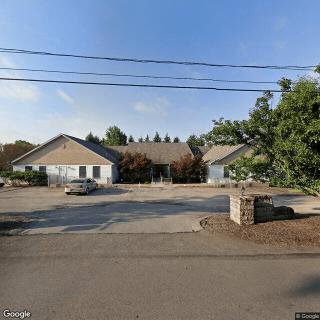
6005 Valencia Road, Gibsonia, PA 15044
For more information about senior living options: (866) 208-4318
Overall Review of The Arbors At St. Barnabas III
Pros
 The staff around The Arbors III are wonderful and friendly.
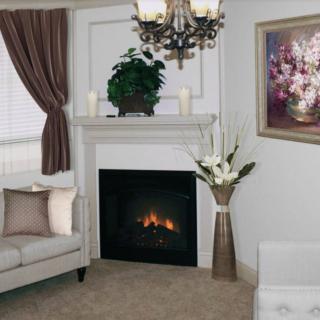
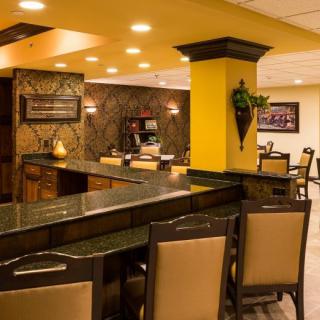
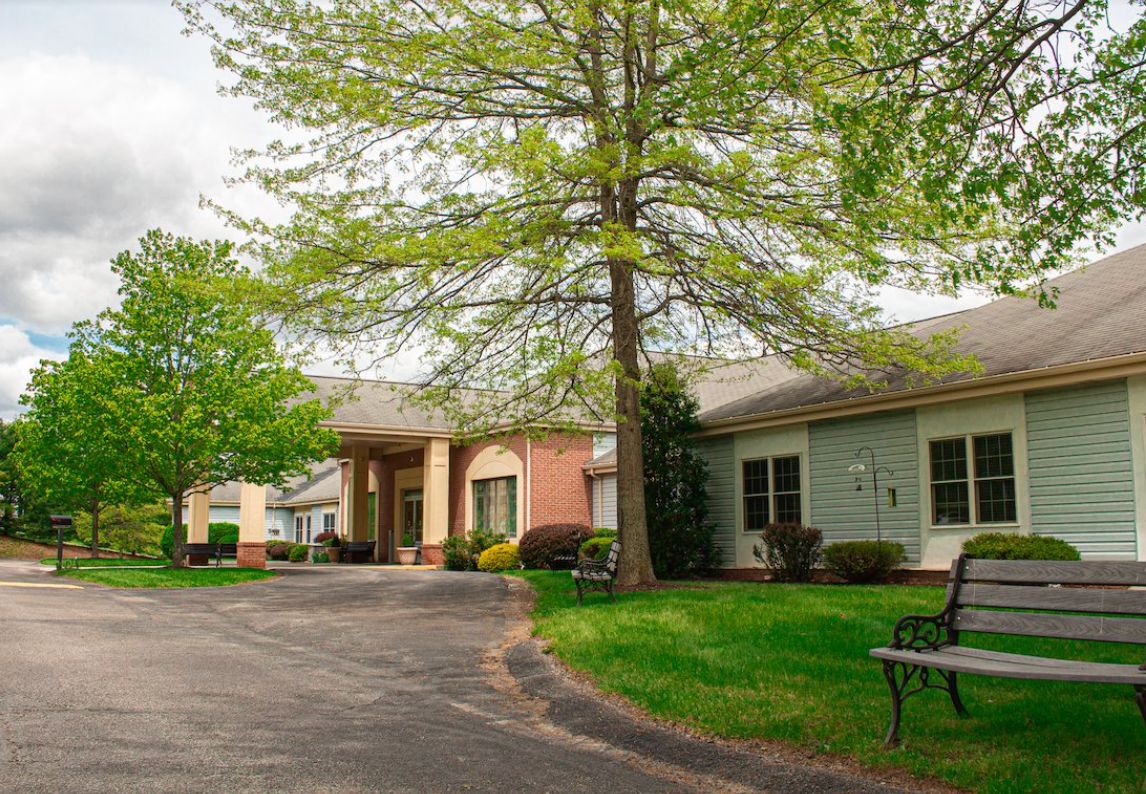
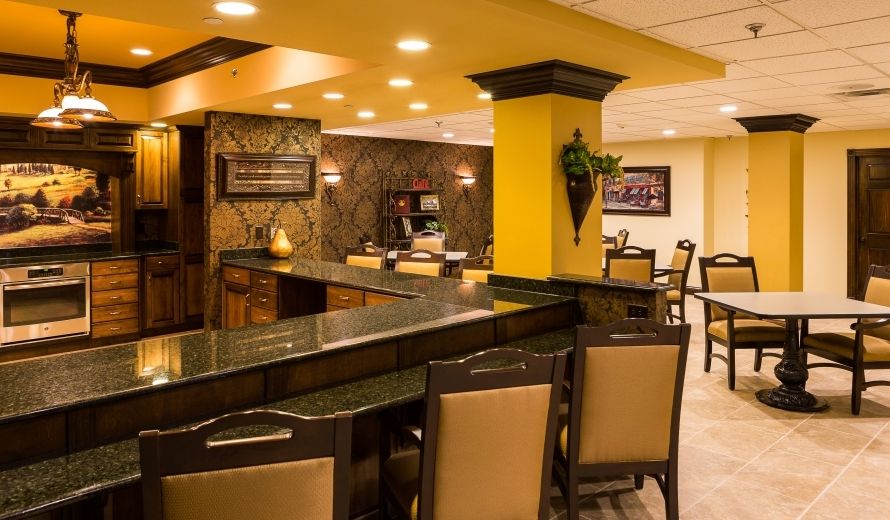
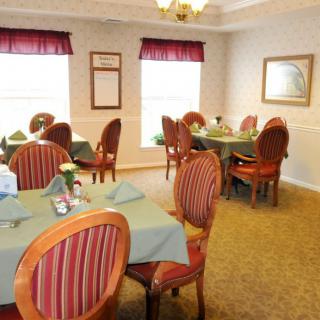
- The facility is beautiful, with gorgeous dining facilities for assisted living.
- The assisted living portion is wonderful and offers a continuum of care.
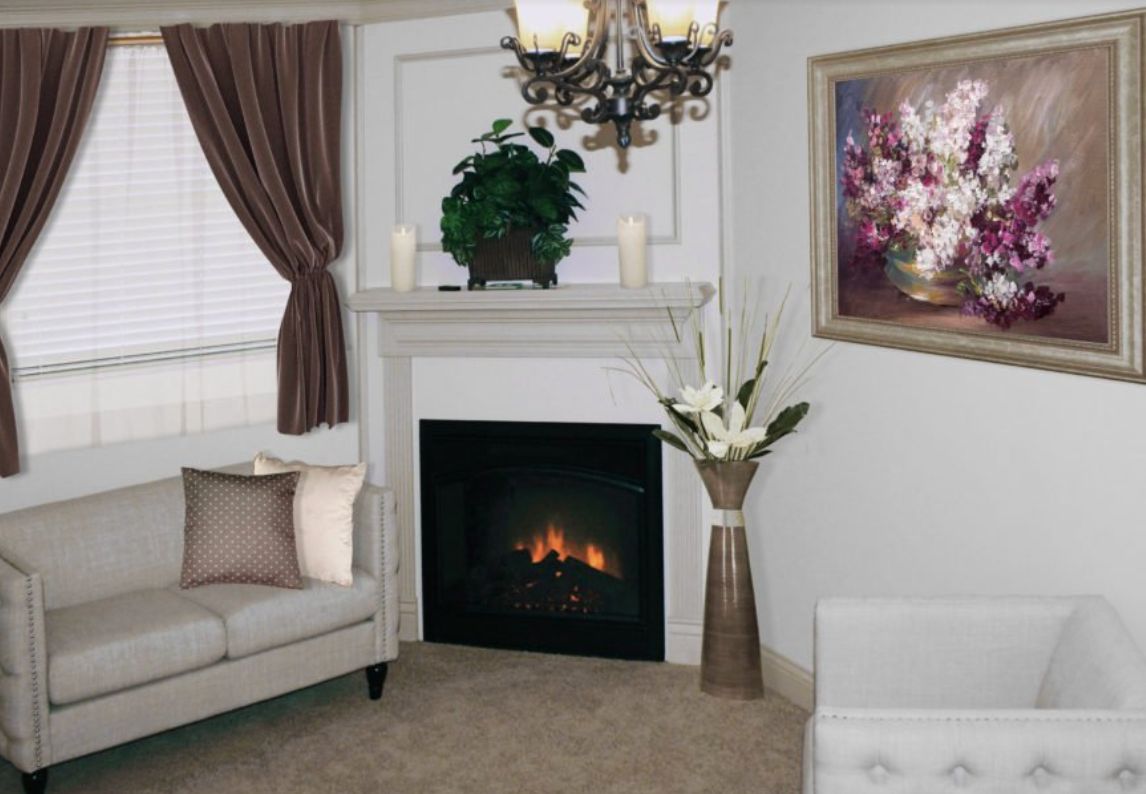
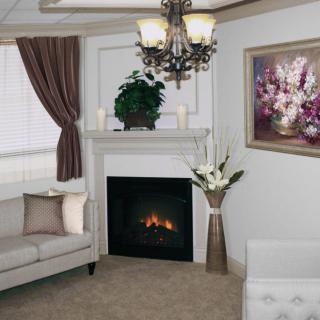
- The living areas are divided into small groups, creating a home-like atmosphere.
- The owners and staff treat residents like family and ensure their safety and well-being.
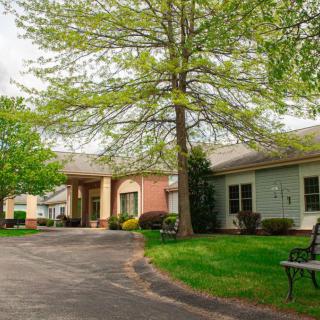
- The property is peaceful and away from traffic.
Cons
 The tour guide did not know the residents' names.
- The memory care residents were kept completely isolated from everyone else.
- It did not feel like a good setting for memory care.
- The Arbors III is more expensive than other places.
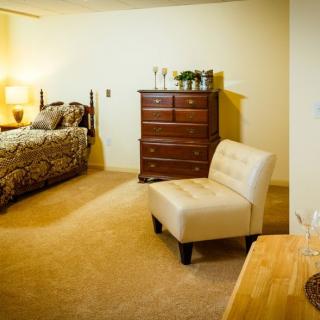
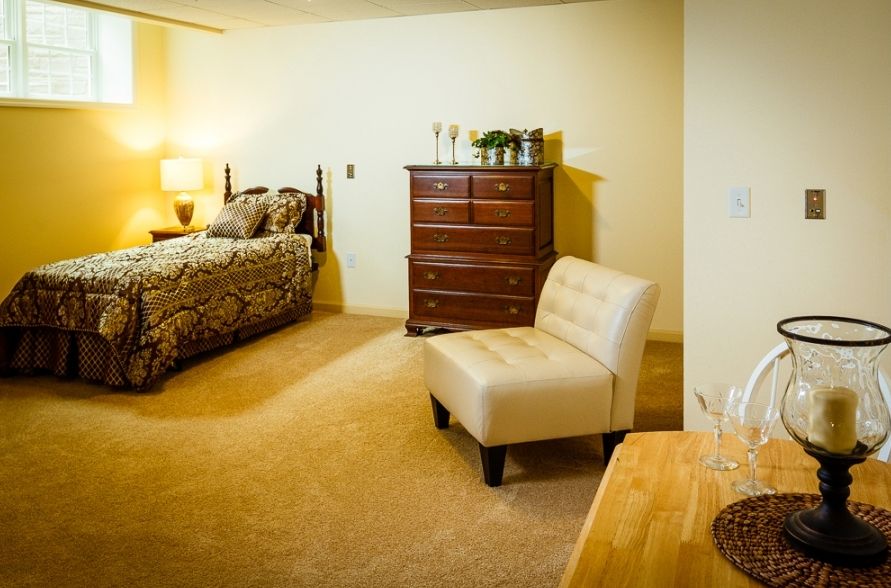
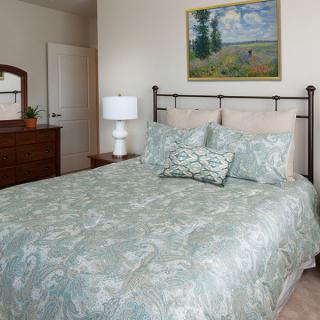
- The rooms seemed a little small.
Review
The Arbors At St. Barnabas III is best suited for families seeking a true continuum of care in a quiet, home-like setting. This campus works well for seniors who may need to transition from assisted living into memory care or skilled nursing without moving campuses, thanks to on-site rehab, a nursing home, and extended care options. The small-group living model, neighborhoods with roughly 15-16 residents, supports aown sense of familiarity and predictable routines, while private one-bedroom layouts with living areas, a kitchenette, and in-unit laundry help residents maintain independence. The location’s peaceful, traffic-free surroundings further reinforce a calm daily rhythm and ease of supervision, which many families value during the caregiving journey.
That said, this isn’t the right fit for every family. If memory care requires a fully integrated, central programming model rather than a separate wing, alternatives should be explored. The memory-care unit is housed in a locked wing kept separate from the main assisted-living areas, which can feel isolating for residents and families seeking a more communal, campus-wide experience. The combination of a higher overall price and relatively compact room sizes may also nudge budget-conscious families toward other options. Prospective residents should test whether the care model and campus flow align with long-term needs and preferences.
The strongest positives here are the continuum of care and the home-like, intimate environment. The ability to smoothly shift between levels of care without a disruptive move is a major peace-of-mind factor for families facing dementia or post-hospital recovery. Staff tend to be attentive and respectful, and dining experiences in the assisted-living spaces are described as attractive and well executed. Activities are varied and engaging, music, baking, crafts, and a library help sustain routine, meaningful engagement. The cons, chiefly the higher price and the segregated memory wing, are real, but many families find the trade-off worthwhile when continuity of care and a gentle pace are the top priorities.
Another meaningful strength is the culture around family involvement. Several accounts describe staff who communicate proactively, share care updates, and treat residents with dignity and kindness. The physical design reinforces a homier feel: private rooms, small neighborhoods, and spaces that foster social interaction without the bustle of larger communities. The setting, quiet and family-friendly, adds to a sense of safety and ritual that can be hard to replicate. The flip side is that memory-care residents may experience less spontaneous convergence with the broader campus community, which can blunt opportunities for peer-to-peer engagement. Weigh whether ongoing, broad-campus interaction matters highly to you and your loved one.
For families navigating the decision, a practical, methodical approach helps separate fit from fantasy. During tours, observe how staff interact with residents and whether they seem familiar with individual names and preferences. Ask about continuity of care: how smoothly transitions occur if dementia progresses or if rehab needs emerge. Request sample menus, activity calendars, and an outline of outings or guest events. Inquire about current occupancy, staff tenure, and what is included in monthly fees to avoid hidden charges. Compare total cost against the level of care provided and verify what is truly covered, ensuring the financial picture aligns with anticipated needs and lifestyle expectations.
Overall, The Arbors At St. Barnabas III stands out for families seeking a thoughtfully designed continuum of care delivered in a serene, home-like setting with genuine attention to resident dignity and activity. It excels for those prioritizing on-site rehab and long-term care transitions, with the small-group structure and solid staff rapport delivering meaningful value that can offset the higher cost. For families desiring highly integrated memory-care programming within a more bustling environment or aiming for a lower price point, it is prudent to evaluate alternatives. The decisive move should hinge on whether this campus’ phased, family-centered approach aligns with the resident’s personality, care needs, and budget.
 85 resident community capacity
 Assisted Living
 Respite Care
 Air-conditioning
 Beauty salon
 Cable or satellite TV
 Computer center
 Dining room
 Fitness room
 Fully furnished
 Gaming room
 Garden
 Housekeeping services
 Kitchenette
 Move-in coordination
 Outdoor space
 Private bathrooms
 Resident parking
 Restaurant-style dining
 Security gate
 Small library
 Telephone
 Wellness center
 Wi-Fi/high-speed internet available
 Pittsburgh International (18 miles away)
 Community operated transportation
 12-16 hour nursing
 24-hour call system
 Activities of daily living assistance
 Assistance with bathing
 Assistance with dressing
 Assistance with transfers
 Diabetes diet
 Medication management
 Mental wellness program
 Special dietary restrictions
 Concierge services
 Planned day trips

 Exploring the Contrasts Between Assisted Living and Skilled Nursing
 8 Key Indicators That Suggest It May Be Time to Transition from Assisted Living to Skilled Nursing Care
 Vibrant Senior Living: A Comprehensive Guide for Active Older Adults