For more information about senior living options: (866) 208-4318
4.2 from 75 reviews
5 stars
57
4 stars
5
3 stars
0
2 stars
0
1 stars
13
Overall Review of Abington Manor At Morgan Hill Memory Care Village
differentiator3 reviews mention this
Memory care feels secure
Residents’ families describe the memory care setting as safe and protective.
Families highlight safety and comfort in the memory care unit, including confidence that their loved one was well taken care of. One resident transition included frequent overnight checks to manage personal needs, and another reviewer emphasized peace of mind about daily supervision. Residents and families also describe support as dementia progressed, with staff helping during hospice and end-of-life care.
common4 reviews mention this
Activities keep residents engaged
Daily activities are a consistent part of the experience for residents.
Multiple reviews mention organized programming that keeps residents involved rather than spending the day alone. Families describe a mix of activities, including arts and crafts, games, music, and outings, with staff supporting residents’ participation. A reviewer also notes residents have choices and autonomy in how they join activities.
common4 reviews mention this
Clean facility and well-kept rooms
Reviewers repeatedly mention a clean, well-maintained facility.
Cleanliness comes up often, with reviewers pointing to everyday room cleaning, laundry management, and a facility that feels freshly maintained. Several families say their loved one’s environment looked neat and comfortable during visits. One negative review also disputes this, describing inadequate room cleaning and hygiene needs.
common2 reviews mention this
Dining earns frequent praise
Meals are repeatedly described as a strong point.
Some families specifically call out the food quality, saying it is delicious and something their loved one enjoyed. Another review mentions the dining room experience and highlights meals and desserts served throughout the day, alongside diet-related support for specific needs.
common3 reviews mention this
Responsive communication matters
Families appreciate prompt, supportive communication from staff.
Reviews emphasize that the front desk and nursing communication help families feel reassured, including frequent updates and easy access when questions come up. One reviewer highlights a staff member who was responsive and handled concerns quickly. Another describes an open-door approach and regular follow-through on care-related information.
caveat4 reviews mention this
Mixed experiences with care consistency
A subset of reviewers report serious concerns about resident care.
While many reviews are highly positive, some are sharply critical and describe neglect or abuse, with claims that residents were not adequately cared for. Negative feedback also includes reports about pests and a complaint about minimal attention to cleaning and bathing. These comments stand out as exceptions to the broader praise for cleanliness and attentiveness.
How we summarize
Counts show how many written reviews mention each theme; a review can touch several themes, and only frequently mentioned themes are displayed.
Features
Housing
50 resident community capacity
Types of Care
Assisted Living
Memory Care
Amenities
Beauty salon
Cable or satellite TV
Dining room
Fully furnished
Garden
Housekeeping services
Kitchenette
Move-in coordination
Outdoor space
Restaurant-style dining
Small library
Telephone
Wi-Fi/high-speed internet available
Transportation
Lehigh Valley International (13 miles away)
Care Services
24-hour call system
24-hour supervision
Activities of daily living assistance
Assistance with bathing
Assistance with dressing
Assistance with transfers
Diabetes diet
Meal preparation and service
Medication management
Mental wellness program
Mild cognitive impairment
Special dietary restrictions
Specialized memory care programming
Dining
Diabetes diet
Special dietary restrictions
Activities
Community-sponsored activities
Resident-run activities
Scheduled daily activities
Nearby Places of Interest
Restaurants
Iron Mule Restaurant (0.7 miles)
McDonald's (1.2 miles)
3rd & Ferry Fish Market (1.3 miles)
Weyerbacher Brewing Co. (1.3 miles)
Two Rivers Brewing Company (1.5 miles)
Acasia Thai Restaurant (2.3 miles)
Richard's Drive-In (2.6 miles)
Parks
Scott Park (1.3 miles)
Parking Garage (1.4 miles)
Hugh Moore Park (1.8 miles)
Lopatcong Park (3 miles)
Penn Pump Park (3.6 miles)
Mill Race Park (4.7 miles)
Nazareth Borough Park (7.8 miles)
Cafes
Threebirds Coffee (1.6 miles)
Starbucks (2.7 miles)
Panera Bread (2.8 miles)
Starbucks (5.1 miles)
Starbucks (5.3 miles)
Homestead Coffee Roasters (8.9 miles)
Pharmacies
Welcome Pharmacy (2.2 miles)
Easton Specialty Pharmacy (2.4 miles)
Walgreens (2.7 miles)
CVS Pharmacy (3 miles)
Walgreens (3.4 miles)
Partners Pharmacy (4.9 miles)
Walmart Pharmacy (5.4 miles)
Hospitals
Warren Hospital (2.2 miles)
Warren Hospital (2.3 miles)
St. Luke's Hospital - Warren Campus (2.4 miles)
Maternity Ward (2.4 miles)
Easton Hospital Imaging Center (2.6 miles)
St Luke's Hospital - Anderson Campus (4.2 miles)
Emergency Room at Lehigh Valley Hospital–Hecktown Oaks (4.8 miles)
Abington Manor At Morgan Hill Memory Care Village offers a range of features designed to enhance the quality of life for residents with dementia or Alzheimer's disease. Assistance with dressing and bathing ensures that individuals maintain personal hygiene and dignity, while support with transfers promotes mobility and safety. Medication management is critical in preventing confusion over dosages and schedules, allowing residents to focus on their well-being rather than complexities. Meal preparation and service cater to dietary needs, ensuring that nutrition is addressed comprehensively. Activities of daily living assistance fosters independence as much as possible, while 24-hour supervision provides peace of mind for families and reassurance for residents. The mental wellness program and specialized memory care programming address cognitive needs through tailored activities that stimulate engagement and promote mental health, particularly beneficial for those experiencing mild cognitive impairment. Collectively, these features create a supportive environment that prioritizes both safety and enrichment for individuals facing memory challenges.
Nearby Communities
Abington Manor
Easton, PA
4.2 from 66 reviews
$2,287 / month
Affordable pricing compared to Northampton County and PA averages.
Abington Manor At Morgan Hill
Easton, PA
4.2 from 72 reviews
Specialized memory care with compassionate staff in a clean, spacious setting.
Legacy at Morgan Hill
Easton, PA
4.1 from 112 reviews
Comprehensive care, dining options, and strong connectivity with nearby amenities.
Gardens At Easton
Easton, PA
3.6 from 103 reviews
$6,600 to $7,050 / month
Caring staff with excellent physical therapy.
Praxis
Easton, PA
2.3 from 3 reviews
Integrated memory care and skilled nursing in a well-connected, amenity-rich setting.
Gardens For Memory Care At Easton
Easton, PA
3.7 from 45 reviews
Extensive amenities and coordinated care services.
New Eastwood Healthcare And Rehabilitation Center
Easton, PA
4.3 from 159 reviews
Caring staff with effective therapy and a clean, well-maintained environment
Country Meadows Of Forks
Easton, PA
4.5 from 62 reviews
Exceptional care with compassionate staff and engaging activities.
Alexandria Manor Senior Living Centers
Nazareth, PA
4.5 from 44 reviews
$2,800 to $5,006 / month
Attentive, caring staff and engaging activities create a welcoming, home-like atmosphere.
The article emphasizes the significance of establishing a power of attorney for elderly parents to enable an agent to make decisions on their behalf regarding health and finances, especially during cognitive or physical decline. It outlines various types of power of attorney, the importance of consulting legal professionals, and the responsibilities and challenges faced by agents, while also discussing alternatives and common misconceptions.
Caregiver support groups are crucial for providing emotional and practical assistance to those caring for loved ones, offering resources, coping strategies, and a sense of community through various organizations and platforms. These groups help alleviate isolation and burnout while addressing the unique challenges faced by caregivers of individuals with specific conditions.
The guide outlines the complexities of Medicaid coverage for assisted living, highlighting significant state-to-state variations, limited coverage often restricted to personal care services, and the existence of specialized waivers for certain needs like memory care. It advises families to consult local Medicaid offices for options while emphasizing the importance of understanding state-specific regulations and facility policies.
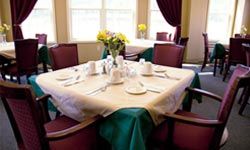
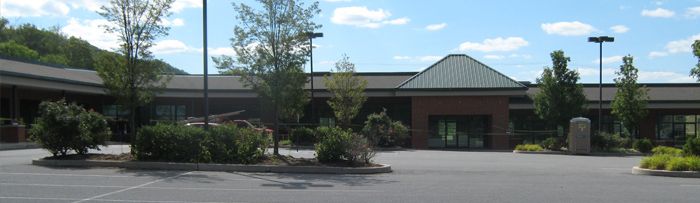
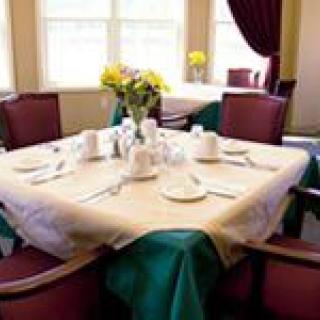
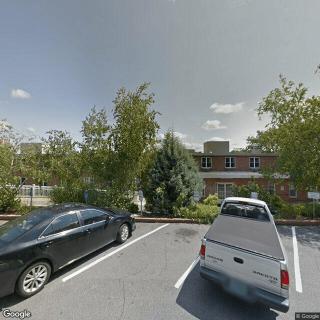
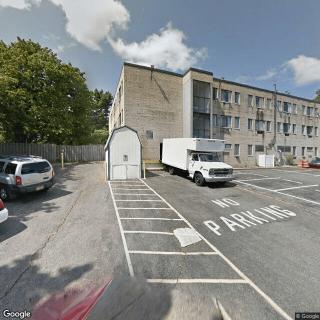
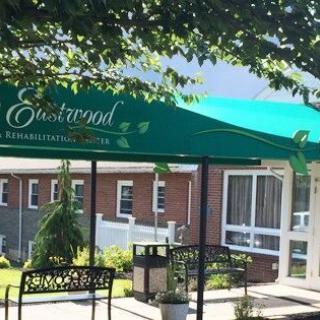
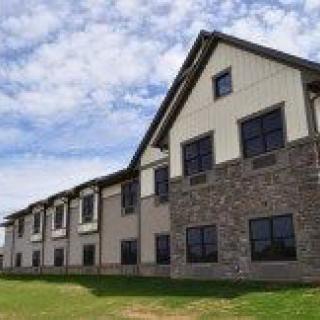
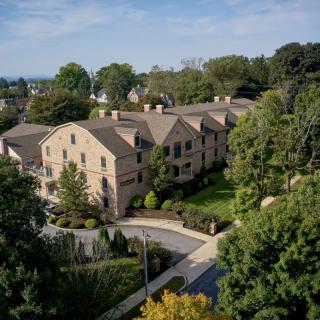
Abington Manor At Morgan Hill Memory Care Village photos
×
Interior
Building
Interior and Dining
Building, Trees, Parking, and Clouds
Get PricingAsk A QuestionSchedule A TourContact Senior Advisor
By clicking submit, you agree to our Partner's Terms of Use. You
also consent to receive calls and texts, which may be autodialed, from our Partner. Your consent is not a condition to
using our Partner's service. Please visit our Partner's Privacy Policy for information about their privacy practices.

 50 resident community capacity
 Assisted Living
 Memory Care
 Beauty salon
 Cable or satellite TV
 Dining room
 Fully furnished
 Garden
 Housekeeping services
 Kitchenette
 Move-in coordination
 Outdoor space
 Restaurant-style dining
 Small library
 Telephone
 Wi-Fi/high-speed internet available
 Lehigh Valley International (13 miles away)
 24-hour call system
 Activities of daily living assistance
 Assistance with bathing
 Assistance with dressing
 Assistance with transfers
 Diabetes diet
 Medication management
 Mental wellness program
 Special dietary restrictions
 Affordable pricing compared to Northampton County and PA averages.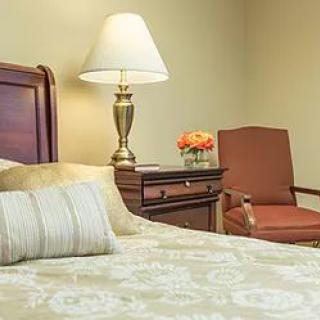

 Guiding Your Journey: Understanding Power of Attorney for Elderly Parents
 22 Remarkable Caregiver Support Groups Available Online and In-Person
 Understanding Medicaid Coverage for Assisted Living: A Comprehensive Guide