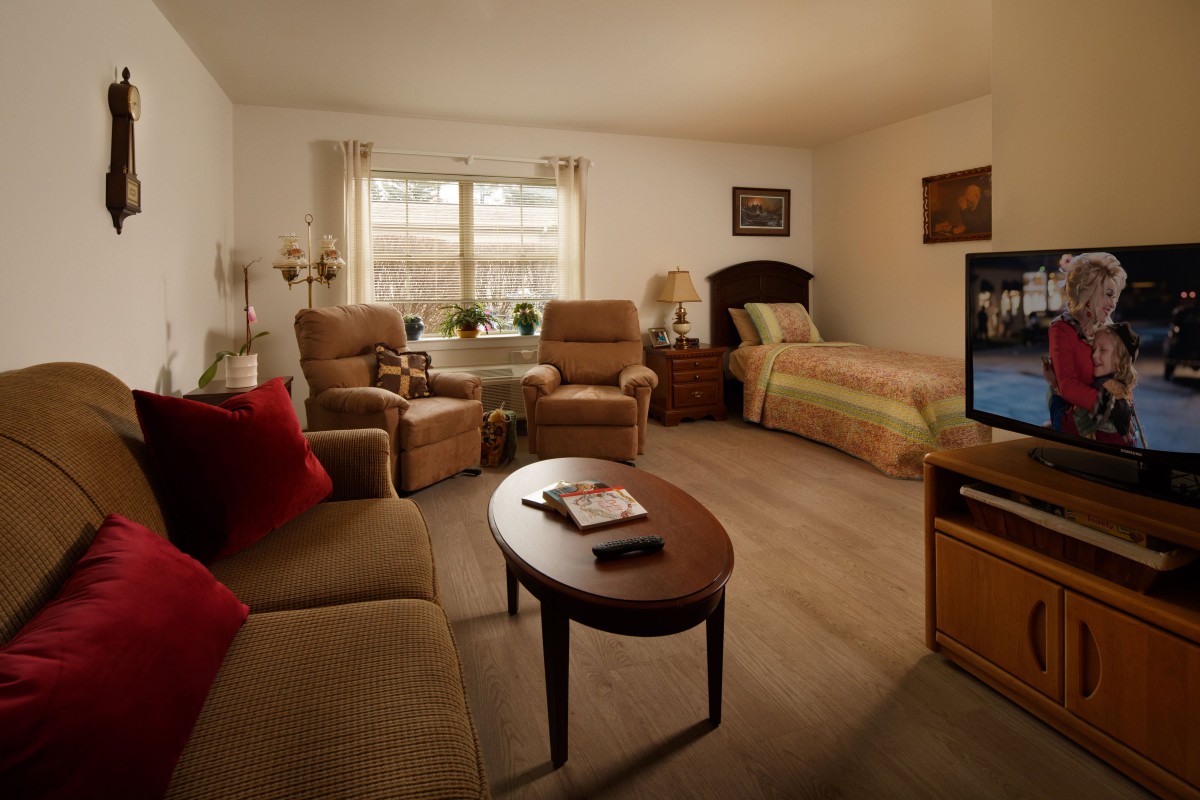
Columbia Cottage in Collegeville, PA

Save

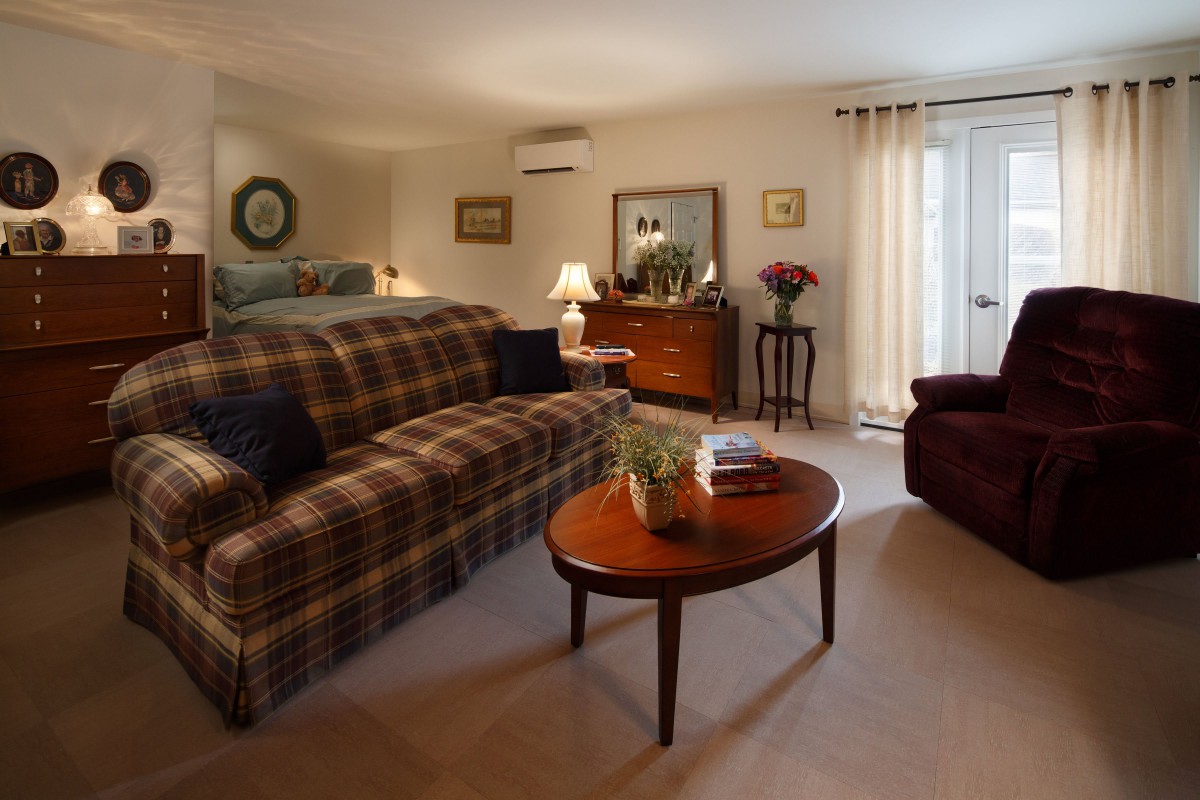
  • Interior

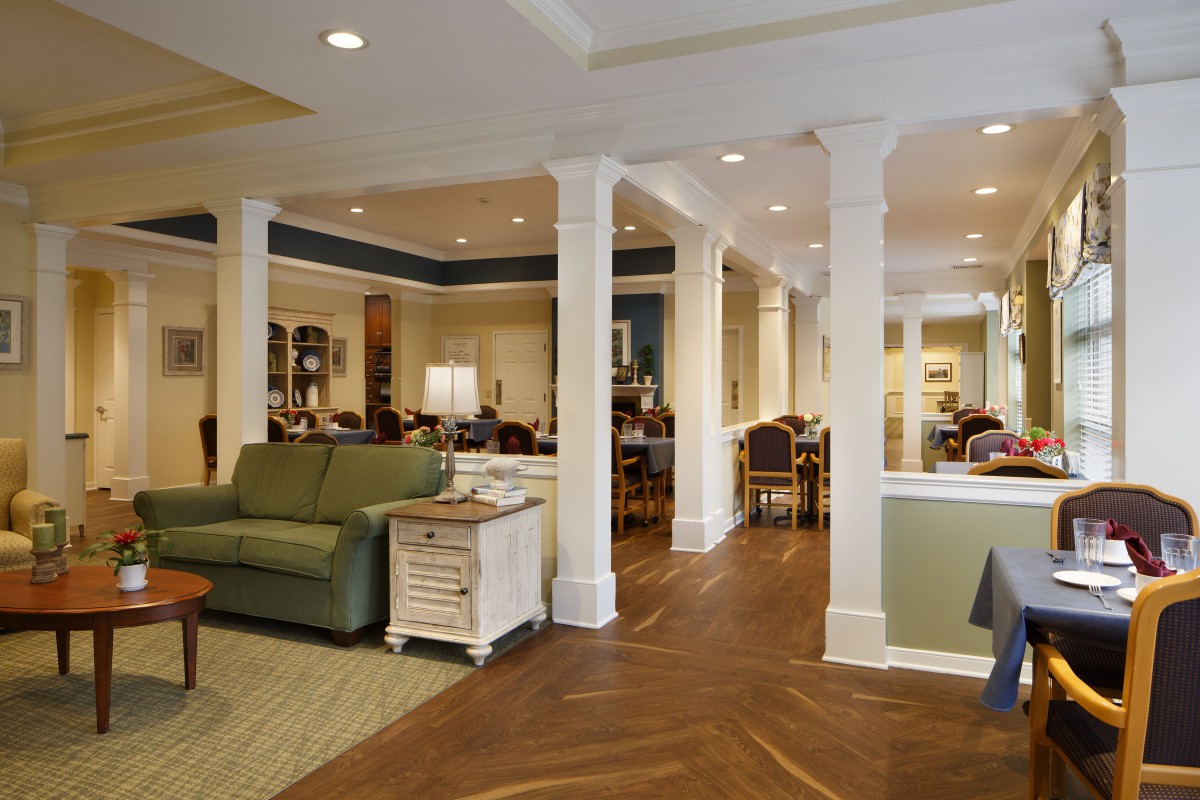
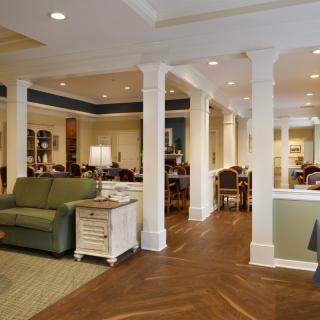
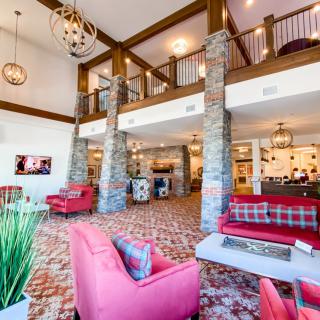
    A spacious living room with elegant furniture and architectural columns.
  • Decor

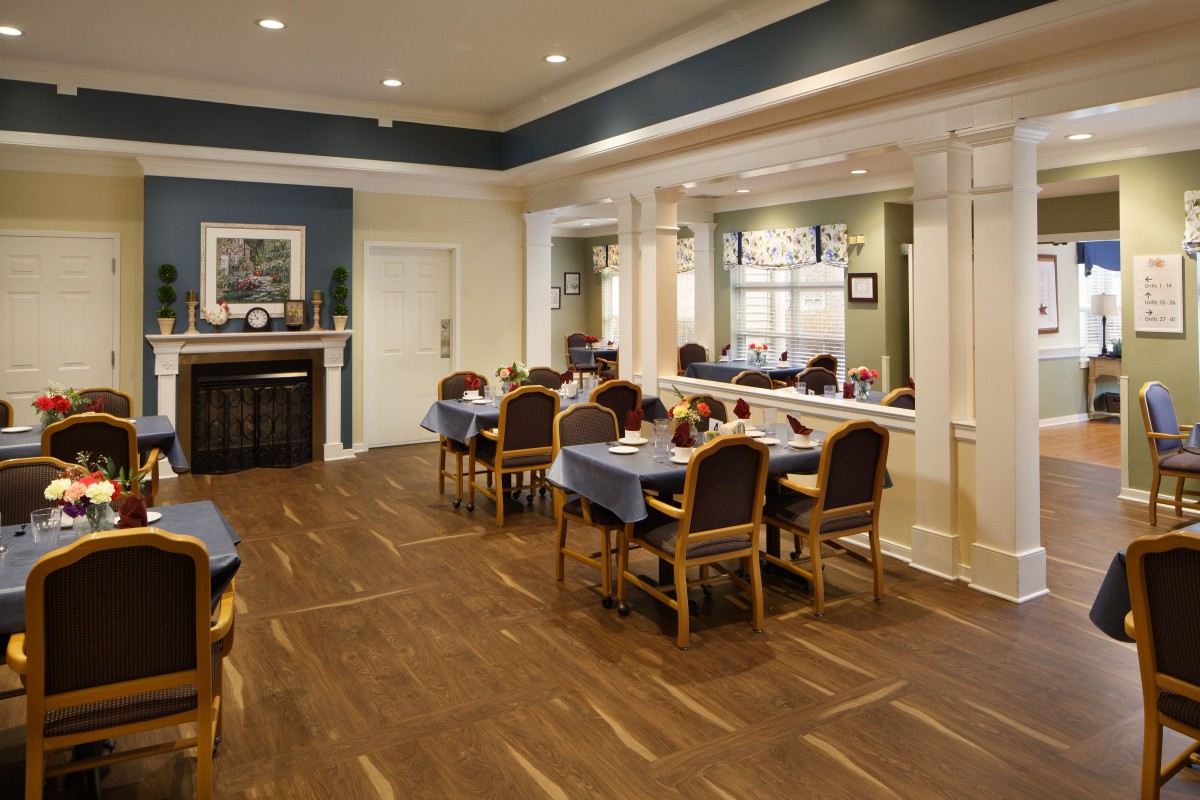
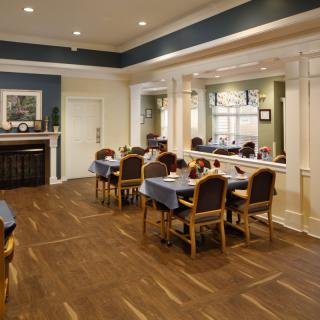
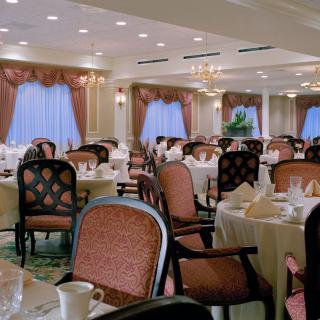
    An elegant dining room with neatly arranged tables and chairs, featuring tasteful interior decor.
  • Living Room

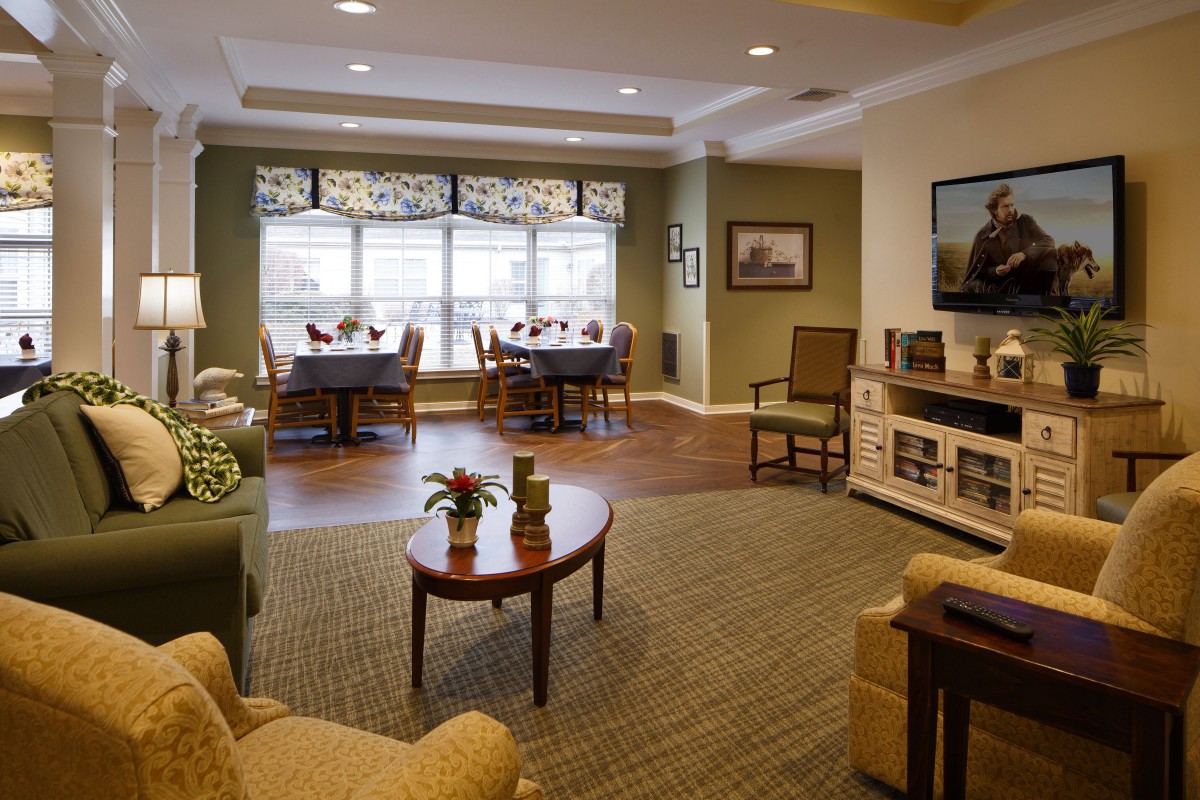
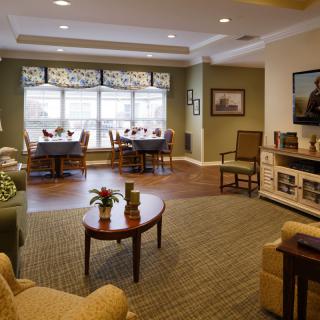
    A modern and cozy living room with dining area, featuring elegant furniture, wood flooring, and a large window.
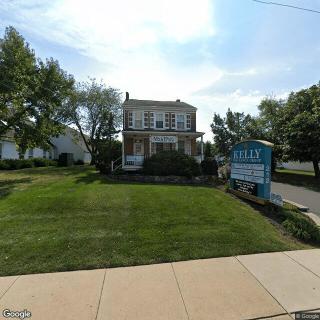
  • Architecture

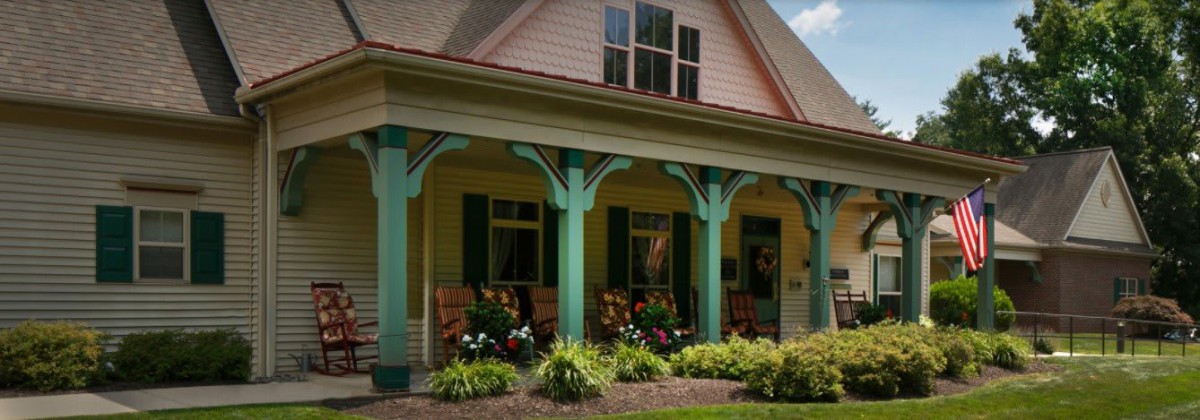
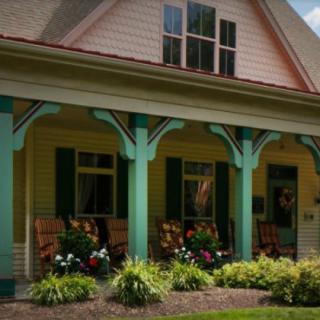
    A charming house with a colorful porch and vibrant garden.
  • Bedroom

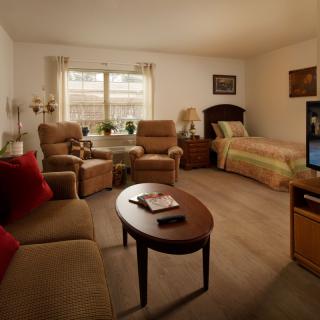
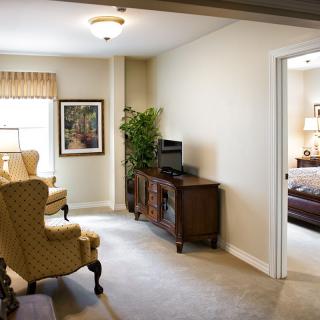
    A cozy living and bedroom area featuring comfortable seating, a television, and a bed.
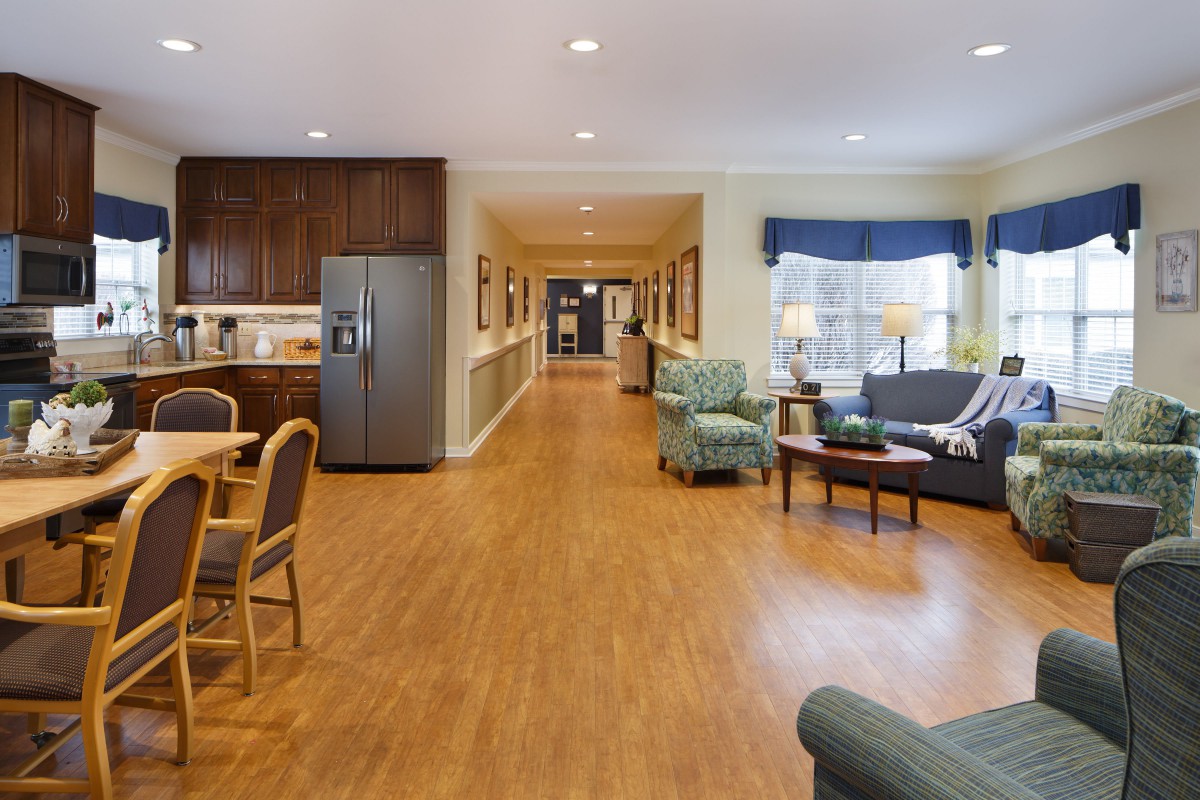
  • Kitchen

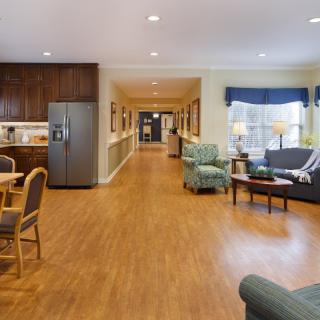
    A spacious and well-lit living area with a connected kitchen, featuring cozy seating and wooden flooring.
  • Lighting

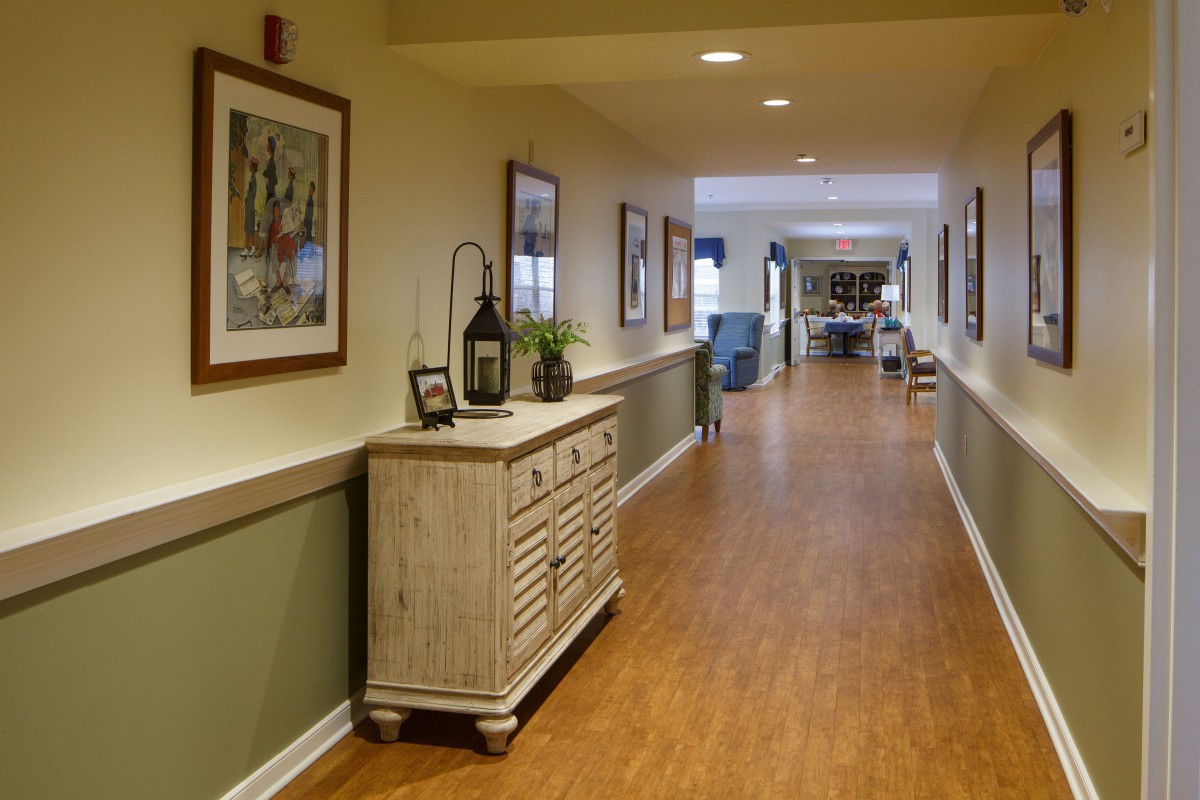
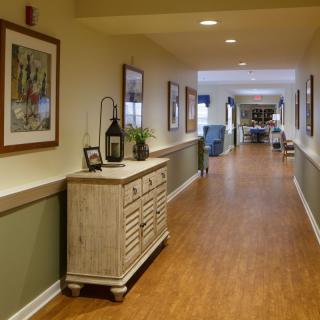
    A warmly lit hallway with paintings on the walls and a decorative sideboard.
  • Bookshelves

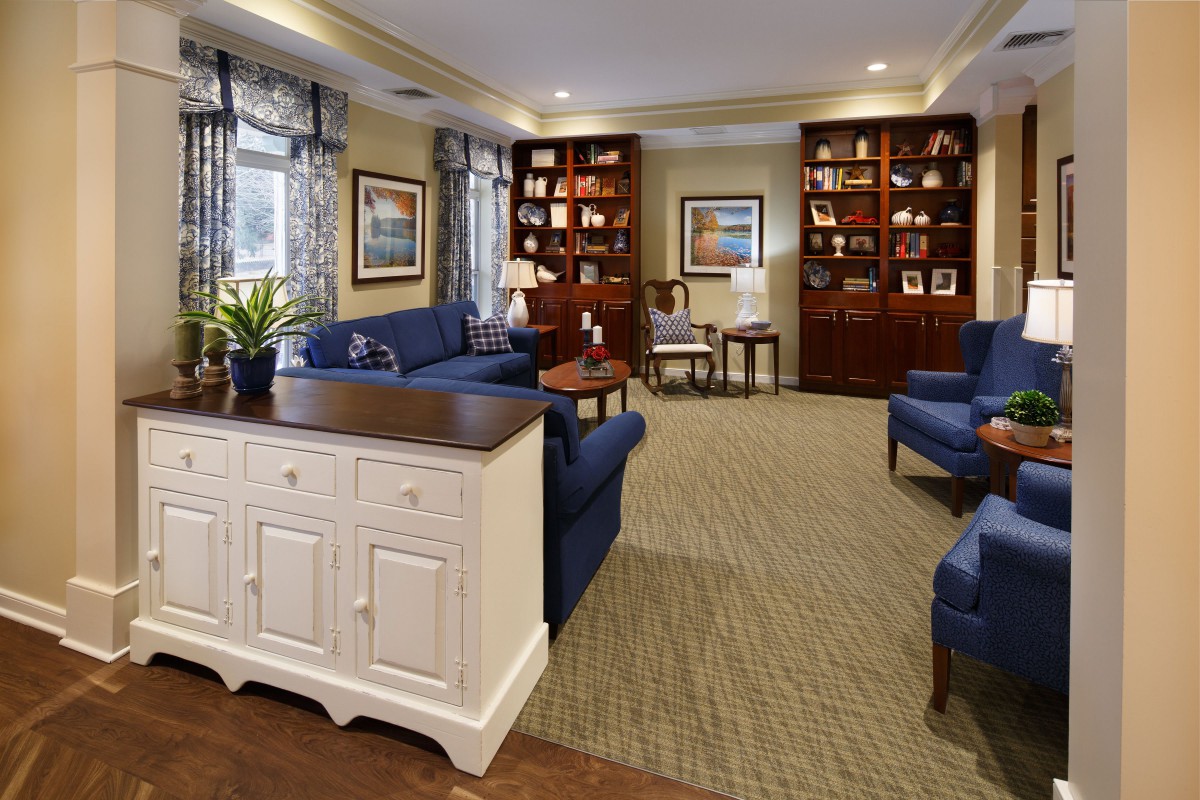
    A cozy living room featuring blue sofas, bookshelves, and elegant decor.

Columbia Cottage in Collegeville, PA

901 E Main St, Collegeville, PA 19426

For more information about senior living options: (844) 490-3973

4.5 from 23 reviews
5 stars
18
4 stars
2
3 stars
1
2 stars
0
1 stars
2

Assisted Living

Columbia Cottage Costs & Pricing

Columbia Cottage offers a studio room at a monthly rate of $5,045, positioning it above both the county and state averages. In Montgomery County, similar accommodations are typically priced around $4,393, while the state of Pennsylvania sees even lower averages at approximately $3,737. This pricing reflects Columbia Cottage's commitment to providing high-quality care and services tailored to its residents' needs. While the costs may be higher than other options in the area, they likely encompass enhanced amenities and personalized support that contribute significantly to resident well-being. Potential clients should weigh these factors carefully when considering their options for senior living arrangements.

Floor plansColumbia CottageMontgomery CountyPennsylvania
Studio$5,045$4,393$3,737

Overall Review of Columbia Cottage

Pros

  • pro The facility is described as very nice with a home-like atmosphere and caring staff.
  • pro The staff are caring, competent, and go above and beyond to provide excellent care.
  • pro The community is small and cozy, easy to navigate, and feels like home.
  • pro The kitchen staff and aides are knowledgeable and helpful.
  • pro Families would absolutely recommend this community to others.
  • pro The care team is attentive, and communication with families is consistent.
  • pro The facility is beautiful, well maintained, and offers meaningful activities.
  • pro The caregiver-to-resident ratio is excellent, allowing for individualized attention.
  • pro Dining is well-organized, with meals served at consistent times.
  • pro The environment is clean, well managed, and provides peace of mind to families.
  • pro The staff foster a friendly, family-like atmosphere and respect residents' privacy.
  • pro Families report positive, long-term experiences and gratitude for the ongoing quality of care.

Cons

  • pro Working through an agency is horrible.
  • pro The staff is horrible and they are liars.
  • pro They made up lies saying the reviewer didn't provide care to residents.
  • pro The restrooms were not ADA accessible (no walk-in shower) and had low toilet seats.
  • pro There was a long response time because the facility was short-staffed.
  • pro The physician care was lacking.
  • pro It felt like residents were treated as if they were old and dying.
  • pro The meals were not as advertised and did not meet professional standards.
  • pro There are not as many options for special diets.
  • pro Some of the activities are more childish than others.

Review

Columbia Cottage in Collegeville is best suited for families seeking a small, intimate assisted living experience where residents are known by name and the care feel is consistently personal. The community thrives on a home-like atmosphere, with a tight-knit staff who are engaged in daily life with residents and families. It works especially well for seniors who want to avoid the impersonality of large campuses, who value steady caregiver relationships, and who appreciate a calm, orderly environment where communication with the care team is regular and meaningful. It's a strong choice for those prioritizing dignity, privacy within a supported setting, and a sense of "being at home" even as needs evolve.

Those considering alternatives should be aware of several caveats. If medical oversight or highly specialized clinical care is the top priority, a larger, more medicalized setting may be a better fit. For families who require flexibility in dining times, a broader menu, or more varied activities to match a more active lifestyle, this community may feel limiting at times. Additionally, if ADA-compliant facilities and highly accessible restrooms are non-negotiable, the facility's older design and some layout choices could be a potential drawback. Finally, prospective residents with significant cognitive or medical complexity, or those who depend on highly consistent full-time physician coverage, may want to compare options that emphasize those capabilities more aggressively.

The strongest pros - caring, competent staff; a cohesive team approach; and a genuinely home-like environment - do a lot of heavy lifting here. Families repeatedly highlight the attentiveness of nurses and aides, the steady, communicative flow between campus staff and families, and the sense that the community operates like a well-coordinated, small-town team. The smaller size helps reduce the sense of being just another resident in a big facility, which translates into more personalized attention, better visibility for individual needs, and reassurance that staff know the resident's history, preferences, and routines. Cleanliness and strong overall management further reinforce a feeling of safety and reliability that many families value highly.

On the downside, several concrete cons temper those strengths. Costs can be high relative to the level of care delivered, which is a meaningful consideration for families balancing budget against peace of mind. The dining program, while dependable, is not as flexible as some families would like: meals often occur at fixed times with limited options for special diets, and a few residents described the food as "okay" rather than standout. Some reviews flagged practical gaps, such as ADA features in restrooms and a few concerns about emergency pull strings, plus uneven physician coverage and shorter-than-desired response times during staffing shortages. Activity programming has also experienced turnover and uneven engagement, which can leave families feeling that the social calendar isn't as robust as hoped.

Taken together, the pros largely offset the cons for families who prize continuity of care, a warm, family-driven culture, and a setting where staff are genuinely attentive and involved in residents' daily lives. The intimate, well-managed environment mitigates the frustration that can come with larger campuses - where residents may feel like a number - by delivering consistent caregivers who know histories, preferences, and routines. For families where end-of-life comfort, stability, and daily reassurance from a familiar care team are the anchors of the decision, Columbia Cottage offers substantial, actionable value that often translates into real peace of mind.

In practical terms, families drawn to this community should verify a few critical details before moving forward. Confirm that the dining plan aligns with any dietary restrictions and that options for special diets are realistic and well-communicated. Check the current status of ADA-compliant facilities and bathroom layouts, and inquire about emergency response times and how short-staffing is managed on the floor. Discuss activity programming to gauge whether the schedule can flex to individual interests and mobility levels, and seek current feedback about physician oversight and access. For those who require more robust clinical resources, or who want a campus with broader dining variety and highly flexible programming, alternatives in the same area - larger communities with deeper medical staffing or more intensive rehab options - should be explored so the choice remains strategic rather than elective.

Features

Types of Care

  • Assisted Living Assisted LivingAssisted living facilities provide crucial support and care for seniors who may need help with daily tasks such as medication management, bathing, and meal preparation. These communities offer a safe and comfortable environment where seniors can maintain their independence while receiving the assistance they need to thrive in their golden years.

Amenities

  • Activities on-site Activities on-siteActivities on-site are important for seniors because they provide opportunities for socialization, mental stimulation, physical activity, and overall well-being. Engaging in activities can help seniors stay active, maintain their independence, and improve their quality of life.
  • Air-conditioning Air-conditioningAir conditioning is important for seniors as they are more vulnerable to heat-related illnesses and may have underlying health conditions that make it difficult for them to regulate their body temperature. It helps to keep them comfortable, safe, and healthy in hot weather.
  • Beautician on-site Beautician on-siteHaving a beautician on-site at a senior living community is important for seniors as it allows them to easily access grooming and personal care services, boosting their self-esteem and overall well-being. It also provides convenience and helps seniors maintain their sense of independence and personal style.
  • Cable or satellite TV Cable or satellite TVCable or satellite TV is important for seniors because it provides entertainment, news, and companionship, helping to combat loneliness and boredom. It also offers a wide range of programming options tailored to different interests and preferences.
  • Devotional services off-site Devotional services off-siteDevotional services off-site are important for seniors as they provide spiritual nourishment, social engagement, and a sense of community outside of the senior living facility. This can enhance overall well-being and help combat feelings of isolation and loneliness often experienced by older adults.
  • Garden view Garden viewGarden views are important for seniors as they provide natural beauty and tranquility, promoting relaxation and overall well-being. Access to green spaces can also encourage outdoor activity and socialization, enhancing physical and mental health.
  • Ground floor units Ground floor unitsGround floor units are important for seniors because they provide easy accessibility, reduced risk of falls and injuries, and convenience for those with mobility issues. Seniors can avoid climbing stairs or using elevators, making daily tasks and activities more manageable and enjoyable.
  • Handicap accessible Handicap accessible"Handicap accessible" amenities are crucial for seniors to ensure they can easily navigate and access facilities, services, and activities without barriers or limitations due to physical impairments. This promotes independence, safety, and inclusivity for seniors in senior living communities.
  • Indoor common areas Indoor common areasIndoor common areas are crucial for seniors as they provide a space for socialization, recreation, and community engagement, promoting overall well-being and reducing feelings of isolation and loneliness.
  • Outdoor common areas Outdoor common areasOutdoor common areas are important for seniors as they provide a space for socialization, physical activity, and relaxation. Being outside in nature can improve mood and overall well-being, while also encouraging movement and engagement with others. These spaces can help combat feelings of isolation and promote a sense of community among residents.
  • Wi-Fi/high-speed internet available Wi-Fi/high-speed internet availableWi-Fi/high-speed internet is important for seniors to stay connected with loved ones, access online resources, and participate in virtual activities to combat feelings of loneliness and isolation. It also allows them to easily manage healthcare needs, access entertainment, and engage in lifelong learning opportunities.

Care Services

  • Diabetic care Diabetic careDiabetic care is crucial for seniors as they are more susceptible to developing diabetes due to aging and other health conditions. Proper management of diabetes can help prevent complications such as heart disease, vision loss, and nerve damage, improving the overall quality of life for seniors in senior living communities.
  • High acuity care High acuity careHigh acuity care is important for seniors because it provides specialized medical attention and support for individuals with complex medical needs. This level of care ensures that seniors receive the appropriate treatment and assistance to maintain their health and quality of life as they age.
  • Incontinence care Incontinence careIncontinence care is essential for seniors to maintain their dignity, hygiene, and overall quality of life. By addressing incontinence issues promptly and effectively, seniors can enjoy a sense of independence and comfort in their daily activities.
  • Medication management Medication managementMedication management is crucial for seniors to ensure they are taking the right medications at the correct dosages and times. This helps prevent adverse drug interactions, reduces the risk of medication errors, and promotes overall health and well-being. Proactive management also allows for adjustments as needed based on changing health conditions or new prescriptions.

Dining

  • Guest meals Guest mealsGuest meals are important for seniors living in senior living communities because they provide an opportunity for socialization and companionship. Sharing a meal with friends, family, or new acquaintances can help combat feelings of loneliness and isolation, promote a sense of community, and enhance overall well-being. Additionally, guest meals allow seniors to enjoy delicious food in a comfortable setting without the hassle of cooking or cleaning up, making dining a pleasurable and stress-free experience.
  • Kosher KosherKosher options are important for seniors because they adhere to dietary laws that are significant to many Jewish individuals, providing them with peace of mind and an opportunity to maintain their cultural traditions and beliefs while living in a senior living community.
  • Low / no sodium Low / no sodiumLow/no sodium options are important for seniors because excessive sodium intake can lead to high blood pressure, heart disease, and other health issues commonly experienced by older adults. By choosing low/no sodium foods, seniors can better manage their health and reduce their risk of developing these conditions.
  • Meals provided Meals provided"Meals provided" are crucial for seniors in assisted living communities as it ensures they have access to nutritious, balanced meals without the stress of meal planning and preparation. This can help promote overall health and well-being for seniors who may have limited mobility or cognitive abilities.
  • Professional chef Professional chefProfessional chefs are important for seniors living in senior living communities because they provide nutritious and delicious meals that cater to their dietary needs and preferences. A professional chef can ensure that seniors are receiving balanced, flavorful meals that support their overall health and well-being.
  • Room service Room serviceRoom service is important for seniors in a senior living community because it provides convenience and allows them to have their meals delivered directly to their room. This can be especially beneficial for seniors who may have mobility issues or difficulty accessing the dining area. Room service ensures that seniors are able to receive nutritious meals without having to navigate through the facility, allowing them to maintain their independence and overall well-being.
  • Vegetarian VegetarianA vegetarian diet is important for seniors because it can help lower the risk of chronic diseases, maintain a healthy weight, and provide essential nutrients needed for aging bodies. Additionally, plant-based diets are often easier on digestive systems and can contribute to overall well-being in older adults.

Activities

  • Activities on-site Activities on-siteActivities on-site are important for seniors because they provide opportunities for socialization, mental stimulation, physical activity, and overall well-being. Engaging in activities can help seniors stay active, maintain their independence, and improve their quality of life.
  • BBQs or picnics BBQs or picnicsBBQs or picnics provide seniors with social interaction, enjoyment of the outdoors, and a sense of community, contributing to their overall well-being and quality of life.
  • Bible study group Bible study groupBible study groups provide seniors with a sense of community, spiritual growth, and support during their later years. It helps them stay connected to their faith, find comfort in difficult times, and build meaningful relationships with others.
  • Brain fitness Brain fitnessBrain fitness is important for seniors as it helps to maintain cognitive function, memory, and overall mental well-being. Engaging in activities that challenge the brain can help prevent cognitive decline and promote a healthier, more fulfilling quality of life in older adults.
  • Catholic services Catholic servicesCatholic services are important for seniors because they provide spiritual support, a sense of community, and opportunities for social interaction that can enhance overall well-being and quality of life in their later years.
  • Forever fit Forever fit"Forever fit" programs are crucial for seniors as they promote physical activity, social engagement, and overall well-being. These programs help seniors maintain their independence, improve their strength and flexibility, and reduce the risk of chronic diseases. By participating in these activities, seniors can enjoy a higher quality of life and live independently for longer.
  • Happy hour Happy hourHappy hour is important for seniors as it provides a social activity that promotes camaraderie and reduces feelings of loneliness or isolation. It also offers an opportunity for older adults to relax, unwind, and enjoy some drinks or snacks in a fun and welcoming atmosphere.
  • Intergenerational programs Intergenerational programsIntergenerational programs are important for seniors because they provide social interaction, mental stimulation, and a sense of purpose. These programs allow seniors to connect with younger generations, share their wisdom and experiences, and maintain a sense of belonging in the community. This can help reduce feelings of isolation, improve cognitive function, and promote overall well-being in older adults.
  • Karaoke KaraokeKaraoke provides seniors with a fun and social activity that can boost mood, confidence, and cognitive function. It encourages social interaction, physical movement, and creative expression, making it an important form of entertainment for senior living communities.
  • Live musical performances Live musical performancesLive musical performances can provide seniors with a sense of joy, nostalgia, and connection. Music has the power to evoke emotions and memories, improve mood and cognitive function, and foster social interaction among seniors. It can also serve as a form of therapy and stress relief for older adults, making it an important activity to include in senior living communities.
  • Stretching classes Stretching classesStretching classes are important for seniors because they help improve flexibility, reduce the risk of injury, and promote overall health and well-being. Regular stretching can also help alleviate joint pain and stiffness, enhance balance and coordination, and increase range of motion.
  • Trivia games Trivia gamesTrivia games are important for seniors because they provide mental stimulation, social interaction, and a fun way to keep the mind sharp. They can help improve memory, cognitive function, and overall well-being in older adults.
  • Visiting chaplain or priest Visiting chaplain or priestHaving a visiting chaplain or priest at a senior living community is important for seniors because it provides spiritual support, comfort, and guidance during a time of life that can be challenging and uncertain. Their presence can help seniors feel connected to their faith, find peace of mind, and cope with the emotional and mental struggles they may face in their later years.
  • Wine tasting Wine tastingWine tasting can be a fun and social activity for seniors, allowing them to engage their senses, learn about different varieties of wine, and potentially meet new friends. It also offers health benefits such as improved cognitive function and reduced risk of heart disease when consumed in moderation.
  • Yoga / chair yoga Yoga / chair yogaYoga and chair yoga are important for seniors as they promote flexibility, balance, strength, and overall wellbeing. These practices can help improve mobility, reduce stress, and enhance mental clarity, ultimately leading to a higher quality of life in their senior years.

Description

Columbia Cottage in Collegeville, PA is an assisted living community that offers a variety of amenities and care services to meet the needs of its residents. The community features air-conditioned apartments with beautiful garden views, as well as ground floor units and handicap accessibility for convenience. Residents can enjoy indoor and outdoor common areas, as well as Wi-Fi/high-speed internet access.

Care services provided at Columbia Cottage include high acuity care, incontinence care, and medication management to ensure the health and well-being of residents. Dining options are diverse, with kosher, low/no sodium, vegetarian meals prepared by a professional chef. Room service is also available for added convenience.

Residents have a range of activities to choose from to stay active and engaged. This includes BBQs or picnics, Bible study groups, brain fitness exercises, Catholic services, Forever fit programs, happy hour socials, intergenerational programs, karaoke nights, live musical performances, stretching classes, trivia games, visiting chaplain or priest services, wine tastings, and yoga or chair yoga classes.

Located in Collegeville, PA., there are several nearby amenities including cafes, parks where residents can enjoy nature walks or outdoor activities easily accessible. Additionally, there are numerous pharmacies conveniently located nearby for easy access to medications and healthcare needs. Residents will find several physicians' offices in close proximity for medical consultations. There are also various restaurants offering dining options for residents who wish to explore different cuisines nearby.

Overall Columbia Cottage provides a comfortable living environment with an array of amenities and care services tailored to meet the needs of its residents while promoting an active and fulfilling lifestyle.

Videos

Nearby Places of Interest

This area of Collegeville, Pennsylvania offers a variety of amenities and services that may be appealing to seniors looking for a convenient and well-rounded community. Within a short distance, you will find several healthcare providers such as Dr Weber Foot and Ankle Specialist, Collegeville Eye Physicians & Surgeons, and Rothman Orthopaedics. Additionally, there are pharmacies like CVS Pharmacy and Wegmans nearby for easy access to medications. If you enjoy dining out, there are restaurants like Thai Basil Bistro and The Collegeville Italian Bakery for delicious meals. For leisurely activities, parks such as Upper Schuylkill Valley Park and Valley Forge National Historical Park offer beautiful outdoor spaces to explore. Overall, this area provides a blend of essential services, dining options, and recreational opportunities that could make it a desirable location for senior living.

Physicians

  • Dr Weber Foot and Ankle Specialist (0.3 miles)
  • Collegeville Eye Physicians & Surgeons (1.2 miles)
  • Pma Medical Specialists (4.5 miles)
  • Rothman Orthopaedics (5 miles)
  • Dr Solis's Office (5.3 miles)
  • Phoenixville Valley Forge Dermatology Associates (5.5 miles)
  • Lederach Family Medicine (5.7 miles)

Pharmacies

  • CVS Pharmacy (1 miles)
  • Wegmans (2.3 miles)
  • Rite Aid (2.5 miles)
  • Walgreens (2.6 miles)
  • Rite Aid (3.6 miles)
  • CVS Pharmacy (3.8 miles)
  • CVS Pharmacy (4.3 miles)

Restaurants

  • Thai Basil Bistro (1 miles)
  • The Collegeville Italian Bakery (1.7 miles)
  • Duck Inn Taproom (2.1 miles)
  • McDonald's (2.6 miles)
  • Chick-Fil-A (3.4 miles)
  • McDonald's (3.7 miles)
  • Alex's Tavern (3.9 miles)

Hospitals

  • Einstein Collegeville (2.1 miles)
  • Physicians Care Surgical Hospital (5 miles)
  • Phoenixville Hospital (5.6 miles)
  • Pottstown Memorial Medical Center (8.6 miles)
  • Universal Health Services (9.4 miles)

Cafes

  • Starbucks (2.2 miles)
  • Starbucks (2.5 miles)
  • Starbucks (3.4 miles)
  • Starbucks (4.2 miles)
  • Nordstrom Ebar Artisan Coffee (8.3 miles)
  • Panera Bread (8.3 miles)
  • Starbucks (8.4 miles)

Parks

  • Upper Schuylkill Valley Park (3.3 miles)
  • Upper Salford Park (5.9 miles)
  • Valley Forge National Historical Park (6.7 miles)
  • Wilson Farm Park (8.5 miles)
  • Stony Creek Sports Park (8.7 miles)

Places of Worship

  • Royersford Baptist Church (3.3 miles)
  • Hope Community Church (9.6 miles)

Theaters

  • Regal UA King Of Prussia 4DX, IMAX & RPX (7.8 miles)

Transportation

  • Septa: Radnor Station (8.9 miles)

Frequently Asked Questions

How much does it cost to live at Columbia Cottage in Collegeville, PA?
Where is Columbia Cottage?
What photos are available for Columbia Cottage in Collegeville, Pennsylvania?

Nearby Communities

  • Columbia Cottage Collegeville

    Columbia Cottage Collegeville

    Collegeville, PA

    4.3 from 12 reviews
     

    pro Intimate, home-like setting with strong caregiver attention and aging-in-place across ten care levels.


  • Home Choice Companion Care

    Home Choice Companion Care

    Trappe, PA

    3.9 from 21 reviews
     

    pro Compassionate, attentive caregivers and strong case management.

  • Providence Place At The Collegeville Inn

    Providence Place At The Collegeville Inn

    Collegeville, PA

    4.7 from 31 reviews
    $3,150 to $4,600 / month

    pro New, clean facility with spacious rooms, affordable pricing, robust amenities, and friendly staff.

  • The Meadows at Skippack

    The Meadows at Skippack

    Collegeville, PA

    5 from 3 reviews
     

    pro Vibrant assisted living with meals, care support, and access to nearby amenities.

  • The Courtyards at Collegeville

    The Courtyards at Collegeville

    Collegeville, PA

    3.8 from 100 reviews
     

    pro Comprehensive care with convenient nearby amenities.

  • Traditions at Skippack

    Traditions at Skippack

    Collegeville, PA

    4.7 from 7 reviews
     

    pro Intimate, small-capacity community with personalized care.

  • Brandywine Living at Upper Providence

    Brandywine Living at Upper Providence

    Phoenix, PA

    4.8 from 105 reviews
    $2,545 to $5,130 / month

    pro Caring staff and engaging activities.

  • Arcadia at Limerick Pointe

    Arcadia at Limerick Pointe

    Limerick, PA

    4.6 from 60 reviews
    $3,780 to $5,400 / month

    pro Clean, well-maintained facility with friendly staff, engaging activities, and high-quality dining.

  • Shannondell at Valley Forge

    Shannondell at Valley Forge

    Norristown, PA

    4.4 from 136 reviews
     

    pro Well-kept, friendly staff with a wide range of activities and dining options.

Related Resources

  • does medicaid pay for assisted livingHow and When Medicaid May Cover Assisted Living Costs

    Medicaid coverage for assisted living varies by state and is primarily available to low-income individuals, with eligibility dependent on strict income and asset limits. Some states offer HCBS waivers for specific services in assisted living, but families must generally cover room and board costs, and should verify facility acceptance of Medicaid while considering potential waiting lists.

  • assisted living waiver programA Detailed Exploration of Assisted Living Medicaid Waivers Across the United States

    Medicaid waivers for assisted living services provide vital support for seniors and individuals with disabilities in need of long-term care, with varying state-specific eligibility criteria and benefits. These waivers cover personal care and case management but often do not fully cover room and board, leading to waiting lists for many applicants.

  • assisted living for disabled adultsComprehensive Residential Support and Assisted Living Solutions for Individuals with Disabilities
    The article examines the complexities of assisted living for individuals with disabilities, emphasizing the need for tailored care solutions that enhance quality of life and social inclusion, while addressing financial challenges and advocating for community integration. It discusses various housing options, the importance of financial assistance through public benefits, and highlights trends towards integrated and technology-driven solutions in disability-focused housing.