
160 Chapel Rd, Beaver, PA 15009
To contact a resident: (724) 728-6257
For more information about senior living options: (866) 208-4318
Trinity Oaks Care Ctr Costs & Pricing
Trinity Oaks Care Center, situated in a competitive market, offers private rooms at a monthly cost of $6,814. This rate is notably higher than the average cost in Beaver County, which stands at $5,402, and significantly above the state average for Pennsylvania, recorded at $4,890. While the pricing reflects the premium services and amenities provided at Trinity Oaks, potential residents and their families may want to consider these comparative figures when evaluating options in both local and statewide contexts. The facility's offerings might justify the higher expense, but it's essential for prospective clients to assess how these costs align with their individual needs and budgetary considerations.
| Floor plans | Trinity Oaks Care Ctr | Beaver County | Pennsylvania |
|---|---|---|---|
| Private | $6,814 | $5,402 | $4,890 |
Assisted Living communities with a similar price nearby
-
from -$1339 / mo

Apple Blossom
$5,475 to $6,615 / month14.5 miles away -
from -$899 / mo
Vincentian Home
$5,915 to $7,905 / month20.7 miles away -
from +$236 / mo
Sunrise of McCandless
$7,050 to $9,930 / month20.8 miles away -
from -$1174 / mo

Ashton Commons
$5,640 to $6,270 / month19.7 miles away
Overall Review of Trinity Oaks Care Ctr
Pros
 It is a great place to work, and loved ones can stay with guests.
- The property is a wonderful workplace, and guests’ loved ones are welcome to stay.
Review
Trinity Oaks Care Ctr in Beaver, PA is best suited for families that want a warm, staff-driven environment where a loved one can settle into steady, person-centered care. The two high-rated reviews point to a culture in which caregivers are engaged and supportive, and where residents can stay in a setting that feels stable and reassuring. This is a practical, home-like option rather than a flashy showcase, ideal for families prioritizing reliable care, clear communication, and a facility where the care team appears invested in the well-being of residents and their families. For decisions anchored in everyday comfort, predictable routines, and steady caregiver availability, Trinity Oaks delivers.
Those considering alternatives should be mindful of priorities that may require different strengths. If specialized memory care, more intensive rehabilitative therapy, or a broader calendar of on-site activities are non-negotiable, other communities with explicit memory programs or larger campuses may be a better fit. Likewise, for families monitoring budget constraints or seeking certain luxury amenities, it is prudent to compare Trinity Oaks against options with more expansive service lines or lower cost structures. The single-thread positive feedback available here does not address every possible need, so outside options deserve consideration before committing.
The primary strengths highlighted by the reviews, dedicated staff and a setting that supports both long-term residence and temporary stays, align to offset several common concerns families have. A staff that appears to enjoy their work often translates into more dependable supervision, better incident prevention, and more timely responses to resident needs. The notion that this is a place “to have your loved one stay with us” implies continuity of care and a culture that values resident dignity, which matters greatly when evaluating daily quality of life, safety, and routine. When those elements are present, they can substantially mitigate anxiety about placement and post-admission transitions.
However, the lack of broader, objective data remains a meaningful caveat. The feedback landscape here is limited to two favorable comments, with no specifics on clinical outcomes, falls management, medication oversight, mealtime experiences, or the breadth of activities. Potential residents should probe for concrete details during tours: how staffing ratios shift by shift, the qualifications of the caregiving team, and the availability of licensed nursing coverage. Questions about dining options, meal quality, transportation, and opportunities for social engagement will reveal whether the environment truly matches the warmth implied by the sentiment of the reviews.
In practical decision-making terms, Trinity Oaks should be weighed as a solid option for families prioritizing a dependable, resident-focused atmosphere and clear, ongoing communication. If those are the top criteria, the facility’s apparent caregiver investment and welcoming tone are meaningful positives that can translate into meaningful daily experiences for a loved one. If, instead, needs center on advanced rehabilitative services, specialized memory care, or a broad menu of enrichment programs, it is wise to explore alternatives that explicitly advertise those capabilities and provide verifiable outcomes.
The recommended next steps are straightforward: arrange a visit to Trinity Oaks to observe interactions between staff and residents, and to tour the living spaces, dining areas, and activity options. Request to meet members of the caregiving team and, if possible, speak with current residents’ families about communication, consistency, and responsiveness. Review the facility’s care planning processes, licensing standings, and any available references. Compare with at least two other options to gauge cost, services, and long-range plans. For families seeking a practical, reassuring home base in Beaver, Trinity Oaks offers a credible, well-regarded choice, provided the tour confirms the alignment of services with the specific care needs and lifestyle preferences of the resident.
 Assisted Living
 Independent Living
 Activities on-site
 Devotional services off-site
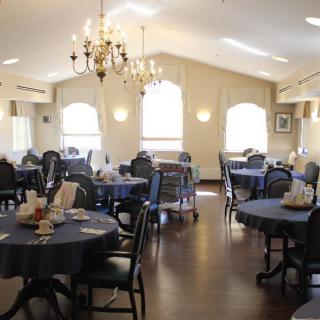
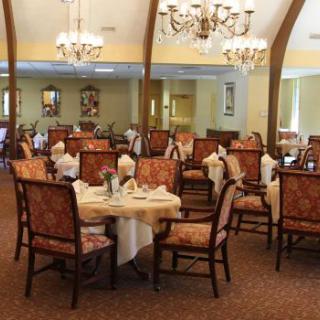
 Indoor common areas
 Pittsburgh International (17 miles away)
 Ambulatory care
 Diabetic care
 Meals provided


 An Extensive Exploration of the VA Aid and Attendance Benefit
 Senior Transition Services: Understanding Their Role, Cost, and Importance
 Exploring the Path to Senior Living: A Comprehensive Look at Independent Living and Assisted Living