
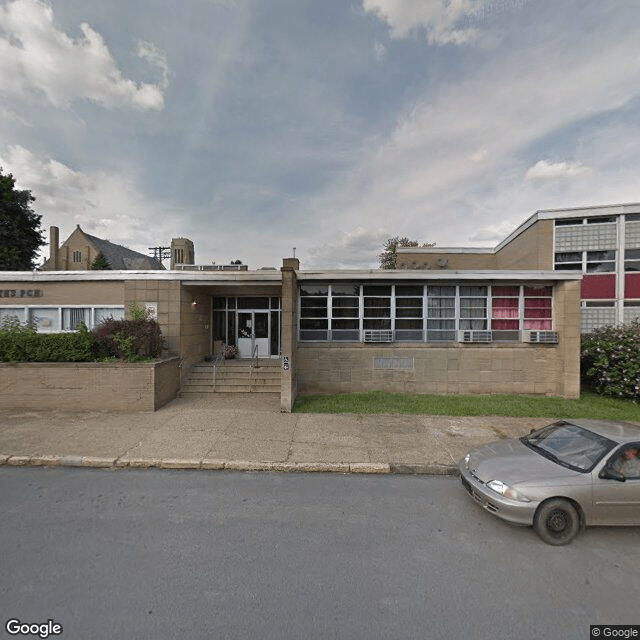
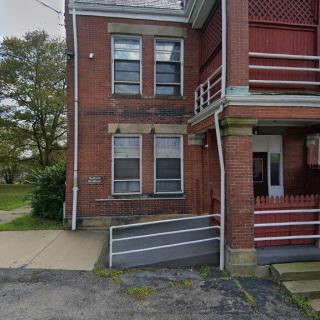
300 Pine Street, Beaver Falls, PA 15010
For more information about senior living options: (866) 208-4318
Smith S Personal Care Home Costs & Pricing
Smith S Personal Care Home offers competitive pricing compared to both Beaver County and the broader Pennsylvania market. For a semi-private room, residents will find the monthly cost at Smith S Personal Care Home to be $1,200, which significantly undercuts the county average of $2,295 and is even more favorable than the state average of $3,542. Additionally, for those seeking more privacy in a studio setting, the monthly rate is $1,650 - again lower than Beaver County's average of $2,851 and Pennsylvania's average of $3,737. These pricing options make Smith S Personal Care Home an attractive choice for individuals seeking quality care without the financial burden often associated with such services in the region.
| Floor plans | Smith S Personal Care Home | Beaver County | Pennsylvania |
|---|---|---|---|
| Semi-Private | $1,200 | $2,295 | $3,542 |
| Studio | $1,650 | $2,851 | $3,737 |
Assisted Living communities with a similar price nearby
-
from -$100 / mo
Woodland Manor
$1,100 to $1,200 / month22.3 miles away -
from +$75 / mo
Shamrock Gardens
$1,275 to $1,725 / month10.4 miles away -
from -$100 / mo
Abundant Living At Petersons
$1,100 to $1,300 / month23.9 miles away
Overall Review of Smith S Personal Care Home
Pros
 They provide the best personal care and a real home environment for loved ones.
- They are absolutely the best.
Cons
 It is the nastiest place around.
- It is very depressing, dark and dirty.
Review
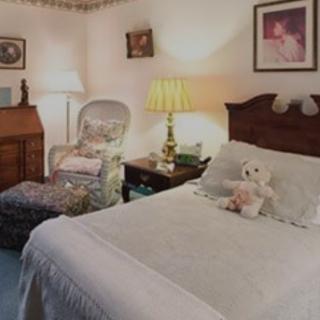
Smith S Personal Care Home in Beaver Falls, PA, is best suited for families that value a real home-like setting and close, caregiver-to-resident interactions over showroom polish. The small, intimate nature of the house-style operation can translate into familiar routines, personal attention, and daily contact with staff. For families who prize warmth and a lived-in vibe, where staff may know residents’ preferences and histories, that can feel like a practical advantage. This is not the pick for those seeking a bright, modern facility with resort-like amenities. It works best when the emphasis is on comfort, companionship, and a predictable routine.
However, those with firm expectations around cleanliness, bright spaces, and consistently uplifting environments should consider alternatives. The published feedback strongly signals instability in upkeep and atmosphere; several reviewers describe the setting as dark, depressing, and dirty, which can erode mood and dignity over time. If safety, visible cleanliness, and environmental quality are top priorities, this community likely falls short. In short, it’s a niche option whose appeal rests on interpersonal touch rather than environmental polish, and that means many prospective residents should screen other towns in Beaver Falls first.
On the pro side, one testimonial frames the home as offering the best personal care in a genuine home environment, implying attentive caregivers and a routine structured around residents’ needs. That single voice points to what many families hope to find: staff who know names, preferences, and histories, and a sense of continuity. Yet, the weight of the negative reviews is overpowering. A friend’s warning about not placing family there, paired with reports of a nasty environment, dark rooms, and general dirtiness, raises red flags about maintenance, morale, and day-to-day livability. The contrast makes the value proposition highly variable and unpredictable.
These inconsistencies matter because the main downsides, unflattering surroundings and perceived neglect, directly impact well-being. A depressed mood from a gloomy atmosphere can blunt appetite, energy, and participation in activities, while concerns about cleanliness can trigger anxiety about health and safety. In practical terms, even strong personal care may not compensate for a consistently unwelcoming environment. For families with residents who require reliable environmental dignity to maintain dignity and spirits, the negatives far outweigh the potential gains from personal attention. Where the environment feels neglected, care quality tends to feel variable as well.
For families seriously evaluating this home, use the visit as a forensic check: walk through living spaces and bedrooms for odor, lighting, and cleanliness; note the condition of furniture and bathrooms; observe staff interactions with residents and speeds of response. Ask pointed questions: what is staff-to-resident ratio during day and night; how is care planned and updated; what activities are offered, and how consistent is participation; what is the turnover rate of caregivers; can families tour meals and kitchen cleanliness; and what do state inspections reveal about safety and compliance. Gather exterior impressions, too, gatekeeping, neighborhood safety, and noise levels matter when credibility is in play.
Bottom line: this community is not a dependable first choice for most families. For those who crave a robust, clean, uplifting environment with steady staffing and transparent operations, alternatives with stronger reputations deserve priority. If this option is pursued, proceed with caution, make multiple visits, demand recent references, and insist on a trial period in which care quality and environment are observed across different times of day. The decision hinges on environmental quality and consistency; without clean, well-lit spaces and reliable upkeep, even excellent personal care cannot deliver on a comfortable, sustainable living experience.
 81 resident community capacity
 Assisted Living
 Respite Care
 Activities off-site
 Air-conditioning
 Beautician on-site
 Cable or satellite TV
 Computer center
 Devotional services off-site
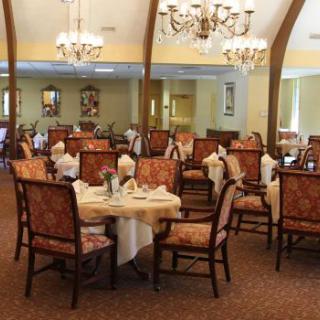
 Dining room
 Fitness room
 Fully furnished
 Gaming room
 Garden
 Housekeeping services
 Indoor common areas
 Kitchenette
 Move-in coordination
 Outdoor common areas
 Private bathrooms
 Restaurant-style dining
 Small library
 Telephone
 Wellness center
 Wheelchair accessible showers
 Wi-Fi/high-speed internet available
 Pittsburgh International (18 miles away)
 Community operated transportation
 12-16 hour nursing
 24-hour call system
 Ambulatory care
 Assistance with bathing
 Assistance with dressing
 Assistance with transfers
 Diabetes diet
 Diabetic care
 Incontinence care
 Medication management
 Mental wellness program
 Special dietary restrictions
 Concierge services
 Planned day trips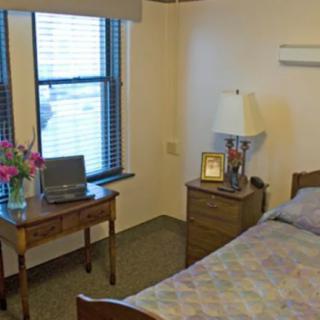


 Funding and Affording Assisted Living: A Thorough Overview
 Assisted Living Expenses and Long-Term Care Insurance: A Comprehensive Exploration
 Securing Financial Support for Assisted Living: A Comprehensive Overview