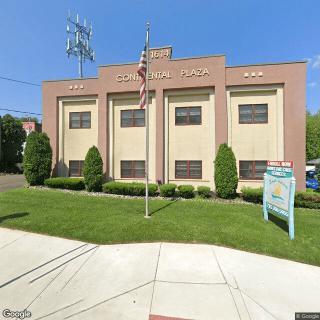
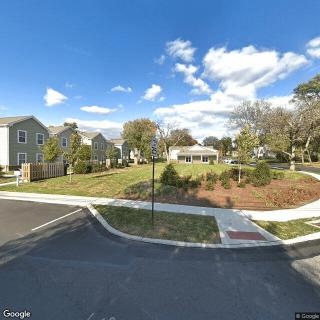
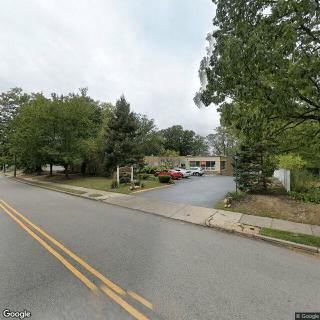
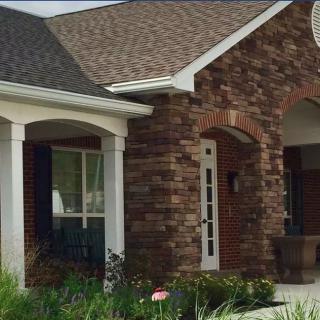
Abington Memorial Hospital in Abington, PA
Save
1200 Old York Road, Abington, PA 19001
For more information about senior living options: (844) 490-3973
This hospital system is best suited for families who live nearby and can bring an empowered advocate into the room. When the care team aligns, the facility can deliver high-caliber, compassionate treatment, but that outcome is uneven enough to require a hands-on approach from loved ones. It is particularly workable for those needing rapid access to a broad network of specialists or for expectant families who benefit from maternity teams that can be exceptionally attentive. In short, it works best for engaged families who can push for timely updates, clear discharge plans, and consistent follow-through.
Alternatives deserve consideration for anyone who cannot tolerate the pattern of communication gaps and inconsistent bedside attention that shows up in many reviews. If a patient requires steady, easily navigable care, or if there are neurodivergent or high-anxiety circumstances, other hospitals may provide a more predictable experience. Several reviewers report persistent lapses in information flow, delayed test results, and discharge planning that feels reactive rather than coordinated. For elderly loved ones or those needing complex, long-term coordination, weighing other nearby options is prudent.
The strongest positives focus on frontline clinicians who show up with genuine care. When nurses and physicians are engaged, patients recount thorough explanations, attentive bedside manners, and practical support that makes difficult moments tolerable. Specific units and staff receive individual praise: maternity teams described as calm and capable; ER staff occasionally lauded for efficiency, reassurance, and professionalism; and a handful of nurses across floors cited as compassionate and skilled. These standouts demonstrate that the hospital can deliver excellent care, especially when staffing is stable and communication is prioritized.
That said, the dominant reality across many reviews is a pattern of failures that undermine those strengths. Chronic complaints center on late or missed medications, fragmented communication with families, and delays in tests, imaging, and discharge decisions. Floor-to-floor variability matters: hallway holds, uneven nursing attentiveness, and inconsistent coordination with case managers or social workers. Reports of long ER waits, perceived bedside indifference, and even accusations of discriminatory behavior in some encounters cast a long shadow over otherwise capable clinicians. Billing and administrative frustrations add another layer of stress, making the overall experience feel transactional rather than therapeutic.
The pros can offset the cons only to a limited degree. When the care teams are aligned, the hospital demonstrates the capacity to deliver high-quality, compassionate care - especially in maternity and certain ER cases, where outcomes and patient satisfaction rise significantly. However, systemic issues - communication breakdowns, disjointed discharge planning, and uneven staff engagement - tend to dilute those gains. For families weighing options, the message is practical: the potential for excellent, attentive care exists, but it requires vigilant advocacy and constant follow-up to prevent lapses from eroding trust and safety.
For families moving forward, concrete steps help protect the experience. Assign a clearly identified point person who can receive updates, request direct communication from the primary nurse or attending physician, and insist on written discharge instructions and a timeline for follow-up tests. Before admission, clarify who coordinates care across departments and what to expect in terms of test results and medication management. Given the variability, consider supplementing hospital care with a trusted local provider or inpatient advocate if chronic conditions or high-risk needs are involved. If choosing a different path, nearby institutions with stronger reputations for consistent communication and patient advocacy may offer more predictable experiences.
Ultimately, Abington Memorial/Jefferson Abington Hospital presents a mixed-value proposition. It can be a strong choice for urgent ER access, a capable maternity experience, and access to a broad specialist network, but only for patients whose families will actively manage and monitor care. For those who prize steady, empathetic, and well-coordinated care without constant familial intervention, others in the region may better meet expectations. The prudent decision is clear: engage with the facility's strengths where they exist, counterbalance its weaknesses with proactive advocacy, and seriously compare alternatives when long-term reliability and predictable care are the top priorities.
The Abington Memorial Hospital in Abington, PA is surrounded by a vibrant community with numerous amenities and services that cater to the needs of its residents. Within close proximity, there are multiple cafes where individuals can socialize or enjoy a cup of coffee. Additionally, there are several parks nearby, providing opportunities for outdoor activities and relaxation.
Residents of this assisted living community have easy access to six pharmacies, ensuring convenient availability of medications and healthcare supplies. With two physicians in close proximity, residents can easily schedule appointments and receive specialized medical care when needed.
For those looking for dining options, three restaurants offer a variety of cuisine choices within the vicinity. These establishments provide opportunities for residents to dine out or enjoy meals from different cultures.
Transportation is readily accessible from this location, with one transportation service nearby. This makes it convenient for residents to travel to appointments, run errands, or explore the surrounding areas.
Furthermore, the presence of four hospitals nearby offers peace of mind to residents knowing that additional healthcare resources are readily available in case of emergencies or specialized care needs.
Overall, the assisted living community near Abington Memorial Hospital provides a supportive environment with amenities that enhance the quality of life for its residents.
This part of Abington, Pennsylvania offers a variety of amenities that cater to the needs of seniors. With multiple hospitals in close proximity, including Abington Hospital and Holy Redeemer Hospital, residents can feel assured that their healthcare needs will be well taken care of. In terms of transportation, SEPTA stations are conveniently located for easy access to public transportation. There are also several cafes, pharmacies, physicians' offices, and restaurants nearby for convenience. Additionally, the presence of parks provides opportunities for outdoor recreation and relaxation. For those who enjoy cultural activities, the area is home to theaters such as Regal Warrington Crossing Screenx and AMC 309 Cinema 9. Finally, seniors seeking spiritual fulfillment can find solace in places of worship like Neshaminy Warwick Presbyterian Church. Overall, this part of Abington provides a well-rounded community with a range of resources and services essential for senior living.
Abington Memorial Hospital is located at 1200 Old York Road, Abington, PA 19001 in Montgomery County, Pennsylvania
In-Depth Look at the VA Aid and Attendance Program

The VA Aid and Attendance program offers financial assistance to veterans needing help with daily activities due to health issues, available through a pension for low-income wartime veterans or an allowance for 100% disabled individuals. Eligibility depends on medical documentation of care needs and navigating guidelines about income and service history, with funds being usable for various healthcare-related expenses.
Nurturing Our Loved Ones: A Daughter's Journey in Caring for Her Mother

Please provide the content you'd like summarized.
Nurturing Our Elders: Linda's Journey of Supporting Her Mother
Linda's caregiving journey for her elderly mother, Joan, is marked by deep love and challenges as she navigates health changes, emotional support, and practical arrangements while learning to prioritize self-care and utilize community resources. Their evolving relationship highlights resilience and the universal themes of empathy and preparedness in caregiver experiences.