

29995 SW Brown Road, Wilsonville, OR 97070
To contact a resident: (503) 454-0499
For more information about senior living options: (866) 208-4318
Springwater Care Home Costs & Pricing
Springwater Care Home offers a competitive private room rate of $3,200 per month, which is notably lower than the average costs in Washington County at $3,261 and significantly more affordable than the statewide average in Oregon, which stands at $3,424. This positioning not only highlights Springwater Care Home's commitment to providing quality care at accessible prices but also reflects its dedication to meeting the needs of residents while maintaining a financial balance for families. The pricing structure suggests an effort to offer value without compromising on the standard of services provided.
| Floor plans | Springwater Care Home | Washington County | Oregon |
|---|---|---|---|
| Private | $3,200 | $3,261 | $3,424 |
Senior living communities with a similar price nearby
-
from -$200 / mo

A Piece of Heaven
$3,000 / month12.3 miles away -
from -$200 / mo

Yamhill Senior Care Home
$3,000 / month20.1 miles away -
from -$200 / mo

Peaceful Lighthouse Adult Care Home
$3,000 / month22.5 miles away -
from +$300 / mo

Fulga's ACH
$3,500 / month11.6 miles away -
from -$200 / mo

Young at Heart Care Home
$3,000 / month11.3 miles away
Overall Review of Springwater Care Home
Pros
 The director is informative, and the staff are caring and provide a high standard of service.
- The facility is clean and quiet.
- There is much appreciation and gratitude for the excellent care.
- The staff provide expert care and are very kind and patient with residents.
- Camelia asks the right questions and is accommodating without being overbearing.
- The Mom is very happy and well cared for.
- Camelia and Vossey are wonderful and caring people who take great care of residents.
- The home is wonderful and homey, with meals described as awesome.
Cons
 The service was horrid, with no opportunity for return.
- Camila, the owner, was mean and disrespectful to the family, especially for the price.
- There was a significant delay in communicating the injury to the hospice group and the family.
- The family members were chastised at every visit for staying too long, even for 20-30 minutes.
- On more than one occasion, the family member was found wet through her depends and chucks.
- The family member’s bathroom needs were not addressed consistently.
Review
Springwater Care Home in Wilsonville is best suited for families seeking a small, home-like setting where seniors receive highly personal, hands-on care from a steady, close-knit staff. It works well for residents who value a calm, clean environment, dependable meals, and caregivers who treat the whole person, body, mind, and spirit, with patient, respectful attention. This is not a large institutional facility; it feels more like a well-tended home that prioritizes warmth, accessibility to caregivers, and a daily rhythm that keeps familiar routines intact.
Pros align with the intimate setting. The standout strengths are the staff’s evident dedication, the director’s accessibility, and an emphasis on high-standard service delivered in a tidy, quiet space. Reviews consistently praise the care team for their kindness, patience, and willingness to go the extra mile for family members and residents alike. The meals receive frequent, strong endorsements, described as enjoyable and well-prepared, with many families noting that their loved ones seem happier in a home-like environment. Cleanliness and a welcoming atmosphere reinforce a sense of security, making regular visits and daily living feel smooth and comfortable.
That said, there are clear reasons to consider alternatives. Families needing rigorous medical coordination or a formal, larger-care setting with robust, standardized reporting may encounter limits here. A few reviews flag inconsistent communication during a critical incident, with one instance of a significant delay in updating hospice providers and family when an injury occurred. Another review mentions concerns about responsiveness and behavior by an owner-like figure in the home, which can color the overall experience, especially when expectations around visits and caregiving standards are high. For some, the price point or the sense of a more personal, intimate operation may also feel at odds with expectations for a more formal care arrangement.
The best balance of positives against the negatives comes down to expectations about oversight and relationship-based care. When the priority is a nurturing, homey environment with caregivers who know residents well and who can respond with warmth and flexibility, the pros are meaningful and often decisive. The consistent praise for Camelia and Vasili highlights a leadership and staff culture that makes residents feel seen and valued, a factor that can offset occasional communication hiccups for families who rely on daily, direct interactions with frontline caregivers. In short, the care philosophy here can deliver deeply satisfying, long-term comfort for those who want a trusted small-community feel.
Nevertheless, families should enter with clear, specific questions about communication protocols and escalation paths. Ask how injuries are reported, what the process looks like when hospice or outside medical teams are involved, and who will be your primary point of contact for updates during a crisis or a decline. Consider requesting a trial period or a few extended visits to observe how staff respond under varying circumstances, and verify licensing and affiliation to ensure the level of medical oversight aligns with the resident’s needs. If the priority is a regimented, clinic-like environment with protocol-driven care, or if there is a strong emphasis on cost certainty with formal tiered services, other communities may be more suitable.
For families who prize a warm, low-key home atmosphere with highly engaged caregivers, Springwater Care Home represents a compelling option. The combination of a clean, comfortable setting, excellent meals, and a culture of genuine personal attention can make a meaningful difference in daily living and in the trajectory of a loved one’s well-being. The key is aligning expectations with the reality of a smaller home care model: strong human connection and flexible, compassionate care, tempered by careful scrutiny of communication practices and the boundary between intimate care and formal oversight. With those checks in place, this community can be an excellent match.
 Board and Care Home
 Activities on-site
 Beautician on-site
 Devotional services off-site
 Indoor common areas
 Outdoor common areas
 Private
 Private bathrooms
 Respite or short term stays offered
 Wheelchair accessible showers
 Portland International (22 miles away)
 Ambulatory care
 Diabetic care
 Incontinence care
 Meals provided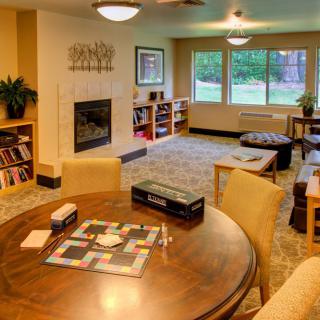






 Caring for Those Who Care: Recognizing, Understanding, and Overcoming Caregiver Burnout
 Caregiver Exhaustion: Recognizing the Signs and Restoring Your Well-Being
 Understanding Hospice Care at Home: Comprehensive Services, Key Benefits, and Eligibility