
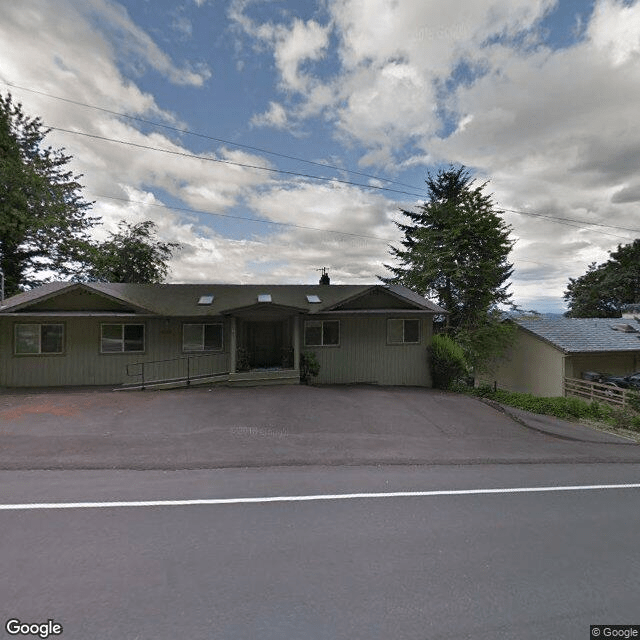
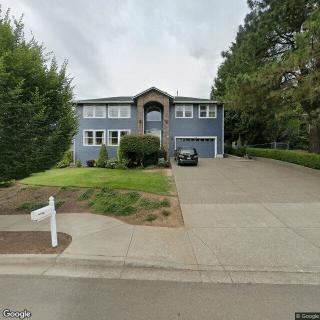
5795 Skyline Drive, West Linn, OR 97068
To contact a resident: (503) 534-3086
For more information about senior living options: (866) 208-4318
Skyline Adult Care Costs & Pricing
Skyline Adult Care offers competitive pricing for its private rooms at $3,000 per month, which positions it favorably against the broader market in Clackamas County and the state of Oregon. In comparison, the average monthly cost for similar accommodations in Clackamas County is approximately $3,373, while the state average rises to around $3,424. This pricing structure not only highlights Skyline Adult Care's commitment to affordability but also reflects its dedication to providing quality care without compromising on service standards. Residents can find peace of mind knowing they are receiving exceptional value within a supportive community environment.
| Floor plans | Skyline Adult Care | Clackamas County | Oregon |
|---|---|---|---|
| Private | $3,000 | $3,373 | $3,424 |
Senior living communities with a similar price nearby
-
About the same
A Piece of Heaven
$3,000 / month4.2 miles away -
from -$500 / mo
Mapleview Manor, LLC
$2,500 / month4.2 miles away -
About the same
Yamhill Senior Care Home
$3,000 / month11.8 miles away -
About the same
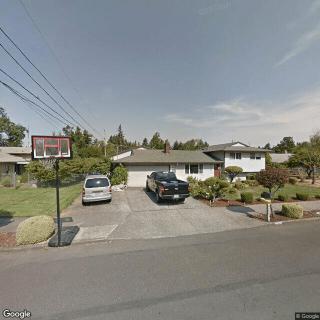
Peaceful Lighthouse Adult Care Home
$3,000 / month13.9 miles away -
from +$500 / mo
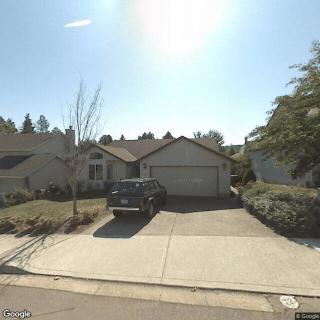
Fulga's ACH
$3,500 / month13.0 miles away
Overall Review of Skyline Adult Care
Pros
 The family was consistently impressed with the loving, patient, attentive care the mother received at Skyline and could not imagine her being looked after any better.
- Adriana kept them informed and was flexible and accommodating, and Angi and Tami went above and beyond.
- Skyline provides a bright, clean, compassionate space for residents, and the family recommends it without reservation.
- All categories at Skyline Adult Care receive top marks; it is a quiet, competent home with no chaos or drama and a lovely view.
- Adriana, Anna, and the other caregivers were wonderful to the mother and her family, and Anna clearly loved her.
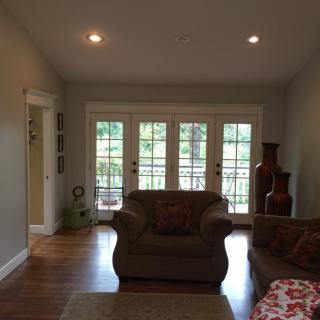
- The facility is clean and well kept, with a beautiful common area, a lovely deck, and a great view.
- The staff is friendly, the facility is very clean, there have been no complaints about the food, and the one-on-one care and attention are appreciated.
Cons
 The tour caregiver seemed insensitive toward the residents.
Review
Skyline Adult Care in West Linn is best suited for families seeking a quiet, intimate, home‑like assisted living experience where one‑on‑one attention and gentle, compassionate care are the norm. The community naturally fits residents who are in or near end‑of‑life care or who require steady, personal oversight without the bustle of a larger facility. Families repeatedly praise the closeness of communication with ownership and staff, and they value a setting that feels like a private residence, clean, bright, and with a view that adds comfort. In short, Skyline excels for frail elders who want consistency, warmth, and a sense of safety delivered in a small, drama‑free environment.
Those prioritizing highly structured daily programming, robust activity calendars, or advanced clinical oversight may want to consider alternatives. Skyline’s strength is precisely its calm, home atmosphere rather than a bustling, activity‑driven schedule. A tour experience noted by one reviewer highlights the importance of verifying staff sensitivity during visits, suggesting that personal interactions should be assessed as part of the decision. While food generally receives positive remarks, expectations around meals can depend on individual routines and preferences. For residents who require memory‑care resources, formal rehab, or more intensive programming, Skyline may not be the optimal fit.
On the upside, care at Skyline is consistently described as loving, patient, and attentive. The owner and operator, Adriana, is repeatedly cited for clear, proactive communication and a willingness to accommodate special requests, which reduces anxiety during challenging transitions. Caregivers such as Angi, Tami, and Anna emerge as standout performers, consistently going above and beyond to ensure a loved one feels secure and valued. The environment reinforces this trust, bright and clean, with a quiet, low‑drama vibe and a deck that offers a comforting view. The net effect is a cohesive sense of stability and personal attention that outsize any potential gaps in structured programming.
Prospective families should lean into Skyline’s strengths while validating fit for individual needs. Inquiries should cover how daily routines are structured and how one‑on‑one care is delivered, particularly for residents with hospice or palliative goals. It is essential to understand staffing patterns, responsiveness, and how changes in condition are communicated. Tours should scrutinize real interactions between staff and residents, the cleanliness of living spaces, meal options, and privacy safeguards. The positive thread of Adriana’s flexibility and willingness to adapt should be weighed against the resident’s desire for a tranquil, predictable environment with dependable caregivers and a strong view or outdoor access.
Alternatives become more compelling for families who require more activity, broader programming, or greater medical intensity. Facilities that offer structured day programs, formal memory‑care tracks, or on‑site nursing with round‑the‑clock oversight may better meet residents who resist quiet, home‑like routines or who crave more social engagement. Skyline’s hallmark remains its hands‑on, personal approach and low‑drama atmosphere, which can be exactly what some families want for dignity, consistency, and individualized attention. The reviews imply that, within its niche, Skyline delivers a level of care that is hard to match when a calm, home‑style setting matters most.
Overall, Skyline Adult Care stands out as a top option for the right client: a small, compassionate, home‑like setting where one‑on‑one attention and clear communication are the default. It is particularly well suited to families navigating hospice or end‑of‑life care, or to residents who thrive in a serene, predictable routine and a strong sense of safety. The best approach is a thorough, in‑person visit that tests compatibility with staff, requests concrete care plans, and confirms willingness to adapt as needs evolve. When these conditions align, Skyline delivers genuine peace of mind, a beautiful environment, and care that feels more like a family home than a facility.
 Board and Care Home
 Activities on-site
 Bath tubs
 Indoor common areas
 Outdoor common areas
 Private
 Private bathrooms
 Wheelchair accessible showers
 Portland International (15 miles away)
 Ambulatory care
 Diabetic care
 High acuity care
 Meals provided



 8 Essential Assistive Devices for Older Adults
 Navigating the Financial Road to Nursing Home Care: In-Depth Guidance and Resources
 Supportive Employee Benefits That Help Caregivers Attain Better Work-Life Harmony