

4212 Marolf Place, Tillamook, OR 97141
For more information about senior living options: (866) 208-4318
Kilchis House Costs & Pricing
Kilchis House offers competitive monthly rental rates that significantly undercut both Tillamook County and state averages across various room types. For instance, a studio at Kilchis House is priced at $2,279, providing a savings of over $500 compared to the county's average of $2,782 and nearly $1,550 less than Oregon's average of $3,815. Similarly, the one-bedroom units at Kilchis House are available for $2,565, which is more than $700 cheaper than the county and almost $1,350 less than the statewide figure. Even in the two-bedroom category, where Kilchis House charges $2,920, residents benefit from lower costs compared to Tillamook County's average of $3,135 and Oregon's higher average of $4,436. This pricing strategy not only makes Kilchis House an attractive option for potential renters but also positions it as a cost-effective living solution within the broader market context.
| Floor plans | Kilchis House | Tillamook County | Oregon |
|---|---|---|---|
| Studio | $2,279 | $2,782 | $3,815 |
| 1 Bedroom | $2,565 | $3,284 | $3,904 |
| 2 Bedrooms | $2,920 | $3,135 | $4,436 |
Assisted Living communities with a similar price nearby
-
from -$229 / mo
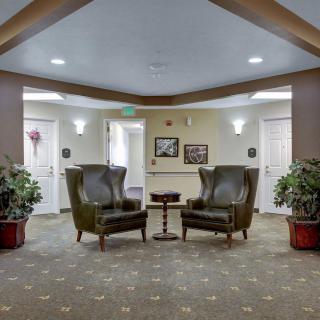
Prestige Senior Living Five Rivers
$2,050 to $4,300 / month0.8 miles away
Overall Review of Kilchis House
Pros
 The staff are kind, caring, and loving toward patients.
- Staff treat residents with dignity and respect.
- Residents love it there.
- The facility is a warm, caring community that puts residents first.
- The staff are good people who provide good care all around.
Cons
 The facility is an absolute disaster.
- They do not put the residents first.
- The staff are incompetent and the administration is very ineffective and lacks accountability.
- They would not recommend placing any relatives there.
- They still are not allowing visitors, even after Covid restrictions were lifted.
- Families report that the living conditions have only gotten worse.
- The place is a mess and needs to change or be shut down.
Review
Kilchis House in Tillamook is best suited for seniors who prize a warm, person-centered caregiving culture. Reviewers consistently describe staff who are kind, attentive, and devoted to residents' dignity, with care that feels personal rather than transactional. The community atmosphere comes across as welcoming and homelike, where residents are known and treated with respect. For families seeking daily reassurance that a loved one will receive patient, respectful attention and a friendly, supportive environment, Kilchis House offers a compelling fit.
That strength, however, exists alongside red flags that warrant careful scrutiny. One critical voice condemns the operation as an absolute disaster, accusing staff of incompetence and administration of ineffectiveness and poor accountability. The same account notes ongoing visitation restrictions despite broader changes elsewhere, and reports that living conditions have deteriorated. The upshot is a facility that can feel warm on a good day but may exhibit systemic weaknesses in oversight and governance. Families should consider alternatives if reliable oversight, transparent communication, and steady administrative leadership are nonnegotiable requirements.
Where Kilchis House earns confidence is in the day-to-day warmth. Multiple accounts praise “good people” and a culture that puts residents first, translating into genuine kindness, respect, and a comfort-focused approach. For residents who need steady contact, frequent reassurance, and responsive aides, those pros can translate into meaningful quality-of-life improvements. The challenge is whether that goodwill can be sustained when management or policy gaps surface, because without dependable accountability the positive day-to-day experience can become fragile.
That tension points to the decision hinge: the pros are real and tangible, but they sit beside a significant potential risk if administrative issues persist. A caring staff with a resident-first mindset matters greatly for daily happiness and safety, yet effective supervision, consistent staffing, and transparent problem-solving are equally essential for long-term security. Potential residents should probe how the facility handles complaints, track record of staff training, turnover, and how promptly concerns are resolved. If governance feels opaque or reactive, the morning warmth may not compensate for longer-term instability.
Practical next steps involve a targeted information-gathering plan. Schedule in-person visits with administrative leadership, request current staffing ratios and shifts, review recent incident or care-planning updates, and talk with current residents and families about consistency of care and responsiveness. Verify whether visitor policies have shifted back toward openness, and ask about ongoing quality-improvement efforts. Compare Kilchis House with nearby alternatives that offer stronger governance, clearer accountability, and demonstrated maintenance of living conditions to determine which risk-reward balance aligns with the family’s expectations and the resident’s needs.
Bottom line: Kilchis House presents a credible option for those who value a warm, dignified care experience and a close-knit community. The key question is whether administrative reliability and open communication can be verified and sustained; if so, residents will likely thrive on the daily kindness and personal attention. If governance concerns, inconsistent staffing, or restricted visitation matter more than immediate warmth, it is prudent to explore other communities first. A deliberate site visit, candid conversations with staff and current residents, and a careful comparison with alternatives will reveal whether Kilchis House is the right long-term home or a bridge to a more stable option.
 36 resident community capacity
 Assisted Living
 Activities on-site
 Beauty salon
 Cable or satellite TV
 Devotional services off-site
 Dining room
 Fully furnished
 Garden
 Housekeeping services
 Indoor common areas
 Kitchenette
 Move-in coordination
 Outdoor space
 Restaurant-style dining
 Small library
 Telephone
 Wi-Fi/high-speed internet available
 24-hour call system
 Ambulatory care
 Assistance with bathing
 Assistance with dressing
 Assistance with transfers
 Diabetes diet
 Diabetic care
 Medication management
 Mental wellness program
 Special dietary restrictions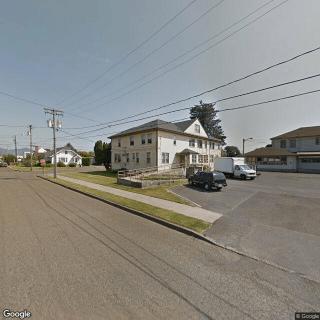



 Securing Financial Support for Assisted Living: A Comprehensive Overview
 Social Security Benefits and Assisted Living: Navigating Options Across the U.S.
 An Extensive Exploration of the VA Aid and Attendance Benefit