The Atrium At Flagstone in The Dalles, OR

Save

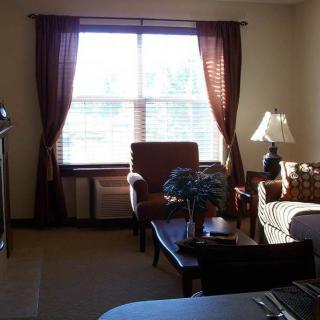
  • Interior

    A cozy hotel room with a window, armchairs, and a lamp.
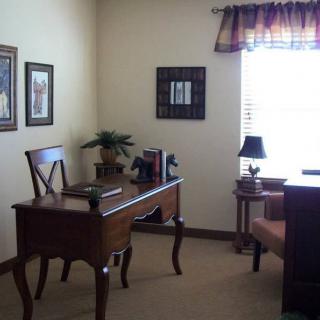
  • Decor

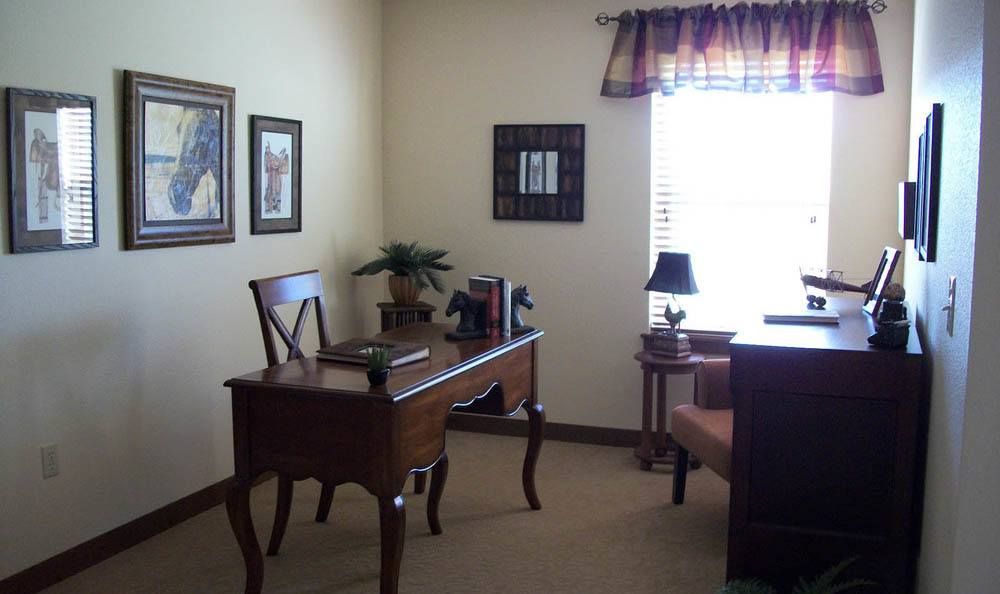
    A small, neatly arranged office space with a wooden desk and chair, adorned with books and decorative elements near a window that lets in natural light.
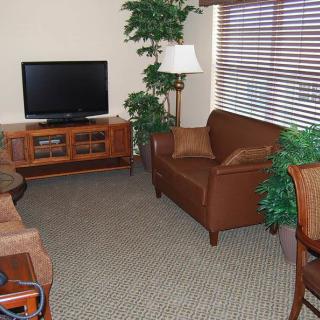
  • Living Room

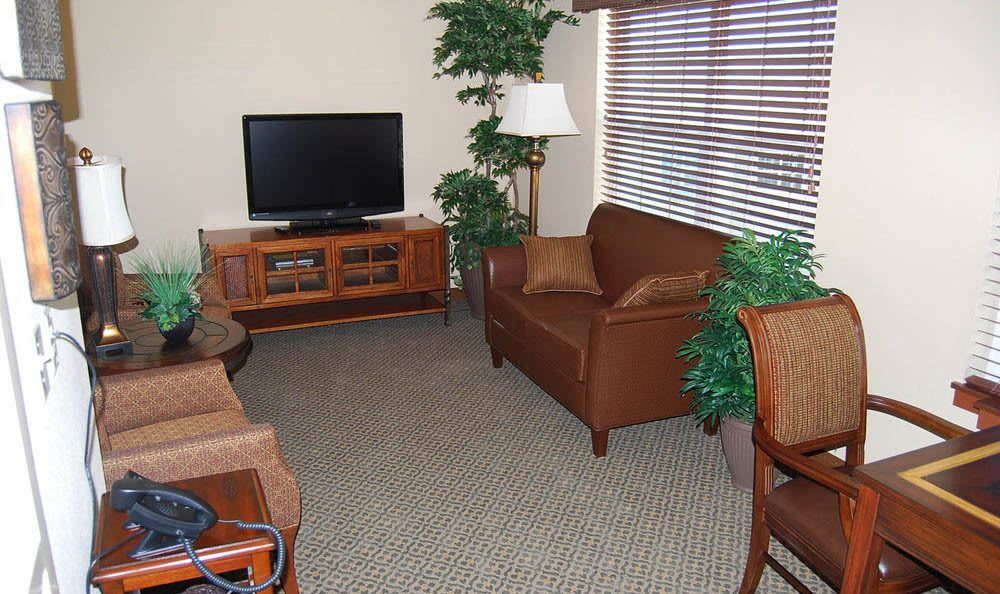
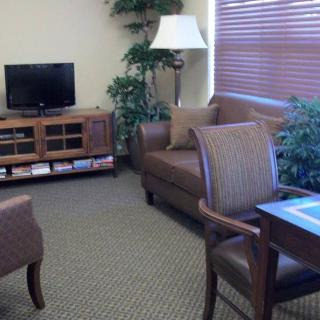
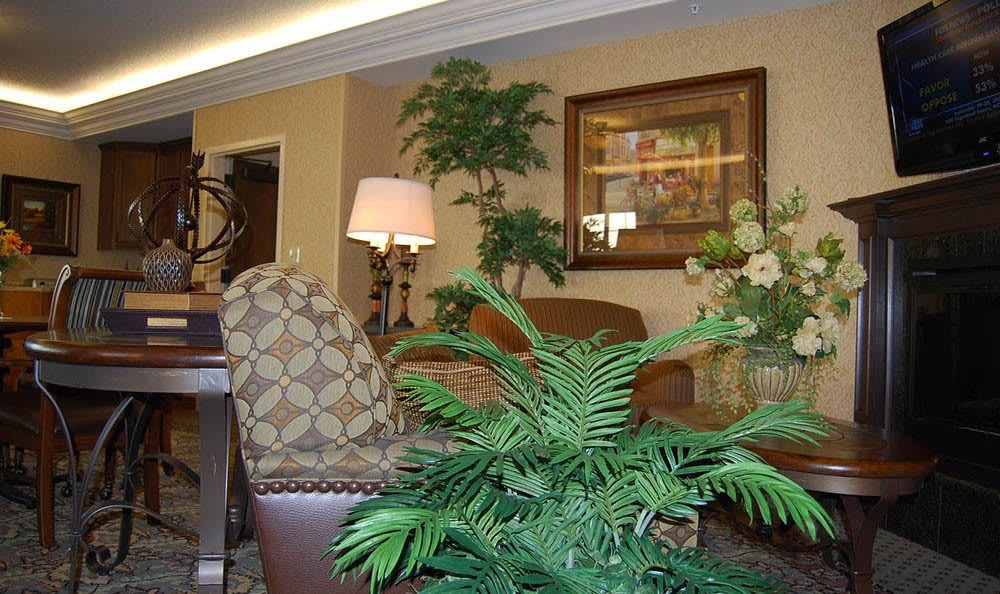
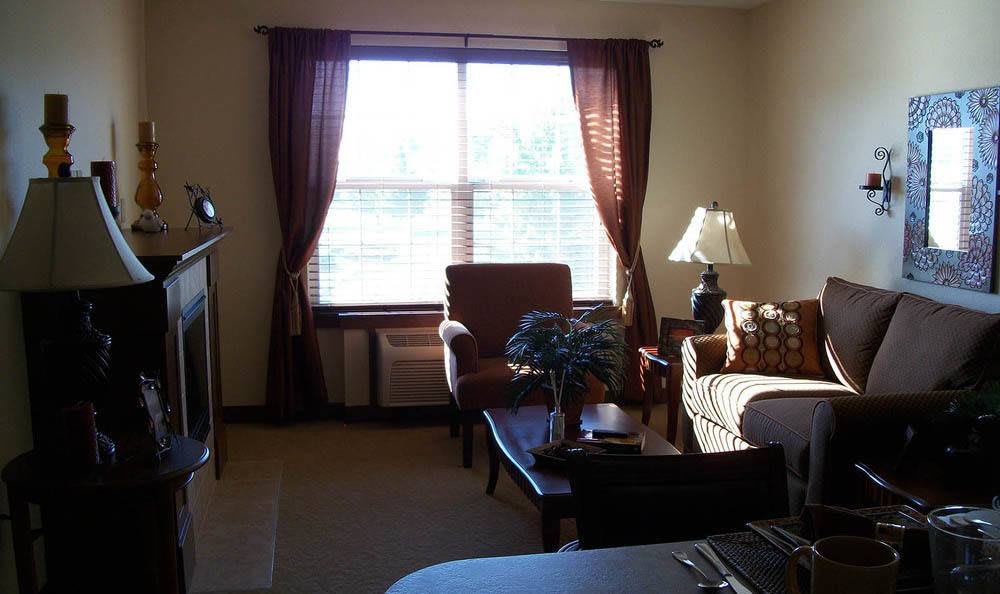
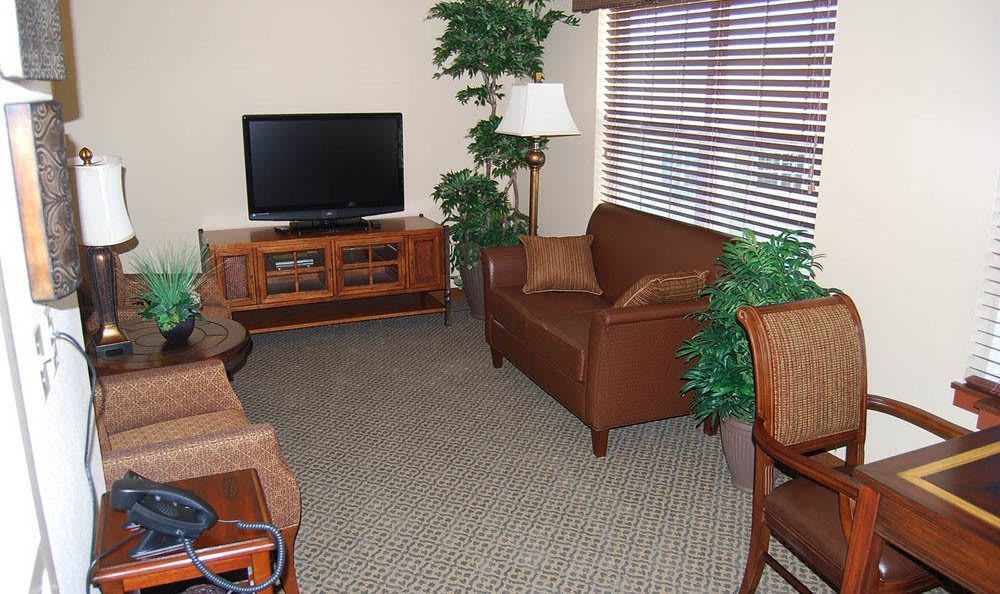
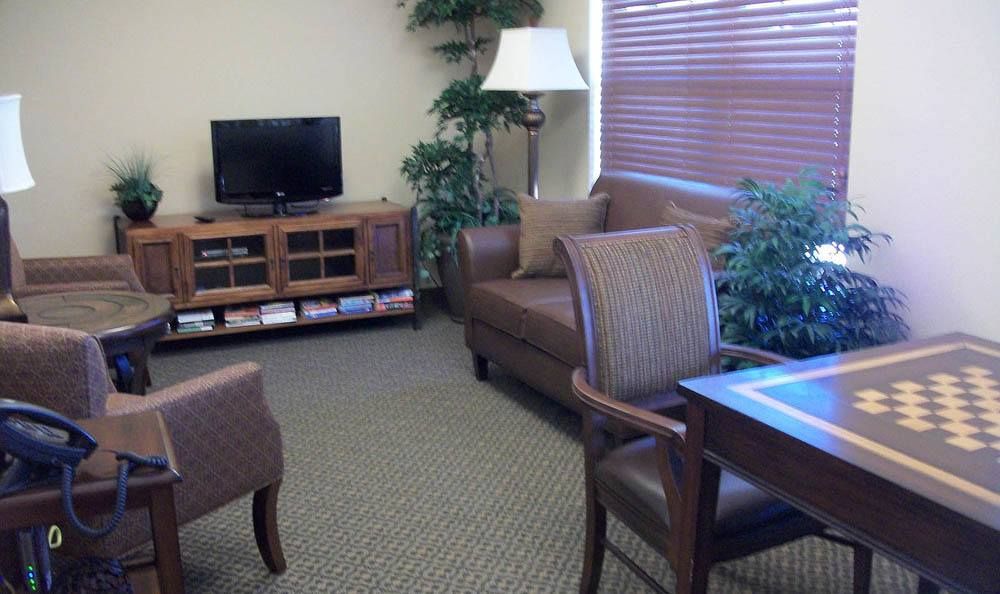
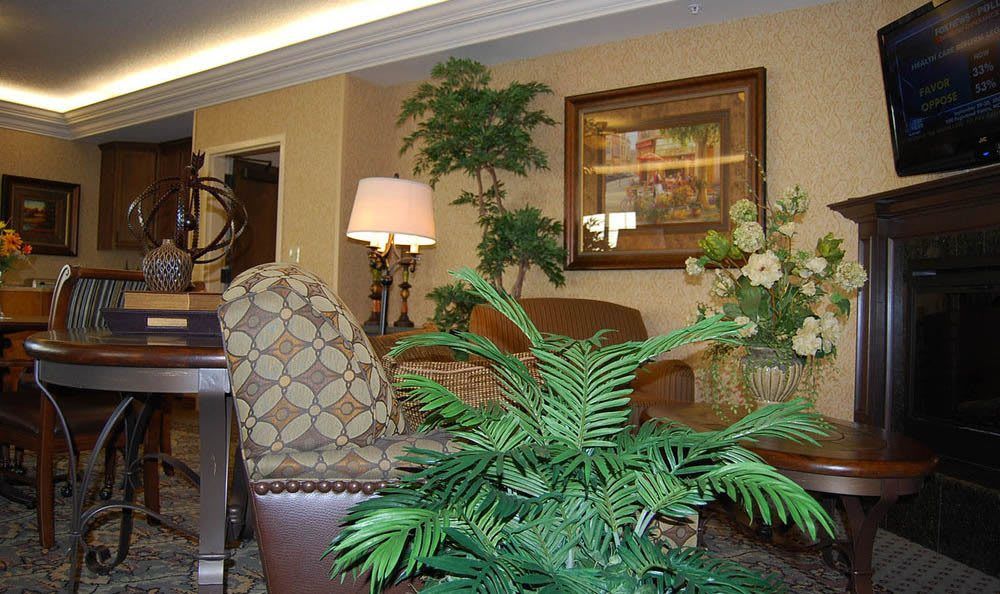
    A cozy living room with a television, brown furniture, and indoor plants.
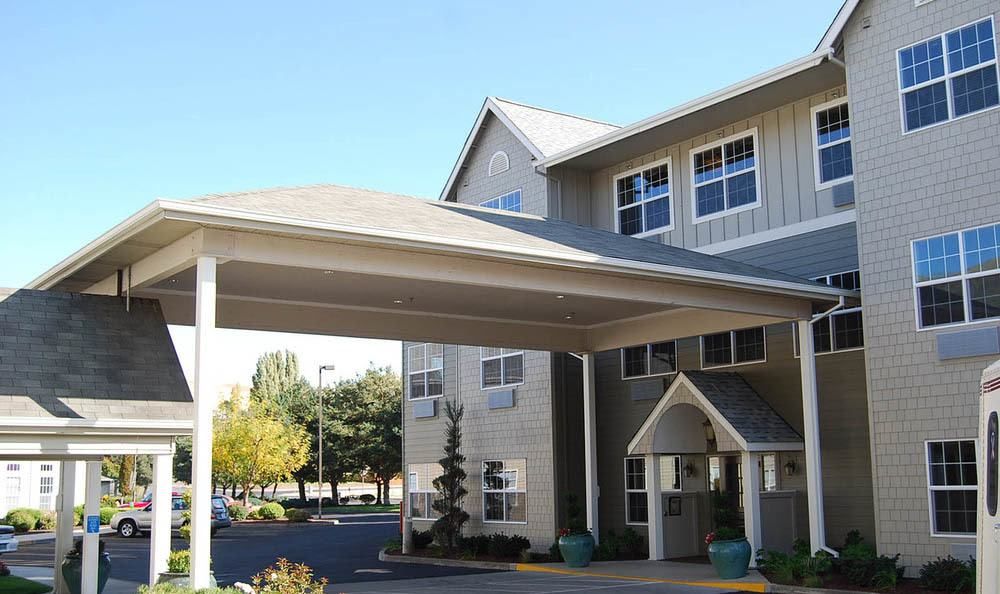
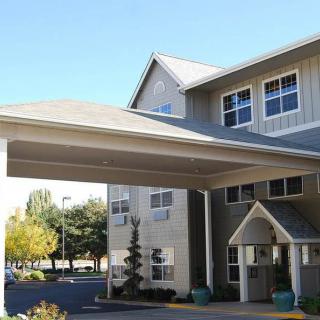
  • Building

    A hospital entrance with a covered canopy and a multi-story building.
  • Bedroom

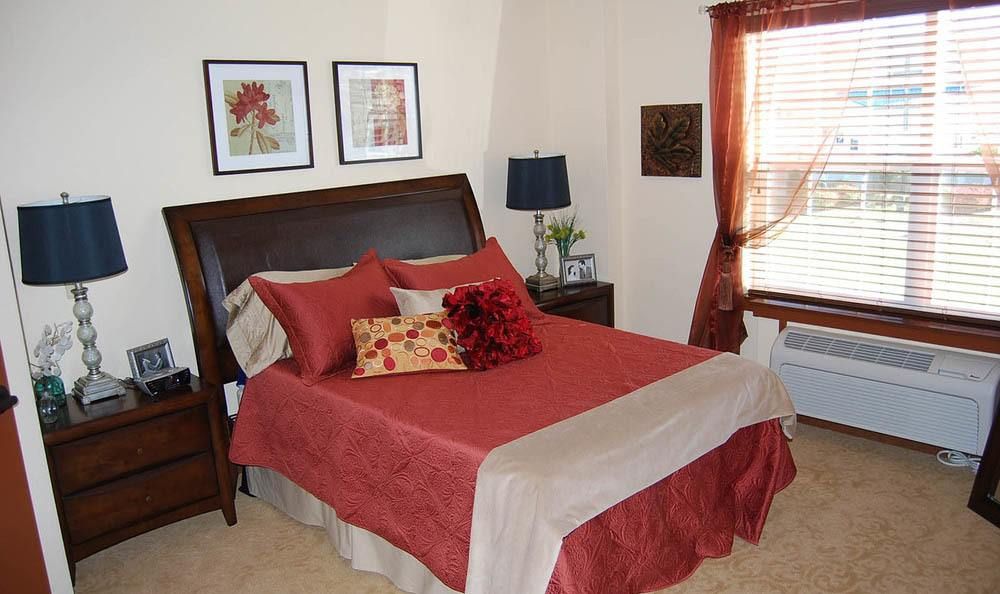
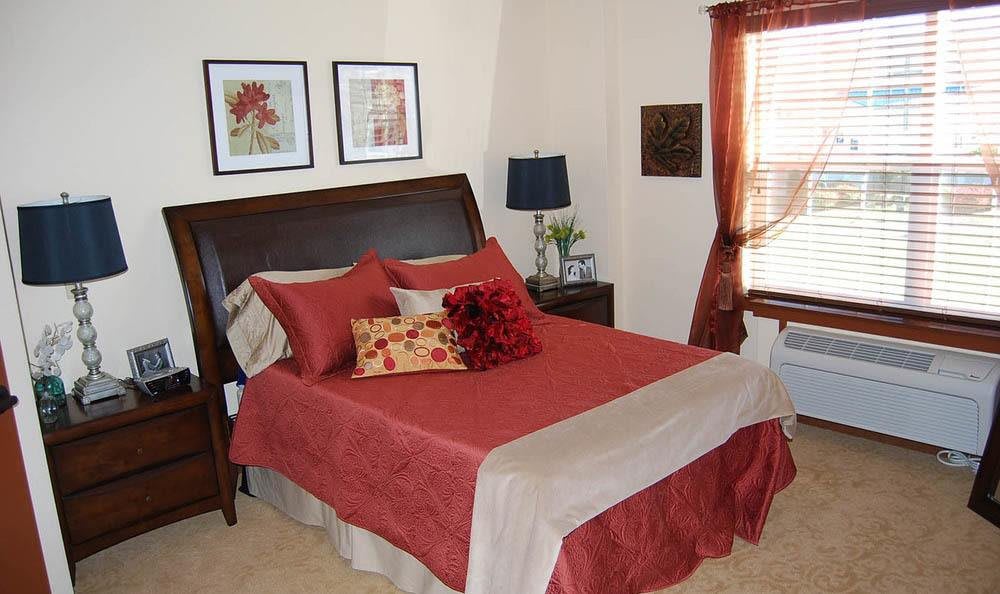
    A cozy bedroom featuring a bed with red bedding and decorative pillows, complemented by bedside tables and wall art.
  • Windows

    A cozy bedroom with red bedding and stylish decor.
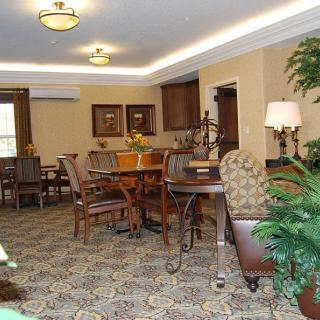
  • Dining

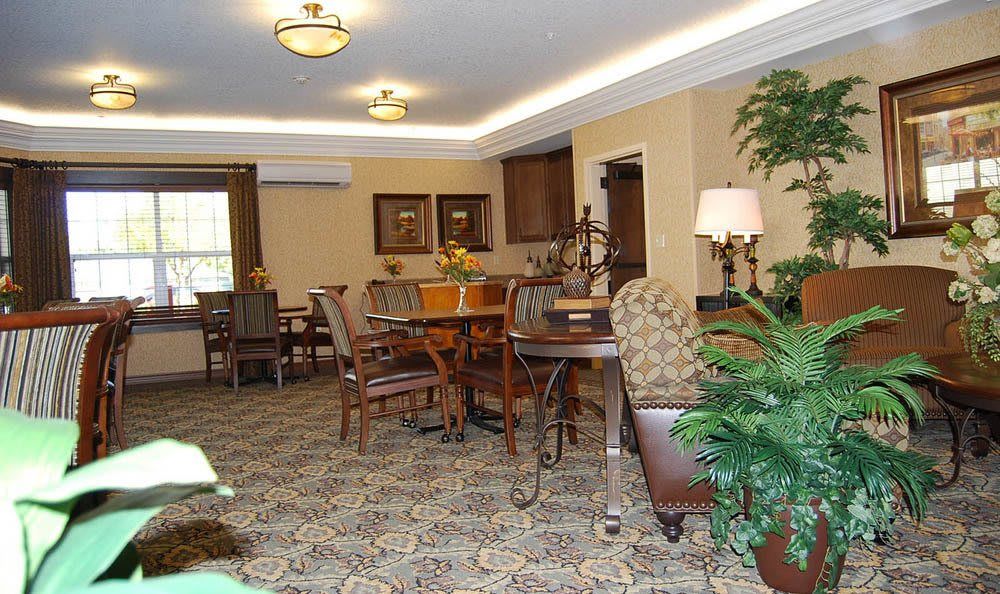
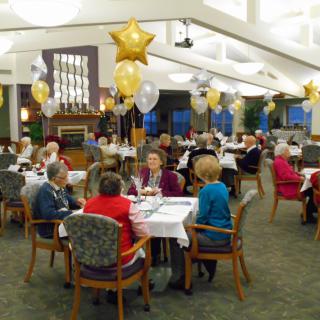
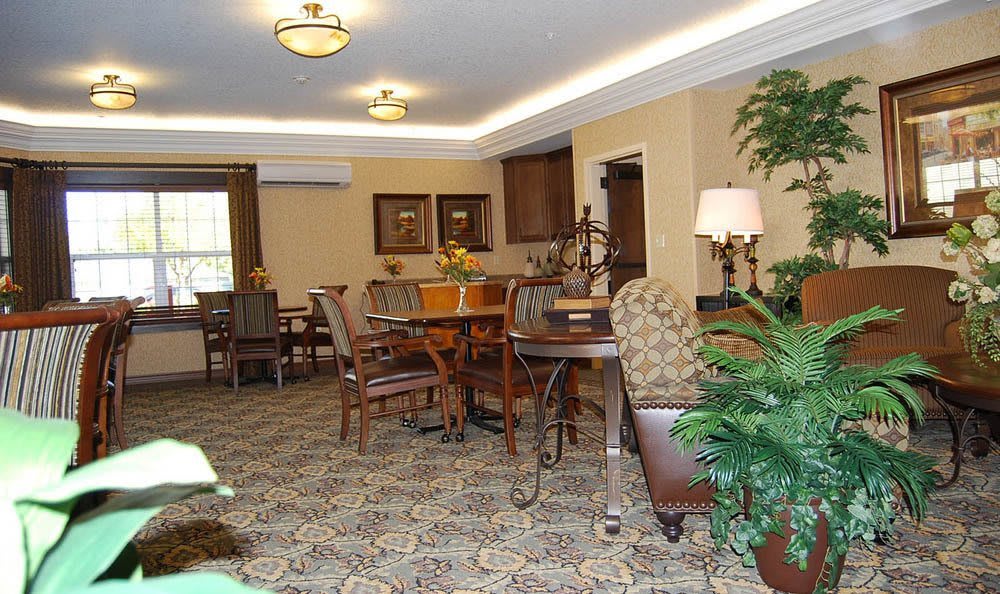
    A cozy dining room with elegant furniture and decorative plants.
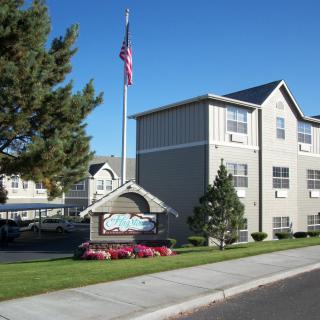
  • Landscaping

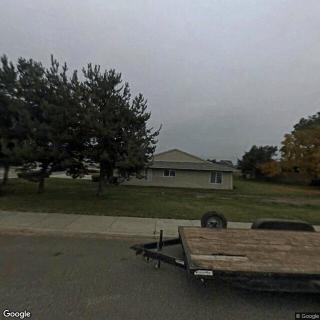
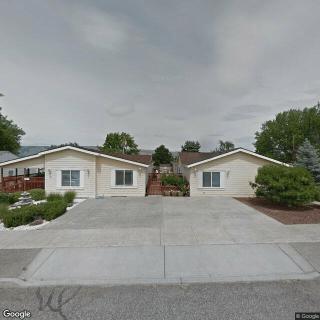
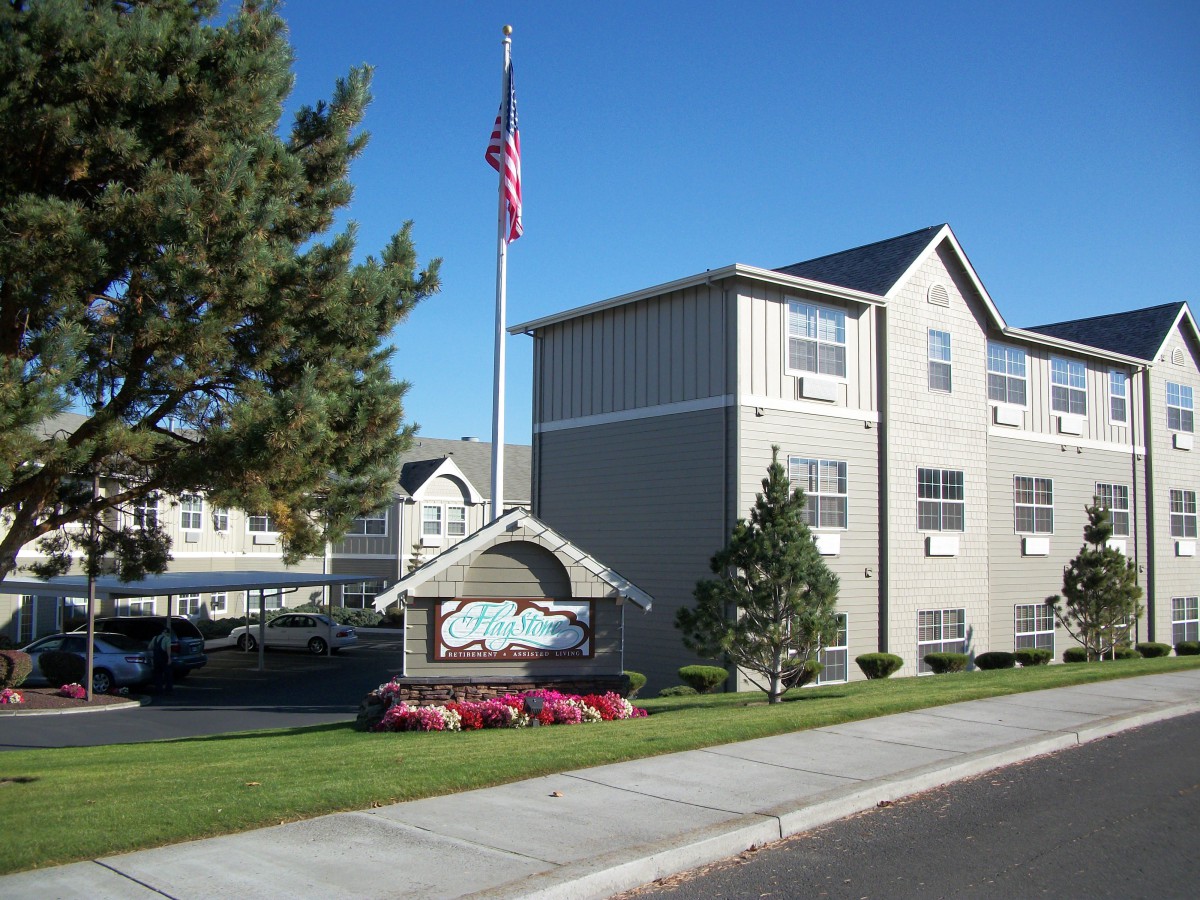
    An apartment complex with an American flag and well-maintained landscaping on a clear day.
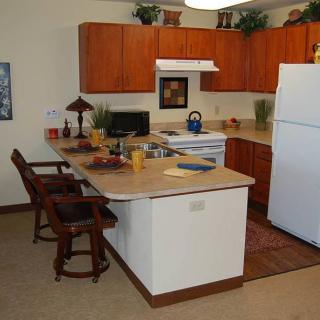
  • Kitchen

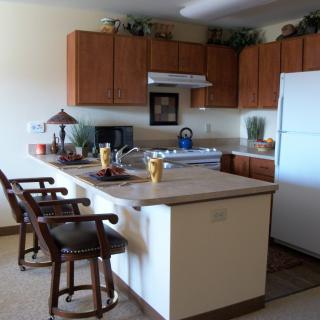
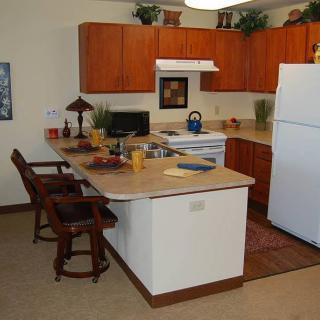
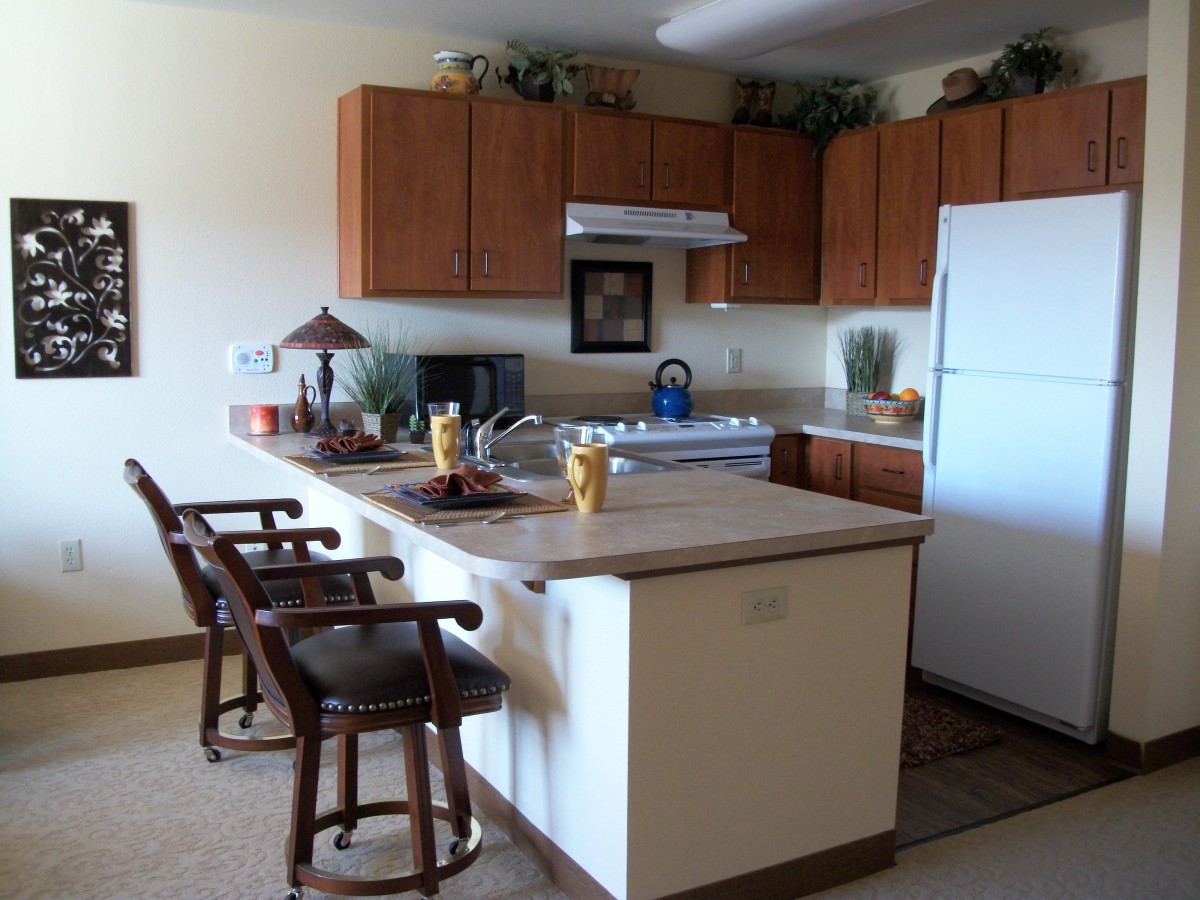
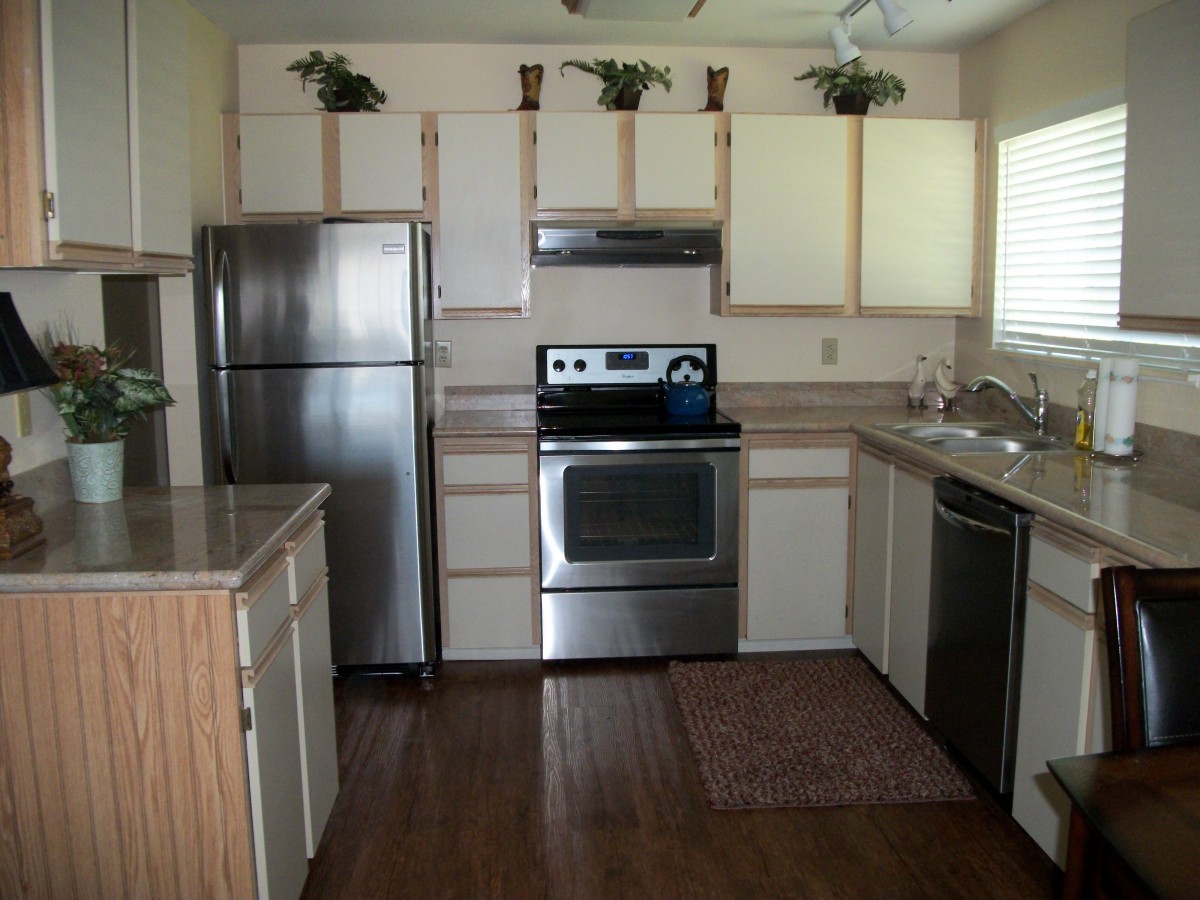
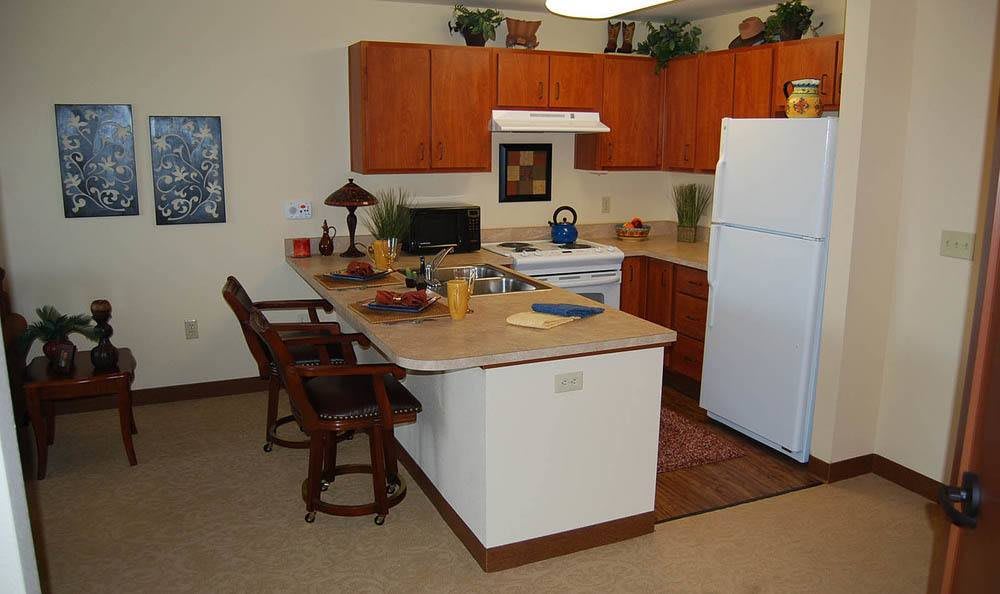
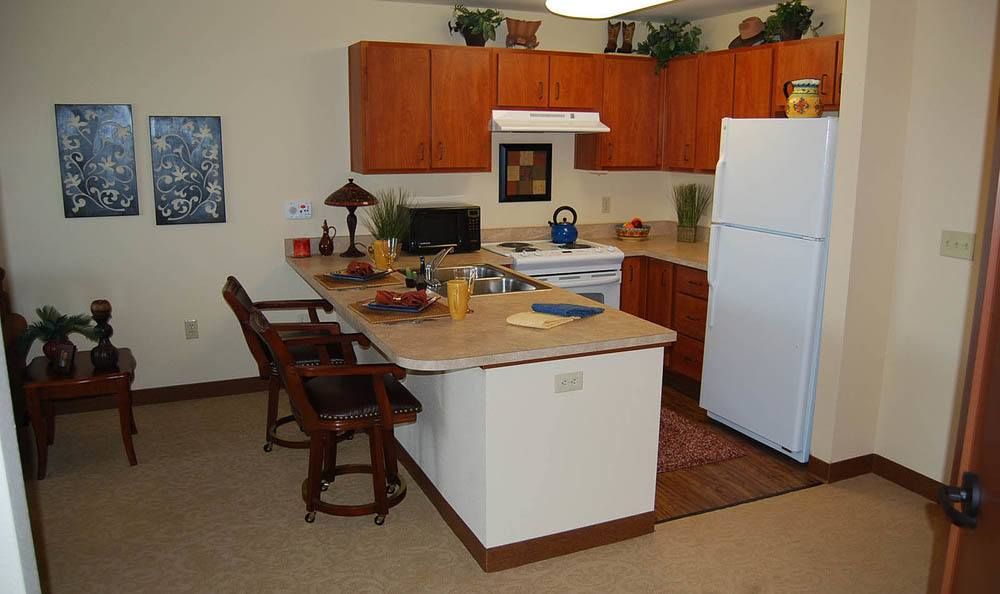
    A cozy kitchen interior with a counter, bar stools, and modern appliances.
  • Artwork

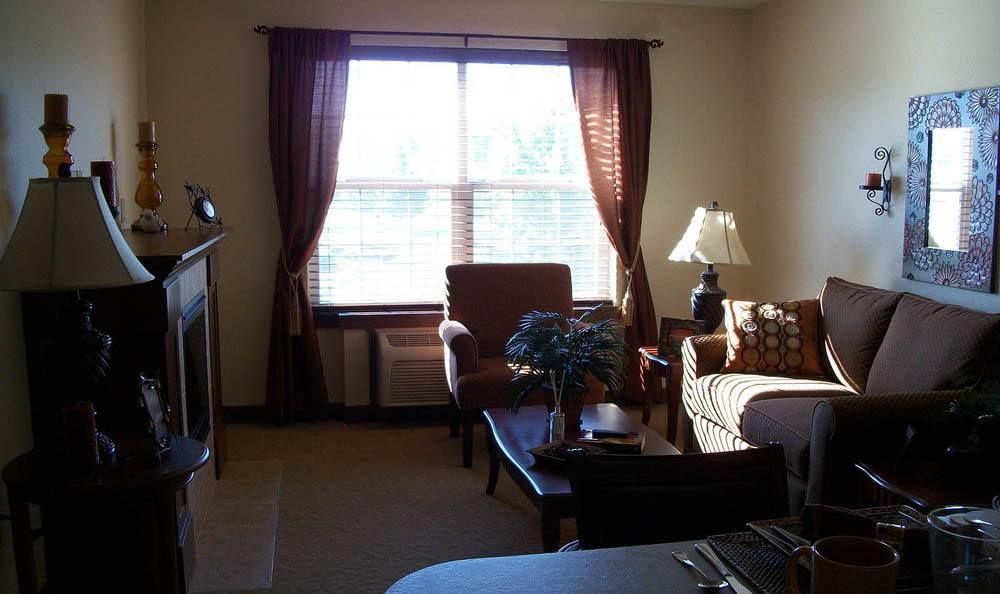
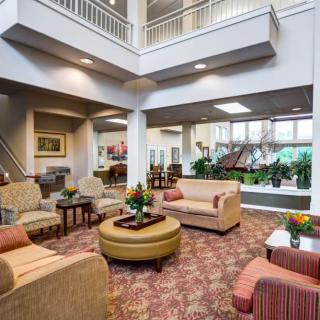
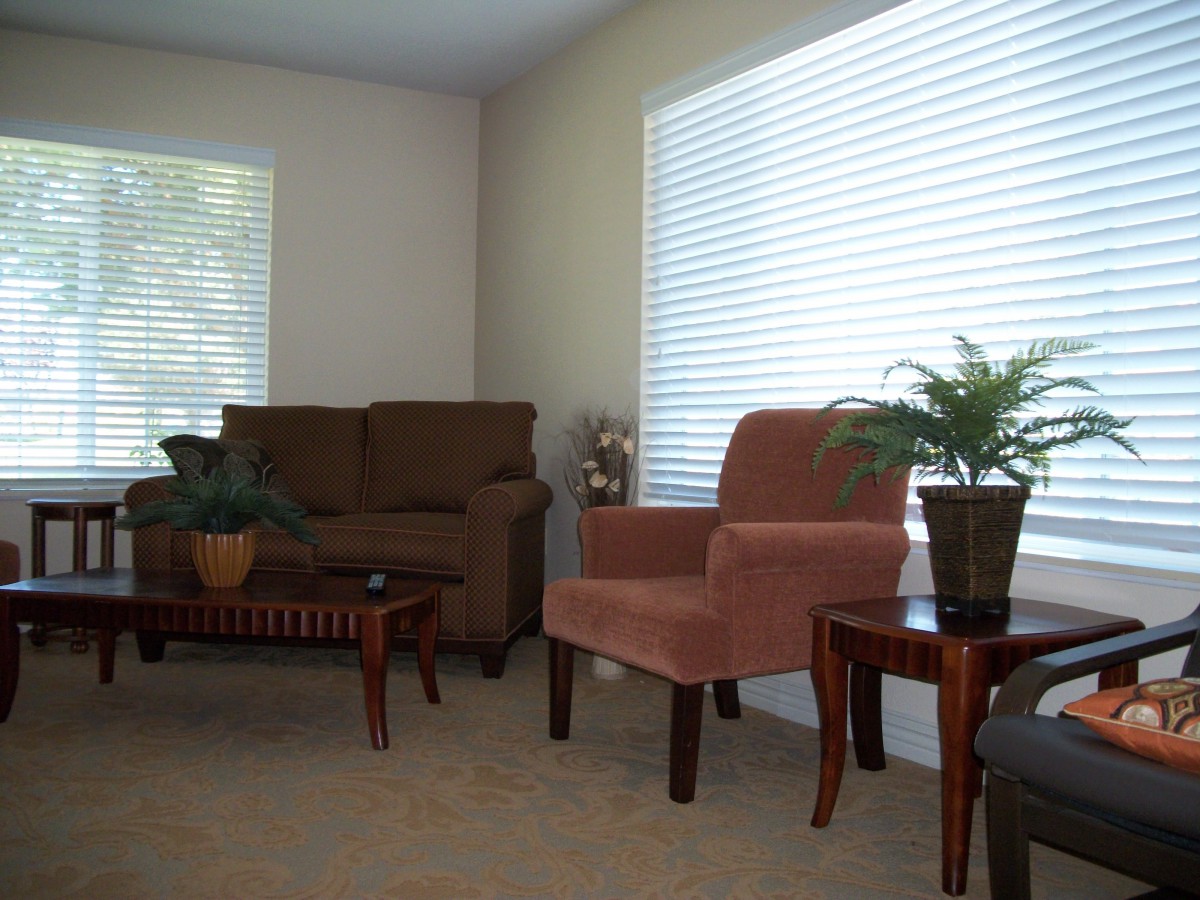
    A cozy living room featuring comfortable chairs, decorative plants, a table lamp, and wall art.
  • Television

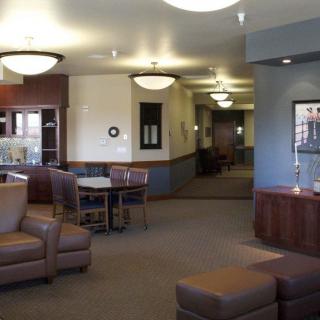
    A cozy waiting room with a television, sofa, chairs, and indoor plants.
  • Appliances

    A modern kitchen with wooden cabinets, a large white refrigerator, and a countertop with bar stools.
  • Cabinets

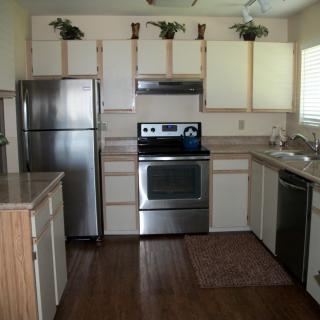
    Modern kitchen with stainless steel appliances and wooden cabinets.
  • Refrigerator

    A cozy kitchen with wooden cabinets, a refrigerator, and a counter with stools.

The Atrium At Flagstone in The Dalles, OR

3325 Columbia View Drive, The Dalles, OR 97058

For more information about senior living options: (844) 490-3973

3.8 from 56 reviews
5 stars
27
4 stars
13
3 stars
2
2 stars
4
1 stars
10

Assisted Living Independent Living Memory Care

The Atrium At Flagstone Costs & Pricing

The Atrium At Flagstone offers competitive pricing for its various room types compared to county and state averages. For a one-bedroom unit, residents can expect to pay $2,600 per month, which is significantly more affordable than the Wasco County average of $2,930 and the Oregon average of $3,904. Similarly, the two-bedroom option at $3,400 remains on par with the local county price of $3,450 while providing substantial savings compared to the state average of $4,436. However, it's worth noting that the studio rate at $5,200 exceeds both the Wasco County figure of $3,468 and Oregon's average of $3,815, indicating a premium for this particular layout. Finally, the semi-private accommodation is priced at $5,800. While this surpasses Wasco County's average of $5,033 and aligns closely with Oregon's lower average of $4,457, it suggests a distinct market positioning aimed at delivering enhanced services or amenities within The Atrium At Flagstone. Overall, these figures reflect thoughtful pricing strategies designed to appeal to varying needs within the community while maintaining a high standard of living.

Floor plansThe Atrium At FlagstoneWasco CountyOregon
1 Bedroom$2,600$2,930$3,904
2 Bedrooms$3,400$3,450$4,436
Studio$5,200$3,468$3,815
Semi-Private$5,800$5,033$4,457

Overall Review of The Atrium At Flagstone

Pros

  • pro The staff are friendly and helpful, answering questions.
  • pro The building layout, property, and view are appealing to visitors and residents alike.
  • pro Memory care is described as the best in town, with staff who truly care about the seniors.
  • pro The facility is nicely maintained with fresh paint and well-kept grounds.
  • pro There is a wide variety of activities for residents, and meals are well balanced.
  • pro The memory care team works together to keep residents safe and well cared for.
  • pro The kitchen crews are excellent, and meals are wonderful.
  • pro The community is beautiful, with awesome staff and outstanding residents.
  • pro Residents seem happy and engaged, with great outdoor areas and a warm, family atmosphere in memory care.
  • pro Care providers are sincere, friendly, and professional in their interactions with residents.

Cons

  • pro The memory care is severely understaffed and undertrained.
  • pro There were frequent reports of neglect and unresponsiveness to family feedback in memory care.
  • pro The facility is dilapidated and not well maintained, with safety concerns.
  • pro Medications were not given on time or correctly.
  • pro Residents could wander into private rooms, which felt invasive.
  • pro Hidden fees and billing inconsistencies left families unsettled.
  • pro The director did not return calls and often canceled meetings, leaving families unheard.
  • pro Staff were underpaid and overworked, with high turnover.
  • pro There was no protocol for COVID-19 at the facility.
  • pro Belongings were disposed of or not returned to families, violating trust.
  • pro Memory care neglected a resident (infrequent showers, denture care lapses, and multiple falls).
  • pro The facility failed to notify the family when a loved one died.

Review

The Atrium At Flagstone in The Dalles is best suited for families seeking a warm, visually appealing senior living community where staff interactions feel personable and residents can participate in a lively, varied calendar of activities. This campus excels for memory-care residents whose families are prepared to stay engaged, advocate consistently, and monitor care closely. Those who require unwavering, tightly regulated clinical oversight, or who cannot tolerate frequent turnover or administrative hiccups, may want to consider alternatives with a more stability-focused leadership and stricter quality controls.

On the plus side, the pros consistently cited are the human touches and the setting. Reviewers praise friendly, attentive staff who create a welcoming atmosphere, and families repeatedly mention how the building itself, the views, and the grounds contribute to a sense of well-being. The campus supports a broad slate of activities, an in-house salon, and well-balanced meals, all of which help residents feel engaged and comfortable day-to-day. For many families, the combination of a bright memory-care unit, visible staff warmth, and a thoughtfully maintained property translates into real peace of mind and meaningful, daily routines for their loved ones.

However, the most persistent concerns center on staffing stability and care consistency. A substantial thread in the reviews points to understaffing and turnover, with accounts of mixed training and uneven responses to residents' needs. Issues around medication timing, documentation, and general responsiveness in memory care are repeatedly raised, alongside reports of lapses in hygiene, assistance with showers, and even preservation of resident property. Accounts of billing disputes, management turnover, and hurried or fractured communication between departments reinforce a pattern: when staffing is thin or misaligned, the quality of daily care and the reliability families rely on can falter.

These realities don't erase the points in favor; they simply set a reality check. When motivated staff are present and well-led, the care experience can be genuinely positive - families recount staff who go above and beyond, attentive nursing oversight, and a sense that residents are "well known" and valued. The remodeled interiors, fresh paint, and clean landscapes elevate the feeling of safety and pride in the community. In short, the pros of staff warmth, a strong activity program, pleasant surroundings, and visible commitment from certain nursing leadership can offset a portion of the cons for families who can actively monitor and engage with the process rather than assume everything will be flawless.

Prospective residents should approach with a concrete plan for oversight. Before moving, families should request a transparent review of staffing schedules, a recent list of caregiver-to-resident ratios, and a clear process for med administration and accident reporting. It is wise to verify the current ownership and leadership structure and ask how changes have been handled, especially regarding memory-care oversight and activity offerings that align with individual needs. In parallel, seek detailed explanations of any past billing disputes, and set up a routine communication channel with a primary contact to ensure concerns are acknowledged and tracked. Visiting with current families and residents can reveal how well the day-to-day reality aligns with the polished presentation.

Ultimately, The Atrium At Flagstone delivers a compelling mix of beauty, engaging programming, and approachable staff that can carry a positive living experience - provided robust advocacy and ongoing oversight are part of the plan. This community aligns best with families who are prepared to partner with administrators, voice concerns, and demand consistent, attentive care - particularly within memory care. For families needing a higher degree of guaranteed consistency, absolutely transparent financial practices, and unambiguous evidence of consistently sufficient staffing, alternatives with stronger track records in clinical governance and long-term stability should be explored. The right fit exists, but it requires active involvement and clear expectations from the outset.

Features

Housing

  • 60 resident community capacity 60 resident community capacity

Types of Care

  • Assisted Living Assisted LivingAssisted living facilities provide crucial support and care for seniors who may need help with daily tasks such as medication management, bathing, and meal preparation. These communities offer a safe and comfortable environment where seniors can maintain their independence while receiving the assistance they need to thrive in their golden years.
  • Independent Living Independent LivingIndependent living communities are important for seniors because they offer a safe and supportive environment where older adults can live independently while still having access to amenities and services that enhance their quality of life. These communities provide social opportunities, recreational activities, and assistance with daily tasks, promoting overall well-being and allowing seniors to maintain their independence for as long as possible.
  • Memory Care Memory CareMemory care is crucial for seniors as it provides specialized support and services for individuals with dementia or Alzheimer's disease. These programs offer a safe and secure environment where residents receive personalized care, cognitive stimulation, and help with daily activities. Memory care helps seniors maintain their independence, quality of life, and dignity while also providing peace of mind for their families.

Amenities

  • Activities off-site Activities off-siteEngaging in off-site activities is crucial for seniors to maintain social connections, stay active, and stimulate their minds. It promotes overall well-being and helps combat feelings of isolation and loneliness.
  • Activities on-site Activities on-siteActivities on-site are important for seniors because they provide opportunities for socialization, mental stimulation, physical activity, and overall well-being. Engaging in activities can help seniors stay active, maintain their independence, and improve their quality of life.
  • Air-conditioning Air-conditioningAir conditioning is important for seniors as they are more vulnerable to heat-related illnesses and may have underlying health conditions that make it difficult for them to regulate their body temperature. It helps to keep them comfortable, safe, and healthy in hot weather.
  • Beautician on-site Beautician on-siteHaving a beautician on-site at a senior living community is important for seniors as it allows them to easily access grooming and personal care services, boosting their self-esteem and overall well-being. It also provides convenience and helps seniors maintain their sense of independence and personal style.
  • Beauty salon Beauty salonBeauty salons are important for seniors because they provide a space for them to feel pampered, socialize, and maintain their personal grooming and hygiene. Regular visits to a beauty salon can help boost seniors' self-esteem and overall well-being.
  • Cable or satellite TV Cable or satellite TVCable or satellite TV is important for seniors because it provides entertainment, news, and companionship, helping to combat loneliness and boredom. It also offers a wide range of programming options tailored to different interests and preferences.
  • Computer center Computer centerA computer center is essential for seniors as it provides access to technology, communication tools, and resources that can enhance their daily lives. It allows them to stay connected with loved ones, engage in online activities, and learn new skills, ultimately promoting socialization and mental stimulation.
  • Devotional services off-site Devotional services off-siteDevotional services off-site are important for seniors as they provide spiritual nourishment, social engagement, and a sense of community outside of the senior living facility. This can enhance overall well-being and help combat feelings of isolation and loneliness often experienced by older adults.
  • Devotional services on-site Devotional services on-siteDevotional services on-site provide seniors with spiritual support and a sense of community, as well as an opportunity for reflection and guidance during their senior living experience. This can promote emotional well-being and connection to others, leading to a more fulfilling and enriching lifestyle in their later years.
  • Dining room Dining roomDining rooms are important for seniors as they provide a space for socialization, connection, and nutritious meals. They offer opportunities for residents to bond over shared meals, foster a sense of community, and promote healthy eating habits. Dining rooms also ensure that seniors have access to well-balanced meals tailored to their dietary needs and preferences.
  • Fitness room Fitness roomHaving a fitness room in a senior living community is essential for seniors to stay active, maintain their physical health, and improve their overall well-being. Regular exercise can help prevent falls, reduce the risk of chronic diseases, and promote mental sharpness. It also provides social opportunities for residents to connect with others and enjoy a sense of community.
  • Fully furnished Fully furnishedFully furnished senior living communities are important for seniors because they provide convenience, comfort, and a hassle-free moving experience. Seniors can easily settle into their new living space without the stress of having to buy and move furniture. This allows them to focus on enjoying their new home and community.
  • Gaming room Gaming roomGaming rooms are important for seniors as they provide a fun and engaging environment for socializing, cognitive stimulation, and physical activity. Games can improve memory, problem-solving skills, and overall mental well-being while fostering friendships and reducing feelings of isolation.
  • Garden GardenGardens are important for seniors as they provide a peaceful and therapeutic environment for relaxation, physical activity, and socialization. Being in nature has been shown to reduce stress, improve mood, and promote overall well-being. Gardens also offer opportunities for seniors to engage in gardening activities, which can improve mobility, flexibility, and cognitive function. Additionally, gardens create a sense of community and connection with others who share a passion for plants and outdoor spaces.
  • Housekeeping services Housekeeping servicesHousekeeping services are important for seniors because they help maintain a clean and safe living environment, promote independence, and reduce the risk of accidents or illnesses. Additionally, having assistance with household chores can alleviate physical strain and allow seniors to focus on other aspects of their well-being.
  • Indoor common areas Indoor common areasIndoor common areas are crucial for seniors as they provide a space for socialization, recreation, and community engagement, promoting overall well-being and reducing feelings of isolation and loneliness.
  • Kitchenette KitchenetteKitchenettes are important for seniors living in senior living communities because they provide the convenience and independence of being able to prepare simple meals and snacks in the comfort of their own living space. This can help promote a sense of autonomy and well-being for seniors, allowing them to maintain some level of control over their dietary choices and daily routines.
  • Move-in coordination Move-in coordinationMove-in coordination is important for seniors because it helps ease the transition into their new living environment. It ensures that all logistics, such as packing, organizing movers, and setting up utilities are taken care of, allowing seniors to focus on settling in and adjusting to their new home. Having a smooth move-in process can alleviate stress and anxiety, making the transition smoother and more enjoyable for seniors.
  • Outdoor common areas Outdoor common areasOutdoor common areas are important for seniors as they provide a space for socialization, physical activity, and relaxation. Being outside in nature can improve mood and overall well-being, while also encouraging movement and engagement with others. These spaces can help combat feelings of isolation and promote a sense of community among residents.
  • Outdoor space Outdoor spaceOutdoor spaces are important for seniors as they provide opportunities for physical activity, social interaction, exposure to natural light and fresh air, and a sense of connection to nature. Having access to outdoor spaces can improve overall well-being and quality of life for older adults living in senior communities.
  • Private bathrooms Private bathroomsPrivate bathrooms are important for seniors in senior living communities because they provide independence, dignity, and comfort. Having a private bathroom allows seniors to maintain their personal hygiene routines without the need for assistance, promoting a sense of autonomy and privacy. Additionally, private bathrooms help prevent the spread of infections and provide a safe and clean environment for seniors to navigate safely.
  • Respite or short term stays offered Respite or short term stays offeredRespite or short term stays provide seniors with a temporary solution when their regular caregiver is unavailable, offering them the opportunity to receive additional care and support during times of need, while also giving caregivers a chance to rest and recharge.
  • Restaurant-style dining Restaurant-style diningRestaurant-style dining is important for seniors because it allows them to enjoy delicious, nutritious meals in a social and upscale setting. This enhances their dining experience, promotes healthy eating habits, and fosters socialization with fellow residents, ultimately contributing to their overall well-being and quality of life.
  • Small library Small librarySmall libraries are important for seniors as they provide access to a variety of reading materials, including books, newspapers, and magazines. This can help stimulate their minds, keep them engaged, and provide a sense of community through book clubs and other social activities. Additionally, reading has been shown to improve cognitive function and overall mental well-being in older adults.
  • Telephone TelephoneTelephones are important for seniors as they provide a lifeline for communication with loved ones, emergency services, and healthcare providers. They offer a sense of security and independence, enabling seniors to stay connected and access assistance when needed.
  • Wellness center Wellness centerWellness centers are important for seniors because they offer a variety of programs and services that promote physical, mental, and emotional well-being. These centers provide opportunities for exercise, socialization, education, and relaxation, helping seniors maintain their overall health and quality of life.
  • Wheelchair accessible showers Wheelchair accessible showersWheelchair accessible showers are crucial for seniors as they provide a safe and independent bathing option for those with mobility challenges. These showers help prevent falls and allow seniors to maintain their dignity and autonomy while ensuring they can bathe comfortably.
  • Wi-Fi/high-speed internet available Wi-Fi/high-speed internet availableWi-Fi/high-speed internet is important for seniors to stay connected with loved ones, access online resources, and participate in virtual activities to combat feelings of loneliness and isolation. It also allows them to easily manage healthcare needs, access entertainment, and engage in lifelong learning opportunities.

Transportation

  • Community operated transportation Community operated transportationCommunity operated transportation is crucial for seniors as it provides them with the means to access essential services, social activities, and medical appointments. It allows seniors to maintain their independence and quality of life by ensuring they can participate in activities outside of their homes. Additionally, community-operated transportation services offer a safe and reliable way for seniors to travel without having to rely on family or friends for assistance.
  • Transportation arrangement Transportation arrangementTransportation arrangements are crucial for seniors as they may face challenges with driving, mobility, or access to public transportation. Having reliable transportation services ensures that seniors can easily attend appointments, social activities, and maintain their independence and quality of life.

Care Services

  • 24-hour call system 24-hour call system24-hour call systems are important for seniors because they provide peace of mind and immediate assistance in case of emergencies. This technology ensures that help is always available, promoting safety and security for elderly individuals living alone or in assisted living facilities.
  • 24-hour supervision 24-hour supervision24-hour supervision is important for seniors to ensure their safety, well-being, and access to immediate assistance in case of emergencies or health issues. This constant support provides peace of mind for both seniors and their loved ones, allowing them to age in place with dignity and security.
  • Activities of daily living assistance Activities of daily living assistanceActivities of daily living assistance are important for seniors because they provide essential support with tasks such as eating, bathing, dressing, and mobility. This assistance helps seniors maintain their independence, dignity, and overall quality of life as they age.
  • Ambulatory care Ambulatory care"Ambulatory care services provide essential medical support and treatment to seniors without requiring hospitalization, allowing them to maintain their independence and quality of life while managing chronic conditions or receiving routine medical care."
  • Assistance with bathing Assistance with bathingAssistance with bathing is crucial for seniors as it helps maintain personal hygiene, prevents infections, and ensures their overall well-being and comfort. It also provides a sense of dignity and independence for seniors who may struggle with this task on their own.
  • Assistance with dressing Assistance with dressingAssistance with dressing is important for seniors because it helps maintain their independence, promotes personal hygiene, prevents accidents and injuries, and improves overall quality of life. This service ensures that seniors can continue to dress comfortably and confidently, despite any physical limitations they may have.
  • Assistance with transfers Assistance with transfersAssistance with transfers is crucial for seniors as it helps prevent falls and injuries, maintains their independence, and ensures they can safely navigate their living environment. It also provides peace of mind for both seniors and their loved ones.
  • Coordination with health care providers Coordination with health care providersCoordination with health care providers is crucial for seniors to ensure proper medical care, medication management, and overall well-being. This collaboration helps prevent overlapping treatments, track progress more effectively, and provide comprehensive support tailored to individual needs.
  • Diabetes diet Diabetes dietA diabetes diet is crucial for seniors as it helps manage blood sugar levels, reduce risks of complications, and improve overall health and well-being. By following a balanced and nutritious diet tailored to their specific needs, seniors can better control their diabetes and enhance their quality of life.
  • Diabetic care Diabetic careDiabetic care is crucial for seniors as they are more susceptible to developing diabetes due to aging and other health conditions. Proper management of diabetes can help prevent complications such as heart disease, vision loss, and nerve damage, improving the overall quality of life for seniors in senior living communities.
  • Incontinence care Incontinence careIncontinence care is essential for seniors to maintain their dignity, hygiene, and overall quality of life. By addressing incontinence issues promptly and effectively, seniors can enjoy a sense of independence and comfort in their daily activities.
  • Meal preparation and service Meal preparation and serviceMeal preparation and service are crucial for seniors as they may have limited mobility or energy to cook nutritious meals. Having access to healthy and convenient food options can ensure they are getting the proper nutrition needed to maintain their overall health and well-being.
  • Medication management Medication managementMedication management is crucial for seniors to ensure they are taking the right medications at the correct dosages and times. This helps prevent adverse drug interactions, reduces the risk of medication errors, and promotes overall health and well-being. Proactive management also allows for adjustments as needed based on changing health conditions or new prescriptions.
  • Mental wellness program Mental wellness programMental wellness programs are essential for seniors as they promote cognitive stimulation, emotional support, and social engagement. These programs help prevent isolation, depression, and cognitive decline, ultimately enhancing the overall quality of life for older adults.
  • Mild cognitive impairment Mild cognitive impairment"Mild cognitive impairment" is important for seniors because it is an early stage of cognitive decline that can potentially progress to more severe conditions such as dementia. Recognizing and addressing mild cognitive impairment can help seniors receive appropriate care and support to maintain their quality of life and independence for as long as possible.
  • Special dietary restrictions Special dietary restrictionsSpecial dietary restrictions are important for seniors because age-related changes in metabolism and health conditions can make it difficult for their bodies to process certain foods. By following a diet tailored to their specific needs, seniors can maintain their overall health and well-being, manage chronic conditions, and reduce the risk of complications such as malnutrition or food interactions with medications.
  • Specialized memory care programming Specialized memory care programmingSpecialized memory care programming is crucial for seniors with cognitive impairments such as dementia or Alzheimer's disease. These programs provide a safe and supportive environment tailored to the unique needs of individuals with memory loss, helping them maintain their independence, dignity, and quality of life.
  • Transportation arrangement (medical) Transportation arrangement (medical)Transportation arrangements for medical purposes are essential for seniors as they may have difficulty driving themselves to appointments or accessing public transportation. Having reliable and safe transportation options ensures that seniors can receive timely medical care and maintain their health and well-being.
  • Transportation to doctors appointments Transportation to doctors appointmentsTransportation to doctors' appointments is crucial for seniors as it ensures they have access to necessary medical care and support for their health needs. Without reliable transportation, seniors may struggle to attend important appointments, leading to potential delays in treatment and health complications. Providing transportation services helps seniors maintain their overall well-being and quality of life.

Dining

  • Diabetes diet Diabetes dietA diabetes diet is crucial for seniors as it helps manage blood sugar levels, reduce risks of complications, and improve overall health and well-being. By following a balanced and nutritious diet tailored to their specific needs, seniors can better control their diabetes and enhance their quality of life.
  • Meals provided Meals provided"Meals provided" are crucial for seniors in assisted living communities as it ensures they have access to nutritious, balanced meals without the stress of meal planning and preparation. This can help promote overall health and well-being for seniors who may have limited mobility or cognitive abilities.
  • Special dietary restrictions Special dietary restrictionsSpecial dietary restrictions are important for seniors because age-related changes in metabolism and health conditions can make it difficult for their bodies to process certain foods. By following a diet tailored to their specific needs, seniors can maintain their overall health and well-being, manage chronic conditions, and reduce the risk of complications such as malnutrition or food interactions with medications.
  • Vegetarian VegetarianA vegetarian diet is important for seniors because it can help lower the risk of chronic diseases, maintain a healthy weight, and provide essential nutrients needed for aging bodies. Additionally, plant-based diets are often easier on digestive systems and can contribute to overall well-being in older adults.

Activities

  • Activities off-site Activities off-siteEngaging in off-site activities is crucial for seniors to maintain social connections, stay active, and stimulate their minds. It promotes overall well-being and helps combat feelings of isolation and loneliness.
  • Activities on-site Activities on-siteActivities on-site are important for seniors because they provide opportunities for socialization, mental stimulation, physical activity, and overall well-being. Engaging in activities can help seniors stay active, maintain their independence, and improve their quality of life.
  • Community-sponsored activities Community-sponsored activitiesCommunity-sponsored activities are important for seniors as they provide opportunities for social interaction, mental stimulation, and physical activity. These activities can help improve overall well-being, combat loneliness and isolation, and promote a sense of belonging and purpose among older adults.
  • Concierge services Concierge servicesConcierge services are essential for seniors as they provide assistance with daily tasks and errands, enhance their quality of life by offering convenience and personalized care, and promote a sense of safety and security.
  • Devotional activities offsite Devotional activities offsiteDevotional activities offsite are important for seniors because they provide social engagement, spiritual growth, and a sense of community outside of their living environment. This can improve overall well-being, mental health, and combat feelings of isolation or loneliness.
  • Devotional activities on-site Devotional activities on-siteDevotional activities on-site provide seniors with a sense of community, spiritual fulfillment, and emotional support, promoting overall well-being and a positive sense of purpose in their lives.
  • Fitness programs Fitness programsFitness programs are crucial for seniors as they help improve strength, flexibility, balance, and overall well-being. Staying active can reduce the risk of chronic diseases, improve mental health, and enhance quality of life in older adults.
  • Planned day trips Planned day tripsPlanned day trips are important for seniors because they offer opportunities for socialization, mental stimulation, and physical activity. They provide a change of scenery and help seniors stay engaged and connected to their community, promoting overall well-being and quality of life.
  • Resident-run activities Resident-run activitiesResident-run activities are important for seniors as they encourage social interaction, creativity, and a sense of autonomy. These activities empower seniors to stay engaged and active in their community while fostering meaningful connections with their peers.
  • Scheduled daily activities Scheduled daily activitiesScheduled daily activities are important for seniors because they provide structure, socialization, mental stimulation, and physical activity. Engaging in regular activities can improve overall well-being and quality of life for seniors living in a community setting.

Description

The Atrium at Flagstone in The Dalles, OR offers a range of care services for seniors including independent living and memory care. The community provides a comfortable and welcoming environment with various amenities to ensure residents' needs are met.

Residents can enjoy a variety of on-site activities, including gaming, fitness, and wellness programs. There is also a fully furnished dining room where delicious meals are served restaurant-style. Additionally, there is a small library and computer center for residents to use.

The community offers private accommodations with air-conditioning and Wi-Fi/high-speed internet access. Each apartment has its own kitchenette and bathroom for convenience. For those needing assistance with activities of daily living, 24-hour supervision and assistance with bathing, dressing, and transfers are available.

Transportation services are provided both within the community as well as transportation arrangements to doctors' appointments. Residents can enjoy the outdoor common areas and garden or take advantage of the community-operated transportation for nearby outings.

The Atrium at Flagstone is conveniently located near various amenities such as cafes, parks, pharmacies, physicians' offices, restaurants, places of worship, and hospitals.

Overall, this assisted living community offers a wide range of care services, amenities, and convenient access to nearby facilities to provide a comfortable and fulfilling lifestyle for its residents.

Nearby Places of Interest

The Dalles, Oregon, offers a variety of amenities and services that cater to senior living. With several parks nearby, such as Firehouse Park and Riverfront Park, residents can enjoy outdoor activities and leisurely walks. There are also multiple restaurants in the area, including Columbia Portage Grill and Sunshine Mill Winery, providing convenient dining options. For medical needs, there are reputable physicians and healthcare facilities like Sports Medicine & Orthopaedic and Columbia Crest Clinic Family Medicine within close proximity. Places of worship such as Wels and St Paul's Episcopal Church offer spiritual support for those seeking it. Additionally, transportation options like Enterprise Rent-A-Car and the Columbia Gorge Regional Airport provide easy access for traveling. Overall, this part of The Dalles provides a well-rounded community for seniors to live comfortably and enjoy their retirement years.

Parks

  • Firehouse Park (0.1 miles)
  • Lewis and Clark Festival Park (2.4 miles)
  • Northern Wasco County Parks & Recreation District (2.4 miles)
  • Riverfront Park (2.4 miles)
  • Northern Wasco County Parks (2.4 miles)
  • Columbia Hills (2.5 miles)
  • Tree Top Play Park (3 miles)

Restaurants

  • Columbia Portage Grill (0.3 miles)
  • McDonald's (0.4 miles)
  • Big Jim's Drive In (0.4 miles)
  • Lone Pine Rv Park (0.5 miles)
  • Columbia River Inter-Tribal Fish Commission (0.6 miles)
  • Sunshine Mill Winery (1.9 miles)
  • Historic Sunshine Mill (1.9 miles)

Physicians

  • Sports Medicine & Orthopaedic (0.5 miles)
  • Columbia Crest Clinic Family Medicine (1.6 miles)
  • Cascade Orthopedics & Sports Medicine Center, PC (1.6 miles)
  • Gorge Urology PC (1.6 miles)
  • Matthew David Proctor (1.7 miles)
  • Columbia Gorge Ear Nose Throat & Allergy (1.7 miles)
  • Mid-Columbia Surgical Specialist (1.7 miles)

Places of Worship

  • Wels (1.2 miles)
  • Church of Jesus Christ of Latter Day Saints (1.6 miles)
  • St Paul's Episcopal Church (1.8 miles)
  • Child Evangelism Fellowship (2 miles)
  • United Church of Christ Congregational (2.5 miles)
  • Episcopal Diocese of Eastern Oregon (2.5 miles)
  • The Dalles Full Gospel Center (2.6 miles)

Cafes

  • The Atrium Falls Café (1.7 miles)
  • Kainos Coffee (2.2 miles)
  • The Cottage Cafe (2.4 miles)
  • The Riv Cafe (2.5 miles)
  • Starbucks (2.9 miles)
  • Starbucks (3.2 miles)
  • Starbucks (3.2 miles)

Transportation

  • Columbia Gorge Regional-The Dalles Municipal Airport (DLS) (2.2 miles)
  • Enterprise Rent-A-Car (2.4 miles)
  • Amtrak-Wih (9 miles)

Pharmacies

  • Safeway Food & Drug (2.9 miles)
  • Walgreens (3 miles)
  • Rite Aid (3.4 miles)

Hospitals

  • Columbia Gorge Surgery Center (3.5 miles)

Frequently Asked Questions

How much does it cost to live at The Atrium At Flagstone in The Dalles, OR?
Where is The Atrium At Flagstone?
Does The Atrium At Flagstone provide care for residents with dementia or Alzheimer's disease?
What photos are available for The Atrium At Flagstone in The Dalles, Oregon?

Nearby Communities

  • Flagstone Retirement And Assisted Living

    Flagstone Retirement And Assisted Living

    The Dalles, OR

    3.9 from 48 reviews
     

    pro Friendly staff, attentive memory care leadership, and a well-maintained facility with engaging activities.

  • Bonnie Steinke AFH

    Bonnie Steinke AFH

    The Dalles, OR


    pro Intimate board-and-care setting with easy access to healthcare, dining, parks, and places of worship nearby.

  • Oregon Veterans Home

    Oregon Veterans Home

    The Dalles, OR

    4.8 from 18 reviews
     

    pro Knowledgeable, caring staff and a clean, well-maintained facility.

  • Elsie Cone AFH

    Elsie Cone AFH

    The Dalles, OR


    pro Convenient access to nearby amenities and healthcare.

  • Senior Class AFC

    Senior Class AFC

    The Dalles, OR


    pro Prime location with easy access to shops, parks, and healthcare nearby.

  • Footsteps At Mill Creek

    Footsteps At Mill Creek

    The Dalles, OR


    pro Specialized memory care programming with 24-hour supervision and furnished apartments.

  • The Springs at Mill Creek

    The Springs at Mill Creek

    The Dalles, OR

    4.2 from 19 reviews
    $3,200 to $5,500 / month

    pro Friendly, attentive staff with engaging activities and strong safety protocols.

  • Hawks Ridge

    Hawks Ridge

    Hood River, OR

    4.6 from 105 reviews
    $4,645 to $6,320 / month

    pro Clean, home-like environment with caring staff, quality dining, and engaging activities.

  • Down Manor

    Down Manor

    Hood River, OR

    4.5 from 11 reviews
    $1,480 to $2,730 / month

    pro Caring, responsive staff and a strong sense of community with diverse on-site activities.

Related Resources

  • dementia stagesUnderstanding Dementia Through Its Seven Stages: A Comprehensive Look at Progression and Expectations

    Dementia encompasses a range of cognitive impairments characterized by types such as Alzheimer's and vascular dementia, and follows a seven-stage progression model known as the Global Deterioration Scale (GDS), highlighting varying symptoms and decline timelines. Early detection allows for lifestyle adjustments to potentially slow progression, while caregivers need support and resources to manage the challenges involved in caring for affected individuals.

  • dementia careA Holistic Dementia Care Guide: Effective Strategies for Memory Support

    The guide on holistic dementia care outlines the complexity of dementia and stresses the need for individualized caregiver strategies that include medical treatment, psychological support, and environmental adaptations, while emphasizing early detection, various therapeutic options, and caregiver support to enhance quality of life and maintain dignity.

  • dementia careMemory Care Pathways: A Holistic Guide to Dementia Support
    "Memory Care Pathways: A Holistic Guide to Dementia Support" outlines the complexities of dementia and its various types, emphasizing early detection, patient-centered care strategies, caregiver support, and long-term care options while addressing legal and financial considerations to enhance the quality of life for individuals with dementia and their families.