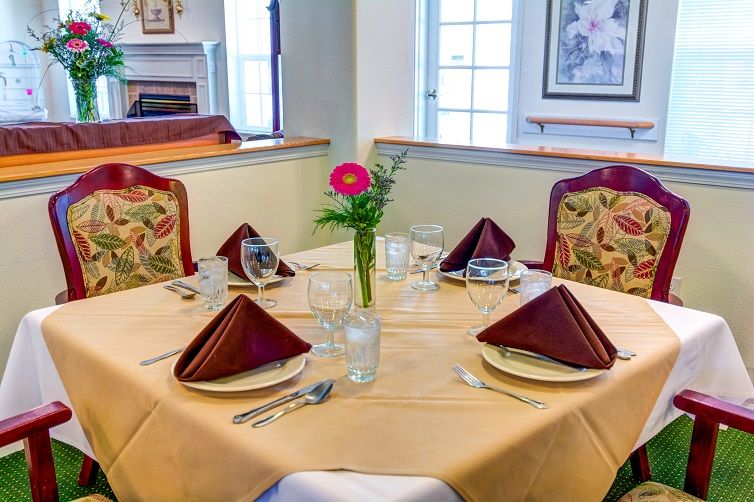
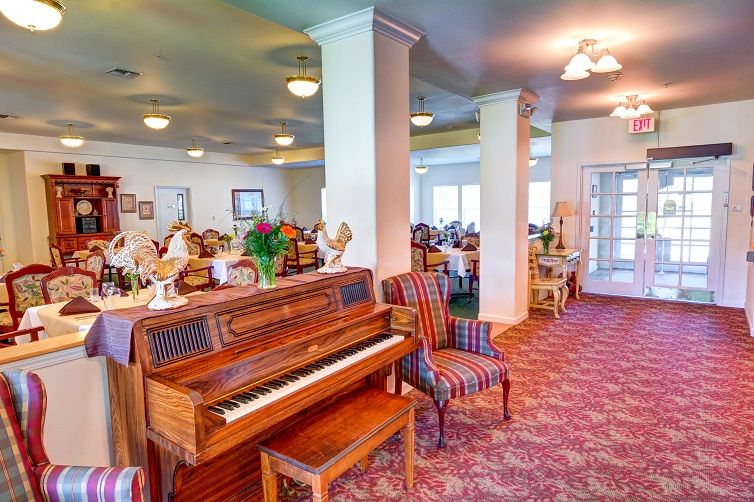
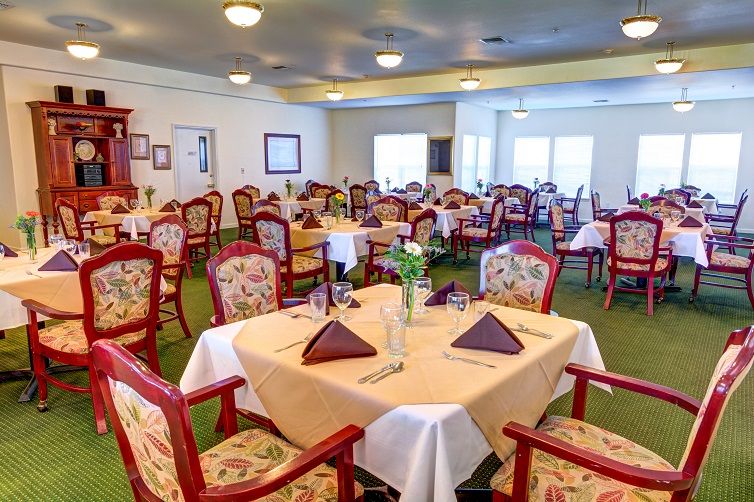
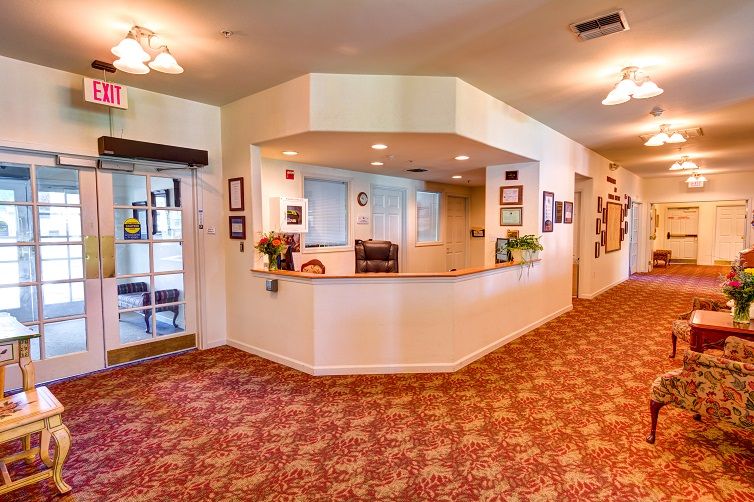
Morrow Heights Assisted Living offers a range of pricing options that reflect its commitment to providing quality care and comfortable living spaces. For a one-bedroom unit, residents can expect to pay between $3,195 and $6,012 monthly, which is notably lower than the average costs in Jackson County at $4,461 and the statewide average of $3,904. Meanwhile, the studio apartments are priced at $4,934, slightly exceeding both county and state averages of $4,239 and $3,815 respectively. For those requiring more space, the two-bedroom units are available for $4,995 - a competitive rate compared to Jackson County's higher average of $6,695 while still being above Oregon's average of $4,436. Overall, Morrow Heights provides flexible pricing options that cater to various preferences and budgets while remaining committed to delivering quality care.
Floor plans
Morrow Heights Assisted Living
Jackson County
Oregon
1 Bedroom
$3,195 to $6,012
$4,461
$3,904
Studio
$4,934
$4,239
$3,815
2 Bedrooms
$4,995
$6,695
$4,436
Assisted Living communities with a similar price nearby
Some families say the fit and evaluation process for higher needs was unclear.
A couple of residents’ experiences describe being rushed into assisted living without a proper evaluation, followed by messages that the person didn’t fit their care level and needed to move to memory care. Those accounts also describe confusion while the family tried to sort out what was going on. Other parts of those same reviews still credit aides and staff as kind and cheerful, but the placement decision itself is where the concern lands.
common40 reviews mention this
Staff kindness is a consistent theme
Residents and families frequently describe caring, respectful staff.
Across many reviews, people highlight friendly, compassionate, and attentive staff, including specific mentions of staff being engaging and helpful during visits. Multiple families also say communication was strong—such as being kept in the loop, being notified about changes, and getting help with care conferences or next steps. Even when a review includes criticism, it often still recognizes that caregivers were pleasant and respectful.
common18 reviews mention this
Food quality and presentation stand out
Dining draws praise for quality, and at times criticism for nutrition.
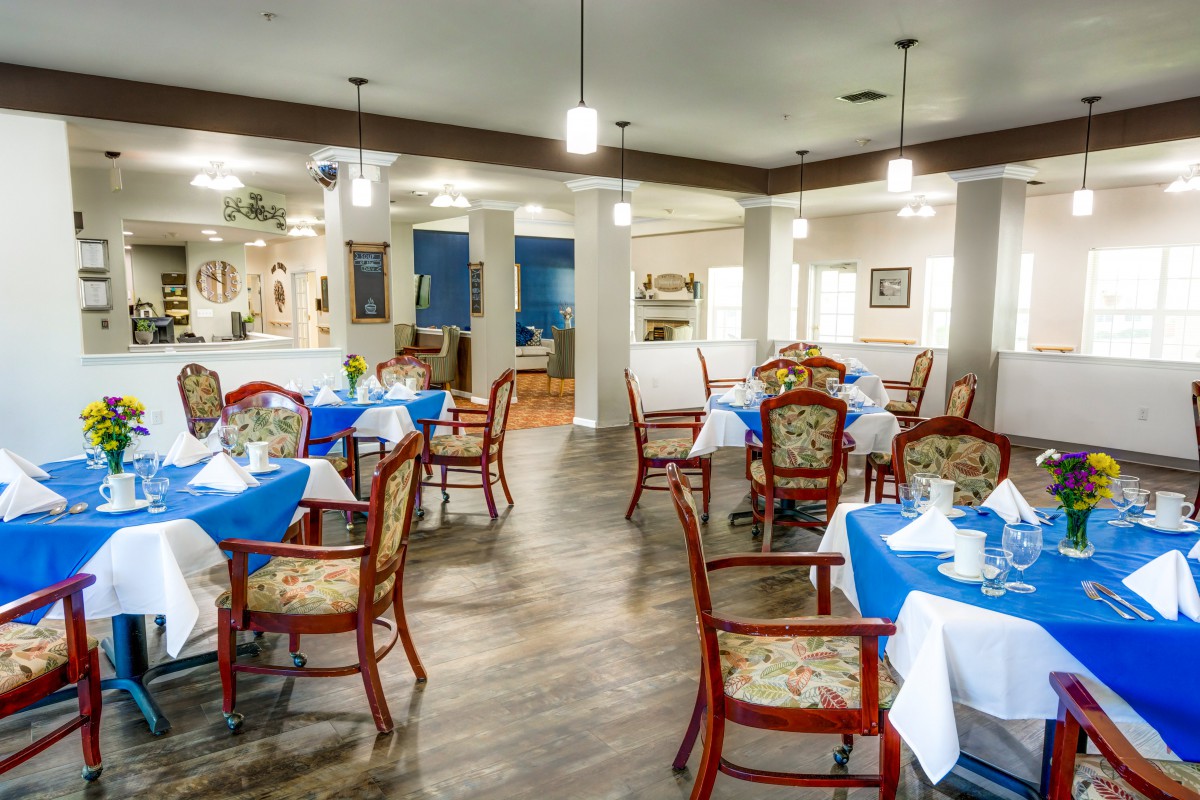
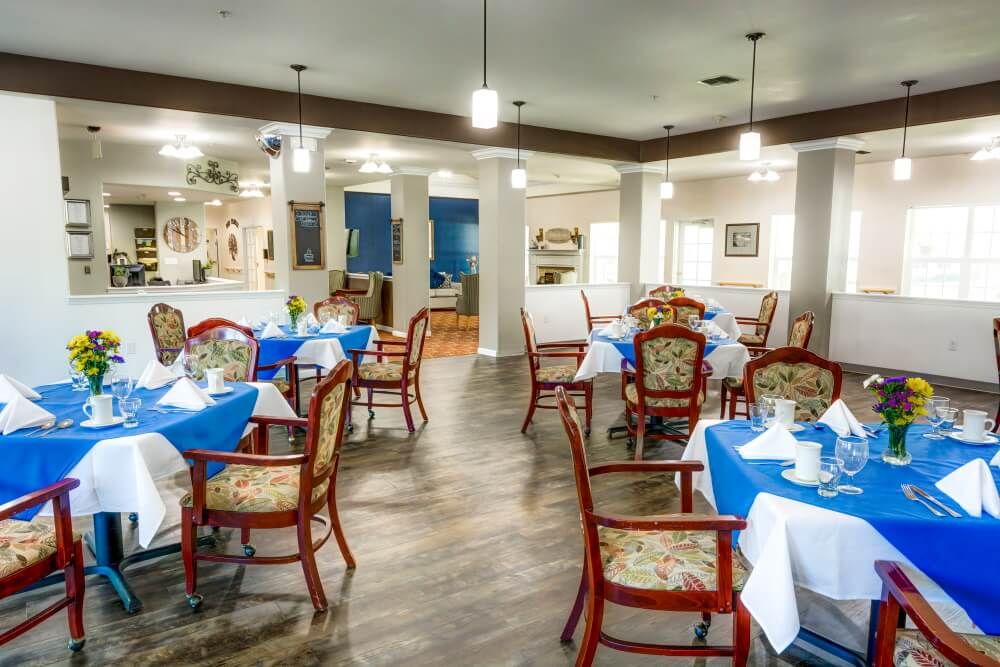
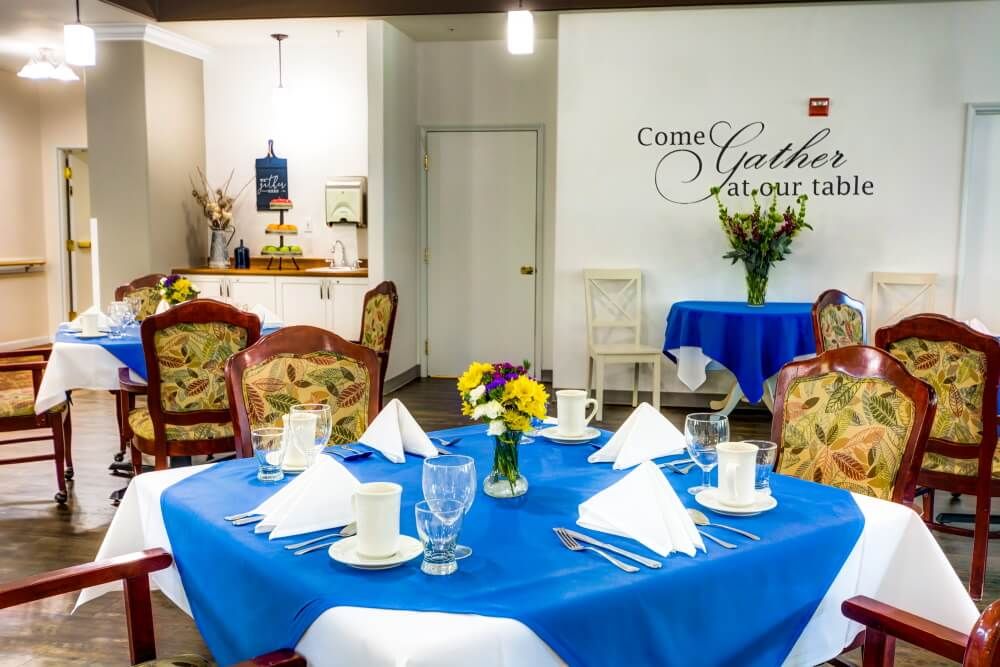
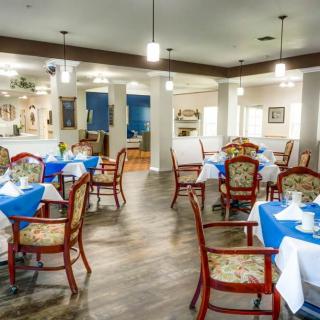
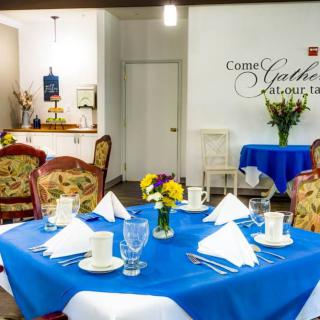
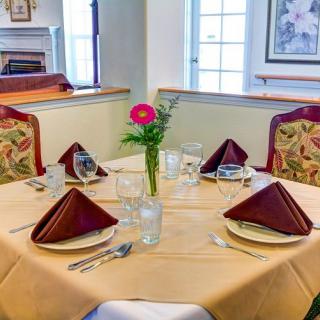
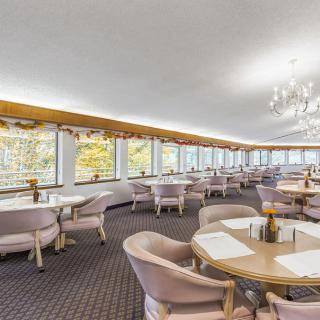
Several families describe the meals as good, delicious, and thoughtfully handled, with mentions of the dining room presentation and offering plates during visits. Others describe more difficulty with nutrition—specifically concerns about carbs and sodium and the quality of alternatives. Overall, the dining experience shows up frequently as a point families notice day-to-day.
common22 reviews mention this
The place feels very clean
Residents and visitors repeatedly mention cleanliness throughout the community.
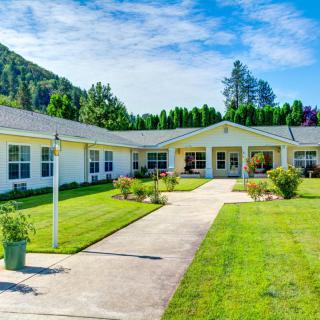
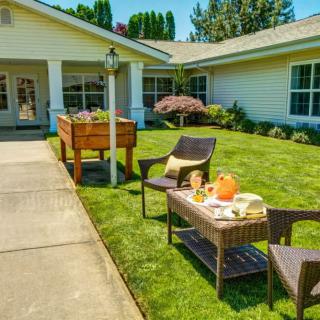
Many reviews emphasize that the building is immaculate, extremely clean, and well maintained, including references to it smelling fresh and being welcoming. Even reviews that are otherwise mixed often still acknowledge cleanliness and a tidy, cared-for environment. Families also describe grounds and common areas as neat and well kept.
common14 reviews mention this
Activities and home-like atmosphere
Residents report lots of activities and a home-like feel.
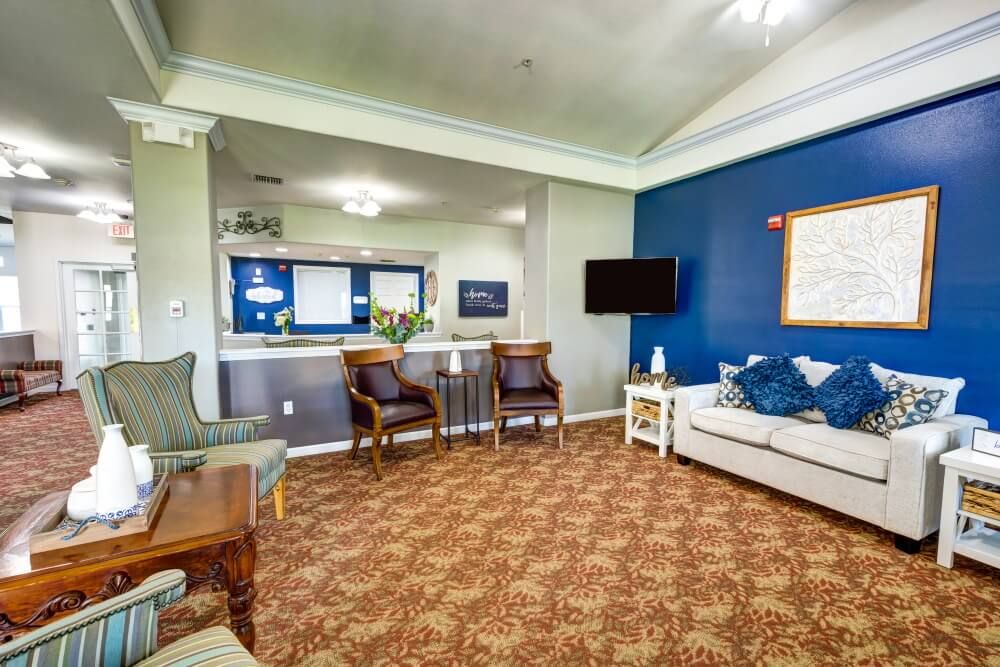
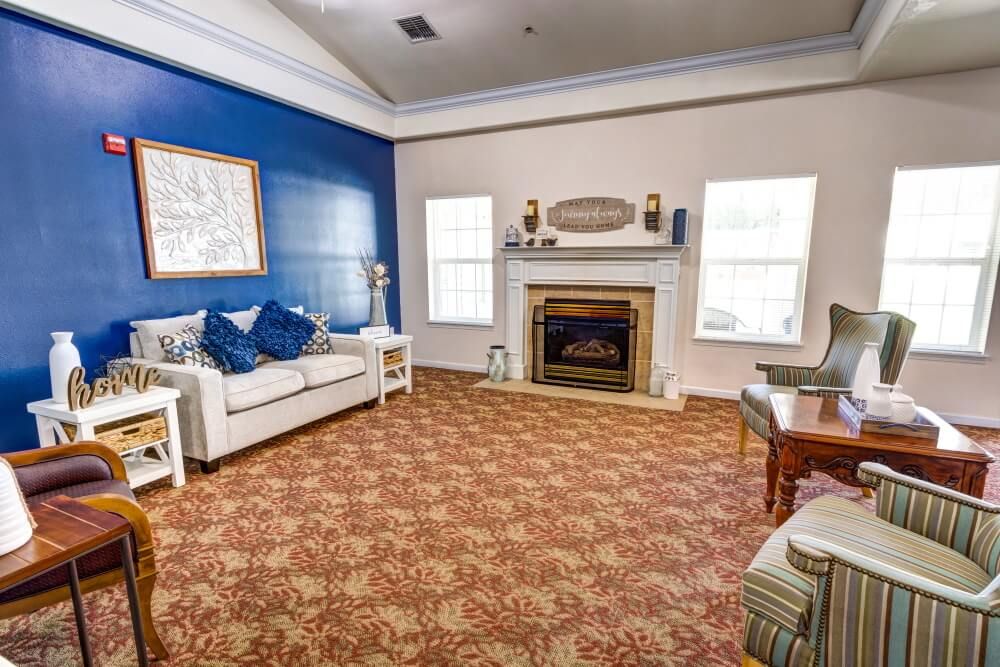
Reviews repeatedly describe a community that stays busy with scheduled activities and events, including arts and crafts and group outings. Several mentions focus on the “family” or “homey” atmosphere and residents being treated like part of the community rather than just placed in a facility. Residents also mention going into town for shopping or enjoying entertainment and group days as part of the routine.
How we summarize
Counts show how many written reviews mention each theme; a review can touch several themes, and only frequently mentioned themes are displayed.
Features
Housing
53 resident community capacity
1-bedroom apartments
Studio apartments
Types of Care
Assisted Living
Amenities
Activities off-site
Activities on-site
Air-conditioning
Beautician on-site
Beauty salon
Cable or satellite TV
Computer center
Devotional services on-site
Dining room
Fitness room
Fully furnished
Gaming room
Garden
Ground floor units
Handicap accessible
Housekeeping services
Indoor common areas
Kitchenette
Move-in coordination
Outdoor common areas
Outdoor space
Private bathrooms
Restaurant-style dining
Small library
Spa
Telephone
Wellness center
Wheelchair accessible showers
Wi-Fi/high-speed internet available
Transportation
Rogue Valley International (15 miles away)
Community operated transportation
Transportation arrangement
Transportation arrangement (non-medical)
Transportation to doctors appointments
Care Services
12-16 hour nursing
24-hour call system
24-hour supervision
Activities of daily living assistance
Ambulatory care
Assistance with bathing
Assistance with dressing
Assistance with transfers
Coordination with health care providers
Diabetes diet
Diabetic care
Incontinence care
Meal preparation and service
Medication management
Mental wellness program
Special dietary restrictions
Transportation arrangement (medical)
Transportation to doctors appointments
Dining
Diabetes diet
Guest meals
International cuisine
Low / no sodium
Meals provided
No Sugar
Restaurant style dining
Room service
Special dietary restrictions
Vegetarian
Activities
Art classes
Catholic services
Community-sponsored activities
Concierge services
Cooking classes
Day trips and outings
Devotional activities on-site
Educational speakers / life long learning
Fitness programs
Happy hour
Live dance or theater performances
Live musical performances
Other religious services
Planned day trips
Resident-run activities
Scheduled daily activities
Wine tasting
Nearby Places of Interest
Physicians
Rogue River Family Practice Clinic (0.1 miles)
Valley Immediate Care Orthopedics Grants Pass (7.5 miles)
Women's Health Center Of Southern Oregon P.C. (8.1 miles)
Medical Eye Center (8.2 miles)
Retina & Vitreous of Southern Oregon PC (8.2 miles)
Allergy & Asthma Center of Southern Oregon, PC (8.2 miles)
Cascade West Primary Care Clinic (8.2 miles)
Pharmacies
Rogue River Pharmacy (0.2 miles)
Gold Hill Pharmacy (5.4 miles)
Walmart Pharmacy (7.3 miles)
Fred Meyer Pharmacy (7.4 miles)
Fred Meyer Pharmacy (7.4 miles)
Rxmedlab Pharmacy (7.5 miles)
Rite Aid (7.7 miles)
Parks
Palmerton Park (0.8 miles)
Baker Park (8.1 miles)
Riverside Park (8.5 miles)
Restaurants
Elmer's Restaurant (7 miles)
Los Taquitos (7 miles)
Subway (7 miles)
Hamilton River House (7.2 miles)
Taco Bell (7.2 miles)
MOD Pizza (7.3 miles)
McDonald's (7.5 miles)
Cafes
Dutch Bros Coffee (7 miles)
Starbucks (7.2 miles)
The Human Bean Grants Pass, NE F St (7.9 miles)
Powderhorn Cafe (8.4 miles)
Bluestone Bakery & Coffee Cafe (8.4 miles)
Dutchwear by Dutch Bros Coffee (8.4 miles)
Dutch Bros Coffee (8.5 miles)
Places of Worship
St Anne Catholic Church (7.7 miles)
Church of Jesus Christ of Latter Day Saints (8 miles)
Morrow Heights Assisted Living offers a range of pricing options that reflect its commitment to providing quality care and comfortable living spaces. For a one-bedroom unit, residents can expect to pay between $3,195 and $6,012 monthly, which is notably lower than the average costs in Jackson County at $4,461 and the statewide average of $3,904. Meanwhile, the studio apartments are priced at $4,934, slightly exceeding both county and state averages of $4,239 and $3,815 respectively. For those requiring more space, the two-bedroom units are available for $4,995 - a competitive rate compared to Jackson County's higher average of $6,695 while still being above Oregon's average of $4,436. Overall, Morrow Heights provides flexible pricing options that cater to various preferences and budgets while remaining committed to delivering quality care.
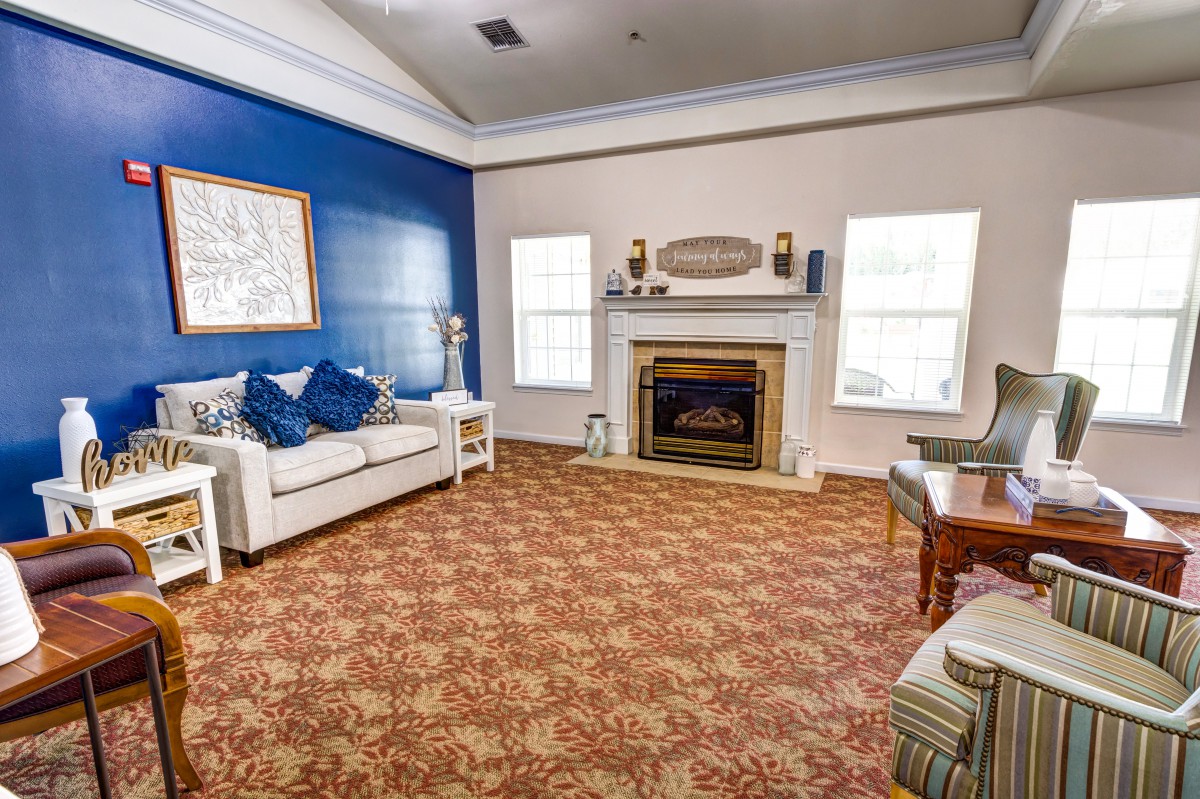
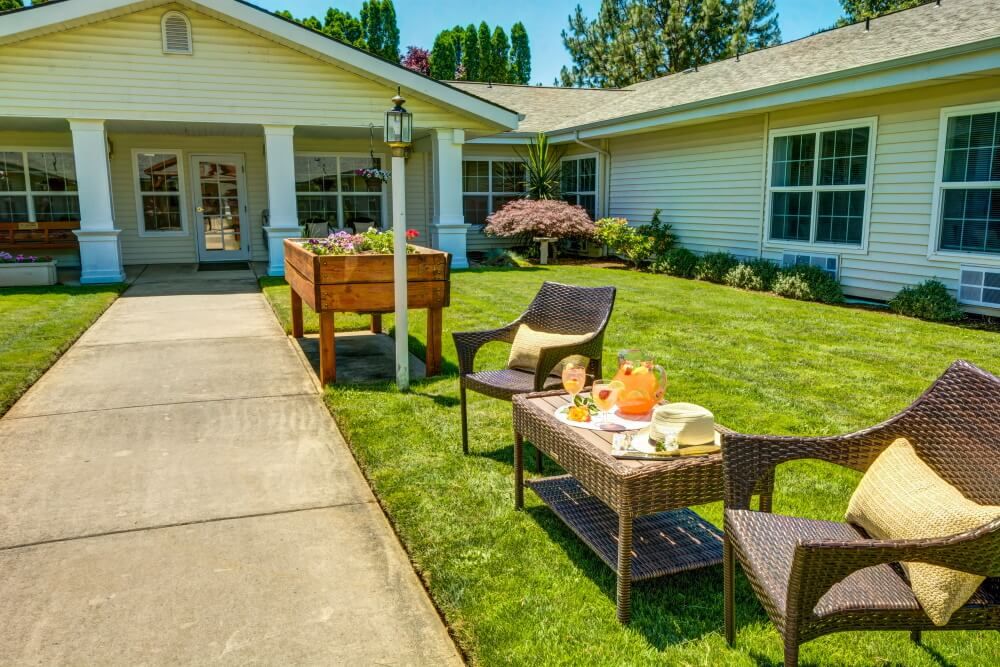
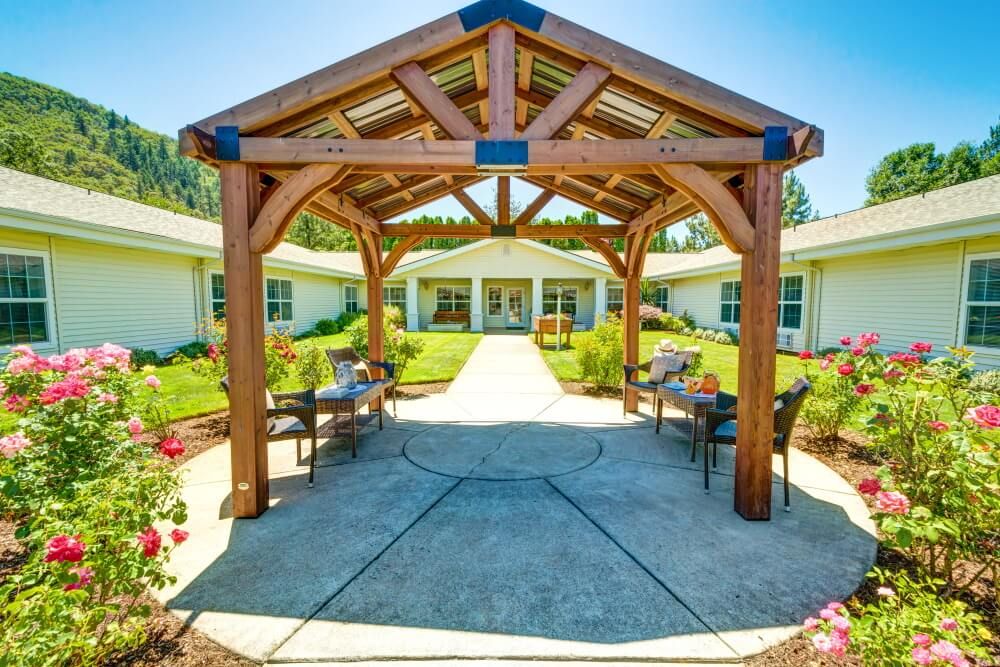
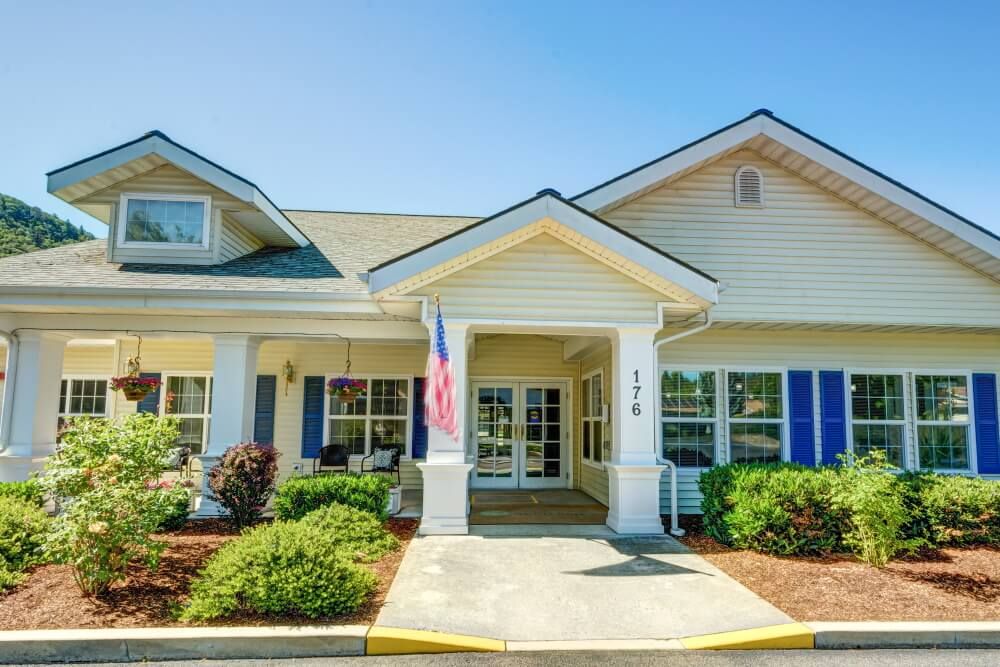
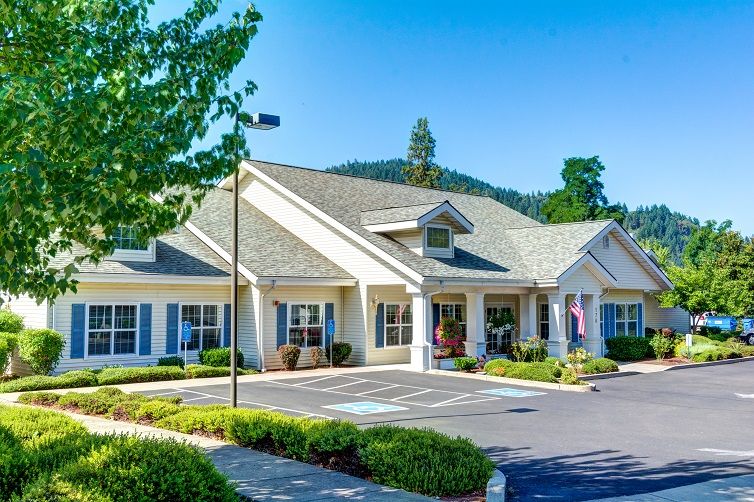
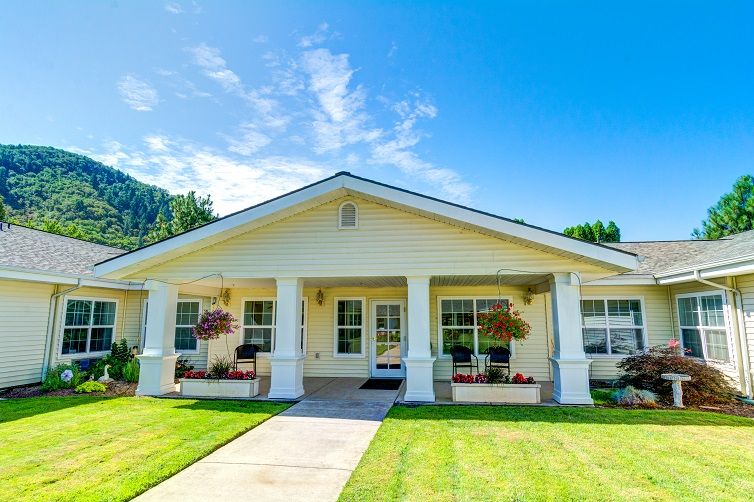
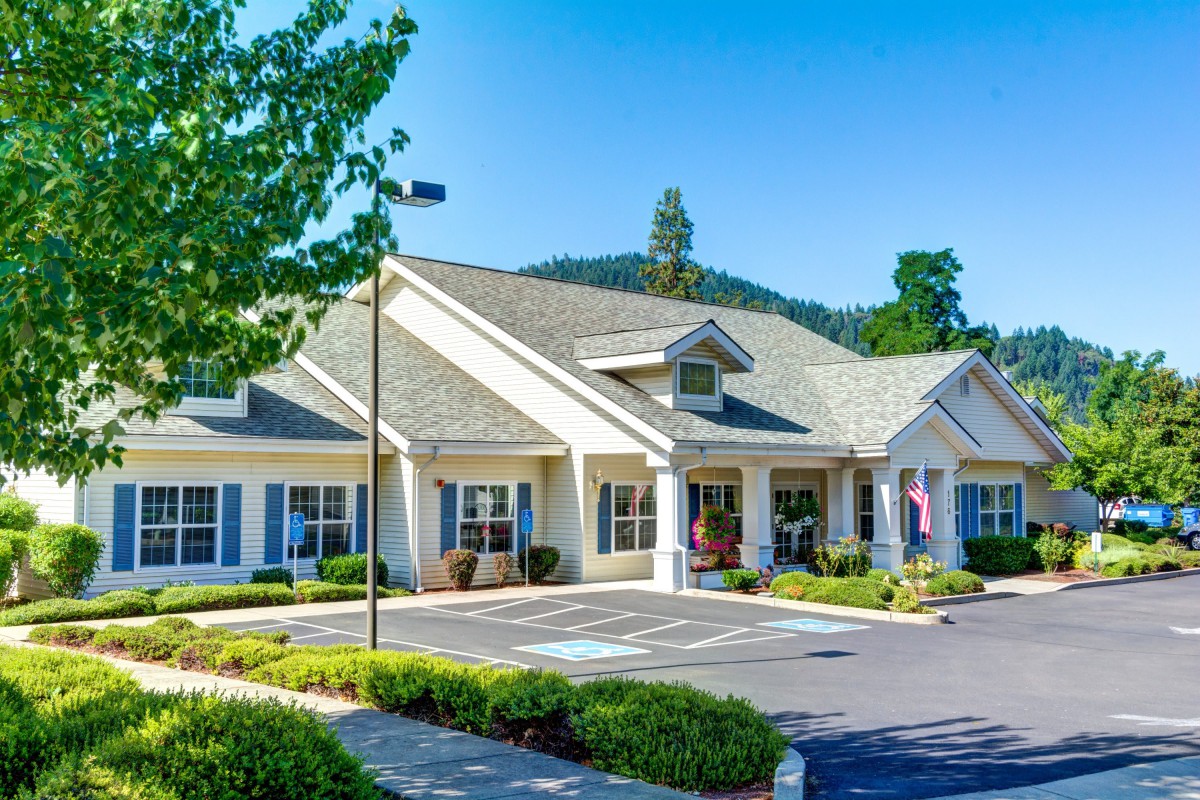
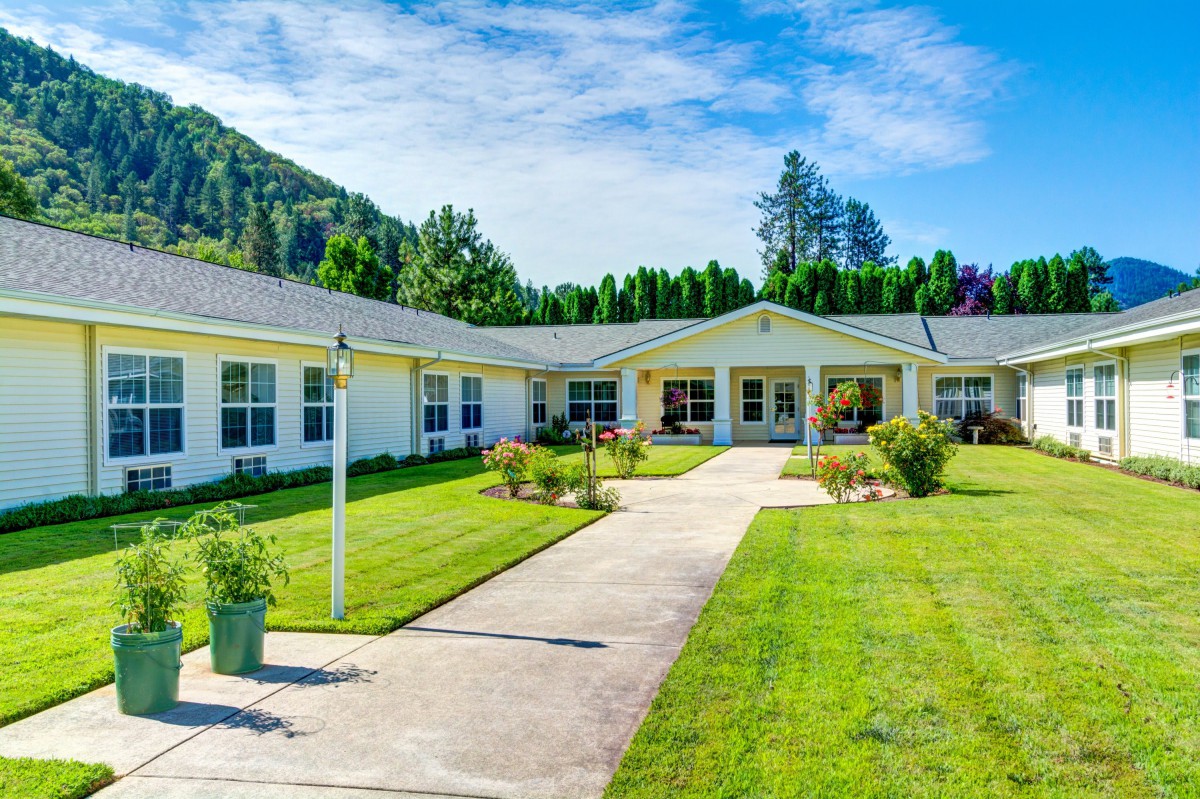
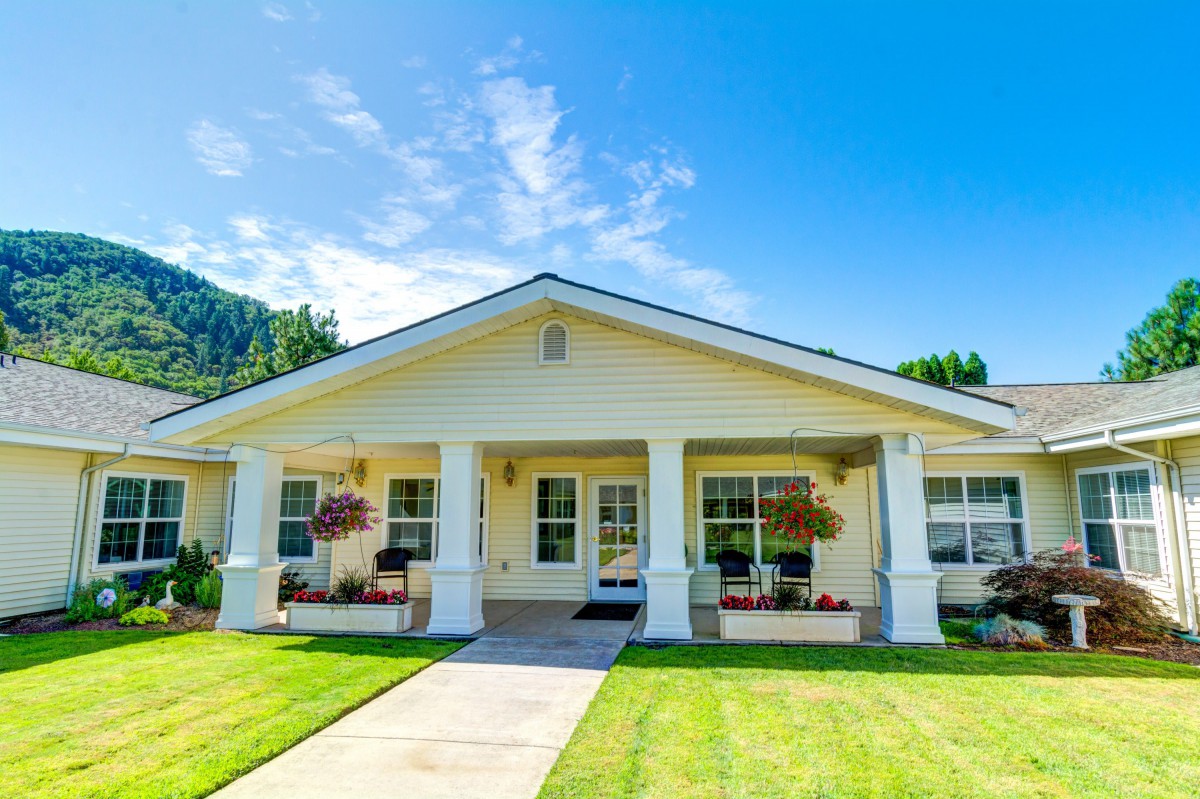
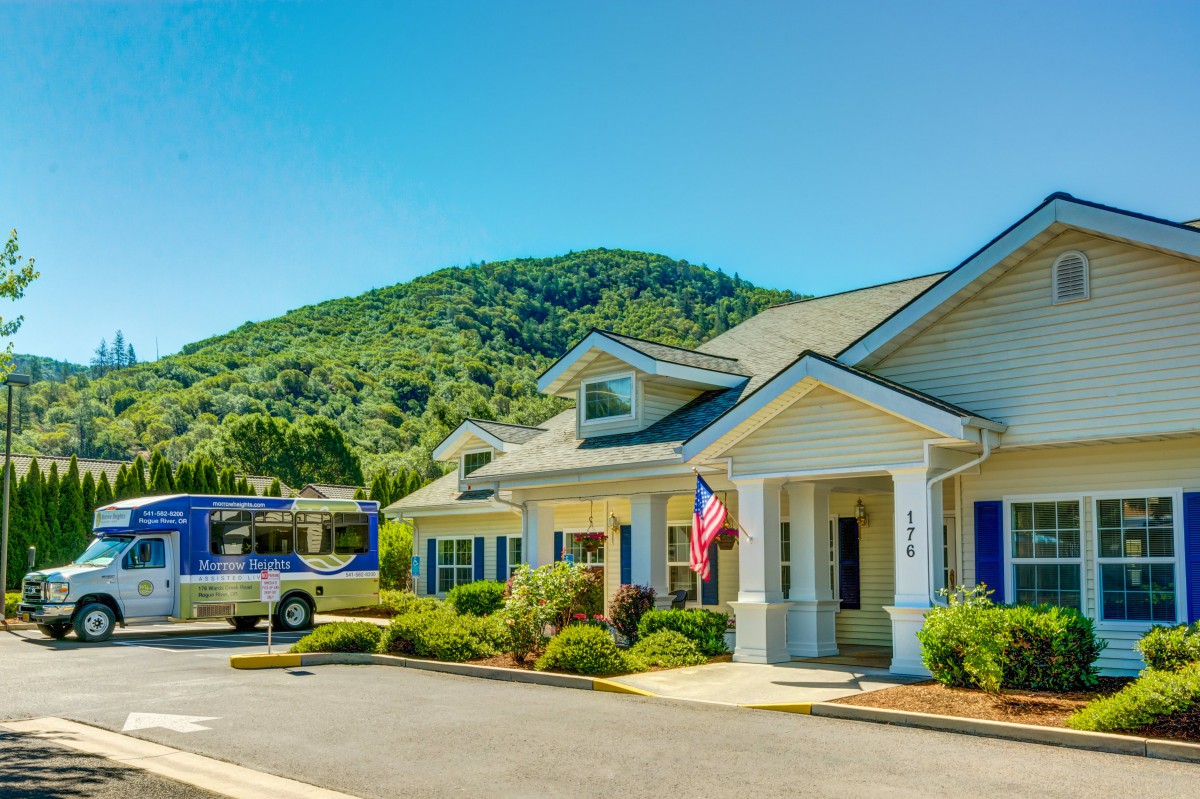
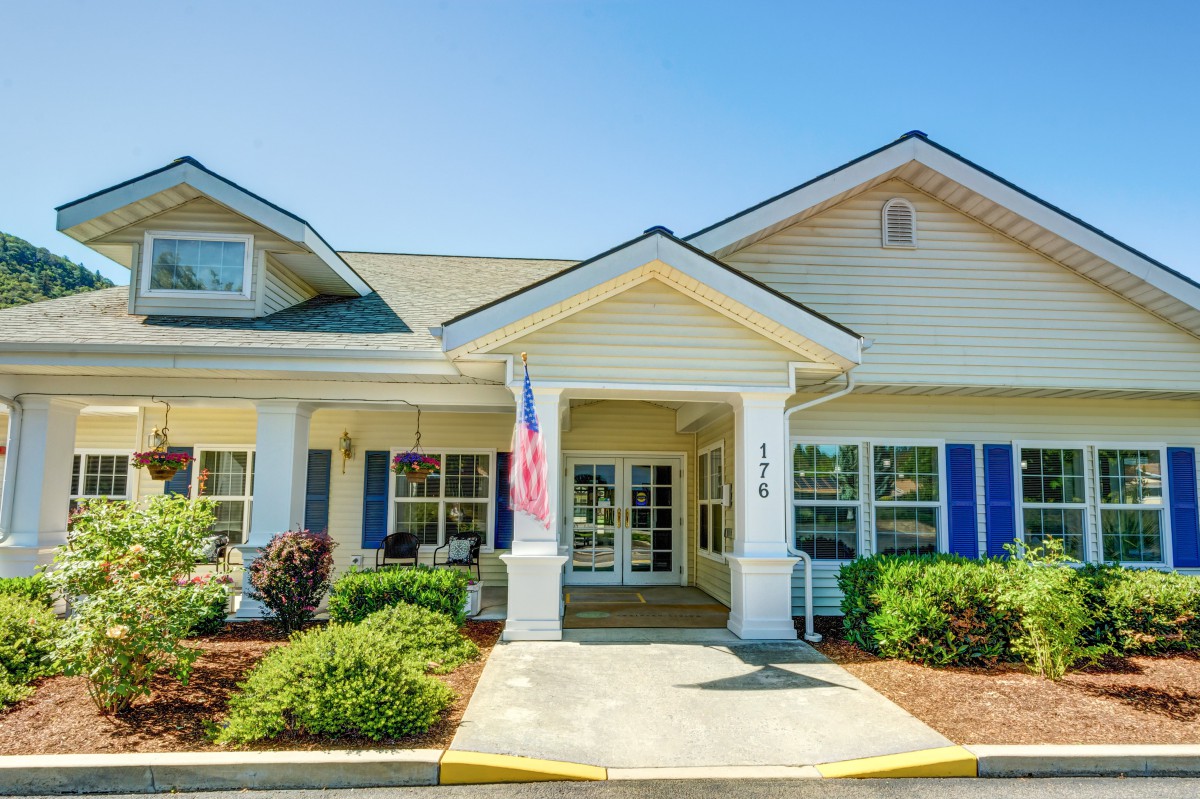
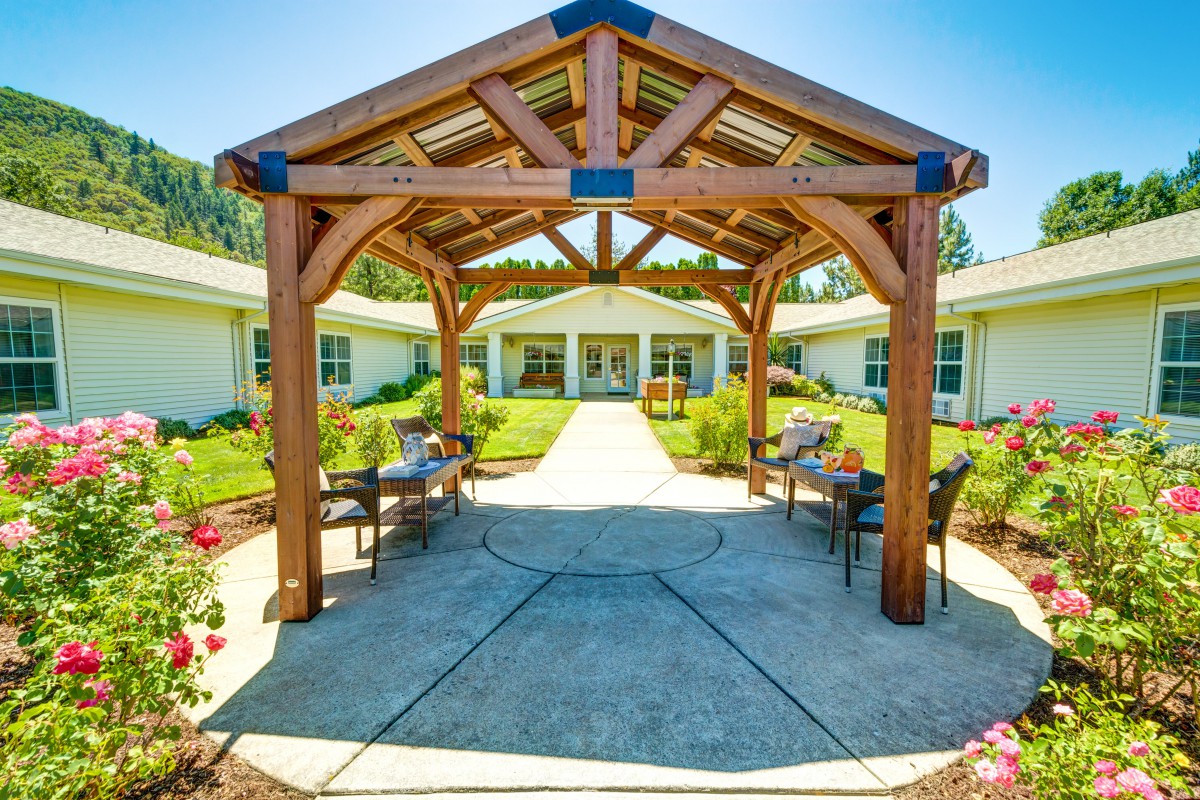
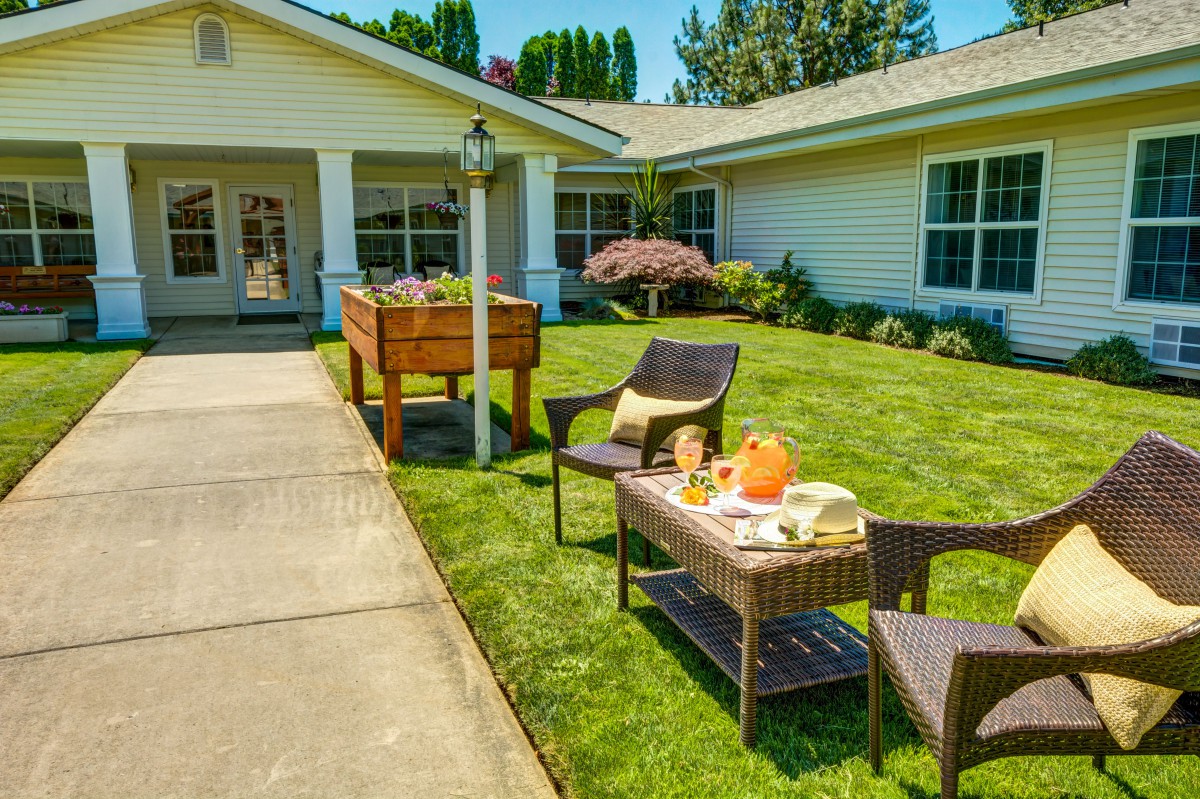
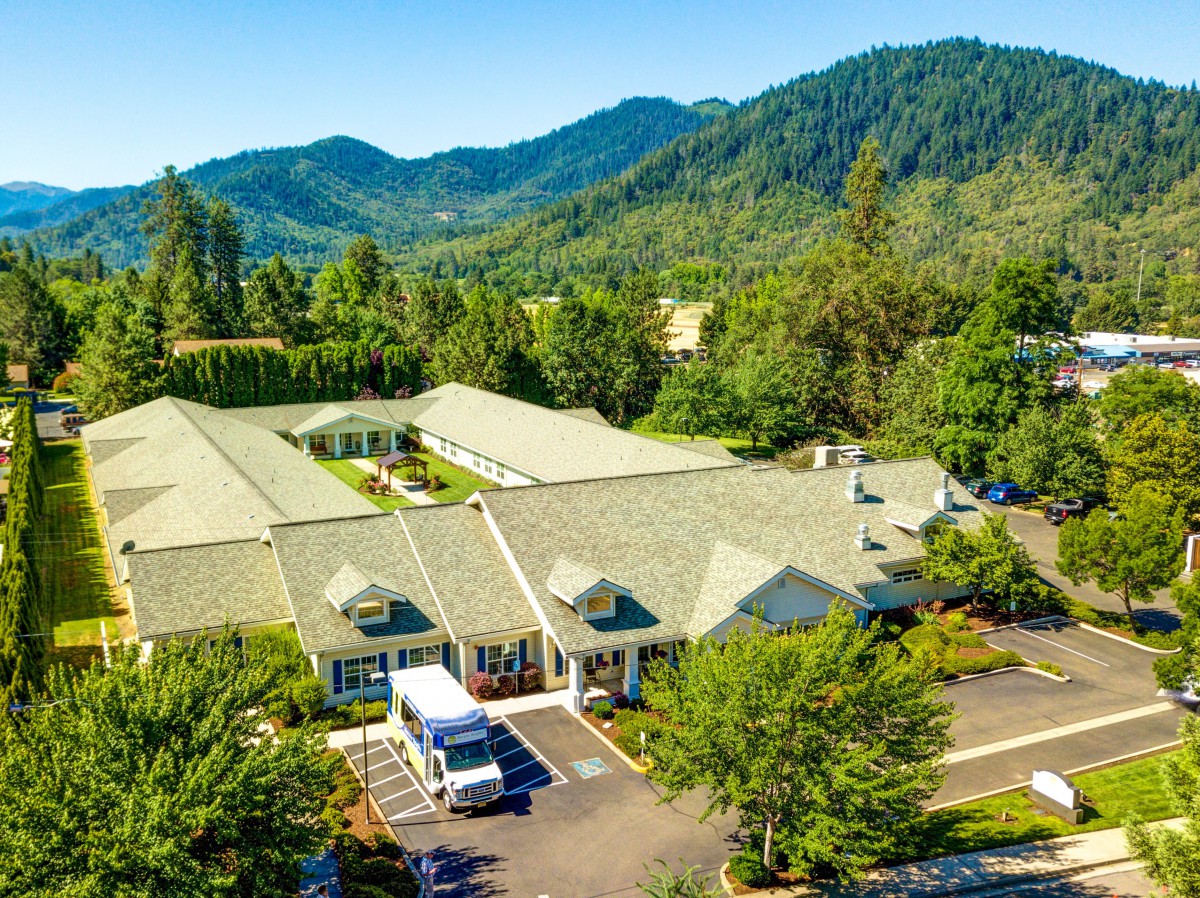
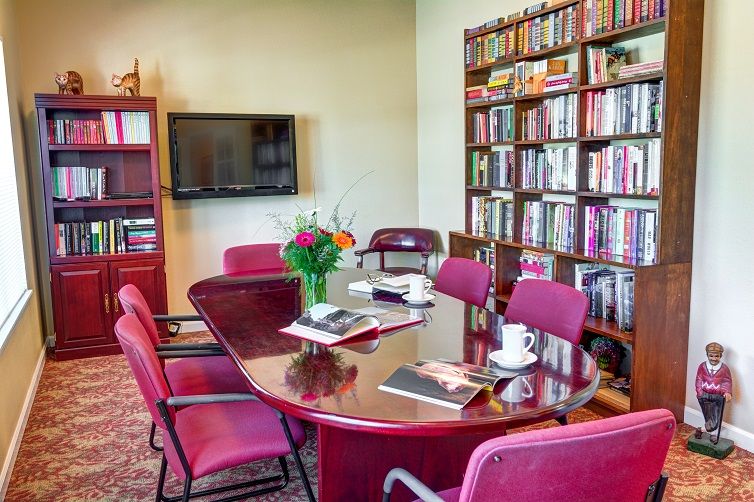
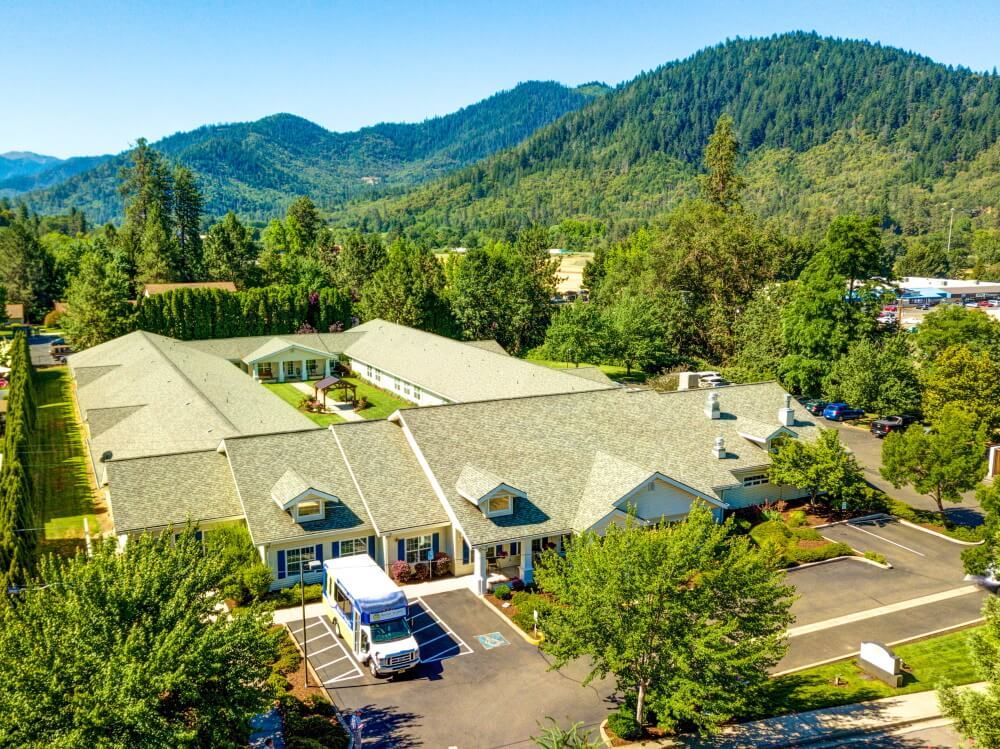
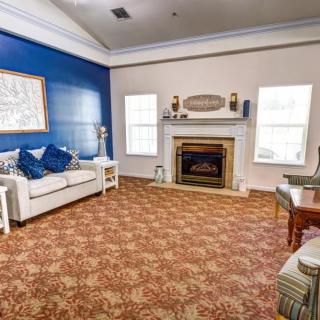
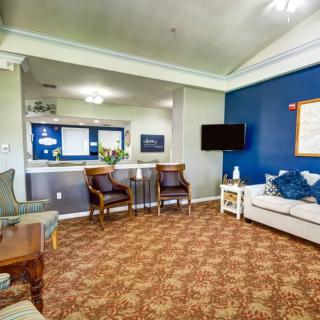
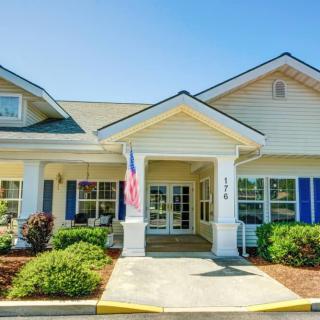
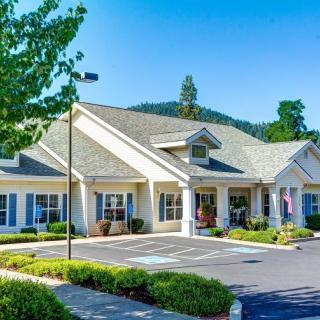
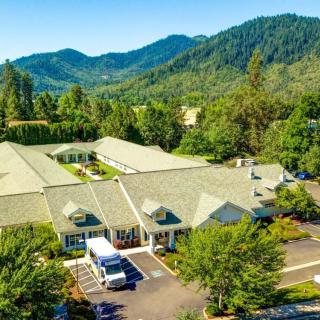
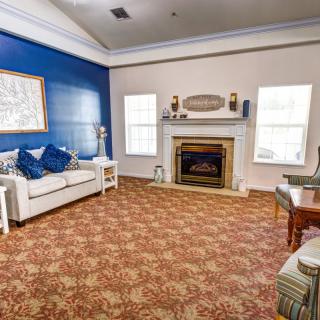
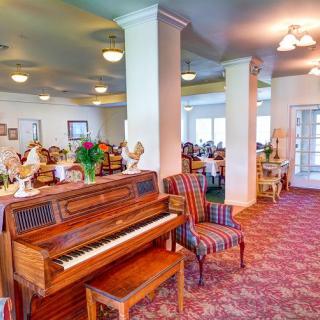
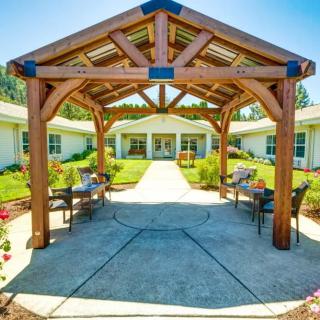
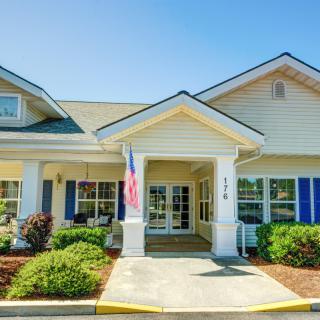
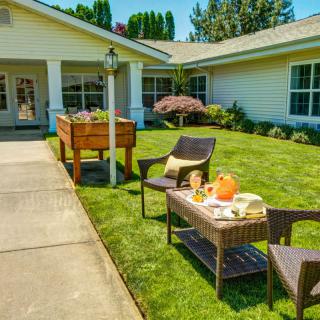
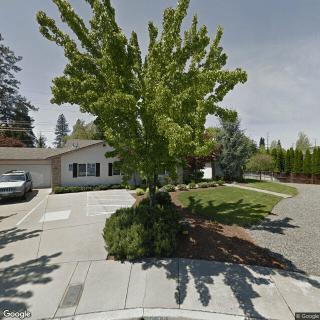
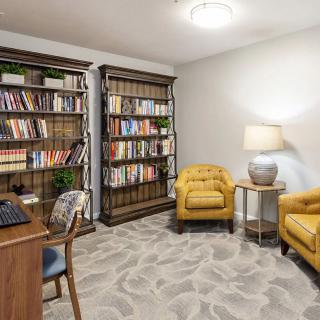
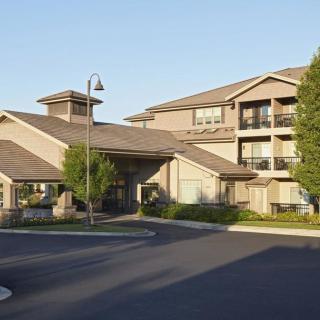
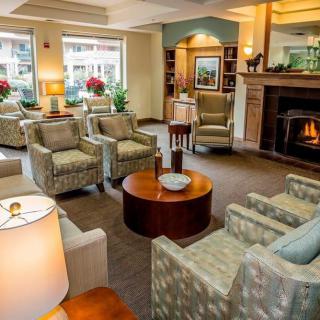
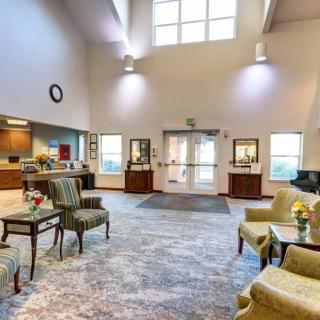
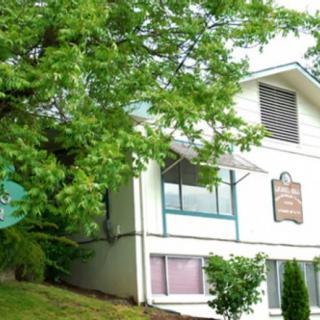
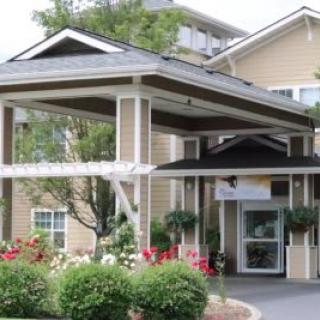
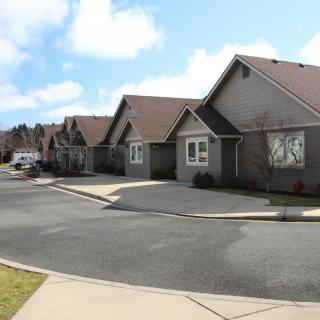
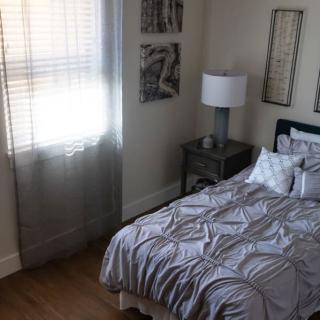
Morrow Heights Assisted Living on seniors.fyi includes 26 photos including images showing landscaping, interior, dining, building, architecture, garden, decor, outdoor, and more.
Nearby Communities
Foothill Manor
Rogue River, OR
Specialized memory care with personalized support and engaging activities
Regency Care of Rogue Valley
Grants Pass, OR
3.1 from 23 reviews
Extensive amenities and integrated care with easy access to healthcare, transportation, parks, and places of worship.
Holiday Rogue Valley
Grants Pass, OR
4.3 from 63 reviews
$2,069 to $2,819 / month
Friendly staff, clean facilities, active social life with on-site dining and affordable pricing.
The Suites Assisted Living & Memory Care
Grants Pass, OR
4.8 from 139 reviews
Compassionate staff with strong family communication.
Arbor House Of Grants Pass
Grants Pass, OR
4.8 from 11 reviews
$3,520 to $3,780 / month
Community kitchen for social cooking; varied entertainment, outdoor activities, pet visits, and intergenerational programs.
Laurel Hill Nursing Center
Grants Pass, OR
3.3 from 27 reviews
Comprehensive care with 24/7 supervision and engaging activities.
Cascades Of Grants Pass - The Village
Grants Pass, OR
4 from 83 reviews
$2,895 to $4,495 / month
Friendly staff with responsive maintenance and a welcoming, well-kept environment.
Kinsington Place
Grants Pass, OR
3.7 from 25 reviews
$2,850 to $7,350 / month
Clean facility with spacious private rooms and engaging activities.
Pear Valley Senior Living
Central Point, OR
4 from 30 reviews
$3,995 to $4,995 / month
Beautiful, clean facility with attentive staff and strong memory care options.
Transitioning from assisted living to memory care is driven by an individual's cognitive decline and specific needs, requiring careful evaluation of indicators like increased confusion and wandering. The process involves consulting medical professionals, researching suitable communities, considering financial and legal aspects, and ensuring effective communication for personalized care plans.
Assisted living provides moderate support for seniors seeking independence, while memory care offers specialized support for individuals with dementia or cognitive impairments through structured routines and trained staff. Key differences include care approaches, environment security measures, staff training levels, activity types, and cost considerations.
Assisted living communities offer diverse activities beyond traditional games to enhance seniors' physical health, cognitive well-being, emotional enrichment, and social connections, including fitness classes, creative expression, and intergenerational interactions. These enriching programs foster community bonds and support residents' independence and happiness.
Get PricingAsk A QuestionSchedule A TourContact Senior Advisor
By clicking submit, you agree to our Partner's Terms of Use. You
also consent to receive calls and texts, which may be autodialed, from our Partner. Your consent is not a condition to
using our Partner's service. Please visit our Partner's Privacy Policy for information about their privacy practices.

 53 resident community capacity
 1-bedroom apartments
 Assisted Living
 Activities off-site
 Air-conditioning
 Beautician on-site
 Cable or satellite TV
 Computer center
 Devotional services on-site
 Dining room
 Fitness room
 Fully furnished
 Gaming room
 Garden
 Ground floor units
 Handicap accessible
 Housekeeping services
 Indoor common areas
 Kitchenette
 Move-in coordination
 Outdoor common areas
 Private bathrooms
 Restaurant-style dining
 Small library
 Spa
Spa Telephone
 Wheelchair accessible showers
 Wi-Fi/high-speed internet available
 Rogue Valley International (15 miles away)
 Community operated transportation
 12-16 hour nursing
 24-hour call system
 Ambulatory care
 Assistance with bathing
 Assistance with dressing
 Assistance with transfers
 Diabetes diet
 Diabetic care
 Incontinence care
 Medication management
 Mental wellness program
 Special dietary restrictions
 Transportation arrangement (medical)
 Art classes
 Catholic services
 Concierge services
 Cooking classes
 Day trips and outings
 Educational speakers / life long learning
 Happy hour
 Live dance or theater performances
 Live musical performances
 Wine tasting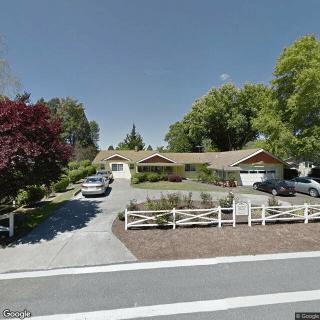
 Specialized memory care with personalized support and engaging activities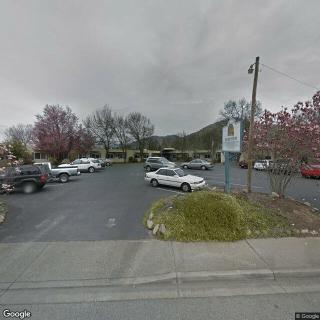
 When to Transition from Assisted Living to Memory Care: Key Indicators, Steps, and Finding the Right Community
 Assisted Living and Memory Care: Understanding Their Core Differences
 Beyond the Bingo Hall: 50+ Enriching Activities for Seniors in Assisted Living