5711 South West Multnomah Boulevard, Portland, OR 97219
For more information about senior living options: (866) 208-4318
3.8 from 31 reviews
5 stars
19
4 stars
3
3 stars
0
2 stars
3
1 stars
6
West Hills Village Senior Residence Costs & Pricing
West Hills Village Senior Residence offers competitive pricing for its accommodations in comparison to Washington County and the broader state of Oregon. For a studio apartment, residents can expect to pay $3,975 per month, which is slightly above the county average of $3,909 and the state average of $3,815. The one-bedroom option is priced at $5,065, significantly higher than both the county's average of $4,082 and Oregon's average of $3,904. For those seeking more space, the two-bedroom units come at a cost of $6,955 per month, considerably exceeding Washington County's average of $4,801 and the statewide average of $4,436. While West Hills Village may be on the higher end of the spectrum for monthly costs across these categories, it reflects a commitment to providing quality care and amenities that cater to the needs of its residents.
Floor plans
West Hills Village Senior Residence
Washington County
Oregon
Studio
$3,975
$3,909
$3,815
1 Bedroom
$5,065
$4,082
$3,904
2 Bedrooms
$6,955
$4,801
$4,436
Assisted Living communities with a similar price nearby
Overall Review of West Hills Village Senior Residence
differentiator12 reviews mention this
Dining is consistently praised
Food quality stands out in many resident experiences.
Many residents and families describe the food as tasty, excellent, or even “fine dining” compared with what they expected. A number of review highlights also point to variety, like the ability to choose menu options and order more than just a single main. Not all feedback is positive—some reviewers mention meals feeling too salty or low quality, and one describes a disappointing lunch.
common22 reviews mention this
Staff concern and responsiveness
Residents most often describe staff as friendly and attentive.
Across reviews, families frequently say the staff shows compassion, kindness, and responsiveness, including quick help with day-to-day needs and support around care logistics. Several write about feeling safe and reassured by caregivers and the broader team, including help coordinating medical follow-ups and getting medications handled. There are also critical voices: one resident describes medication timing problems and retaliation concerns, and others raise cleanliness and overall care quality complaints.
common9 reviews mention this
Care support feels dependable
Families often report peace of mind with care coordination.
Multiple reviews focus on assistance with care needs and the reassurance that comes from having partners on-site, including help maintaining independence and being supported through end-of-life planning. Some families also highlight medication-related support and getting help from the team when it matters. A few reviews describe serious concerns, including medication timing and allegations of past abuse by a caregiver, so experiences can vary.
common9 reviews mention this
Activities keep residents engaged
On-site activities are a frequent point of satisfaction.
Residents and visitors repeatedly mention having plenty to do, including in-house activities and regular events like fitness, crafts, music, and happy hour. Some also describe enjoying planned outings and religious or educational offerings while being able to stay active without leaving the community as often. While most activity comments are positive, a few reviewers who toured felt disappointed by the overall environment they saw.
caveat9 reviews mention this
Cleanliness and upkeep are mixed
Cleanliness reviews range from very clean to very dirty.
Several reviews say the rooms are clean, the place feels maintained, and updates make the facility feel fresh. Others report the opposite, including dirty restrooms, grungy or outdated interiors, and a general sense of the building not being well kept. Even among the negative comments, the criticism is specific—bathroom function issues and odors are called out—so cleanliness is one area to pay close attention to.
caveat3 reviews mention this
Pricing can feel high for some
Some reviews describe pricing as a sticking point.
A few reviews say the financial side worked out well or that the facility sits in a reasonable middle range. Other feedback is more negative, including a tour review that said the pricing was surprising relative to the apartment size and features. Across unit types, the community is priced above county and/or state benchmarks, which helps explain why cost impressions vary by reviewer.
How we summarize
Counts show how many written reviews mention each theme; a review can touch several themes, and only frequently mentioned themes are displayed.
Features
Housing
150 resident community capacity
1-bedroom apartments
2-bedroom apartments
Studio apartments
Types of Care
Assisted Living
Independent Living
Respite Care
Pets
Cats allowed
Dogs allowed
Amenities
Activities off-site
Activities on-site
Air-conditioning
Beautician on-site
Beauty salon
Cable or satellite TV
Computer center
Devotional services on-site
Dining room
Fitness room
Full kitchen
Fully furnished
Gaming room
Garden
Garden view
Ground floor units
Handicap accessible
Housekeeping services
Indoor common areas
Kitchenette
Move-in coordination
Outdoor common areas
Outdoor space
Private bathrooms
Private patio, deck, or balcony
Respite or short term stays offered
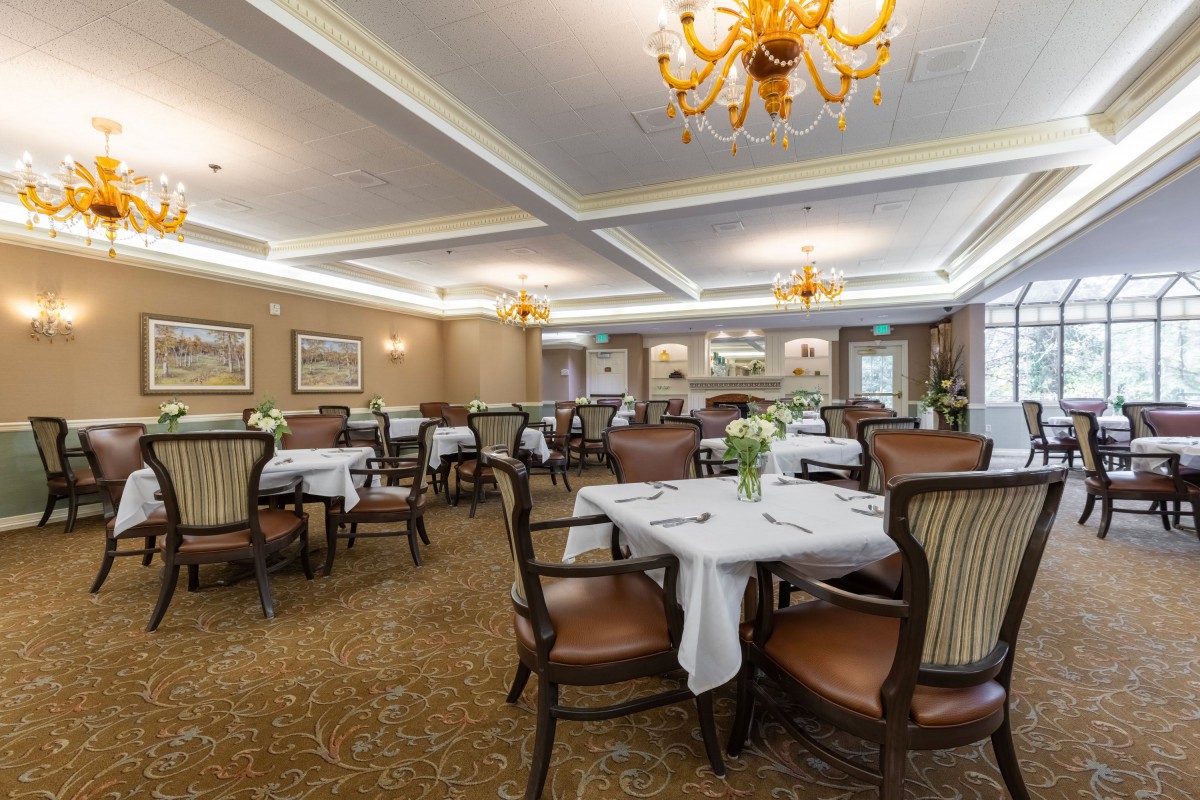
Restaurant-style dining
Small library
Telephone
Wellness center
Wheelchair accessible showers
Wi-Fi/high-speed internet available
Transportation
Portland International (11 miles away)
Community operated transportation
Transportation arrangement
Transportation arrangement (non-medical)
Transportation to doctors appointments
Care Services
12-16 hour nursing
24-hour call system
24-hour supervision
Activities of daily living assistance
Ambulatory care
Assistance with bathing
Assistance with dressing
Assistance with transfers
Coordination with health care providers
Diabetes diet
Diabetic care
High acuity care
Hospice waiver
Incontinence care
Meal preparation and service
Medication management
Mental wellness program
Special dietary restrictions
Transportation arrangement (medical)
Transportation to doctors appointments
Dining
Anytime dining
Diabetes diet
Gluten-free
Guest meals
International cuisine
Low / no sodium
Meals provided
No Sugar
Professional chef
Restaurant style dining
Room service
Special dietary restrictions
Vegan
Vegetarian
Activities
Art classes
Bible study group
Catholic services
Community-sponsored activities
Concierge services
Day trips and outings
Devotional activities on-site
Educational speakers / life long learning
Fitness programs
Happy hour
Live dance or theater performances
Live musical performances
Other religious services
Planned day trips
Resident-run activities
Scheduled daily activities
Visiting chaplain or priest
Wine tasting
Nearby Places of Interest
This part of Portland, Oregon, offers a variety of amenities and resources that may be appealing to seniors looking for a convenient and comfortable living environment. Within a short distance, there are several restaurants offering diverse dining options, as well as cafes for socializing or enjoying a cup of coffee. Nearby parks provide opportunities for outdoor recreation and relaxation in nature. Access to pharmacies and medical facilities such as Legacy Medical Group-Raleigh Hills and Doernbecher Children's Hospital ensures that healthcare needs are easily met. Public transportation options like TriMet Bus Stop ID 3655 and Sunset Transit Center make it convenient to get around the area. Additionally, entertainment options include theaters like Century Theater Cedarhill and Regal Pioneer Place for cultural enrichment. Overall, this part of Portland offers a well-rounded community with various resources to support an active and fulfilling senior lifestyle.
Restaurants
Old Market Pub & Brewery (0.6 miles)
Wendy's (1.4 miles)
Mandarin Palace (1.7 miles)
Bannings Restaurant & Pie House (1.9 miles)
McDonald's (2.1 miles)
85 Degree C Bakery Cafe (2.4 miles)
Thirsty Lion Pub & Grill (2.5 miles)
Places of Worship
St John Fisher Church (0.7 miles)
Parks
Florence Pointe Park (1.2 miles)
Spring Garden Park (1.3 miles)
Albert Kelly Park (1.8 miles)
Terwilliger Playground (3.1 miles)
Tryon Creek State Park (3.5 miles)
Sellwood Riverfront Park (3.6 miles)
Fir Grove Park (3.6 miles)
Pharmacies
Walgreens (1.3 miles)
Rite Aid (1.4 miles)
Walgreens (1.4 miles)
Fred Meyer Pharmacy (2.3 miles)
Stone Age Farmacy PDX (2.5 miles)
CVS Pharmacy (2.8 miles)
Rite Aid (2.9 miles)
Physicians
Legacy Medical Group-Raleigh Hills (1.8 miles)
The Portland Clinic (2 miles)
Reflex (2.4 miles)
Pediatric Associates Of The NW (2.5 miles)
Marshall, Katharine Providence Medical Group Saint Vincent (3.4 miles)
West Hills Village Senior Residence offers competitive pricing for its accommodations in comparison to Washington County and the broader state of Oregon. For a studio apartment, residents can expect to pay $3,975 per month, which is slightly above the county average of $3,909 and the state average of $3,815. The one-bedroom option is priced at $5,065, significantly higher than both the county's average of $4,082 and Oregon's average of $3,904. For those seeking more space, the two-bedroom units come at a cost of $6,955 per month, considerably exceeding Washington County's average of $4,801 and the statewide average of $4,436. While West Hills Village may be on the higher end of the spectrum for monthly costs across these categories, it reflects a commitment to providing quality care and amenities that cater to the needs of its residents.
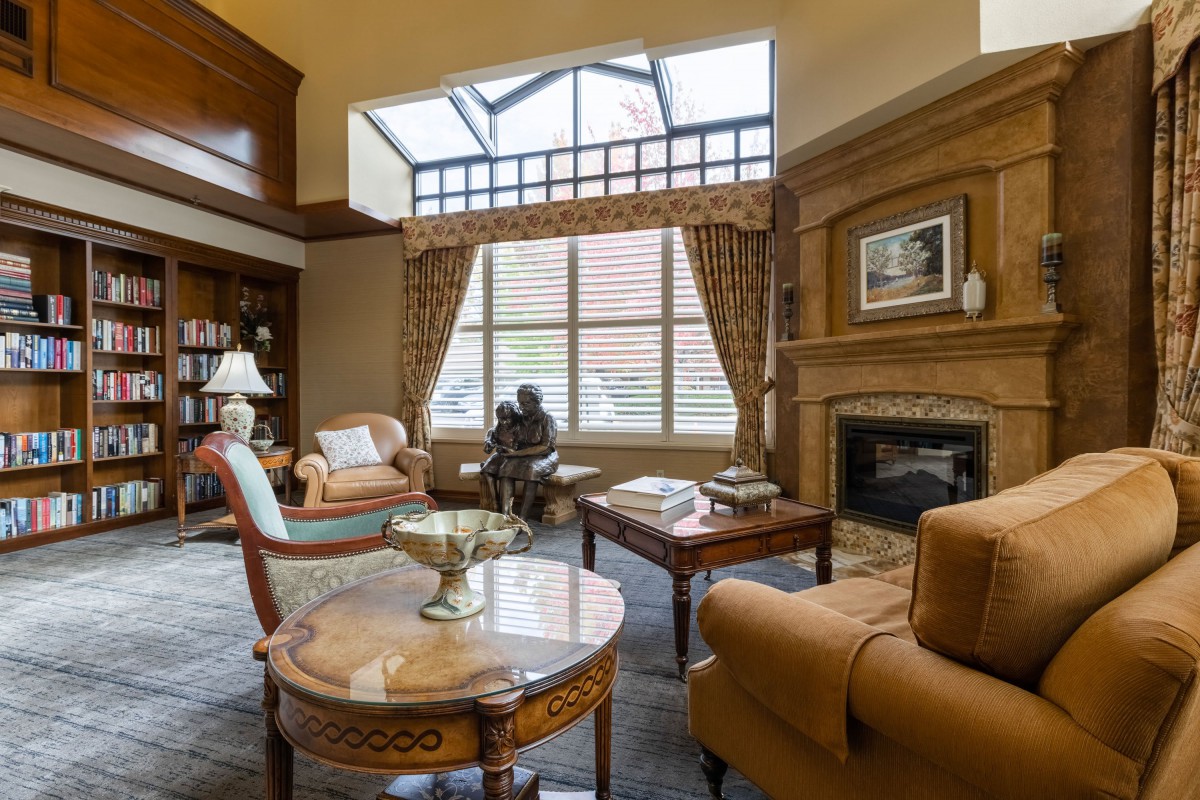
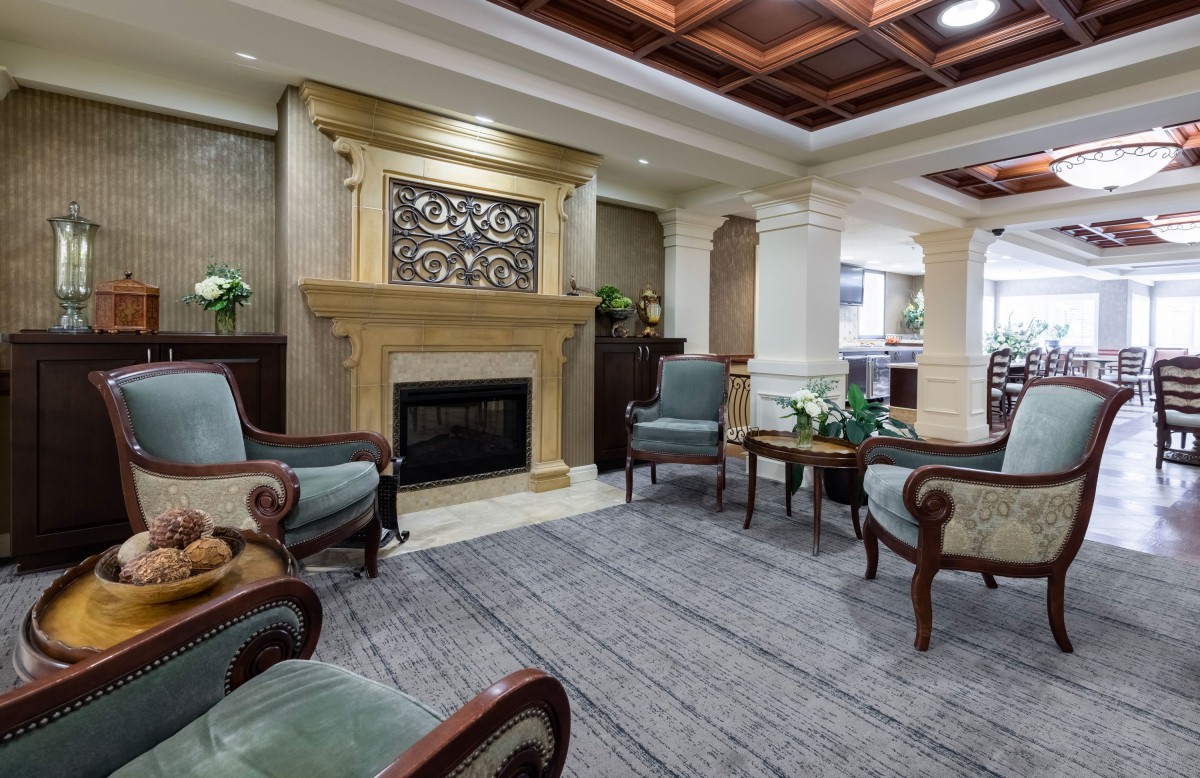
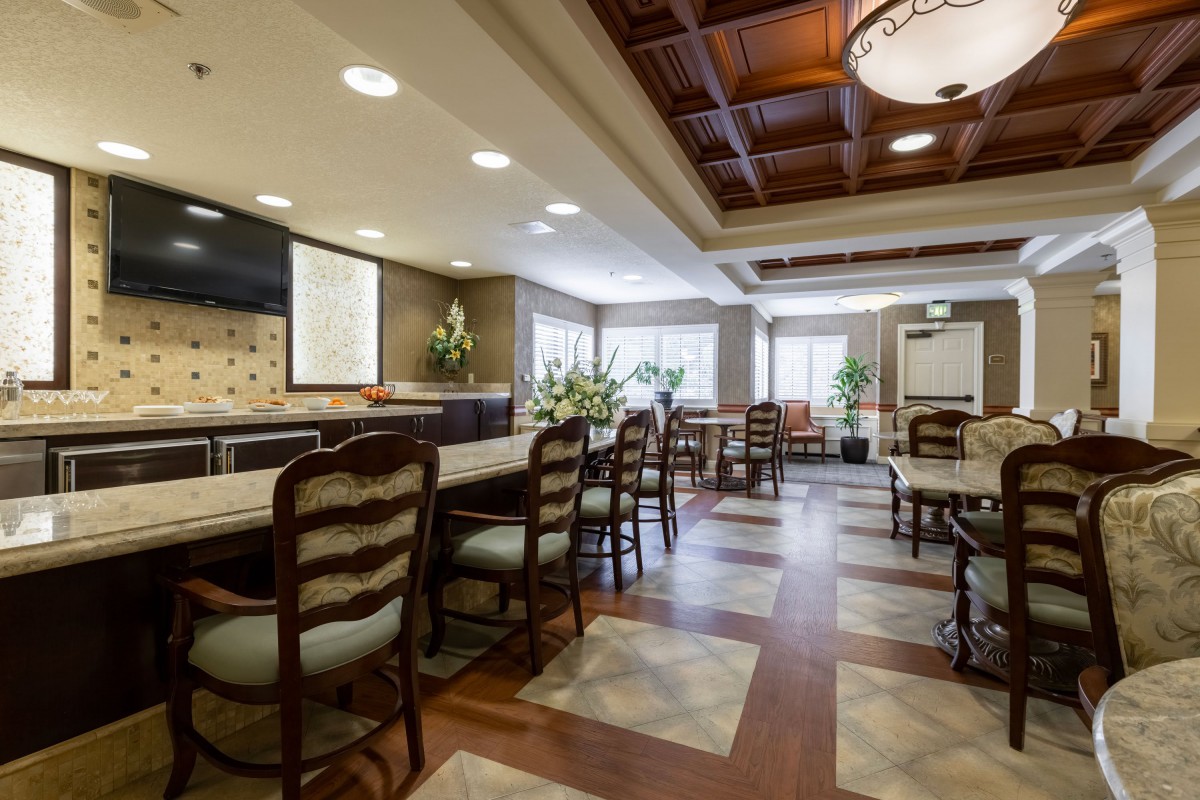
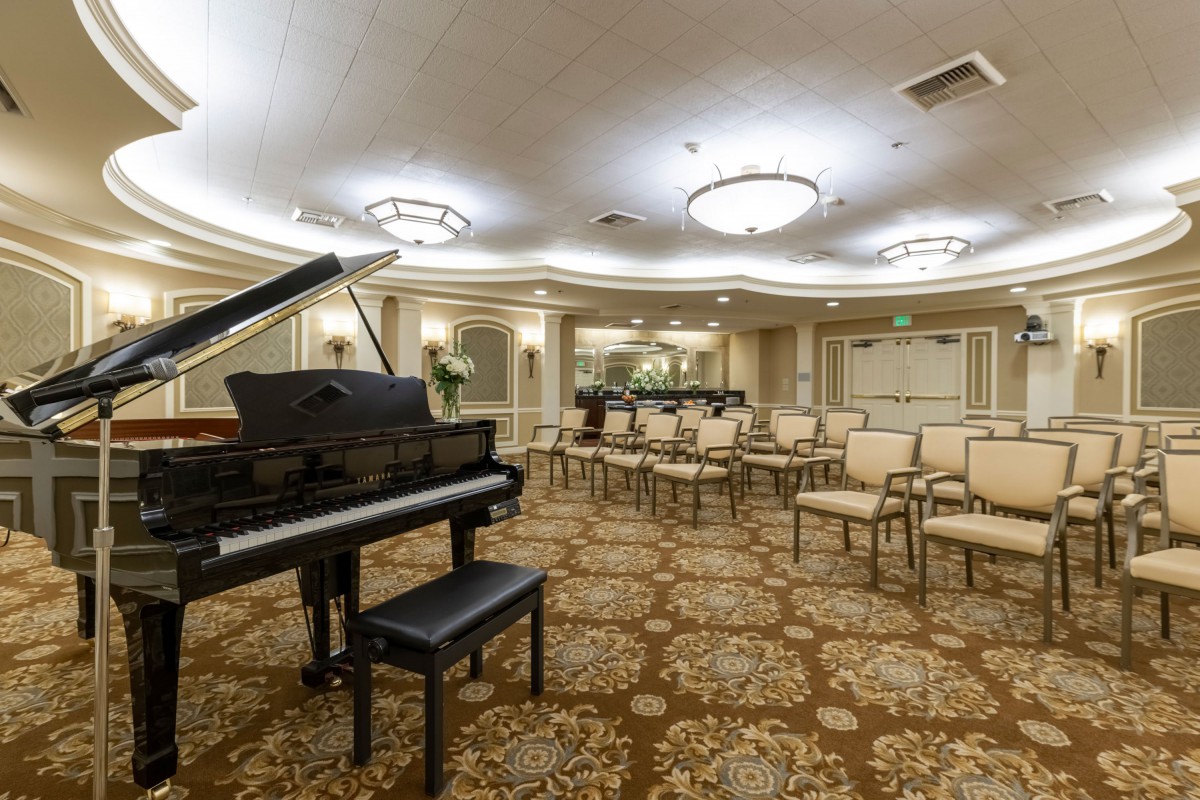
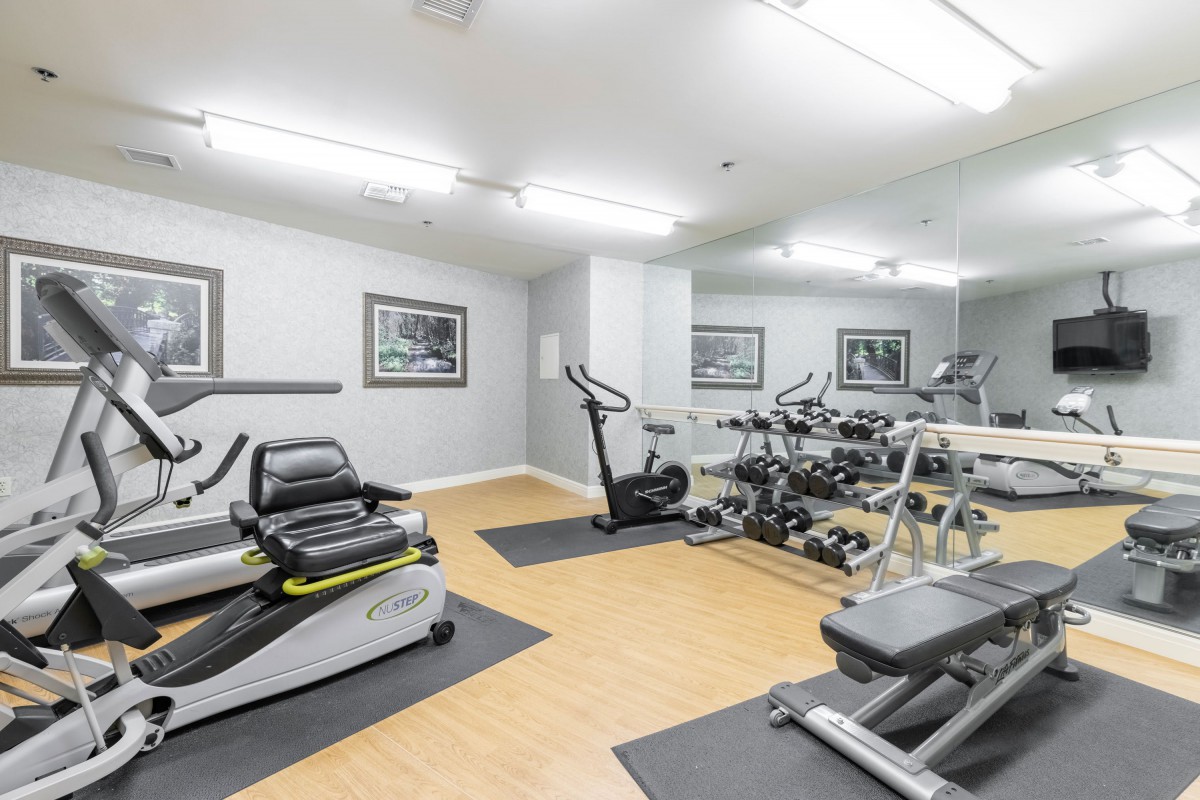
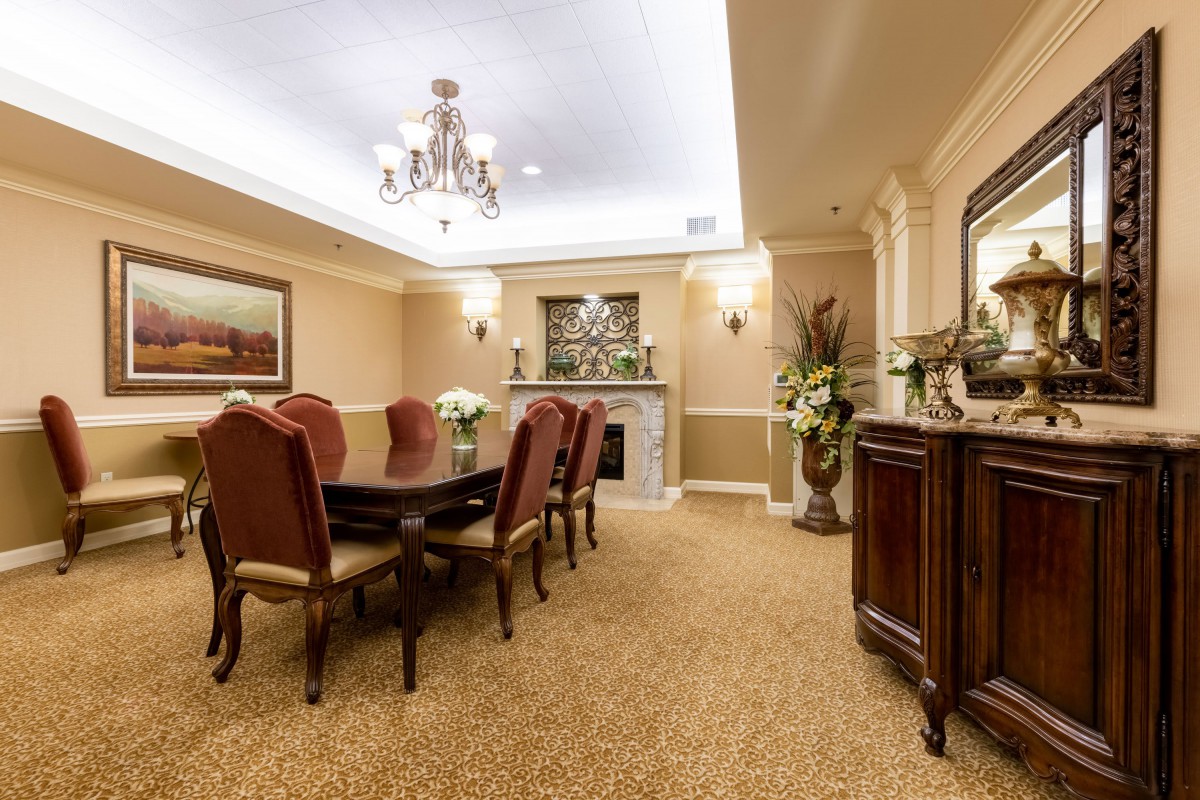
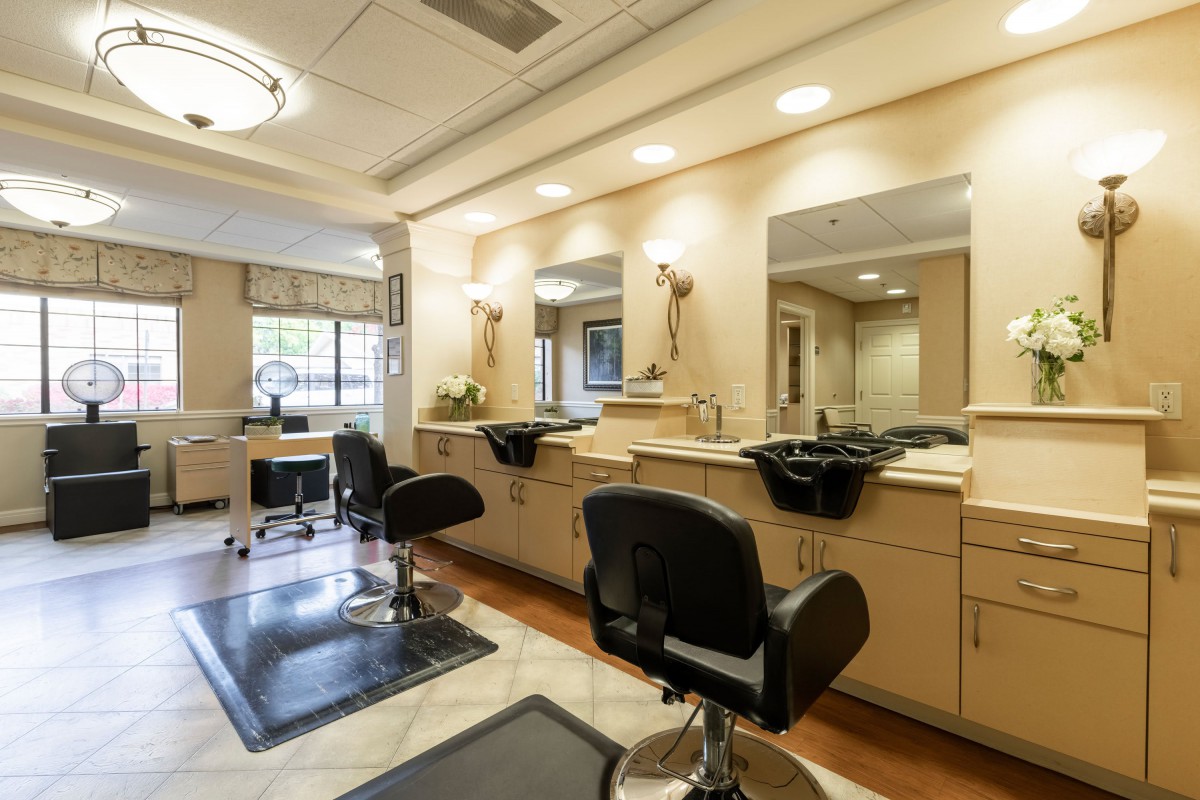
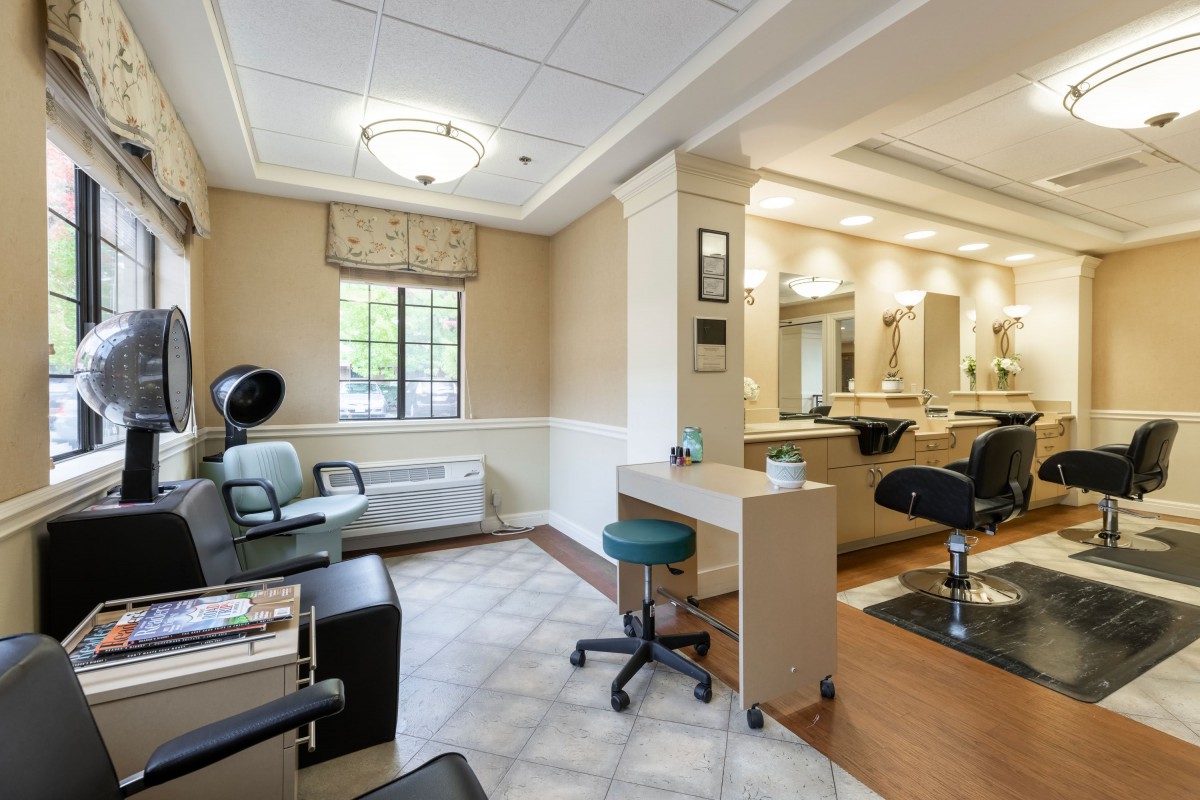
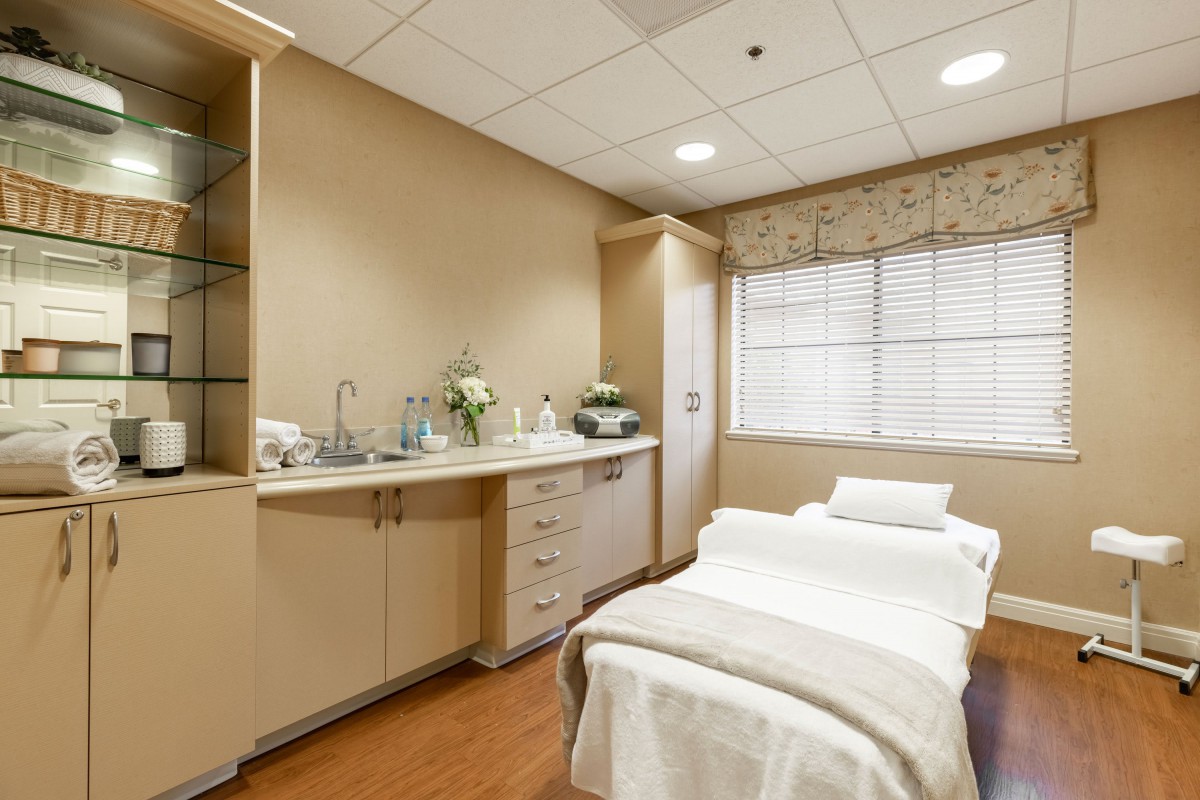
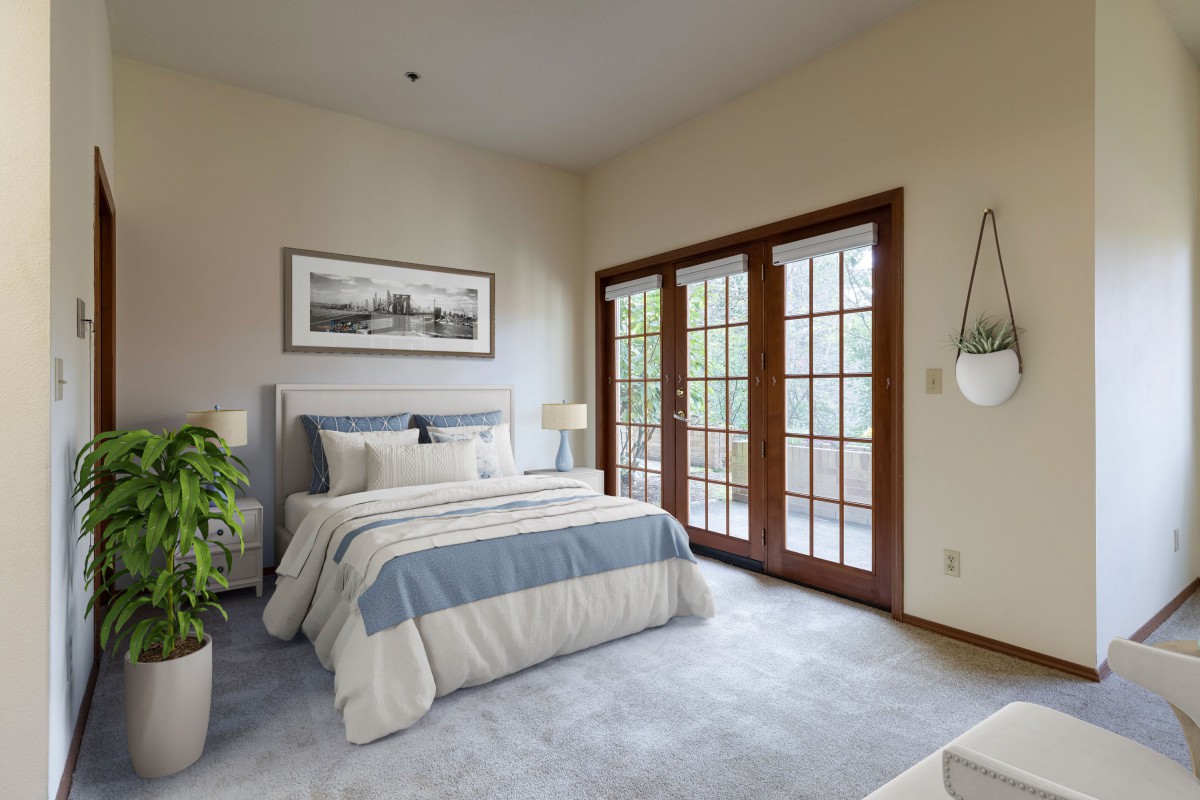
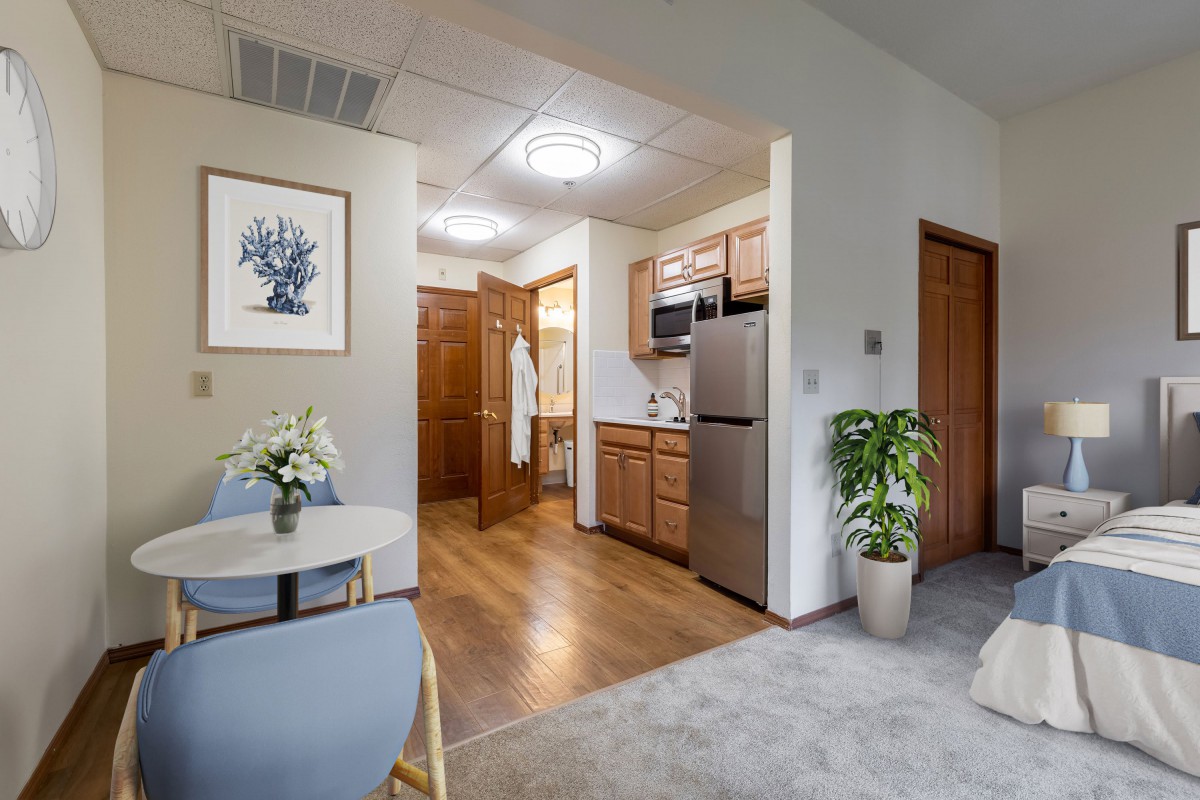
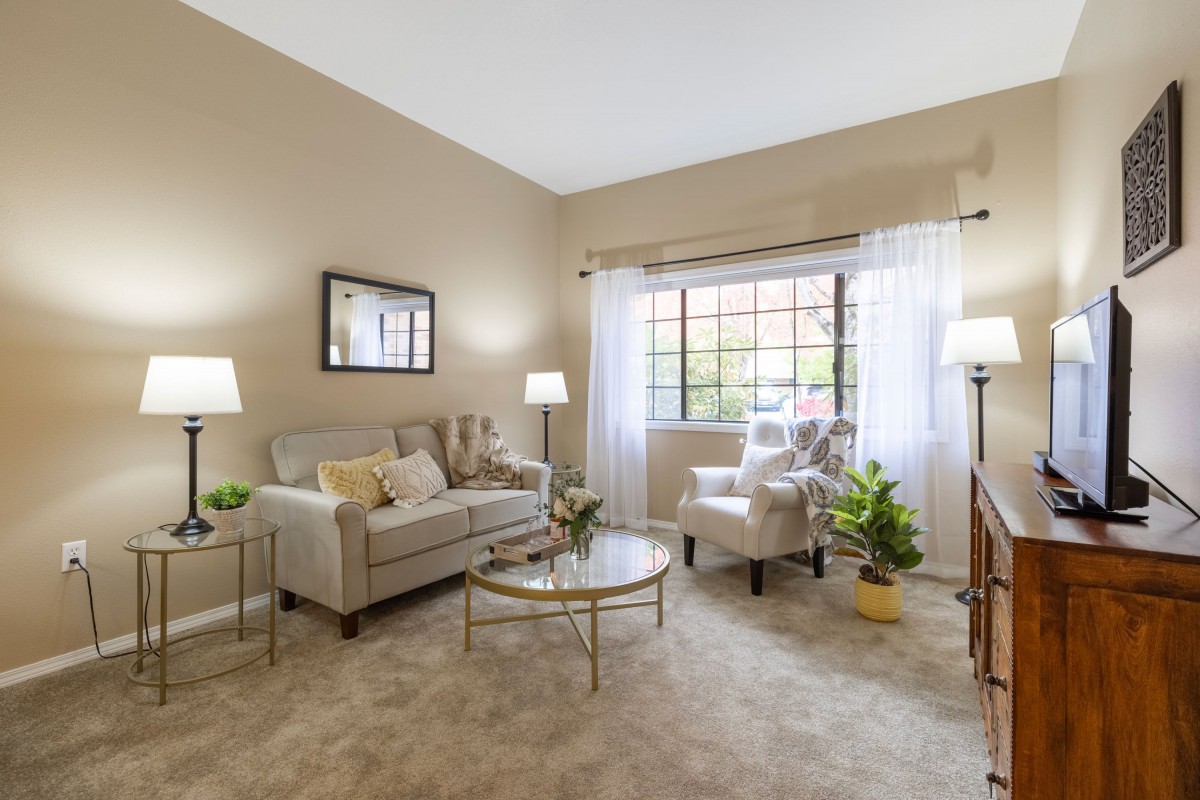
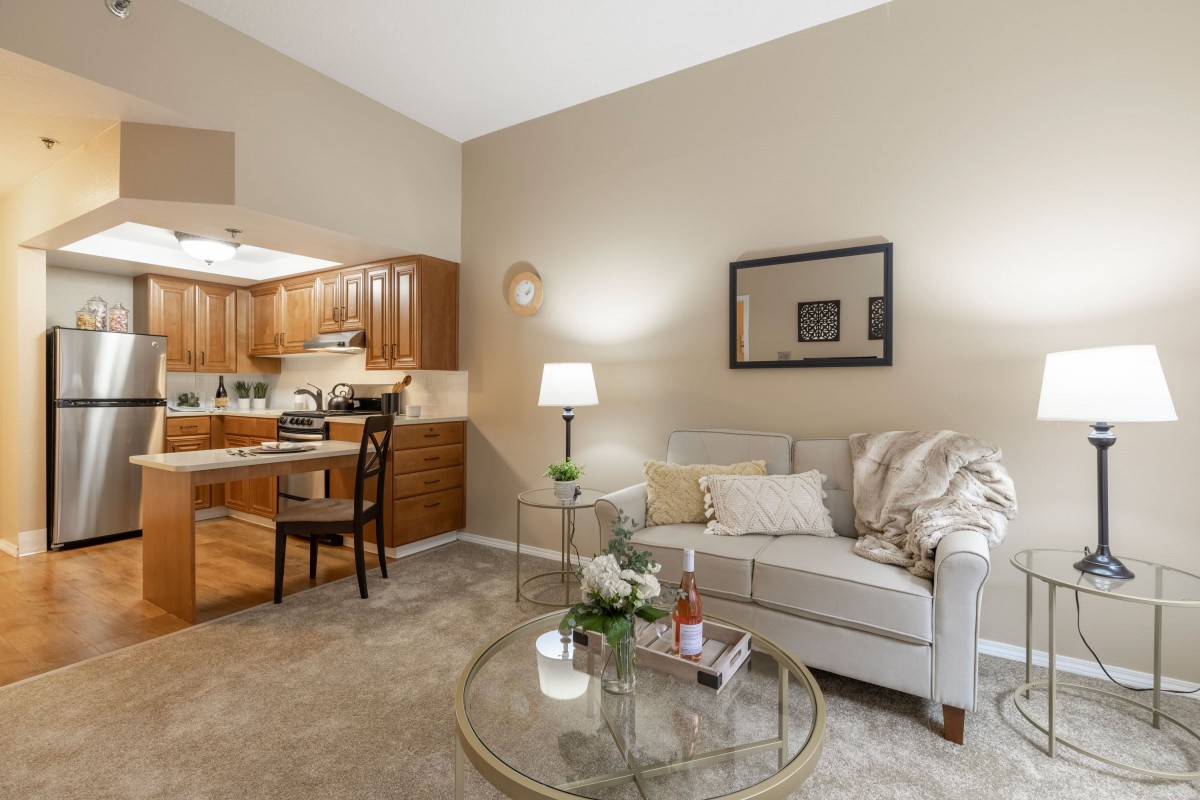
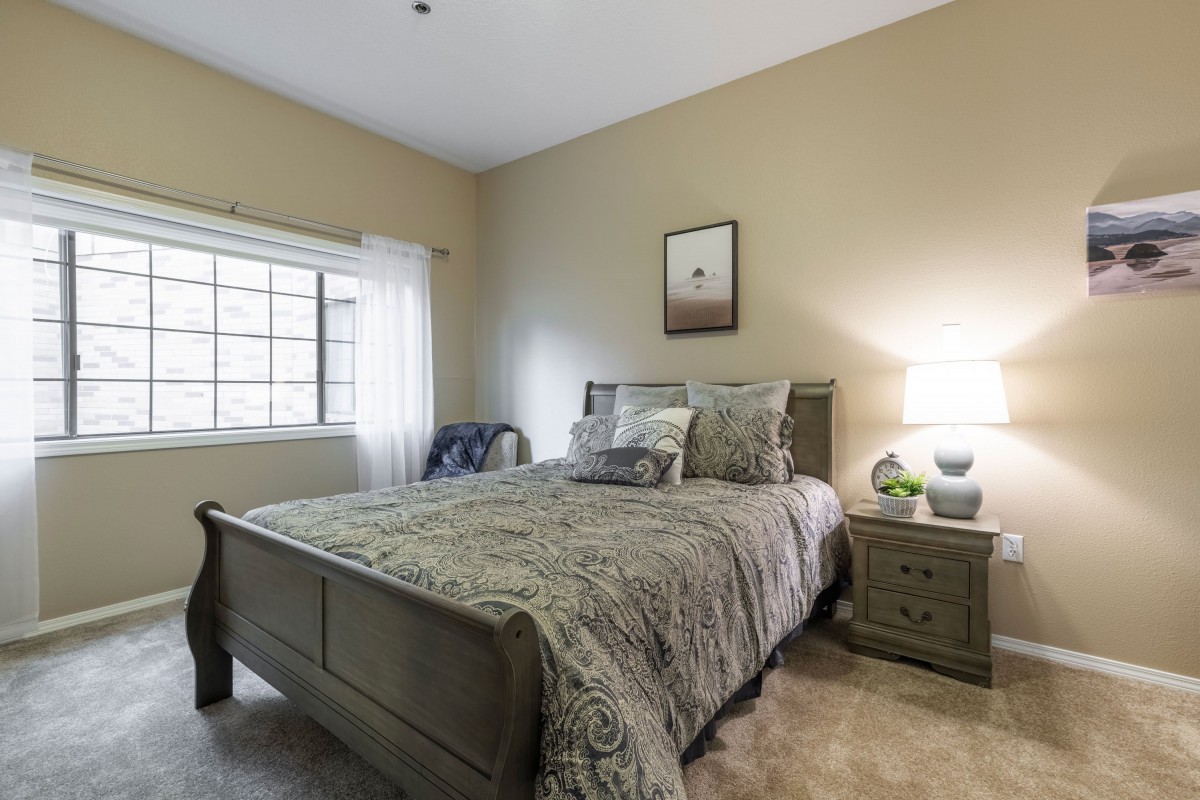
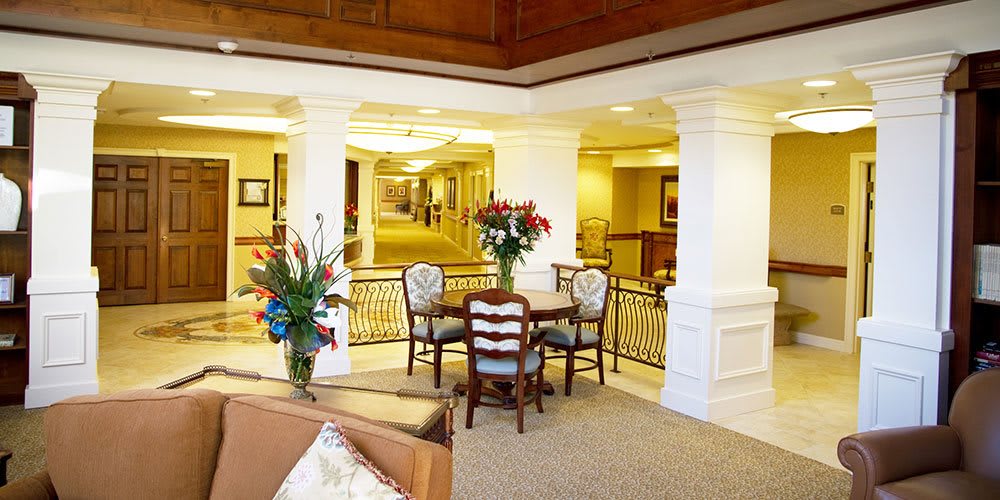
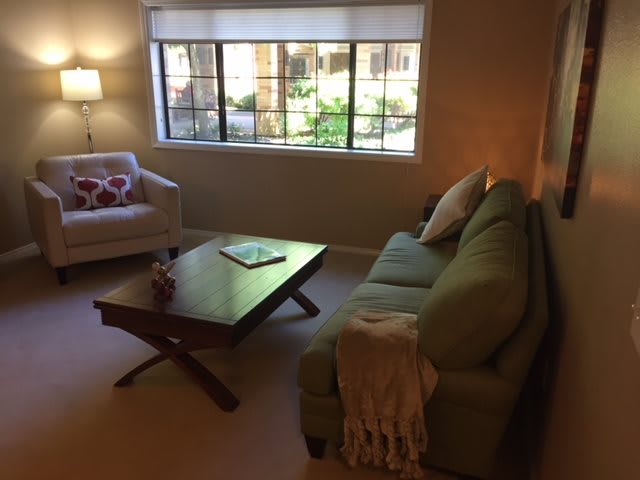
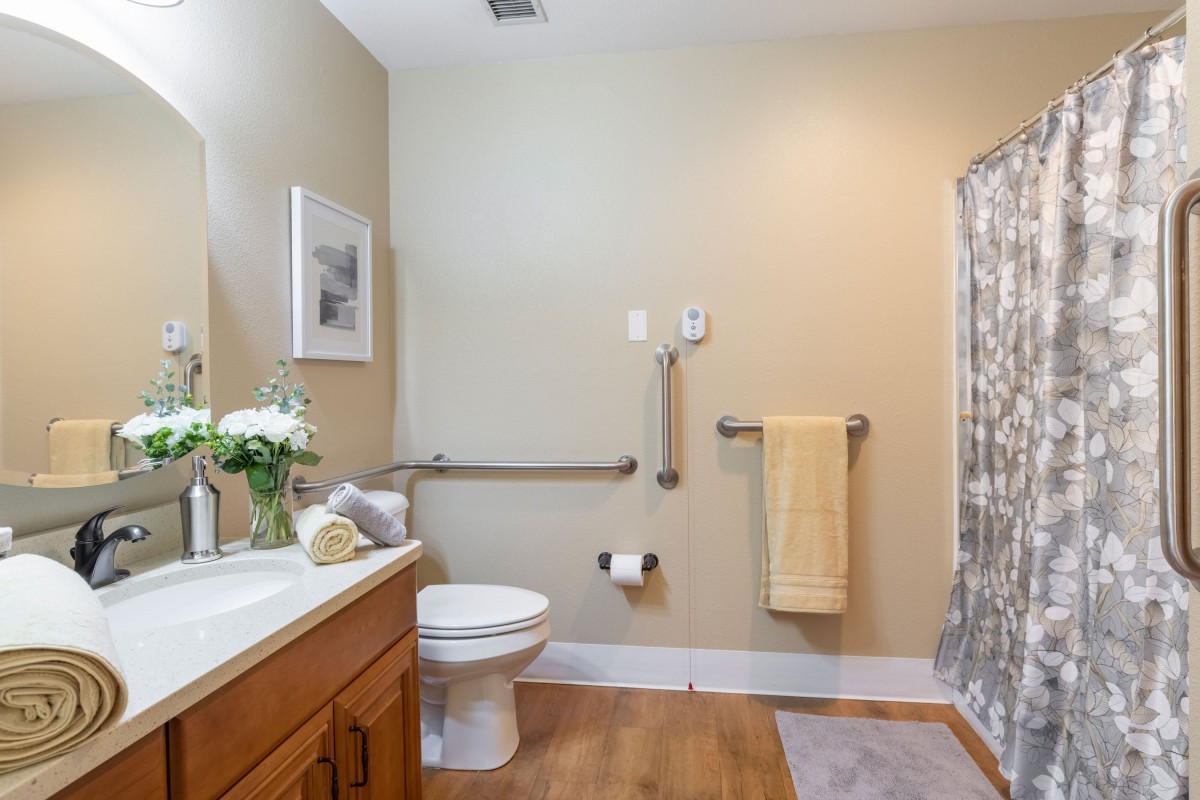
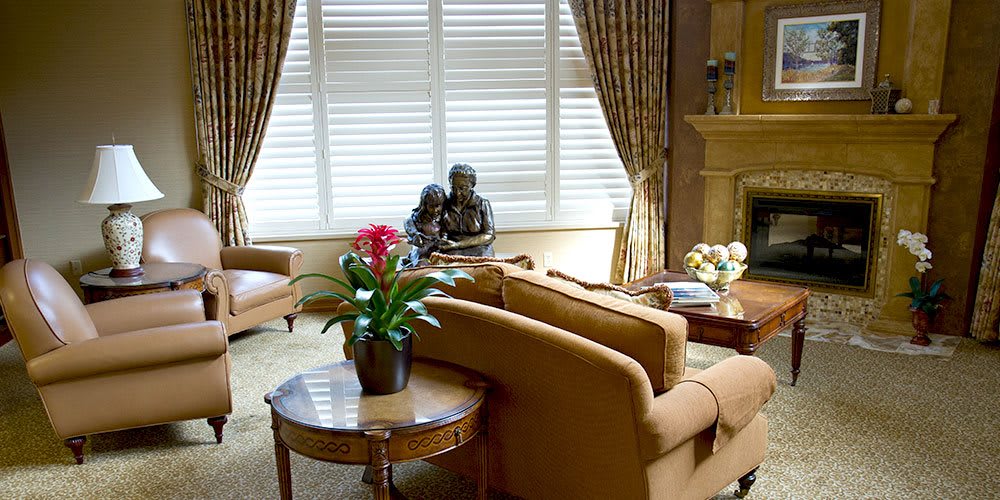
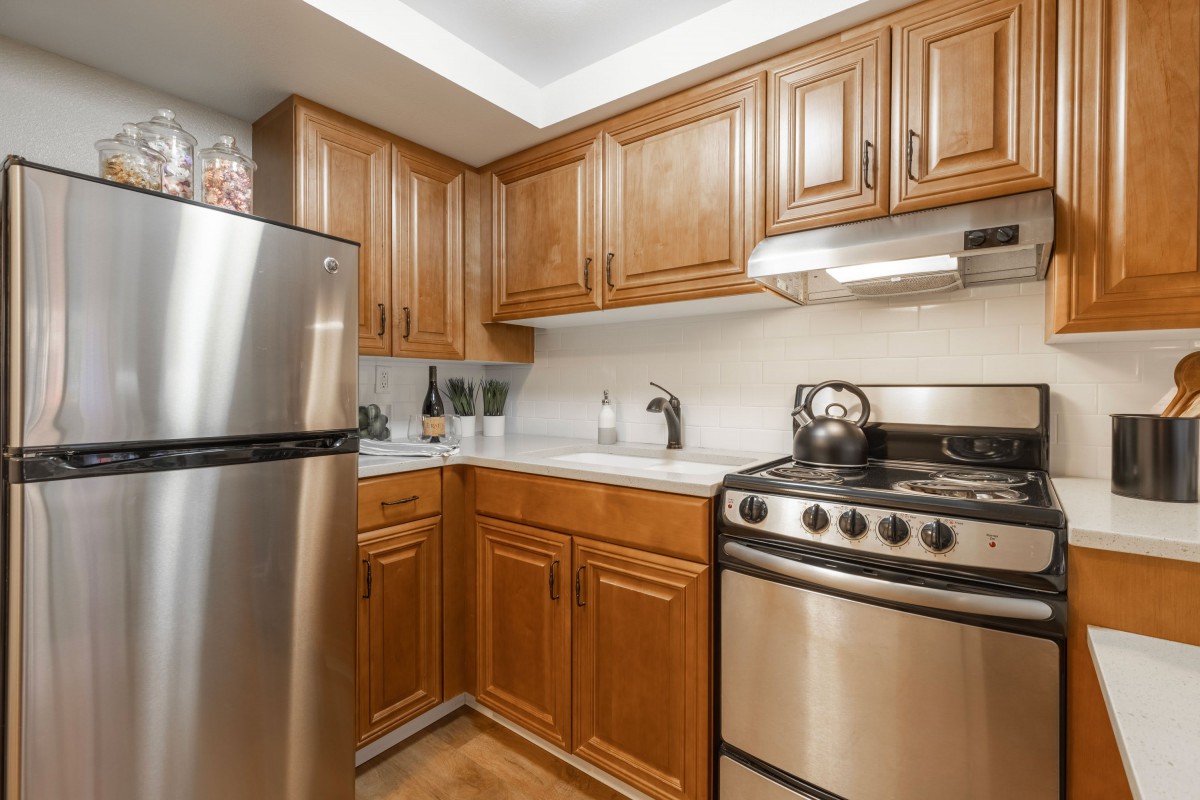
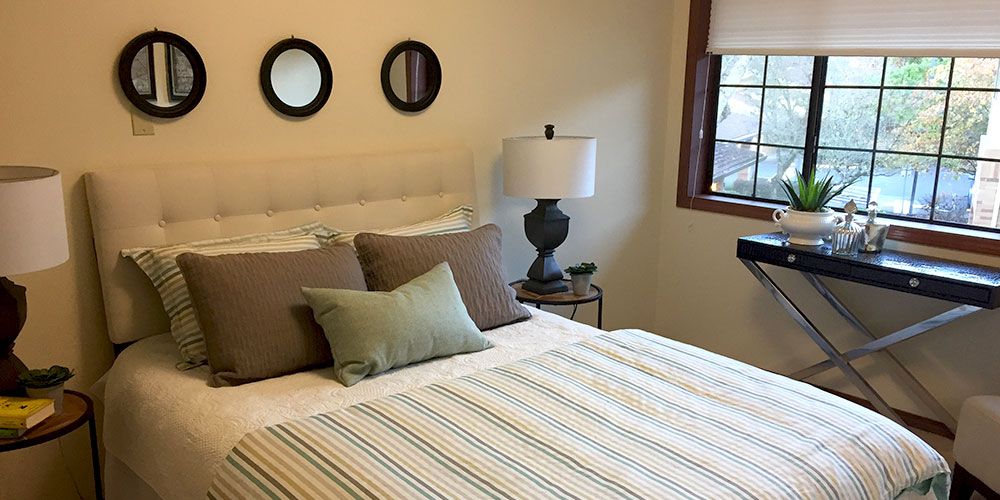
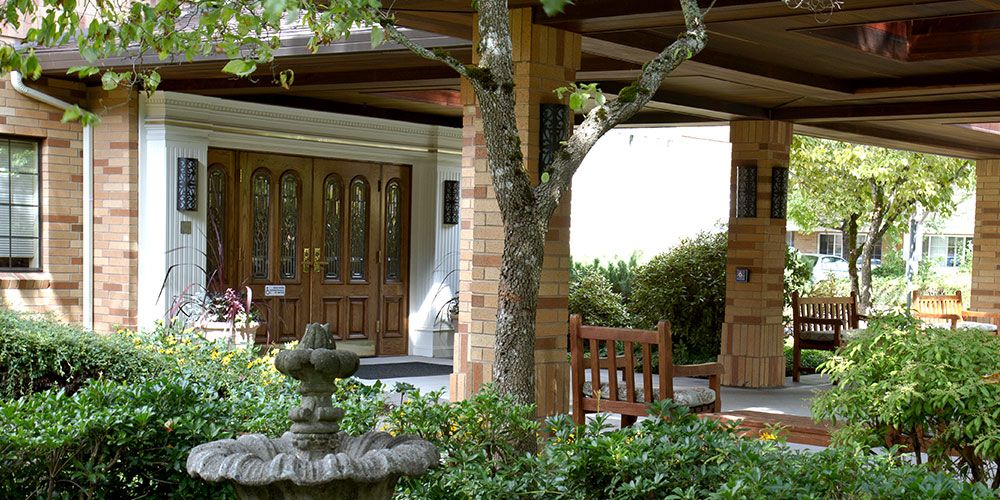
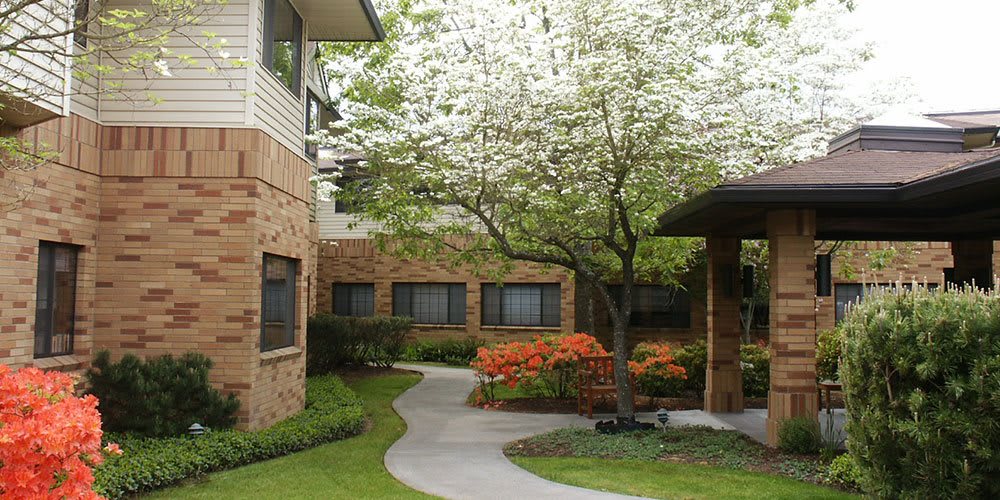
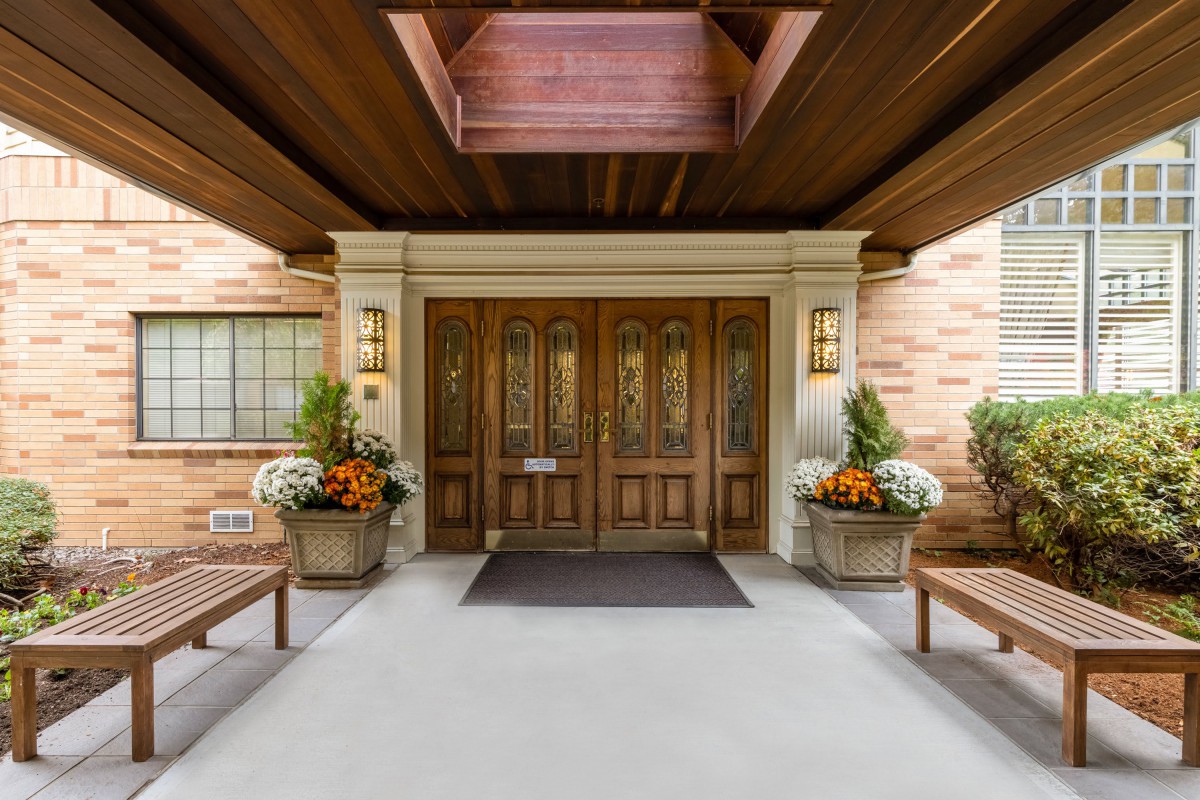
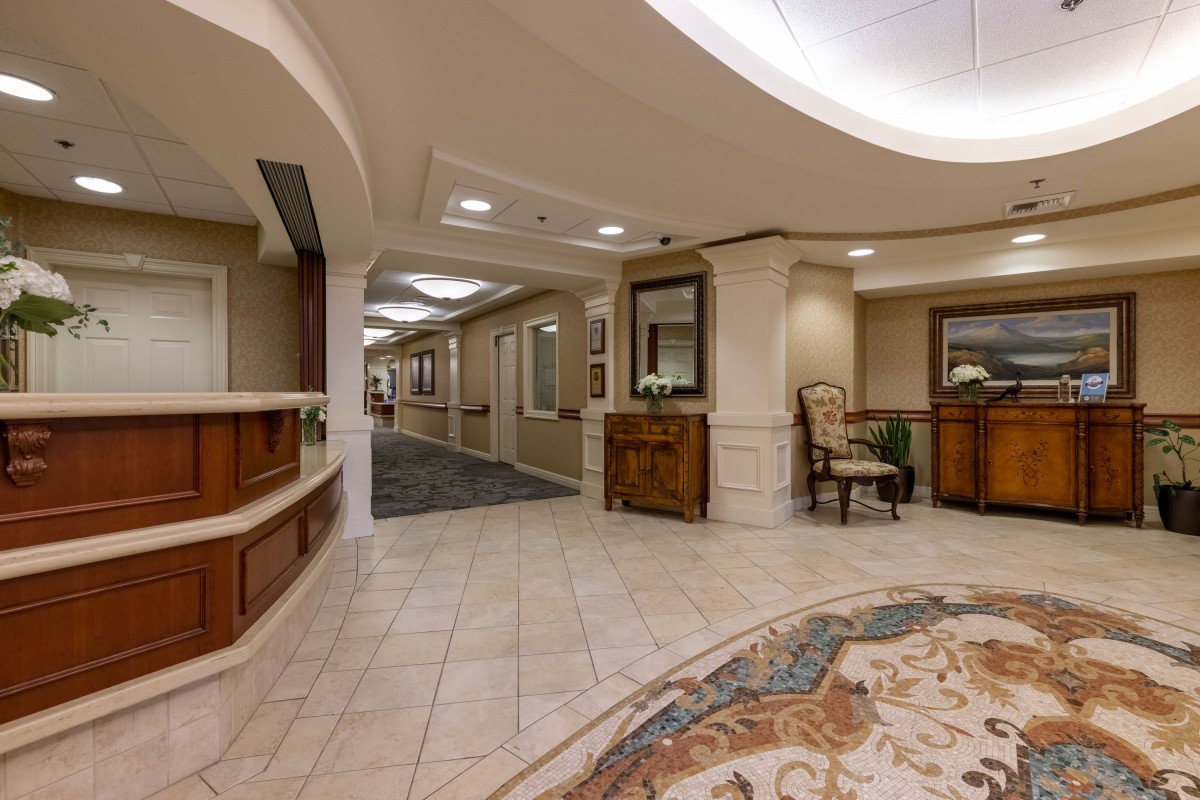
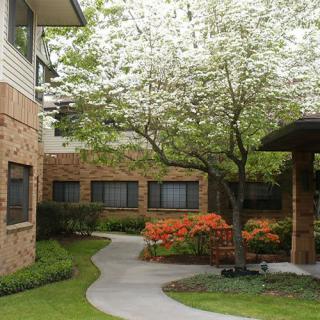
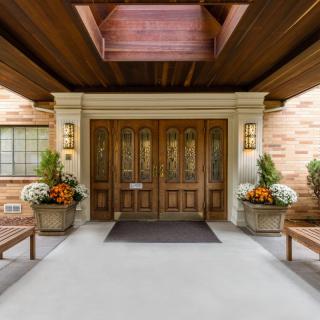
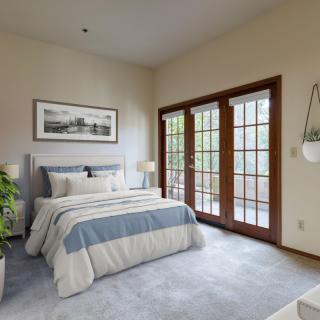
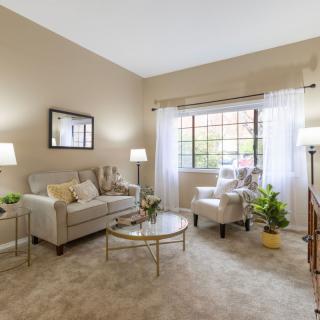
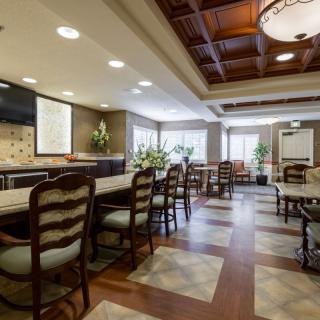
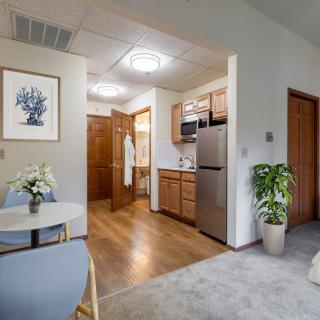
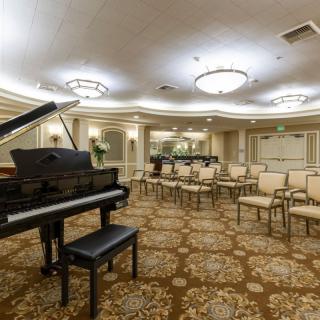
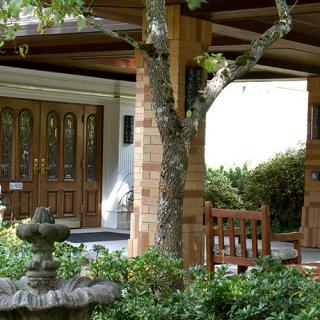
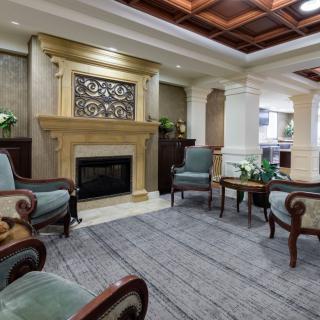
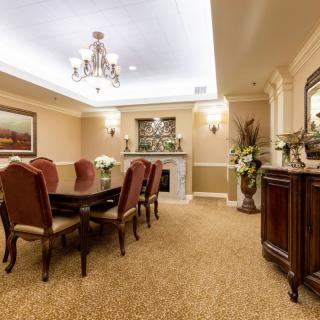
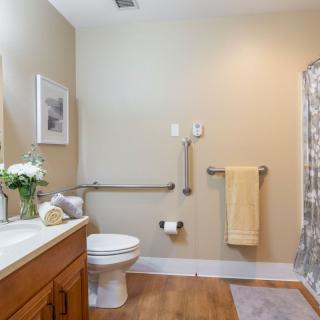
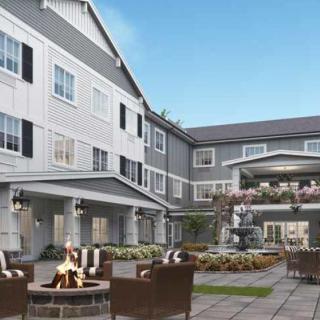
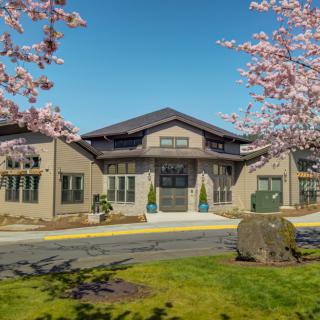
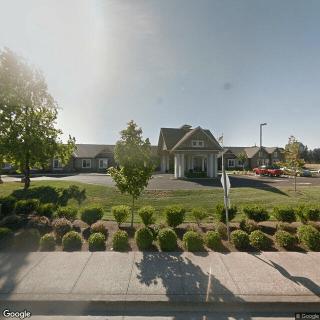
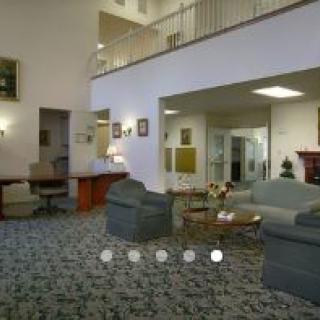
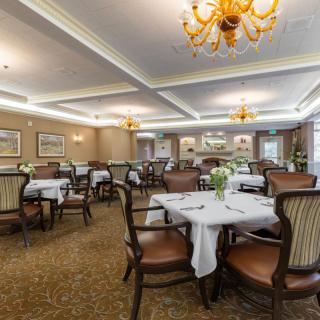
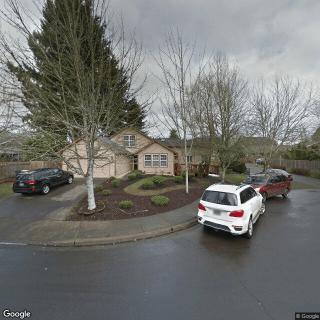
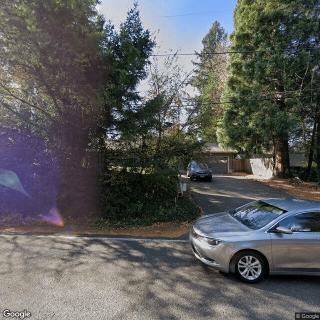
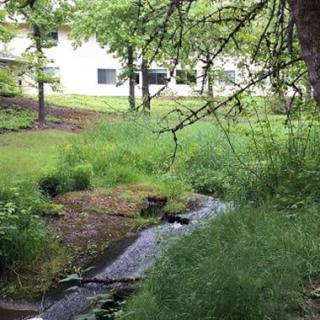
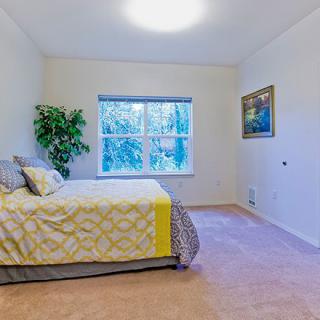
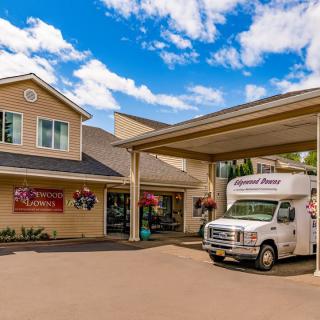
West Hills Village Senior Residence on seniors.fyi includes 26 photos including images showing interior, decor, dining, living room, windows, bedroom, salon, fireplace, and more.
Nearby Communities
West Hills Health & Rehabilitation
Portland, OR
3 from 41 reviews
Wide range of amenities and care services that support comfort, independence, and social engagement.
Alpine House 2
Portland, OR
4.9 from 22 reviews
$3,000 / month
Competitive price with ample nearby amenities.
Hunt Club Senior Living
Portland, OR
3 from 112 reviews
$4,500 / month
Helpful, friendly staff with a responsive owner.
Gracious Care AFH
Portland, OR
$2,175 to $3,360 / month
Affordable high-acuity care with private rooms and accessible bathrooms/showers.
Love4care
Portland, OR
5 from 2 reviews
$2,600 / month
Exceptionally clean facility with compassionate caregivers and a welcoming atmosphere; affordable private-room pricing for the area.
Azure Senior Care Home
Portland, OR
$3,597 to $3,695 / month
Specialized memory care with trained staff; competitive pricing.
Avamere At Park Place
Tigard, OR
4 from 91 reviews
Caring staff and a welcoming community with engaging activities.
Brookdale Oswego Springs Portland
Portland, OR
4.1 from 82 reviews
$5,615 to $7,290 / month
Friendly, attentive staff in a welcoming community with beautiful outdoor spaces and engaging activities.
Holiday Edgewood Downs
Beaverton, OR
4 from 127 reviews
$2,519 to $3,959 / month
Friendly staff, clean facilities, and active programs with spacious apartments.
Choosing between assisted living and nursing homes involves evaluating emotional and financial factors, with assisted living offering independence and support for daily activities at a lower cost, while nursing homes provide intensive medical care for individuals with significant health needs. The decision is influenced by personal preferences, health status, cognitive function, and varying Medicaid coverage across states.
Assisted living in 2025 offers a crucial balance of independence and support for seniors, with costs varying from $2,500 to over $7,000 per month based on factors such as location and care level. Understanding pricing complexities, including regional differences and potential hidden fees, is essential for families to plan financially while ensuring quality care for their loved ones.
The guide outlines the complexities of Medicaid coverage for assisted living, highlighting significant state-to-state variations, limited coverage often restricted to personal care services, and the existence of specialized waivers for certain needs like memory care. It advises families to consult local Medicaid offices for options while emphasizing the importance of understanding state-specific regulations and facility policies.
Exercise Equipment, Gym, Fitness, Treadmill, and Workout Room
Salon
Appliances and Refrigerator
Natural Light and Decorative Plants
Healthcare, Spa, and Massage Room
Hallway
Piano
Porch, Tree, and Fountain
Plant
Mirrors
Living Space
Get PricingAsk A QuestionSchedule A TourContact Senior Advisor
By clicking submit, you agree to our Partner's Terms of Use. You
also consent to receive calls and texts, which may be autodialed, from our Partner. Your consent is not a condition to
using our Partner's service. Please visit our Partner's Privacy Policy for information about their privacy practices.


 150 resident community capacity
 1-bedroom apartments
 Assisted Living
 Independent Living
 Respite Care
 Cats allowed
 Dogs allowed
 Activities off-site
 Air-conditioning
 Beautician on-site
 Cable or satellite TV
 Computer center
 Devotional services on-site
 Dining room
 Fitness room
 Full kitchen
 Fully furnished
 Gaming room
 Garden
 Ground floor units
 Handicap accessible
 Housekeeping services
 Indoor common areas
 Move-in coordination
 Outdoor common areas
 Private bathrooms
 Private patio, deck, or balcony
 Restaurant-style dining
 Small library
 Telephone
 Wellness center
 Wheelchair accessible showers
 Wi-Fi/high-speed internet available
 Portland International (11 miles away)
 Community operated transportation
 12-16 hour nursing
 24-hour call system
 Ambulatory care
 Assistance with bathing
 Assistance with dressing
 Assistance with transfers
 Diabetes diet
 Diabetic care
 High acuity care
 Hospice waiver
 Incontinence care
 Medication management
 Mental wellness program
 Special dietary restrictions
 Transportation arrangement (medical)
 Art classes
 Bible study group
 Concierge services
 Day trips and outings
 Educational speakers / life long learning
 Happy hour
 Live dance or theater performances
 Live musical performances
 Wine tasting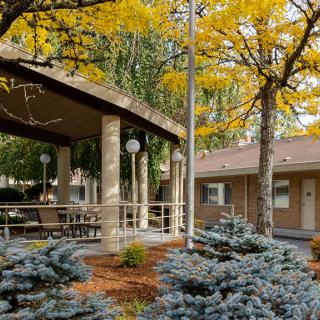
 Wide range of amenities and care services that support comfort, independence, and social engagement.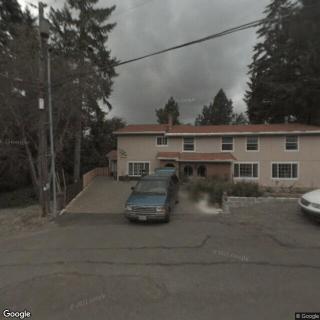
 Choosing the Right Senior Care: A Detailed Exploration of Assisted Living and Nursing Homes
 Understanding the True Cost of Assisted Living in 2025: A Comprehensive Guide
 Understanding Medicaid Coverage for Assisted Living: A Comprehensive Guide