For more information about senior living options: (866) 208-4318
3.4 from 33 reviews
5 stars
18
4 stars
1
3 stars
1
2 stars
1
1 stars
12
The Senior Care Home Costs & Pricing
The Senior Care Home offers competitive pricing for its private room accommodations at $3,000 per month, which stands out favorably when compared to the average costs in Multnomah County and across Oregon. In Multnomah County, similar private rooms are priced at approximately $3,227 monthly, while the statewide average reaches around $3,424. This cost-effectiveness not only makes The Senior Care Home a viable option for families seeking quality senior care but also reflects its commitment to providing accessible services while maintaining high standards of care and comfort. Families can find peace of mind knowing they are selecting a facility that balances affordability with exceptional support for their loved ones.
Floor plans
The Senior Care Home
Multnomah County
Oregon
Private
$3,000
$3,227
$3,424
Senior living communities with a similar price nearby
About the same
A Piece of Heaven
5 from 55 reviews
$3,000 / month
2.6 miles away
from -$500 / mo
Mapleview Manor, LLC
5 from 47 reviews
$2,500 / month
2.9 miles away
About the same
Yamhill Senior Care Home
5 from 21 reviews
$3,000 / month
6.2 miles away
About the same
Peaceful Lighthouse Adult Care Home
5 from 20 reviews
$3,000 / month
8.7 miles away
from +$500 / mo
Fulga's ACH
5 from 20 reviews
$3,500 / month
11.6 miles away
Overall Review of The Senior Care Home
common21 reviews mention this
Staff care and responsiveness stand out
Residents and families repeatedly describe attentive, compassionate staff.
Across reviews, families highlight day-to-day care as compassionate and attentive, with staff showing up for individual needs as conditions change. Several also mention being able to reach staff—by phone or in person—when they needed support. A few reviews are the opposite, describing poor communication, unaddressed concerns, and staff who don’t fully meet expectations, so experiences are not uniform.
caveat6 reviews mention this
Care quality concerns cited by some
Some reviews report serious breakdowns in daily care.
A subset of reviews describe care that families felt was inadequate, including claims that staffing or care practices shifted significantly and that concerns weren’t addressed. Others mention problems like being unable to reach staff by phone, staff taking residents they shouldn’t, or leadership being unhelpful during critical moments. These reviews are paired with a much larger set of positive experiences describing supportive, present care, but the negative accounts are still clear and direct.
caveat6 reviews mention this
Cleanliness is a mixed point
Cleanliness draws both praise and complaints in reviews.
Several families say the facility is clean and that it doesn’t have unpleasant odors, and they mention minor maintenance observations during tours. At the same time, at least one review describes the building as dirty and cites repeated shortages of supplies, including hygiene items. Because these themes show up in both directions, cleanliness appears to vary by period or circumstance rather than being consistently described the same way.
common2 reviews mention this
On-site activities and social time
Residents are described as having regular on-site social activities.
Some reviews specifically mention enjoying community activities like parties, games, movie nights, and time outdoors, along with meals and room life they could look forward to. The community also offers on-site activities, which lines up with residents who describe their days as including structured social moments.
How we summarize
Counts show how many written reviews mention each theme; a review can touch several themes, and only frequently mentioned themes are displayed.
Features
Types of Care
Board and Care Home
Amenities
Activities on-site
Indoor common areas
Private
Private bathrooms
Wheelchair accessible showers
Transportation
Portland International (9 miles away)
Care Services
Ambulatory care
Diabetic care
High acuity care
Incontinence care
Dining
Meals provided
Activities
Activities on-site
Christian services
Nearby Places of Interest
This part of Portland, Oregon, offers a convenient and accessible location with a variety of amenities in close proximity. With several pharmacies, hospitals, physicians' offices, and cafes within a few miles, residents can easily access essential services and healthcare facilities. Additionally, the area features a selection of parks for outdoor recreation and relaxation. Transportation options are also readily available with a nearby transit center for easy travel around the city. The neighborhood's diverse dining options cater to different tastes and preferences, making it an ideal choice for those seeking a vibrant community with ample resources for senior living.
Pharmacies
Safeway Pharmacy (1.2 miles)
Walgreens (1.4 miles)
Rite Aid (1.7 miles)
Walgreens (1.7 miles)
CVS Pharmacy (1.9 miles)
Walgreens (2 miles)
Walgreens (2.3 miles)
Hospitals
Providence Milwaukie Hospital (1.4 miles)
Kaiser Sunnyside Medical Center (3.2 miles)
Adventist Medical Center (4.1 miles)
Portland VA Medical Center (4.4 miles)
Doernbecher Children's Hospital (4.5 miles)
Shriners Hospitals For Children (4.8 miles)
Restaurants
McDonald's (1.7 miles)
Bodega PDX (1.9 miles)
Thunderbird (2.2 miles)
H.K. Cafe (2.4 miles)
Super Deluxe (2.4 miles)
Hopworks Urban Brewery (2.7 miles)
Chick-Fil-A (2.8 miles)
Cafes
Keeper Coffee Co. (1.9 miles)
Portland Cà Phê (2.4 miles)
Dutch Bros Coffee (2.4 miles)
Common Grounds Coffee House (3.4 miles)
Starbucks (4.2 miles)
Coava Coffee Roasters (4.3 miles)
Starbucks (4.5 miles)
Physicians
Metropolitan Pediatrics (2 miles)
Sellwood Medical Clinic (2.2 miles)
Richmond Family Health Center (2.9 miles)
Kaiser Permanente Mount Talbert - Emily West MD (3.1 miles)
Kaiser Sunnybrook - Institut (3.1 miles)
Adventist Medical Pavilion (4.2 miles)
Pacific Digestive Associates (4.2 miles)
Parks
Lents Park (2.4 miles)
Sellwood Park (2.5 miles)
Sellwood Riverfront Park (2.7 miles)
Mt. Tabor Park - Off Leash Area (3.2 miles)
Tryon Creek State Park (3.5 miles)
Rivervilla Park (3.6 miles)
Mt. Tabor Park (3.7 miles)
Theaters
Century 16 Eastport Plaza (2.6 miles)
Hollywood Theatre (5 miles)
Regal Pioneer Place (5.1 miles)
Transportation
TriMet Hollywood/NE 42nd Ave Transit Center (4.9 miles)
The Senior Care Home offers competitive pricing for its private room accommodations at $3,000 per month, which stands out favorably when compared to the average costs in Multnomah County and across Oregon. In Multnomah County, similar private rooms are priced at approximately $3,227 monthly, while the statewide average reaches around $3,424. This cost-effectiveness not only makes The Senior Care Home a viable option for families seeking quality senior care but also reflects its commitment to providing accessible services while maintaining high standards of care and comfort. Families can find peace of mind knowing they are selecting a facility that balances affordability with exceptional support for their loved ones.
Home health care has become essential for supporting independence among the aging population, offering diverse services such as skilled nursing and rehabilitation in familiar environments, while also incorporating technology for personalized care. Despite its benefits, including improved recovery rates and emotional well-being, challenges like safety, staff availability, and insurance navigation must be managed for effective implementation.
Home health care offers a range of clinical services provided in a patient's home, including nursing and therapy, tailored to individual needs, particularly for aging seniors with chronic conditions. This approach enhances patient independence, promotes better disease management, and utilizes technology for real-time monitoring while fostering collaboration among healthcare providers and family members.
Seniors benefit from ride-hailing services like Uber and Lyft, which provide convenient and accessible transportation options that promote independence and social engagement, while addressing mobility challenges. These platforms have adapted to meet senior needs with user-friendly features and safety measures, although costs can be a concern; community programs may help subsidize rides for older adults.
Get PricingAsk A QuestionSchedule A TourContact Senior Advisor
By clicking submit, you agree to our Partner's Terms of Use. You
also consent to receive calls and texts, which may be autodialed, from our Partner. Your consent is not a condition to
using our Partner's service. Please visit our Partner's Privacy Policy for information about their privacy practices.

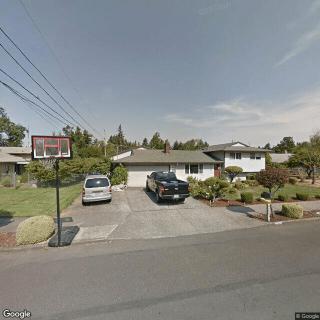
 Board and Care Home
 Activities on-site
 Indoor common areas
 Private
 Private bathrooms
 Wheelchair accessible showers
 Portland International (9 miles away)
 Ambulatory care
 Diabetic care
 High acuity care
 Incontinence care
 Meals provided
 Christian services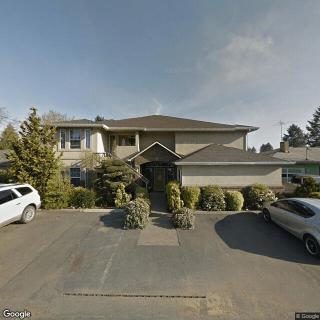

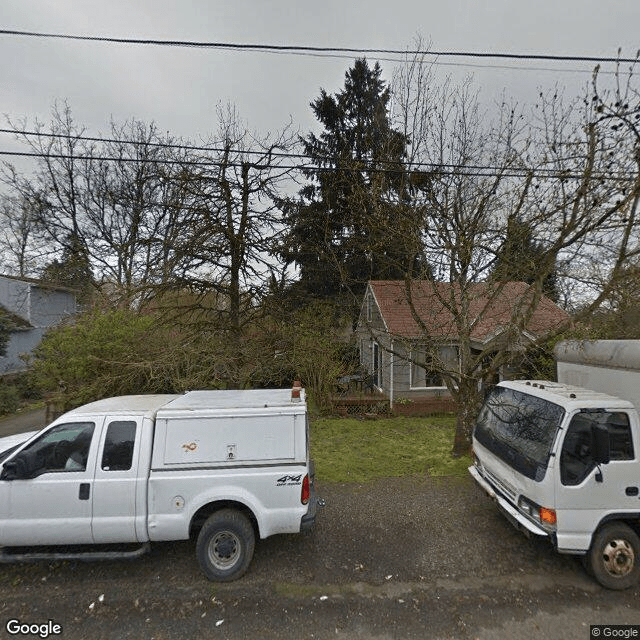
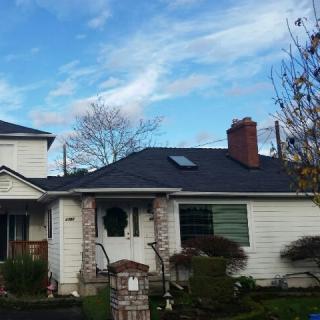
 Cozy board-and-care with personalized care in a garden setting and transportation.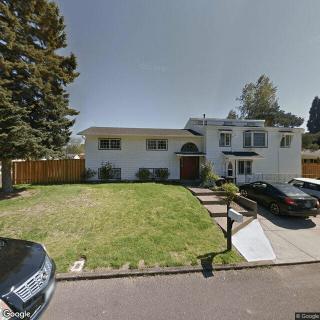
 Understanding Home Health Care: A Comprehensive Guide
 Home Health Care Demystified: A Comprehensive Guide for Families and Caregivers
 Seniors and Modern Transportation: Exploring Uber, Lyft, and Other Ride-Hailing Options