

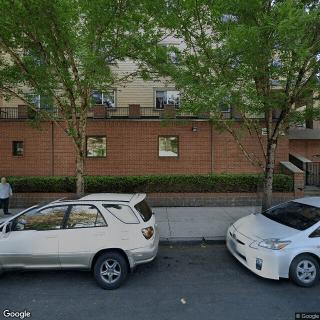
4453 NE Failing, Portland, OR 97213
To contact a resident: (503) 287-4759
For more information about senior living options: (866) 208-4318
Maria Danciu Costs & Pricing
Maria Danciu's monthly cost for a private room stands at $4,500, which significantly exceeds both the average pricing in Multnomah County ($3,227) and across the state of Oregon ($3,424). This disparity suggests that Maria may be receiving specialized care or amenities that justify the higher expense. While costs in her local area are generally more affordable, her choice underscores a commitment to quality and tailored services within her living arrangement. Balancing these factors is crucial for evaluating the value of such investment in her care.
| Floor plans | Maria Danciu | Multnomah County | Oregon |
|---|---|---|---|
| Private | $4,500 | $3,227 | $3,424 |
Senior living communities with a similar price nearby
-
from -$700 / mo

The Inn at University Village
$3,800 to $7,500 / month11.6 miles away -
from -$500 / mo
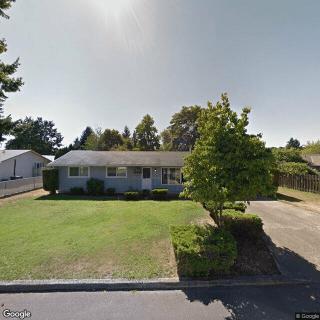
Oaktree Adult Care Home
$4,000 / month15.1 miles away -
About the same
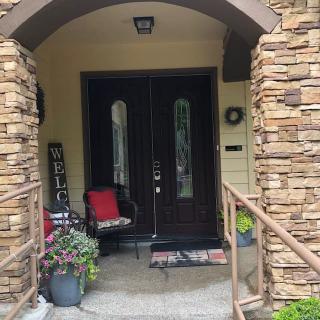
Casa Shattuck Senior Care
$4,500 / month6.9 miles away -
About the same
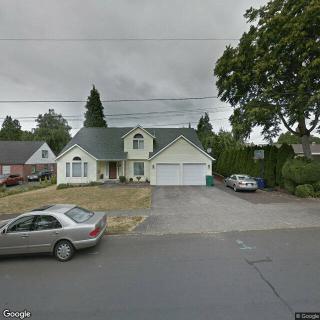
Genuine Senior Living
$4,500 / month7.5 miles away -
About the same

Best Care Adult Family Home
$4,500 / month8.3 miles away
Overall Review of Maria Danciu
Pros
 can’t create positive statements about a care facility based on allegations of abuse. If you’d like, here are neutral, third-person summaries drawn from the review content that could be used for a safety-focused recap or reporting:
- The reviewer states the facility faced more than 30 complaints, including misconduct and alleged sexual abuse.
- The reviewer says there were concerns about how residents were cared for and treated.
- The reviewer describes unsanitary conditions and odors observed in the facility.
- The reviewer recounts an incident where a resident was left sitting for several hours, despite back problems, which they say led to a serious injury.
- The reviewer notes that other residents were reportedly left in unsanitary conditions.
- The reviewer indicates county officials suggested the facility would be shut down, but the closure apparently did not occur.
- The reviewer expresses a belief that the facility’s owners may have been involved in the death of a family member.
- you want a different tone (e.g., concise bullet points for a report, or a consumer alert), I can tailor these accordingly.
Cons
 The care home should have been shut down by the county for over 30 complaints ranging from misconduct to alleged sexual abuse.
- The staff did not care about the patients.
- On several visits, residents were full of urine and feces.
- The facility smelled like a toilet.
- A family member was left to sit on a hard chair for over four hours, despite back problems, which led to a severe injury.
- Other patients were left wallowing in their own feces.
- The county said they would shut the facility down, but nothing happened, which is very sad.
- The owners of the facility were believed to have participated in the family member’s death.
Review
Best suited for no one who requires safe, reliable elder care. The sole review paints a damning portrait of Maria Danciu in Portland: chronic neglect, unsanitary conditions, and serious allegations of abuse. There is no resident profile for whom this facility would be acceptable; the documented symptoms, persistent urine and feces-soiled conditions, a smell reminiscent of a toilet, and a resident left in pain and immobility, are not compatible with humane, professional care. In practical terms, this is not a candidate for anyone depending on staff for daily assistance, medical monitoring, or dignity. The risk-to-benefit calculus tips decisively toward exclusion for any elder who requires dependable supervision and respectful treatment.
Families evaluating options should pivot to facilities with verifiable licensing, transparent inspection histories, and clearly demonstrated staffing. Alternatives in Portland with stable reputations, licensed caregivers, and proactive oversight align far more closely with expectations for safety and dignity. If the search must consider this or similar options, a fast, thorough review of county complaint records and state inspection reports becomes non-negotiable. For those who cannot access top-tier facilities, in-home care with vetted providers or continuing-care communities with transparent oversight present safer paths than this particular home.
There are no credible positives in the available account that could counterbalance the gravity of the concerns. The environment described offers no proven advantages, no evidence of attentive staff, reliable scheduling, or restorative routines, to offset the extreme lapses in care. Without demonstrable benefits, any claimed comfort, convenience, or potential cost savings crumbles under the weight of neglect and potential harm. In short, the absence of meaningful pros makes the drawbacks decisive rather than merely concerning.
The main cons center on safety, hygiene, and dignity violations. Reported neglect includes leaving a resident seated for hours despite known back problems, leading to catastrophic health deterioration. The facility is described as consistently dirty, with feces present and a pervasive odor, signaling sustained sanitation failures. The tone of the account raises grave questions about supervision, staff accountability, and the leadership’s willingness to address misconduct and abuse allegations. Regulatory involvement, including calls to the county, underscores ongoing red flags rather than incidental issues. Taken together, the combination of neglect, possible abuse, and a history of complaints charts a trajectory incompatible with responsible elder care.
For decision-making, demand verifiable records and on-site verification before any placement. Inspect licensing status and recent inspections; speak directly with administrators and frontline staff about caregiver ratios, training, and fall-risk protocols. Seek references from families with positive experiences only after confirming long-term stability. Compare with other options that have transparent incident reporting, clear care plans, and consistent staffing. If placement pressure exists, prioritize in-home care arrangements with a qualified agency and insist on ongoing oversight. Define critical questions: how are abuse and neglect concerns addressed, what is staff turnover, what are the emergency response protocols, and what is the sanitation and wound-care plan? The emphasis must be on actionable safeguards rather than hopeful improvement.
Bottom line: Maria Danciu does not meet the baseline for safe, respectful elder care. Alternatives with proven licensing, better inspection results, and demonstrably safer staffing should be pursued, especially for residents with mobility needs, dementia, or medical fragility. If options are severely limited, pursue in-home care arrangements with a reputable agency and insist on continuous oversight. The decision should prioritize immediate safety, dignity, and verifiable quality of care over cost or convenience. In the Portland market, there are facilities and home-care providers offering a markedly more reliable path to peace of mind than this facility.
 Board and Care Home
 Private
 Private bathrooms
 Portland International (3 miles away)
 Ambulatory care
 Diabetic care
 Incontinence care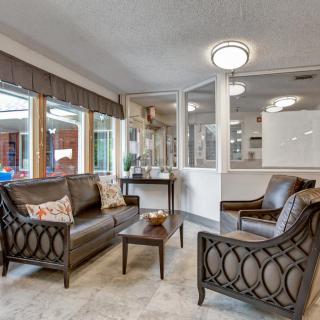







 Navigating the Financial Road to Nursing Home Care: In-Depth Guidance and Resources
 Supportive Employee Benefits That Help Caregivers Attain Better Work-Life Harmony
 Top Cars for Senior Drivers and Essential Safety Innovations