
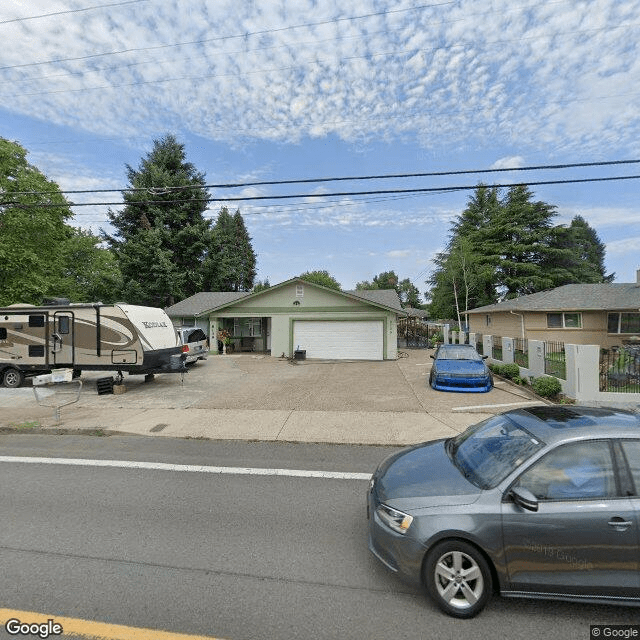
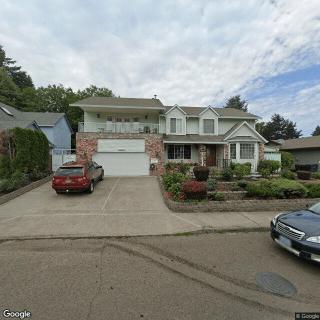
8109 SE Clackamas Rd, Milwaukie, OR 97267
To contact a resident: (503) 723-9430
For more information about senior living options: (866) 208-4318
Loving Care Home Costs & Pricing
At Loving Care Home, the monthly cost for a private room is $2,000, significantly lower than both the county and state averages. In Clackamas County, the average cost for a similar accommodation is approximately $3,373, while the statewide average in Oregon stands at around $3,424. This competitive pricing reflects Loving Care Home's commitment to providing quality care and comfortable living environments at an accessible rate. With such favorable costs compared to regional benchmarks, Loving Care Home presents an attractive option for those seeking affordable yet compassionate care in a supportive community.
| Floor plans | Loving Care Home | Clackamas County | Oregon |
|---|---|---|---|
| Private | $2,000 | $3,373 | $3,424 |
Senior living communities with a similar price nearby
-
from +$200 / mo
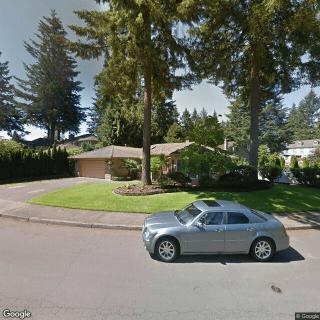
The Peace and Joy Garden
$2,200 / month16.3 miles away -
About the same

Alliance Home Health
$2,000 / month3.2 miles away -
from -$200 / mo

Love and Care ACH II
$1,800 / month3.4 miles away -
from +$219 / mo

Aegis Senior Case Management
$2,219 / month9.0 miles away -
from -$350 / mo
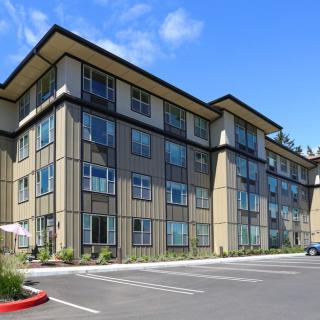
The Lofts by Cogir
$1,650 to $2,440 / month17.2 miles away
Overall Review of Loving Care Home
Pros
 The staff are wonderful and provide loving, excellent care.
- The home is immaculate and offers a reassuring atmosphere for residents.
- The team keeps the resident experience positive and guides families.
- The facility is nice and clean, with great care and clear communication.
- The staff are consistently friendly and provide very good care.
- The home is full of love and kindness with unsurpassed attention to residents and their environment.
- The owner is hands-on with the business, and the team is highly recommended.
Cons
 They are super disrespectful to the neighbors.
- They are constantly speed racing up Lake Road on motorcycles and cars.
- The reviewer can’t imagine what it would be like to live in this care facility.
Review
Loving Care Home in Milwaukie is best suited for families seeking a small, intimate, home-style setting where care is fiercely personal and management is visibly involved. The community excels for seniors who prize a warm, non-institutional atmosphere, with steady hands-on oversight from the owner and a staff that feels more like an extended family than a roster of caregivers. It fits residents who benefit from hospice-friendly capabilities, clear and frequent family communication, and daily routines that emphasize safety, dignity, and a sense of belonging. Prospective residents who value enrichment on a human scale, weekly crafts, live music, and home-cooked meals, will find those touches woven into the daily rhythm, not tacked on as add-ons.
Those needing a larger campus or demanding round-the-clock medical staffing with formalized memory-care programming should consider alternatives. The setting is a private home rather than a sprawling campus, so access to higher levels of clinical acuity and specialized programs is naturally more limited. Additionally, despite overwhelmingly positive experiences, one reviewer highlighted neighborhood noise related to street traffic; for residents who are highly sensitive to sound or who require an especially quiet environment, this is a factor to verify during a visit and perhaps plan around.
The core strengths of this community lie in care quality and the human touch. The home is described as immaculate, and the staff consistently comes across as warm, capable, and experienced. Families report reliable, proactive communication and a sense that the team genuinely knows each resident’s care plan and preferences. The owner’s hands-on involvement translates into steady staffing and responsive problem-solving, giving families confidence that needs will be addressed promptly. The blend of hospice-ready capability with a daily life program, meaningful activities, regular meals, and a predictable rhythm, helps residents live with comfort and purpose, even as needs evolve.
In practice, residents benefit from an environment that feels less like a facility and more like a family home. The care team’s attentiveness extends beyond routine tasks to the little details that matter: cleanliness, familiar routines, and moments of joy that reinforce a sense of safety and identity. The weekly schedule of crafts and music, together with thoughtfully prepared meals, supports social engagement and cognitive stimulation. The owner’s direct involvement signals accountability and continuity, attributes that families often prioritize when entrusting someone with a loved one’s daily life. The documented hospice experience adds another layer of reassurance for families navigating end-of-life or comfort-focused decisions.
When evaluating the option, a practical tour checklist matters. Observe how staff interact with residents, note the consistency of caregivers across shifts, and assess how easy it is to reach the team with questions or concerns. Confirm the cadence of updates from the staff to families and inquire about decision support during transitions or changes in care needs. If possible, request a trial stay to gauge fit with routines and the degree of independence the resident maintains. Discuss memory-care or higher-acuity needs frankly, and ask what supports exist if those needs intensify. This community shines when the priority is a home-like atmosphere backed by dependable communication and compassionate, skilled hands.
Bottom line: Loving Care Home offers a compelling option for families prioritizing warmth, cleanliness, stable staffing, and a deeply personal partnership in a compact, home-like setting. It excels for residents who thrive on individualized attention, meaningful daily activities, and hospice-capable comfort delivered with a genuine sense of family. The main caveat is neighborhood noise, a factor that can be mitigated by timing visits and arranging quiet periods, but it remains a real-world consideration for some. For families weighing options, this community stands out as a practical, seasoned choice with proven heart and results, best suited where the emphasis is on intimate care and strong interpersonal connections rather than large-scale programming or extensive medical infrastructure.
 Board and Care Home
 Cats allowed
 Dogs allowed
 Private
 Portland International (12 miles away)




 Seniors and Modern Transportation: Exploring Uber, Lyft, and Other Ride-Hailing Options
 Comprehensive Guide to Qualifying for Home Health Care Services
 Powerful Realities of Elder Abuse and the Most Effective Ways to Report It