
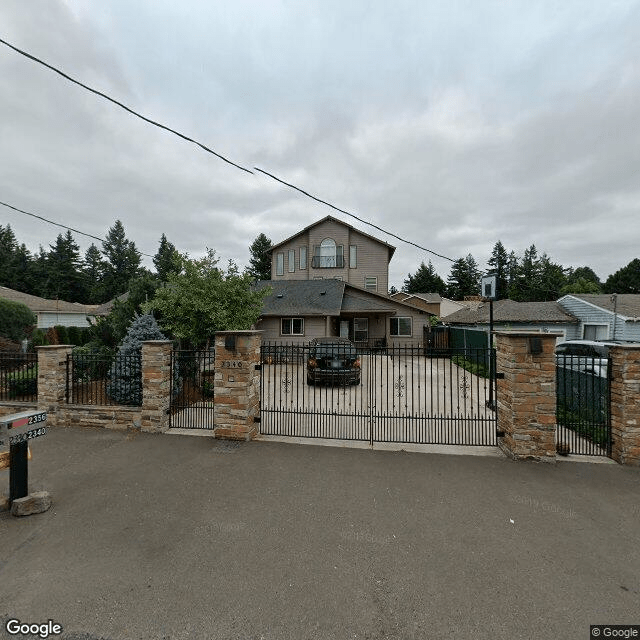
2340 SE 137th Ave, Portland, OR 97233
To contact a resident: (503) 762-3986
For more information about senior living options: (866) 208-4318
Loving Care Adult Care Home Costs & Pricing
Loving Care Adult Care Home offers a private room for $5,000 per month, which positions it above the average costs found in Multnomah County and the broader state of Oregon. In comparison, the average monthly cost for a private room in Multnomah County is approximately $3,227, while across Oregon, it averages around $3,424. This indicates that Loving Care Adult Care Home may provide additional amenities or specialized services that justify its higher price point. For families seeking personalized care and a supportive environment for their loved ones, this facility could represent a worthwhile investment despite its premium over regional norms.
| Floor plans | Loving Care Adult Care Home | Multnomah County | Oregon |
|---|---|---|---|
| Private | $5,000 | $3,227 | $3,424 |
Senior living communities with a similar price nearby
-
from -$500 / mo
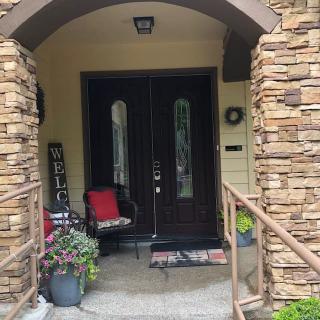
Casa Shattuck Senior Care
$4,500 / month10.1 miles away -
from +$500 / mo
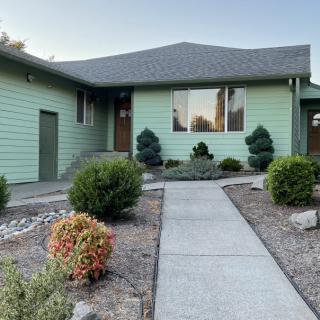
Evergreen Quality Home
$5,500 / month15.0 miles away -
from -$500 / mo
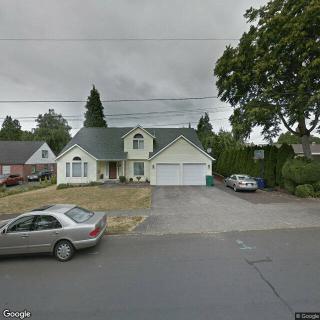
Genuine Senior Living
$4,500 / month6.8 miles away -
from -$500 / mo
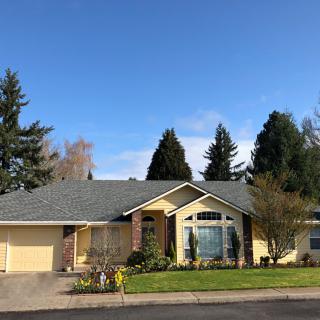
Best Care Adult Family Home
$4,500 / month13.4 miles away -
from -$200 / mo
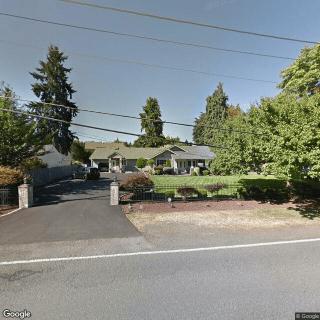
Park Ridge ACH
$4,800 / month13.1 miles away
Overall Review of Loving Care Adult Care Home
Pros
 Audrey and her staff went above and beyond in their care for her, always showing her respect and dignity.
- The facility was always in excellent shape, and the caregivers always made visitors feel welcome.
- The staff were caring and compassionate and went out of their way to do special things for her.
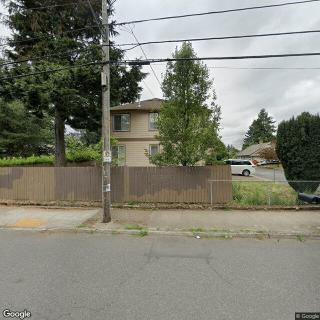
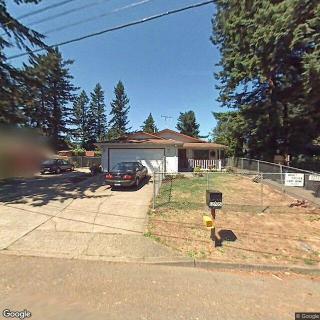
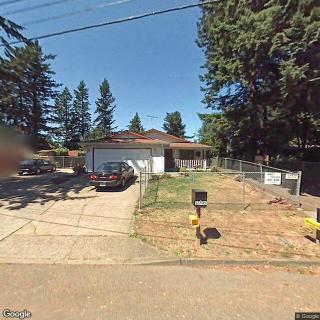
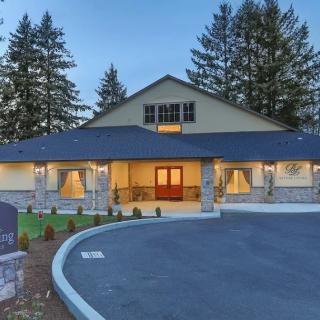
- The care home is beautiful and well renovated, with a redesigned backyard, a lovely outdoor seating area, and flowers with vegetable planters.
- The caregivers and the owners are kind and welcoming, making Forest Hills Adult Care a great place for care.
Review
Loving Care Adult Care Home in Portland is best suited for families pursuing an intimate, high-touch living arrangement for a loved one who requires steady daily support and a respectful, home-like atmosphere. The setting excels when the resident’s needs are significant andconsistent attention is valued over institutional polish. In these circumstances, the owners, Audrey and her family, are visibly present, and the caregiving team operates with a sense of pride and continuity that translates into dependable daily care. The home-like environment, maintained cleanliness, and a recently refreshed interior combine with tasteful outdoor spaces, making visits reassuring and straightforward.
Those who may want to consider alternatives include families seeking a larger community with broader programming or more formal medical oversight. If a resident demands robust on-site nursing, 24/7 medical staffing, or highly structured activity calendars, a bigger assisted living campus or a facility with a dedicated memory-care wing may be a better fit. Similarly, households prioritizing a wide array of social outings, occupational therapy, or campus-wide amenities might find that a smaller home setting naturally curtails the breadth of programming. In short, when scale and formal clinical services are non-negotiable, other options deserve evaluation.
The strongest pros are the personal touch and the consistency of care. Staff are described as caring, compassionate, and genuinely welcoming, with a level of attentiveness that goes beyond routine duties. The owners’ active involvement reinforces trust and responsiveness, ensuring care plans feel tailored rather than generic. Cleanliness and upkeep are repeatedly noted, reinforcing a sense of safety and dignity. The home has been updated to feel fresh and comfortable, and the backyard renovation adds an inviting outdoor space with flowers and vegetables that supports relaxed visits and meaningful interaction with residents. This combination, gentle companionship, respect, and a homey setting, often translates into meaningful end-of-life comfort and easier daily living.
Those same strengths offset the most plausible drawbacks of a small, family-run care home. The very intimacy that creates trust and continuity can limit the breadth of programming and the pace of formal clinical support; however, the level of personal attention and the ability to customize routines typically compensates for that gap. Families are reassured by the visible involvement of Audrey and her team, which tends to yield rapid responsiveness to changing needs and preferences. In end-of-life scenarios, the capacity to honor individual rituals, adapt to bedside requests, and coordinate with visiting family members often surpasses what larger facilities can deliver. The result is a care experience that feels deeply respectful and emotionally sustaining, even if it means trading some on-site specialists for a devoted, hands-on care dynamic.
For families touring or planning next steps, several practical steps help translate these strengths into a solid decision. Inquire about licensing and staff-to-resident ratios, confirm how care plans are developed and updated, and ask how medication administration and changes are handled. Evaluate how visiting hours are structured and how flexible family involvement remains in day-to-day routines. Meet the caregiving team in person, observe the pace of daily activities, and assess whether the atmosphere supports meaningful interaction with the resident and with other families. Don’t overlook the outdoor spaces and interior layout as part of the comfort equation, and confirm that the home supports quiet, dignified end-of-life moments in a familiar setting.
Ultimately, Loving Care Adult Care Home stands out for families prioritizing a warm, respectful, and highly personal care experience in a Portland-located, home-like setting. It is a compelling choice for residents who benefit from consistent companionship, a strong family-led governance presence, and a recently refreshed, comfortable environment that welcomes visitors. If the priority is a larger campus, deeper formal medical oversight, or expansive programming, those needs point toward exploring alternatives. For truly intimate, dignified care that honors individuality and family involvement, this community offers a practical, seasoned option with proven strengths that often align with what matters most in caregiving.
 Board and Care Home
 Activities off-site
 Indoor common areas
 Outdoor common areas
 Private
 Private bathrooms
 Wheelchair accessible showers
 Portland International (7 miles away)
 Ambulatory care
 Diabetic care
 Incontinence care
 Medication management
 Meals provided

 Comprehensive Insights into Palliative Home Care: What It Is and What to Expect
 Skilled Nursing Facilities vs. Nursing Homes: Making Sense of the Differences
 A Detailed Examination of Nursing Home Costs Across the U.S.