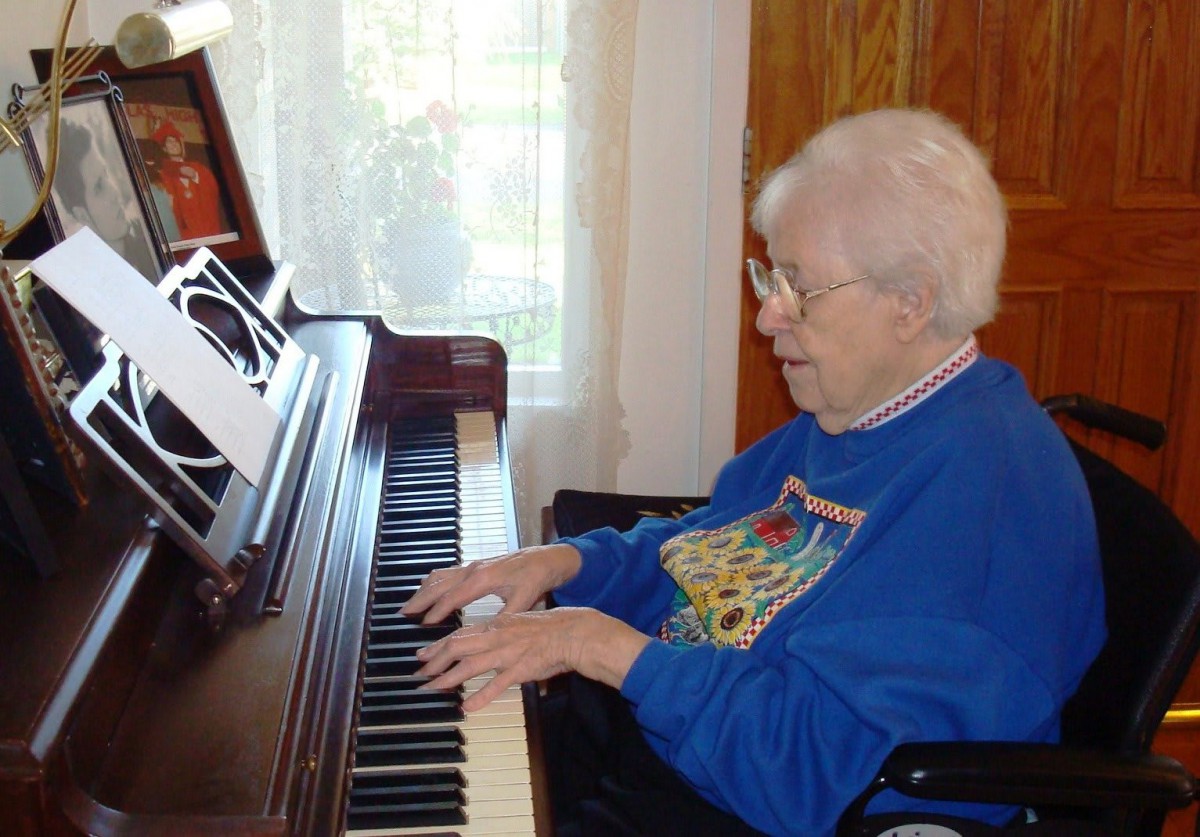
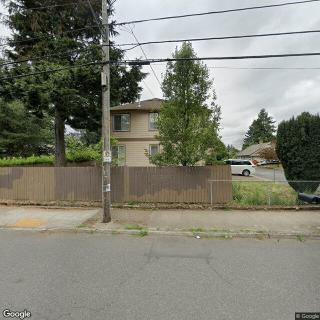
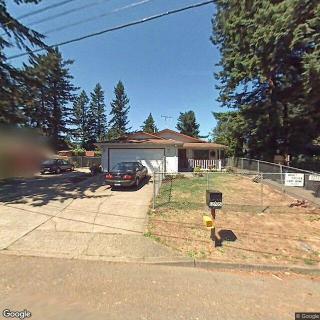
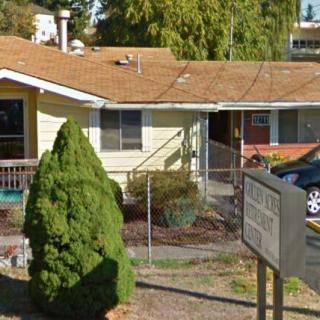
2355 SE 137th Ave, Portland, OR 97233
To contact a resident: (503) 762-1992
For more information about senior living options: (866) 208-4318
Lia's Elder Care Home Costs & Pricing
Lia's Elder Care Home offers private rooms at a monthly cost of $4,000, which positions it above the average rates for both Multnomah County and the broader state of Oregon. In Multnomah County, the average cost for a similar private room is approximately $3,227, while across Oregon, it stands at about $3,424. This pricing reflects Lia's commitment to providing personalized care and an enriched living environment tailored to the needs of its residents. While these costs may be higher than local and state averages, they can often be justified by the quality of service and amenities provided within the home.
| Floor plans | Lia's Elder Care Home | Multnomah County | Oregon |
|---|---|---|---|
| Private | $4,000 | $3,227 | $3,424 |
Senior living communities with a similar price nearby
-
from -$200 / mo

The Inn at University Village
$3,800 to $7,500 / month15.8 miles away -
About the same
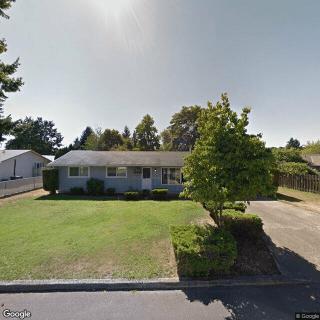
Oaktree Adult Care Home
$4,000 / month12.9 miles away -
from +$500 / mo
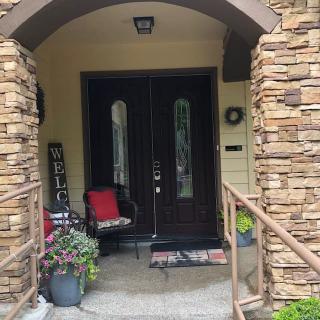
Casa Shattuck Senior Care
$4,500 / month10.1 miles away -
from -$500 / mo
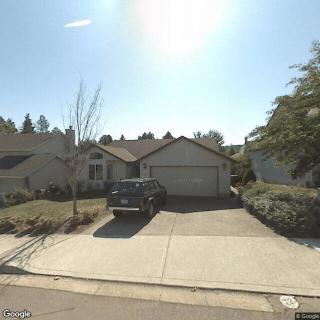
Fulga's ACH
$3,500 / month16.0 miles away -
from -$500 / mo

Family and Company NW
$3,500 to $3,800 / month20.0 miles away
Overall Review of Lia's Elder Care Home
Pros
 Lia provides compassionate, loving care, having nursed a relative from hospice to five full years of life.
 - Lia is calm, soft-spoken, and an incredible worker who treats residents like family.
- Lia is amazing and awesome and offers the very best of care.
- Lia is a walking angel who cares for residents as if they were her own family.
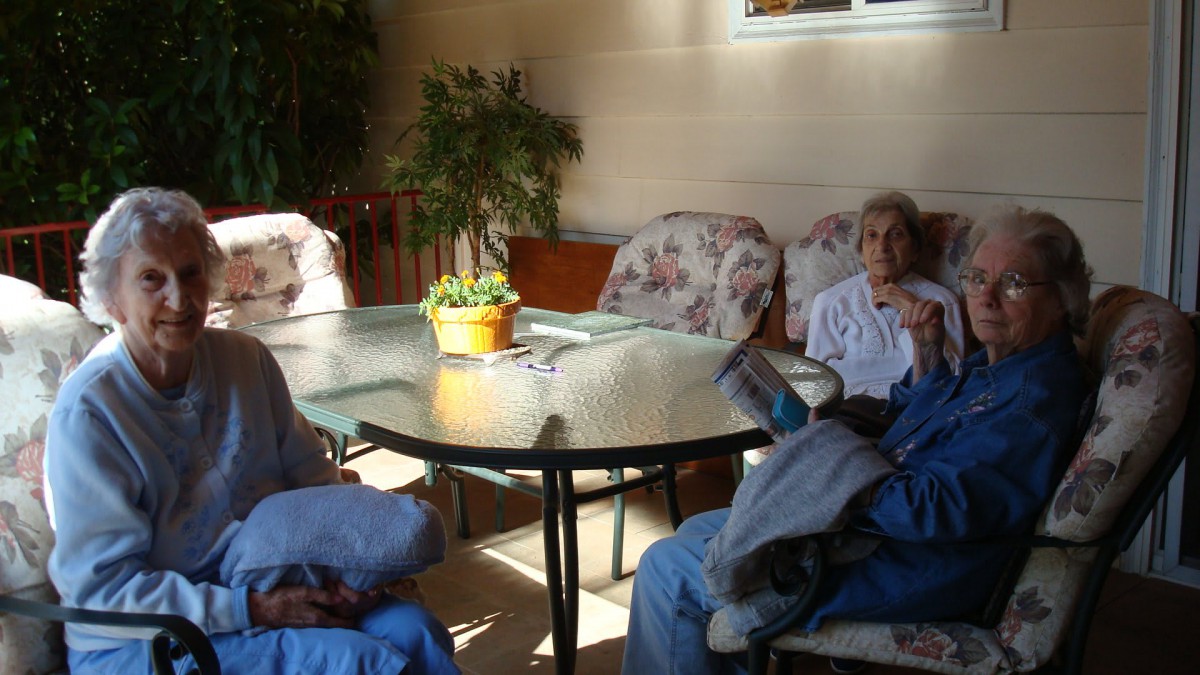
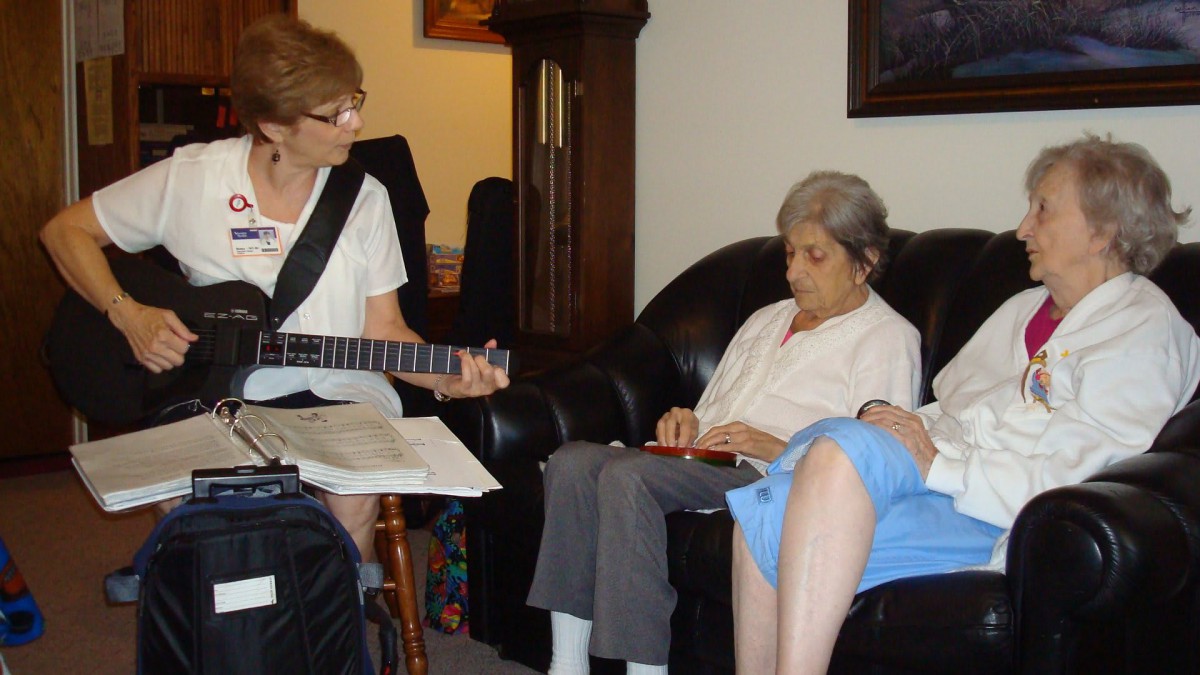
- Lia creates a wonderful, family-like atmosphere with engaging activities and outings for residents.
- Lia keeps residents looking nice, caring for their hair and giving manicures.
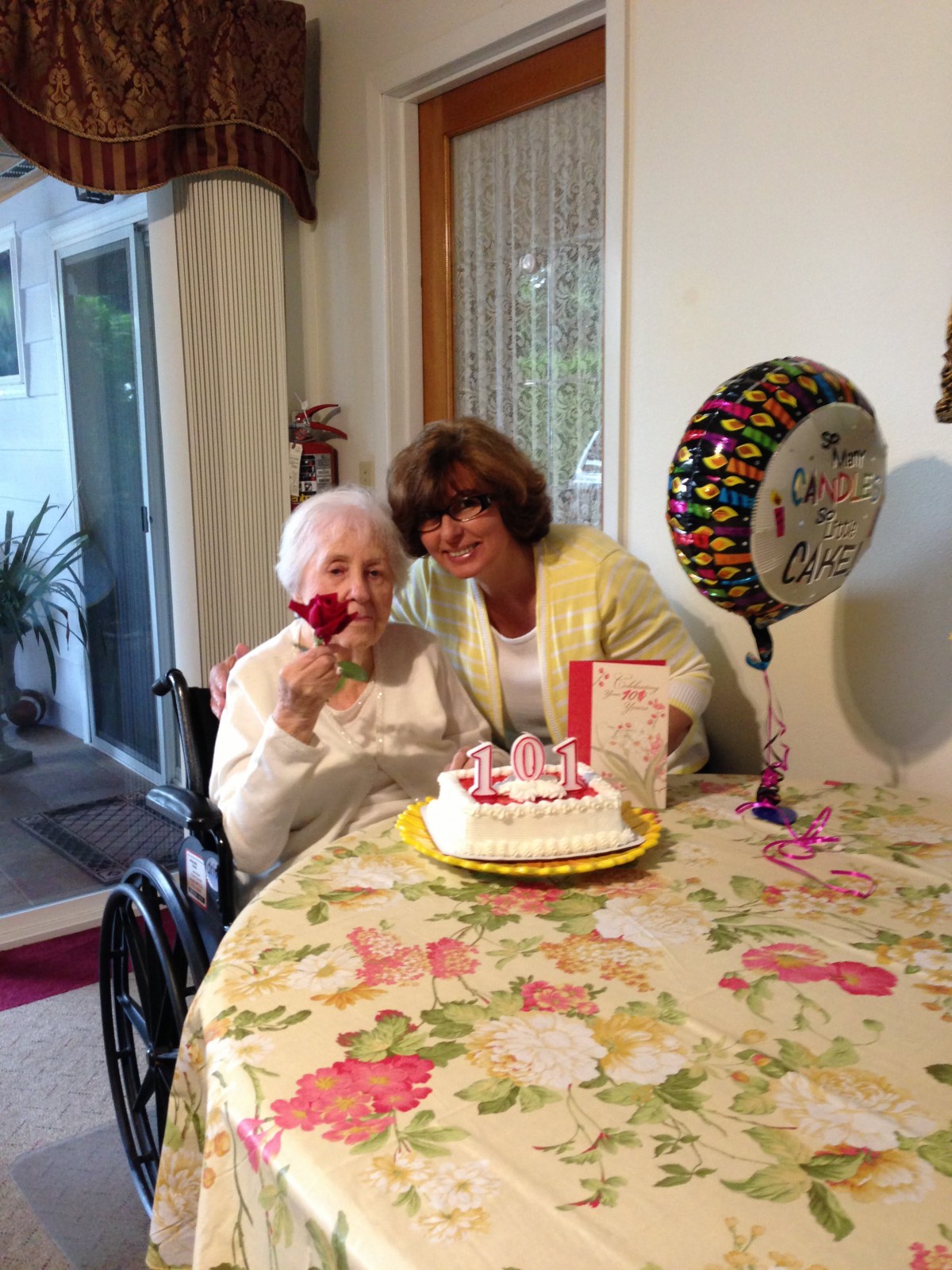
- Lia decorates the home for seasons and holidays and celebrates residents' birthdays to make them feel special.
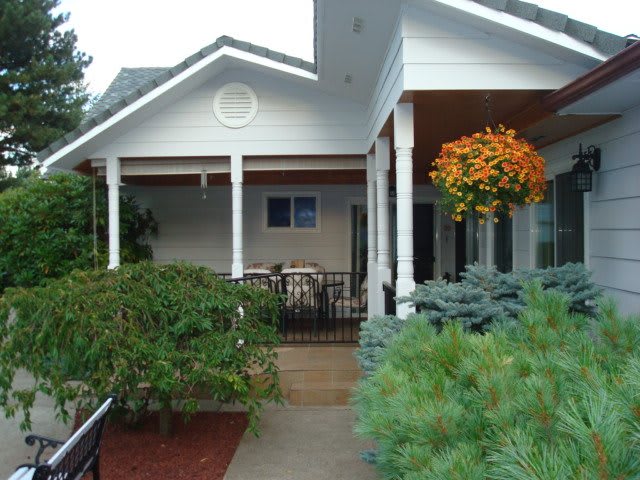
- Lia’s home is clean and inviting, with happy and healthy residents.
- The reviewer wholeheartedly recommends Lia’s Elder Care Home for a warm and loving environment.
Review
Lia’s Elder Care Home in Portland, Oregon is best suited for families seeking an intensely personal, warm, home-like setting where seniors are treated like family and daily life centers on compassion, routine, and relaxed social interaction. This community shines for residents who thrive on a calm, intimate environment, where the caregiver’s presence is constant and relationships run deep. The reviews describe Lia as calm, patient, and remarkably attentive, with care extending beyond basic daily tasks to include grooming, celebration of birthdays, seasonal decorating, and meaningful activities. In short, it’s ideal for someone who values dignity, consistency, and a welcoming, almost familial atmosphere over the bustle of a larger facility.
Those who may want to consider alternatives include families facing higher medical needs or seeking a larger, more formalized care setting. If a senior requires intensive on-site nursing, complex wound care, frequent medical monitoring, or a broader slate of therapists and specialized programming, a bigger assisted living or memory-care community could be a better fit. The intimate home environment, while a major strength, also naturally carries a cap on how many residents can be supported with advanced clinical services, equipment, or staff with varied expertise under one roof.
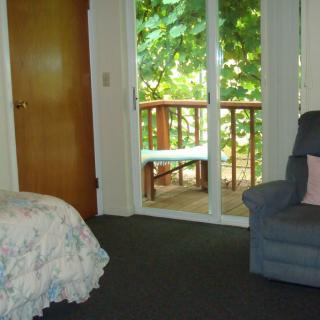
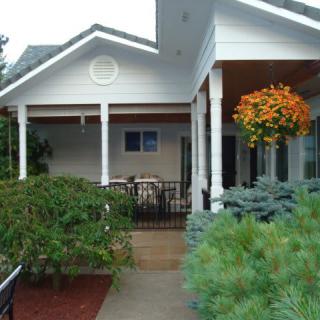
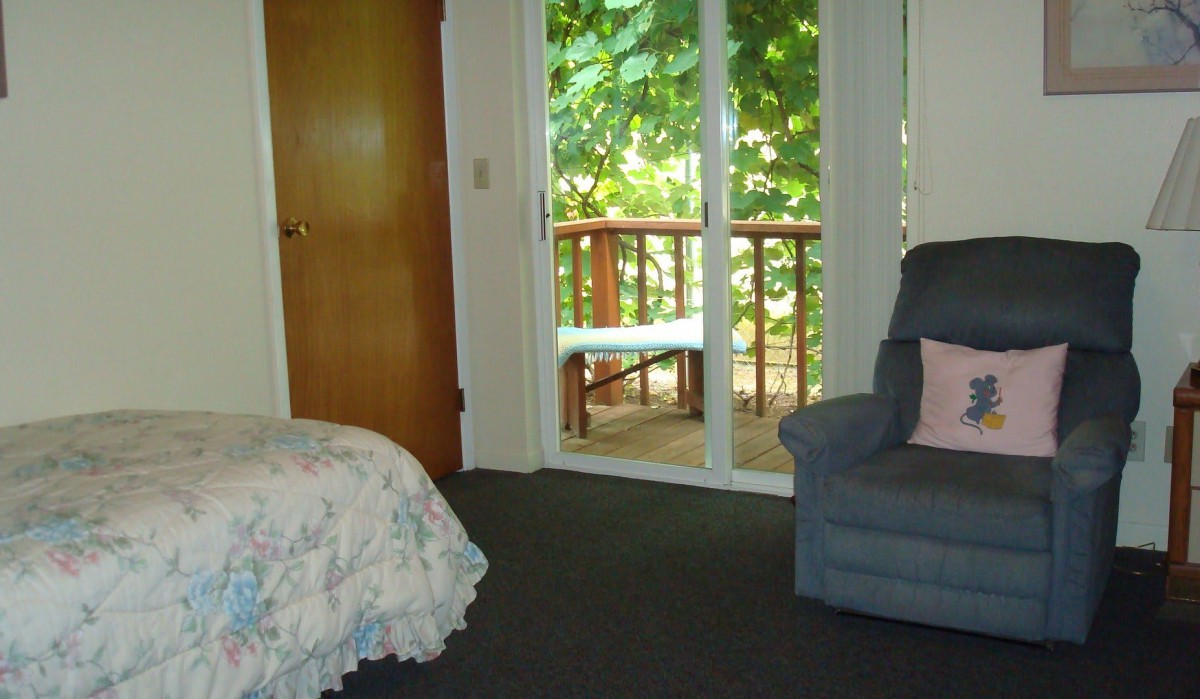
The strongest pros, personalized attention, genuine compassion, and a family-centric vibe, are not merely nice-to-haves; they actively offset the limitations of a small home. Residents are supported from morning to night with purposeful routines, from rising for breakfast to daily social time and walking activities, which provides meaningful structure and reduces uncertainty. The care philosophy appears deeply anchored in treating residents as individuals: hair care, manicures, birthday celebrations, and seasonal decor all reinforce a sense of identity, respect, and belonging. Cleanliness and a lived-in, inviting atmosphere further reinforce comfort and well-being, making the home feel safe and well cared-for on every visit.
Yet the model comes with trade-offs. The most evident con is the scale: a single-family-style home cannot match the breadth of services or the on-demand medical resources found in larger facilities. While the reviews consistently paint a picture of happiness and health, potential residents with acute or evolving medical needs may encounter limits in available on-site healthcare staff, specialized therapies, or rapid escalations of care. Privacy in a smaller setting often translates into a closely watched routine; for some, that closeness is a benefit, but others may prefer the more formal privacy and individualized care plans typically seen in larger communities.
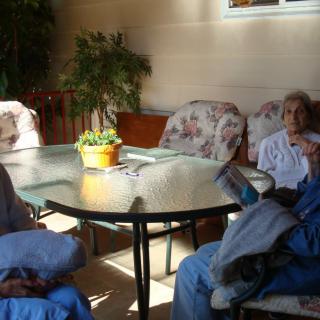
These dynamics, exceptional warmth and individualized attention paired with a small-scale operation, work in tandem to create a compelling value proposition for families prioritizing quality of life and a home atmosphere. The everyday rituals, affectionate caregiver-resident interactions, and celebratory touches reduce stress and foster stability, which is especially valuable for elders who value consistency and companionship. When a senior’s days are anchored by predictable activities, shared meals, and opportunities for social engagement without the impersonality of a large dormitory-style setting, the psychological benefits can be substantial. In this sense, Lia’s converts compassionate caregiving into tangible daily quality.
The practical takeaway is clear. Lia’s Elder Care Home is a strong, highly suitable option for seniors who prioritize intimate, attentive care, a welcoming, family-like environment, and routine-driven days. It is less appropriate for those who require robust, round-the-clock medical oversight, a wide array of on-site specialists, or expansive programming that a larger facility typically provides. Prospective families should plan a detailed visit, observe how staff interact with residents, inquire about the care plans for specific needs, and understand how medications, mobility support, and emergency scenarios are handled. If the goal is dignity, personal connection, and a genuine sense of belonging, Lia’s Elder Care Home in Portland stands out as a thoughtful, dependable choice.
 Board and Care Home
 Activities on-site
 Beautician on-site
 Devotional services on-site
 Indoor common areas
 Outdoor common areas
 Private
 Private bathrooms
 Respite or short term stays offered
 Wheelchair accessible showers
 Portland International (7 miles away)
 Ambulatory care
 Diabetic care
 High acuity care
 Incontinence care
 Medication management
 Kosher
 Christian services



 Weight Training for Seniors: Building Strength and Vitality
 Understanding the Sandwich Generation: Stress and Responsibilities for Multigenerational Caregivers
 8 Essential Assistive Devices for Older Adults