
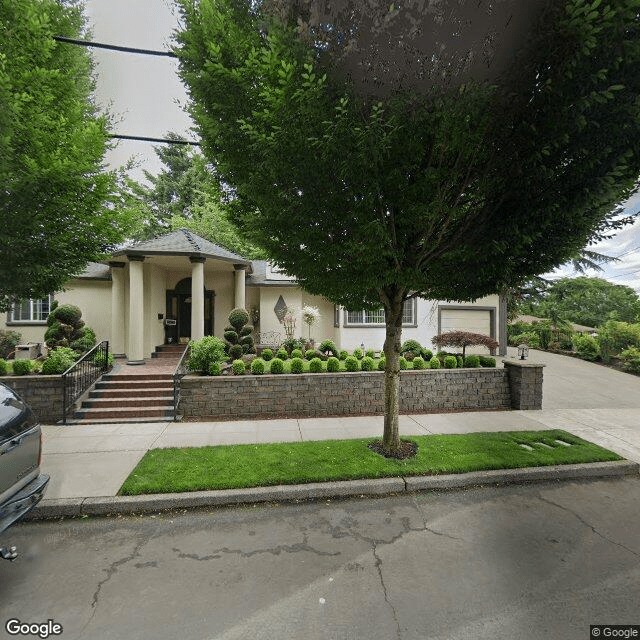
4408 SE Knapp St., Portland, OR 97206
To contact a resident: (503) 772-0218
For more information about senior living options: (866) 208-4318
Knapp Home Costs & Pricing
At Knapp Home, the monthly cost for a private room is $5,500, which significantly exceeds both the average rates in Multnomah County at $3,227 and the broader Oregon state average of $3,424. This discrepancy suggests that Knapp Home may offer specialized services or amenities that justify the higher price point. Residents and their families should consider this premium in light of the potential benefits and quality of care provided by Knapp Home compared to other options within the county and state. While it may represent a larger financial commitment, many find that such investments can lead to enhanced comfort and personalized care tailored to individual needs.
| Floor plans | Knapp Home | Multnomah County | Oregon |
|---|---|---|---|
| Private | $5,500 | $3,227 | $3,424 |
Senior living communities with a similar price nearby
-
from +$500 / mo
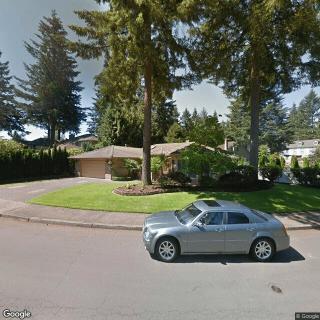
Magnolia Gardens Senior Care Home
$6,000 / month12.9 miles away -
from -$1000 / mo
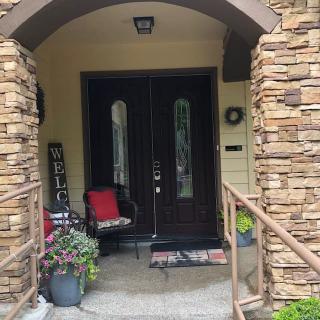
Casa Shattuck Senior Care
$4,500 / month5.6 miles away -
About the same
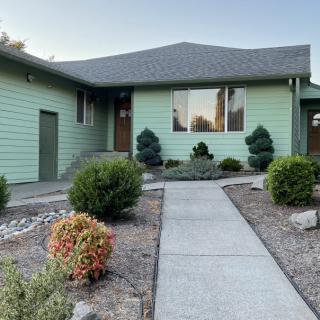
Evergreen Quality Home
$5,500 / month15.8 miles away -
from -$1000 / mo
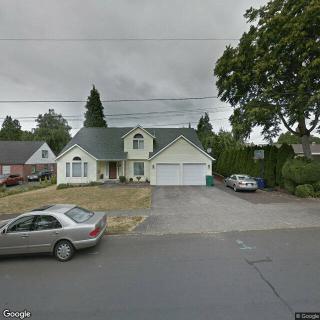
Genuine Senior Living
$4,500 / month2.0 miles away -
from -$1000 / mo
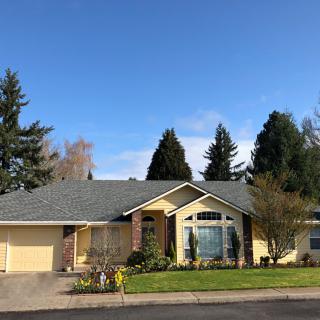
Best Care Adult Family Home
$4,500 / month13.6 miles away
Overall Review of Knapp Home
Pros
 Knapp Home earns five stars for overall quality, especially for cleanliness.
- The house is beautiful and always spotless.
- The reviewer knew immediately this community was perfect.
- The staff have answered all questions and concerns and explained how everything works.
Cons
 The activities are a bit hard for them to measure because their loved one is 97 and immobile.
Review
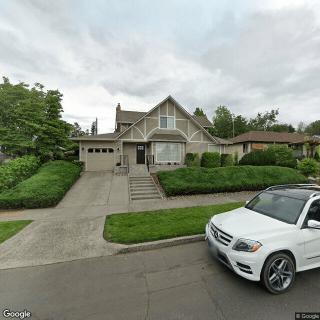
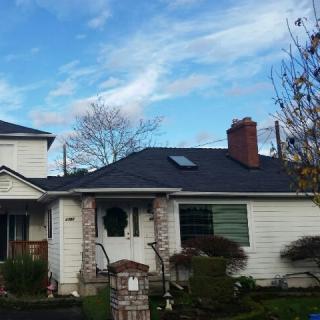
Knapp Home in Portland, OR is best suited for families seeking a calm, home-like environment where an elderly relative can receive steady, dependable assistance with a premium placed on cleanliness, predictability, and clear communication. The setting reads as a beautiful, spotless residence, with staff members who take time to answer questions and spell out how everything works. This is not a flashy, activity-driven campus; it is a tightly run, reassuring space designed for residents who prioritize safety, dignity, and straightforward care over elaborate programming. For a frail senior who needs reliable help with daily tasks and supervision, Knapp Home delivers the kind of grounded, low-stress atmosphere that puts families at ease.
That said, there are clear reasons to consider alternatives. The lone review notes that activities are hard to gauge for a 97-year-old who is immobile, suggesting that programming isn’t the central draw here. Families seeking a vibrant social calendar, frequent outings, or specialized therapies might find other communities that foreground engagement and mobility support. Similarly, if a resident requires more intensive medical oversight or memory-care features, it’s prudent to compare Knapp Home with options that offer broader clinical services or dementia-focused programming. The decision should weigh the value of a pristine environment and steady staffing against the desire for richer activity and cognitive-stimulation opportunities.
The strongest pros, the pristine condition of the house, its beauty, and the staff’s responsiveness, do significant work in offsetting the main drawback of limited visible programming. A spotless, well-kept environment reduces infection risk and creates a sense of order that matters deeply to families managing ongoing care. When questions are answered promptly and explanations are thorough, families feel informed and in control, which lowers anxiety around transitions and daily routines. In a setting where routines matter as much as amenities, these factors translate into reliable peace of mind and fewer firefighting moments for caregivers at home.
In practice, the day-to-day trade-off becomes a matter of priorities. For residents who value a calm, predictable schedule, clear boundaries, and a home-like ambiance, Knapp Home’s environment minimizes stress and supports comfortable aging in place. The potential downside, the limited, clearly visible activity footprint, likely won’t derail a well-planned plan for an immobile elder who needs help with basics and regular supervision. The reviewer’s experience implies that care quality and communication are the real strengths, while social programming remains secondary. That balance makes Knapp Home a compelling option for families whose top criteria are cleanliness, safety, and straightforward care management.
For families moving forward, the path to clarity is practical and concrete. Seek a detailed tour and ask to see a sample daily schedule tailored to an immobile resident. Probe how mobility assistance is delivered, how care plans are created, and how emergencies are handled in real time. Clarify what “activities” look like for someone with limited movement, are there chair-based therapies, reminiscence activities, or staff-facilitated engagement that aligns with low-activity needs? Request a transparent breakdown of what is included in the base fee and what could incur additional charges. By obtaining concrete answers, Knapp Home can be credibly weighed against options that offer more social programming or heavier clinical support.
In sum, Knapp Home stands out for families prioritizing a pristine, orderly environment with dependable staffing and clear, honest care planning. It is a strong fit for elders who value a dignified, home-like setting over a bustling activity calendar, particularly when immobility frames the care needs. Those seeking extensive social programming, robust daily activities, or advanced nursing capabilities should widen the field to include communities with broader engagement options and more comprehensive medical oversight. The next steps are decisive: arrange a visit, review a real-world care plan sample, and speak directly with front-line staff about daily routines, accessibility, and how emergencies are managed. With careful diligence, Knapp Home can emerge as the confident choice for the right resident.
 Board and Care Home
 Activities on-site
 Beautician on-site
 Indoor common areas
 Outdoor common areas
 Private
 Private bathrooms
 Respite or short term stays offered
 Wheelchair accessible showers
 Portland International (8 miles away)
 Diabetic care
 High acuity care
 Incontinence care
 Medication management
 Kosher

 Understanding the Full Cost of 24/7 In-Home Care: A Detailed Overview
 Exploring the World of Home Health Nurses: Qualifications, Roles, and Hiring Tips
 Navigating Medicare Coverage for In-Home Care Services