
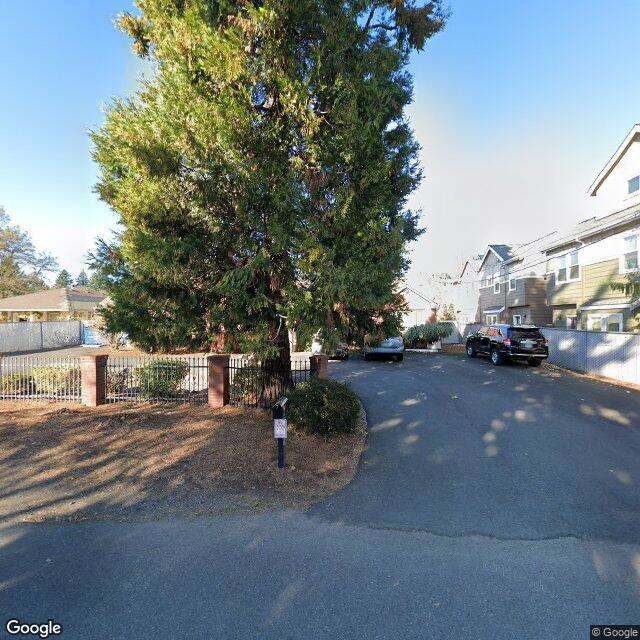
12045 SE Pardee, Portland, OR 97266
To contact a resident: (503) 761-6939
For more information about senior living options: (866) 208-4318
Hope N Care RCF Costs & Pricing
Hope N Care RCF offers a competitive monthly rate for studio accommodations at $2,600, significantly lower than the average costs in Multnomah County, which stands at $3,455, and even more so compared to the broader state average of $3,815 in Oregon. This pricing advantage not only reflects Hope N Care's commitment to providing quality care at an accessible price point but also positions it as an appealing option for individuals seeking affordable residential care without compromising on support or amenities. Such rates can be particularly beneficial for families looking for sustainable long-term care solutions within their budgets.
| Floor plans | Hope N Care RCF | Multnomah County | Oregon |
|---|---|---|---|
| Studio | $2,600 | $3,455 | $3,815 |
Assisted Living communities with a similar price nearby
-
About the same

Highgate Senior Living
$2,595 to $3,095 / month15.4 miles away -
from +$170 / mo
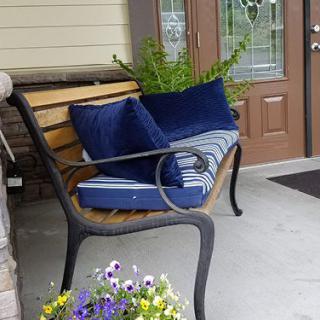
Clackamas View Senior Living
$2,770 to $3,768 / month5.9 miles away -
About the same
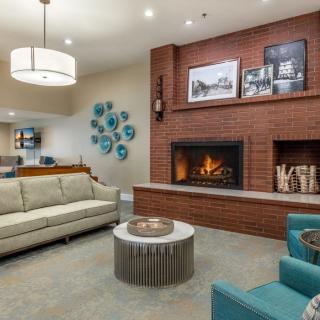
Van Mall
$2,620 to $4,420 / month12.1 miles away -
from +$240 / mo
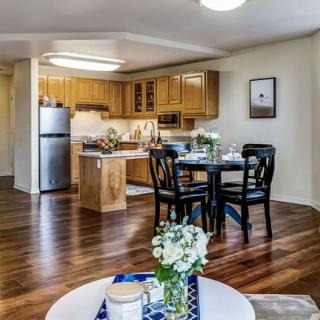
Miramont Pointe
$2,840 to $5,455 / month4.0 miles away -
from +$175 / mo
Avamere at Sandy
$2,775 to $3,995 / month15.4 miles away
Overall Review of Hope N Care RCF
Pros
 The community is described as wonderful and unique, with evident dedication from ownership and management to residents.
- The staff are great and consistently accommodate residents' needs, offering diverse activities and a weekly exercise/entertainment option.
- The care is nothing but the best, with ample caregivers and a truly caring approach to residents, including those who are less responsive.
- A real family atmosphere exists among the caregivers, with many of them being related.
- The facility is commended for clear policies and procedures, an electronic system, and serious attention to doctors' orders.
- The care is described as loving and attentive, producing smiles, love, and hugs for residents.
Cons
 They found the facility horrible and would not recommend taking their elderly there.
- There are language barriers.
- There is a lot of food the resident won't eat.
- There is a lack of exercise classes and other activities.
- Most residents tend to stay indoors and don't leave the building, indicating limited social opportunities.
Review
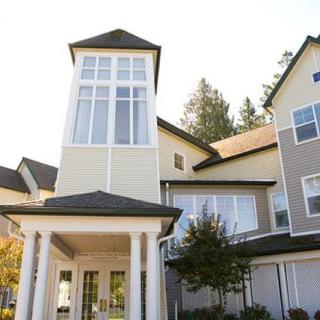
Hope N Care RCF in Portland is best suited for families seeking a smaller, hands-on, caregiver-driven environment where residents require substantial assistance and appreciate a family-like atmosphere. The community operates with a notably high staffing level, described by observers as more than adequate, ensuring that care needs are addressed promptly. The setting is intimate, two buildings with around fourteen residents in the smaller one, allowing staff to know each resident’s routines, preferences, and medical orders intimately. Ownership and management are perceived as genuinely invested, translating into consistent routines, clear policies, and a culture of warmth. It is a place where the personal touch matters as much as the medical care.
Those who want a more dynamic social calendar or more outdoor activity may want to consider alternatives. Several reviews highlight language barriers and limited variety in meals, which can frustrate residents who value easy communication and diverse dining options. A stark warning comes from a reviewer who labels the facility “horrible” and advises against placement for anyone requiring particularly high-level care or who will be unhappy with the indoor, quiet routine. For a resident who thrives on expansive social programming, frequent excursions, or broader dietary choices, Hope N Care may feel restrictive.
The strongest pro is the staffing density and the hands-on care that follows. A robust, attentive crew translates into reliable help with daily tasks, quick response to needs, and a palpable sense of safety for families. The staff culture is described as affectionate and familial, with many caregivers forming close bonds with residents. This level of dedication helps offset the downsides of a smaller social footprint: even without flashy activities, residents receive consistent attention, medical orders are treated seriously, and policies are transparent via an electronic system. Weekly programming, such as a visiting exercise or entertainment facilitator, adds some variety without compromising the calm, controlled environment.
However, the environment remains heavily indoor, with most residents in wheelchairs and limited opportunities to leave the building. That suits families prioritizing safety and routine but may disappoint those seeking frequent outings, community integration, or diverse social opportunities. The campus is described as quieter, with fewer outsiders stopping by, and the atmosphere leans toward quiet companionship rather than ongoing, high-energy engagement. Language barriers and menu limitations are not fatal flaws, but they are real frictions that can affect daily satisfaction if communication and dietary preferences are central to the resident’s happiness.
Decision-makers should weigh whether a trusted, visible caregiving team and a family-like setting outweigh the desire for a broader activity slate. For residents who need consistent supervision, clear doctor’s orders, and a calm interior life, this facility’s strengths align closely with those priorities. Prospective families should request a full tour focused on staff interactions, observe meal service, verify dietary accommodations, and review the activity calendar to see if the available programming aligns with the resident’s interests. It’s also wise to confirm language support and inquire about menu flexibility before committing, and to ask about staff retention and the continuity of caregivers.
Overall, Hope N Care RCF is a solid option for those who prize dependable, compassionate care in a smaller, tightly run setting. It excels where caregivers are present in abundance, policies are clear, and the care team treats residents with genuine warmth. It is less ideal for families seeking a bustling, highly social community with abundant outdoor activities or for residents who require extensive language support or highly varied meals. For these families, exploring alternatives with a more expansive activity calendar and more diverse dining options will likely yield a better fit. The key is a candid pre-admission evaluation that tests staffing reliability, communication, and meal satisfaction against the resident’s preferences and care needs.
 Assisted Living
 Activities on-site
 Devotional services off-site
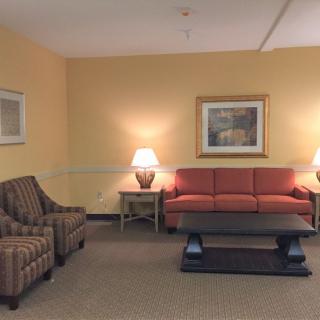
 Indoor common areas
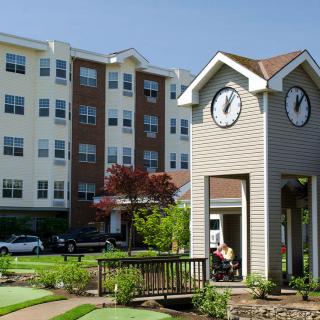
 Outdoor common areas
 Respite or short term stays offered
 Wheelchair accessible showers
 Portland International (7 miles away)
 Diabetic care
 Incontinence care
 Medication management
 Meals provided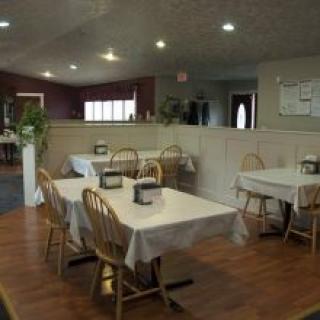



 Assisted Living Support for Veterans: A Complete and Detailed Overview
 Exploring the Contrasts Between Assisted Living and Skilled Nursing
 8 Key Indicators That Suggest It May Be Time to Transition from Assisted Living to Skilled Nursing Care