
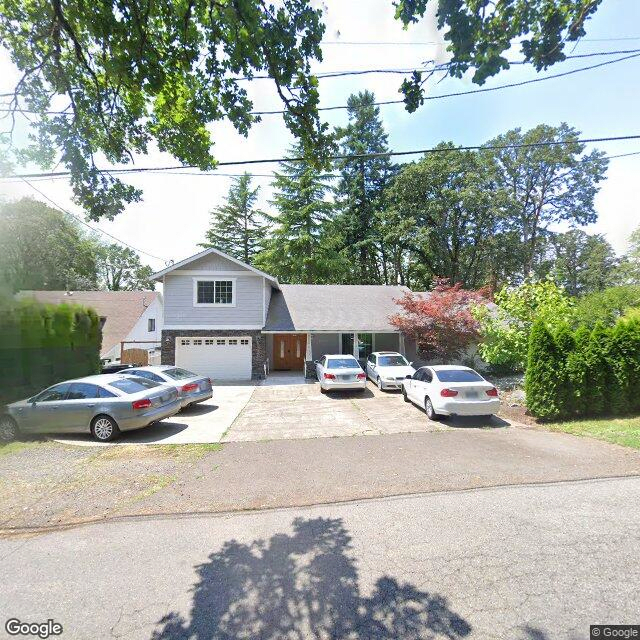
16025 SE Southview Ave, Milwaukie, OR 97267
To contact a resident: (503) 353-3975
For more information about senior living options: (866) 208-4318
Home Sweet Home Adult Care Costs & Pricing
Home Sweet Home Adult Care offers a competitive pricing structure for its private rooms, with monthly costs set at $3,000. This rate is notably lower than the average costs in Clackamas County, which stands at approximately $3,373, and even more so compared to the broader state average in Oregon of about $3,424. By positioning itself below both local and state averages, Home Sweet Home Adult Care provides a financially attractive option for families seeking quality adult care without compromising on service or comfort. This pricing strategy not only underscores their commitment to affordability but also enhances accessibility to their specialized care services within the community.
| Floor plans | Home Sweet Home Adult Care | Clackamas County | Oregon |
|---|---|---|---|
| Private | $3,000 | $3,373 | $3,424 |
Senior living communities with a similar price nearby
-
About the same
A Piece of Heaven
$3,000 / month1.9 miles away -
from -$500 / mo

Mapleview Manor, LLC
$2,500 / month2.2 miles away -
About the same
Yamhill Senior Care Home
$3,000 / month9.7 miles away -
About the same
Peaceful Lighthouse Adult Care Home
$3,000 / month12.1 miles away -
from +$500 / mo
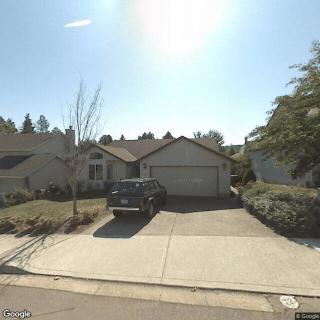
Fulga's ACH
$3,500 / month11.4 miles away
Overall Review of Home Sweet Home Adult Care
Pros
 Ivona is very nice and very caring to her residents.
- Ivona's home is immaculate and really beautiful.
- Ivona takes two days off a week, with a wonderful caregiver named Jodi visiting on those days.
- Jodi is a career nurse and is a truly wonderful person.
- The father really likes living there.
- The family was very happy with the care the resident received.
Cons
 The reviewer would not place a family member in this home.
- The husband received substandard care there.
- There are wolves in sheep's clothing lurking to take advantage of trusting individuals.
- The reviewer feared retaliation and would not go into detail about the care.
Review
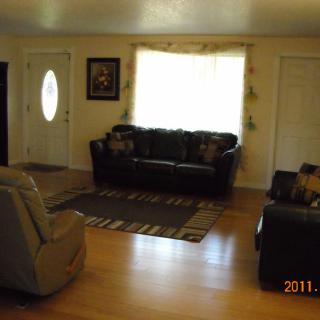
Home Sweet Home Adult Care in Milwaukie is best suited for families seeking a small, home-like setting where the owner-operator is intimately involved in daily care. It suits seniors who thrive on personal attention and a calm, residential atmosphere, especially those with memory challenges who benefit from a steady, hands-on approach. The owner, Ivona, is described as genuinely caring, and the house itself is presented as immaculate and inviting. A dedicated caregiver, Jodi, positioned to work the days Ivona is off, helps preserve continuity. For families prioritizing a warm, intimate environment where relationships feel genuine and the atmosphere is orderly, this setting can deliver meaningful stability.
That said, there are clear reasons to consider alternatives. For residents with substantial medical needs requiring around-the-clock professional oversight, a larger community with more formal nursing staff may be a better fit. A strong caveat exists in one review that warns of substandard care and cautions about potential exploitation in a small, trusting setting. The timing of Ivona’s days off, two days per week, creates a brief but real gap in direct oversight, which could be a concern for highly dependent individuals or families seeking absolute continuity every single day. These factors do not cancel the positives, but they do delineate boundaries where alternatives make more sense.
The most convincing positives revolve around Ivona’s personal investment and the home’s quality. The care philosophy appears to be hands-on and attentive, reinforced by Jodi’s nurse background and reliable presence on Ivona’s days off. The home’s cleanliness, orderliness, and attractiveness contribute to a sense of safety and comfort that is particularly valuable for memory-care residents who benefit from predictable surroundings. For a father with Alzheimer’s who can become fearful or agitated, the calm, patient approach described by reviewers, paired with a staffer who has clinical experience, can meaningfully offset the natural volatility of memory-related behaviors. In short, the core strengths lie in relationship-driven care and a secure, well-maintained environment.
Nevertheless, the mixed feedback cannot be dismissed. The negative review underscores a real risk in small homes: care quality can hinge on a few individuals, and concerns about trust and accountability may surface if and when problems emerge. The “wolves in sheep’s clothing” phrasing, while alarming, signals the importance of transparent governance, reliable staffing, and clear escalation paths. Prospective families should proceed with a careful, structured due-diligence process: verify staff credentials, ask pointed questions about incident handling, and seek candid assurances about how care plans are monitored and updated. The goal is to distinguish a genuine, compassionate operation from a fragile arrangement that relies too heavily on a single person’s discretion.
Practical next steps are straightforward. Demand a tour and an in-depth conversation with Ivona about care philosophy, daily routines, and how memory-care needs are addressed. Meet Jodi and any other caregiving staff to assess their communication style, responsiveness, and rapport with residents. Request a copy of the latest care plan, medication management procedures, and a clear schedule for coverage on Ivona’s days off, including how family updates are handled. Ask about activity programming, meals, safety checks, and what happens in emergencies. Check licensing status and call current or recent families for context about day-to-day reliability and any patterns that emerge over time. These steps provide a pragmatic read on whether the setting will deliver consistent, quality care.
Bottom line: Home Sweet Home offers a warm, intimate alternative to larger facilities, with a strong emphasis on personal connections and Alzheimer’s-appropriate surroundings. It can be an excellent choice for families prioritizing hands-on, relationship-based care in a neat, home-like environment. However, for those requiring uninterrupted medical oversight, total daily continuity, or heightened reassurance about safety and accountability, exploring alternatives, such as licensed memory-care communities or larger assisted-living settings, is prudent. The final decision should hinge on a direct impression of Ivona and Jodi, a clear plan for days off, and a verifiable track record of consistent, attentive care aligned with the resident’s medical and behavioral needs.
 Board and Care Home
 Activities off-site
 Beautician on-site
 Devotional services off-site
 Indoor common areas
 Outdoor common areas
 Private
 Private bathrooms
 Wheelchair accessible showers
 Portland International (13 miles away)
 Ambulatory care
 Diabetic care
 High acuity care
 Incontinence care
 Kosher
 Christian services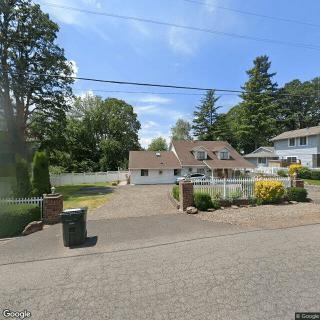






 Comprehensive Guide to Medicare Coverage for Hospice Care
 Caring for Those Who Care: Recognizing, Understanding, and Overcoming Caregiver Burnout
 Caregiver Exhaustion: Recognizing the Signs and Restoring Your Well-Being