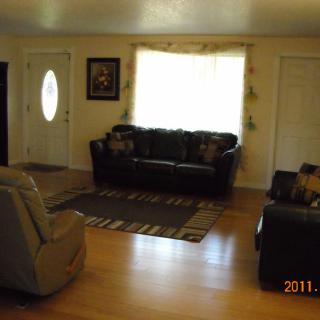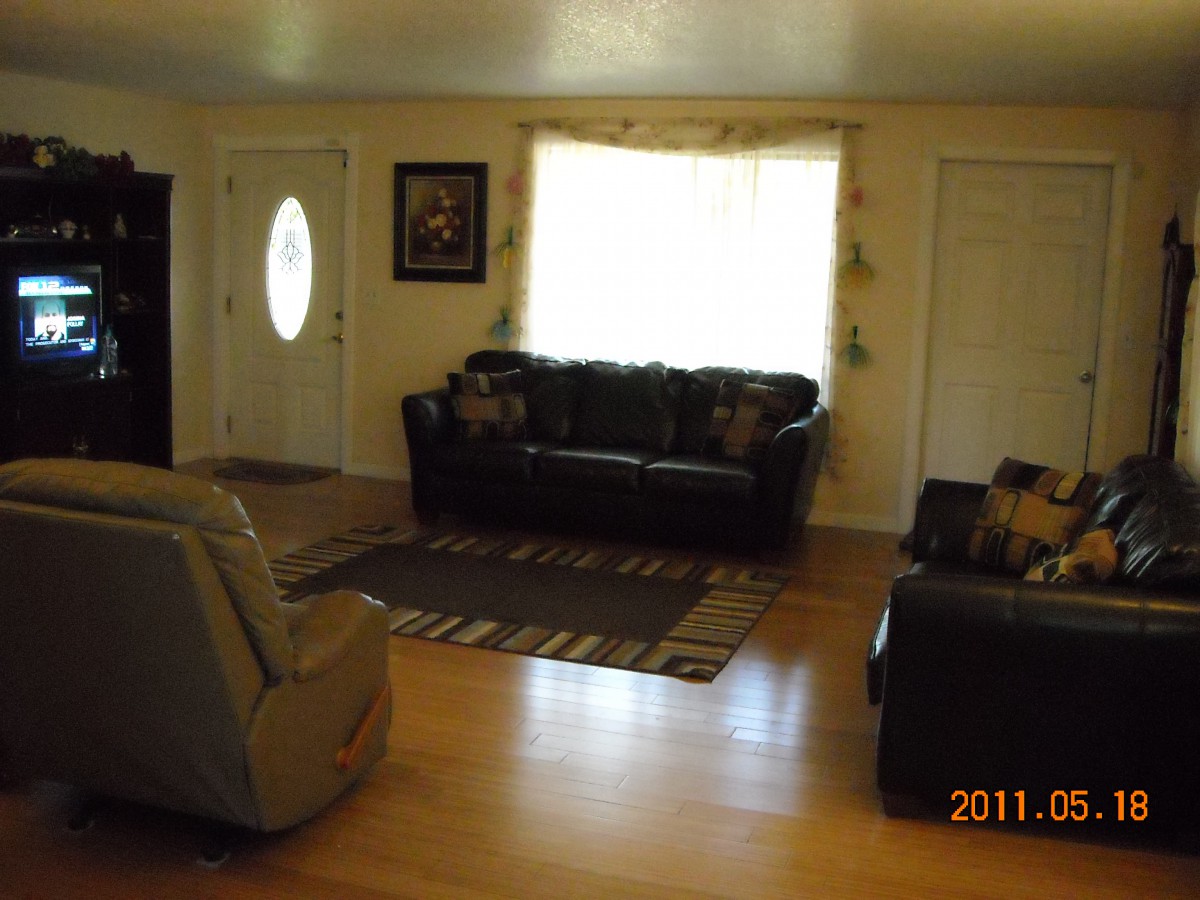
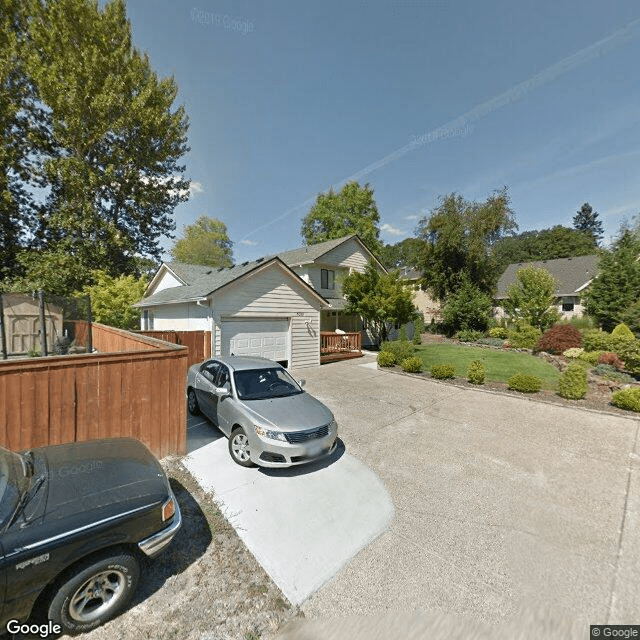
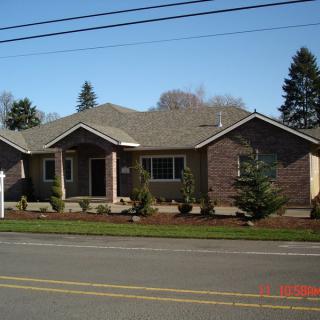
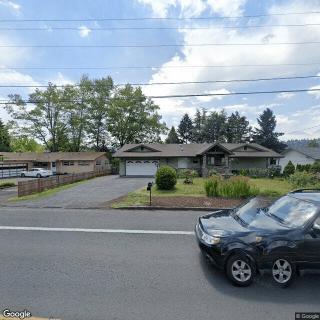
3055 SE Persons Ct., Milwaukie, OR 97267
To contact a resident: (503) 654-8018
For more information about senior living options: (866) 208-4318
Evening Star Senior Care II Costs & Pricing
Evening Star Senior Care II offers a competitive pricing structure for its private rooms, set at $2,500 per month. This rate is significantly lower than the average costs in Clackamas County, which stands at $3,373, and even more favorable compared to the statewide average of $3,424 for similar accommodations. By providing quality care at a more affordable price point, Evening Star Senior Care II positions itself as an appealing option for families seeking senior care solutions that prioritize both affordability and comfort.
| Floor plans | Evening Star Senior Care II | Clackamas County | Oregon |
|---|---|---|---|
| Private | $2,500 | $3,373 | $3,424 |
Senior living communities with a similar price nearby
-
About the same
Mapleview Manor, LLC
$2,500 / month2.3 miles away -
from -$300 / mo
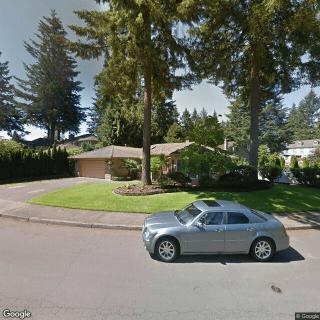
The Peace and Joy Garden
$2,200 / month17.2 miles away -
About the same
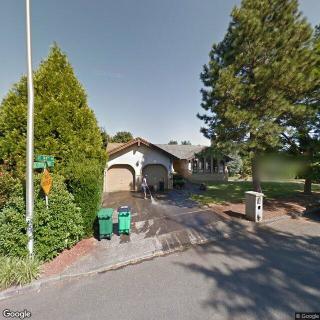
A Gentle Care Home
$2,500 / month6.9 miles away -
About the same
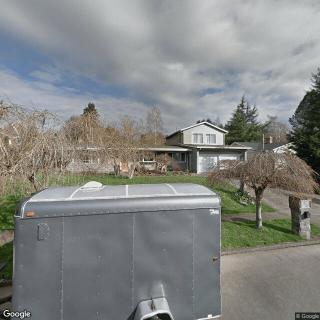
Sacred Heart Adult Foster Care
$2,500 / month10.8 miles away -
from +$300 / mo
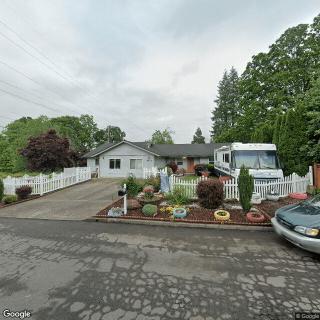
Lund AFH
$2,800 / month19.9 miles away
Overall Review of Evening Star Senior Care II
Pros
 The staff provide excellent service.
- Qasim and Samir are among the most decent people and are excellent nurses.
- They are knowledgeable and caring individuals.
- What they have built here is the finest care for loved ones.
- The staff deliver top-notch care.
- The staff are amazing.
- Cedar Senior Living is a wonderful place with a homey, family-like feel and a lovely, well-appointed facility.
- The team is highly skilled, experienced, and qualified.
- They can cater to complex health challenges while promoting residents’ health, independence, and daily living.
- Qasim exemplifies the qualities of a nurse—kind, skilled, and respectful to people of all backgrounds.
Review
Evening Star Senior Care II in Milwaukie, Oregon is best suited for families seeking a small, intimate residential setting where residents receive hands-on, dignity-centered care from an exceptionally dedicated nursing team. The reviews portray a homey, family-like atmosphere that prioritizes personhood over procedure, with staff who treat residents as individuals with histories and preferences. Those approaching end-of-life care or hospice will find a team comfortable with compassionate bedside support and ongoing, respectful engagement. In short, this community excels when the priority is a warm, personalized environment backed by capable professionals who know residents by name and story.
For families weighing options, this setting may not be the best fit for those who want a larger campus with broad programming or highly specialized memory-care infrastructure backed by extensive clinical oversight. The intimate model, while its strongest asset, can feel limited in terms of the sheer breadth of activities or formal, institution-like routines some prospective residents expect. If cost clarity and predictable pricing are particular concerns, it makes sense to compare with larger communities that publish comprehensive cost structures. In essence, the best match is a home-like, focused care experience rather than a sprawling, multi-wing facility.
The core advantages revolve around the care team’s caliber. Samir and Qasim emerge as standout nurses, deeply knowledgeable, extraordinarily caring, and relentlessly respectful. They demonstrate an ability to manage complex health needs while actively supporting residents’ functional independence, with attention to rehabilitation, fall prevention, nutrition, and daily routines. The environment reinforces this strength: well-appointed, comfortable spaces and a philosophy that promotes purposeful activity, healthy living, and meaningful daily rhythms rather than passive supervision. This combination yields genuine dignity in daily living and a sense of security that comes from consistent, capable hands.
Family involvement is another defining strength. Staff consistently go beyond routine care to help residents stay engaged with life and community. Room personalization, paintings, furniture from home, and other familiar touches, helps preserve identity and comfort. Regular photo updates and video calls keep distant families connected, making the care feel transparent and collaborative. The hospice context described by families underscores a gentle, compassionate approach that centers on comfort and companionship. This is not a setting where care is handed off to anonymous aides; it is a tightly knit operation where relationships and continuity of care matter deeply.
If a potential shortcoming exists, it lies in the scale of the operation. The smaller footprint may translate into fewer campus-wide programs or a slower onboarding of new services compared with larger communities. Yet those perceived drawbacks are largely offset by the deliberate, individualized programming and the staff’s willingness to tailor activities to each resident’s interests and energy levels. For families needing extensive multi-site coordination or broader social ecosystems, the model may demand more proactive involvement from relatives. When paired with the team’s adaptive care, that involvement becomes a strength rather than a burden.
The bottom line is clear. Evening Star Senior Care II is a compelling option for families prioritizing warmth, dignity, and highly competent, person-centered nursing in a home-like setting. It serves residents who thrive on direct attention, flexible routines, and robust family engagement, with a care culture that treats residents as living, valued persons. Those pursuing a larger community with expansive programming or highly specialized, campus-wide memory-care pathways should explore alternatives to ensure alignment with expectations and needs. A guided tour, conversations with the care team, and a review of individualized care plans will reveal whether this intimate, human-centered model is the right match for the resident and family.
 Board and Care Home
 Cats allowed
 Dogs allowed
 Activities on-site
 Bath tubs
 Devotional services on-site
 Indoor common areas
 Outdoor common areas
 Private
 Respite or short term stays offered
 Wheelchair accessible showers
 Portland International (13 miles away)
 Diabetic care
 High acuity care
 Incontinence care
 Medication management
 Kosher
 Christian services


 Understanding Home Health Care: A Comprehensive Guide
 Home Health Care Demystified: A Comprehensive Guide for Families and Caregivers
 Seniors and Modern Transportation: Exploring Uber, Lyft, and Other Ride-Hailing Options