Wildflower Lodge offers a range of accommodation options that reflect the unique environment and amenities it provides. The monthly costs for residing at the lodge are notably higher than both Union County and the broader state averages in Oregon. For instance, a studio at Wildflower Lodge is priced at $4,100, considerably exceeding Union County's average of $3,355 and Oregon's average of $3,815. Similarly, a one-bedroom unit comes with a price tag of $5,000, which stands above the county's $3,979 and the state's $3,904. The semi-private room option is also premium at $5,250 compared to Union County's $4,405 and Oregon's average of $4,457. While these costs may be on the higher side compared to regional counterparts, they likely reflect enhanced services or distinctive features that Wildflower Lodge offers its residents.
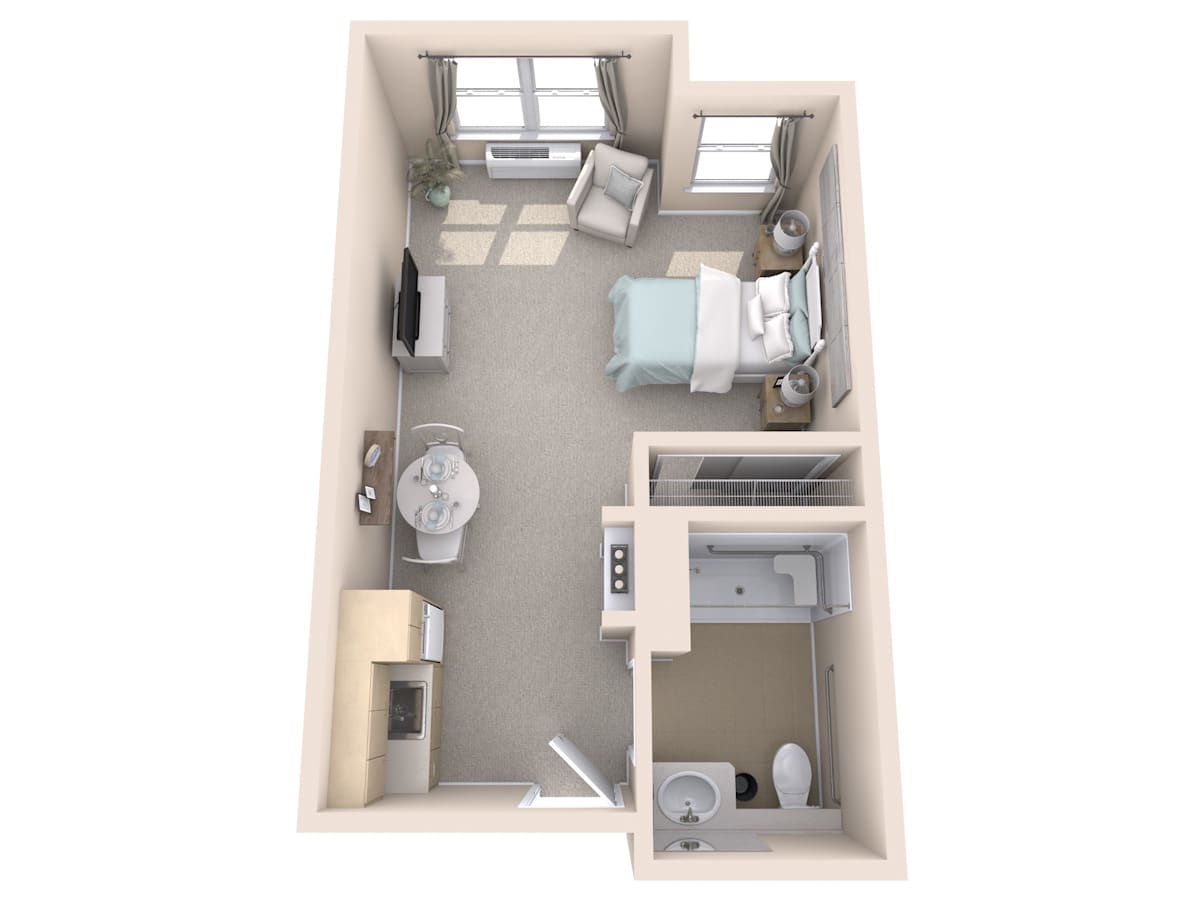
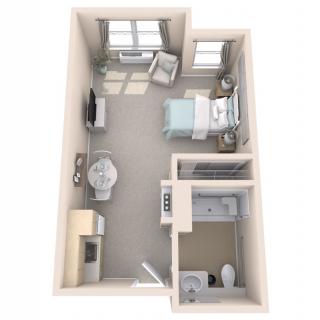
Floor plans
Wildflower Lodge
Union County
Oregon
Studio
$4,100
$3,355
$3,815
1 Bedroom
$5,000
$3,979
$3,904
Semi-Private
$5,250
$4,405
$4,457
Overall Review of Wildflower Lodge
common20 reviews mention this
Staff friendliness and care
Many residents and families describe the team as caring and responsive to needs.
Across the reviews, residents and visitors repeatedly describe staff as friendly, kind, and supportive. Several also mention day-to-day help that made transitions feel smoother, along with communication that helped families feel informed. A few reviews from employees also echo that residents receive attentive personal care and that management supports scheduling.
common8 reviews mention this
Food and restaurant-style dining
Dining is frequently described as a strong point, with meals served in a restaurant-like way.
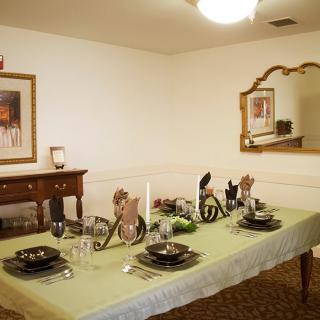
Multiple reviews mention the quality and variety of meals, including comments that the food looks nutritious and that there are several choices. Some reviewers specifically compare the dining experience to a restaurant and describe service and meal timing positively. This aligns with the community offering restaurant-style dining and meal programs, as well as special-diet dining options.
caveat3 reviews mention this
Memory care activities and engagement
Some reviews say memory care residents get limited meaningful engagement.
A few reviews express concern that memory care activities are not engaging, describing time spent in front of a TV instead of interaction. Others say the memory care environment struggles with understaffing, which they connect to gaps in feeding support and fewer activities. Residents and families looking at memory care may want to ask how daily engagement is staffed and planned.
caveat4 reviews mention this
Medication and family communication
Several negative reviews describe missed communication around medications and hospital transfers.
Some family members report problems with medication handling, including claims that medications were discontinued or delayed. A related theme in multiple reviews is that families were not contacted when residents went to the hospital or when help was needed after hours. These complaints also include difficulty getting someone on the phone to coordinate a ride back, which left families scrambling to respond.
caveat2 reviews mention this
Falls and follow-through concerns
A couple of reviews raise concerns about falls and how situations were handled afterward.
One reviewer says their loved one fell multiple times and that they did not receive promised communication afterward. Another review describes a serious fall in memory care and criticizes management follow-up after leaving voicemails. If safety is a top priority, it may be worth asking how fall-risk plans and family notifications are handled.
caveat2 reviews mention this
Cost feels high to some families
At least a few reviewers question the value based on cost and care experience.
Some reviews acknowledge the community is expensive, while others connect higher pricing to unmet expectations. One negative review cites a monthly cost while describing concerns about the care plan and staffing during the night. With pricing that runs above both county and state benchmarks across unit types, prospective families may want to compare what is included and how care needs are supported.
How we summarize
Counts show how many written reviews mention each theme; a review can touch several themes, and only frequently mentioned themes are displayed.
Features
Housing
30 resident community capacity
Types of Care
Assisted Living
Memory Care
Pets
Cats allowed
Dogs allowed
Amenities
Activities off-site
Activities on-site
Air-conditioning
Beautician on-site
Beauty salon
Cable or satellite TV
Devotional services off-site
Devotional services on-site
Dining room
Fully furnished
Garden
Ground floor units
Handicap accessible
Housekeeping services
Indoor common areas
Kitchenette
Move-in coordination
Outdoor space
Respite or short term stays offered
Restaurant-style dining
Small library
Telephone
Wheelchair accessible showers
Wi-Fi/high-speed internet available
Care Services
24-hour call system
24-hour supervision
Activities of daily living assistance
Ambulatory care
Assistance with bathing
Assistance with dressing
Assistance with transfers
Coordination with health care providers
Dementia waiver
Diabetes diet
Diabetic care
Hospice waiver
Incontinence care
Meal preparation and service
Medication management
Mental wellness program
Mild cognitive impairment
Special dietary restrictions
Specialized memory care programming
Transportation arrangement (medical)
Transportation to doctors appointments
Dining
Diabetes diet
Guest meals
International cuisine
Low / no sodium
Meals provided
No Sugar
Restaurant style dining
Room service
Special dietary restrictions
Special dining programs
Activities
Art classes
Bible study group
Catholic services
Community-sponsored activities
Cooking classes
Devotional activities offsite
Devotional activities on-site
Mormon/LDS services
Other religious services
Protestant services
Resident-run activities
Scheduled daily activities
Visiting chaplain or priest
Nearby Places of Interest
This part of La Grande, Oregon offers a variety of amenities that may be appealing for senior living. There are several physicians, including an audiologist, women's clinic, and children's clinic within close proximity for healthcare needs. Places of worship such as the New Hope Christian Church and Church of Jesus Christ of Latter Day Saints provide opportunities for spiritual fulfillment. A selection of restaurants like Smokehouse Restaurant and Yiayia Nikki's offer convenient dining options. Nearby theaters like La Grande Drive In and La Grande Theatres provide entertainment options, while cafes like Starbucks and Antlers Espresso offer social spaces to relax and enjoy a cup of coffee. Parks such as Bernie Park provide outdoor recreational opportunities, and pharmacies like Rite Aid are easily accessible for medication needs. Transportation options like Amtrak and U-Haul are conveniently located, and the nearby Grande Ronde Hospital ensures quality medical care is readily available in case of emergencies.
Physicians
Pettit W MD (0.1 miles)
My Hearing Centers (0.7 miles)
Audiology and Hearing Aid Associates (0.9 miles)
Grande Ronde Hospital Womens Clinic (1.1 miles)
Grande Ronde Hospital Childrens Clinic (1.1 miles)
Grigg, Aaron, Wells, MD (1.1 miles)
Places of Worship
New Hope Christian Church (0.2 miles)
Church of Jesus Christ of Latter Day Saints (0.3 miles)
Wildflower Lodge offers a range of accommodation options that reflect the unique environment and amenities it provides. The monthly costs for residing at the lodge are notably higher than both Union County and the broader state averages in Oregon. For instance, a studio at Wildflower Lodge is priced at $4,100, considerably exceeding Union County's average of $3,355 and Oregon's average of $3,815. Similarly, a one-bedroom unit comes with a price tag of $5,000, which stands above the county's $3,979 and the state's $3,904. The semi-private room option is also premium at $5,250 compared to Union County's $4,405 and Oregon's average of $4,457. While these costs may be on the higher side compared to regional counterparts, they likely reflect enhanced services or distinctive features that Wildflower Lodge offers its residents.
Wildflower Lodge's comprehensive features are designed to address the unique needs of residents with dementia or Alzheimer's disease, promoting both safety and quality of life. The 24-hour supervision ensures that residents receive constant support, minimizing the risks associated with wandering or confusion. Assistance with activities of daily living--such as bathing, dressing, and transfers--enhances residents' dignity while fostering independence as much as possible. Coordination with healthcare providers enables a holistic approach to health management, while services like medication management and incontinence care ensure that physical well-being is prioritized. Meal preparation tailored to dietary needs promotes nutritional health, while specialized memory care programming and mental wellness initiatives engage cognitive function. Additionally, transportation arrangements for medical appointments facilitate timely access to necessary health services, contributing to overall continuity of care for those experiencing mild cognitive impairment or more advanced stages of dementia.
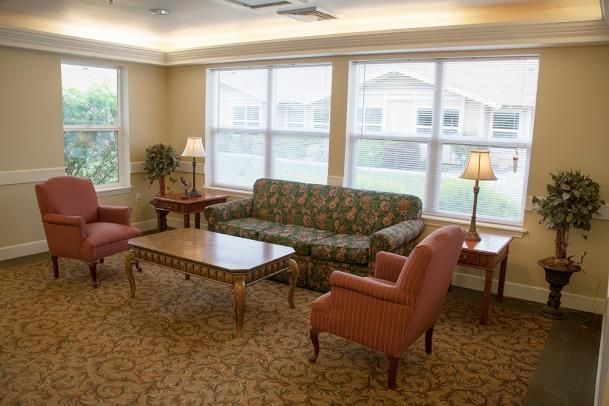
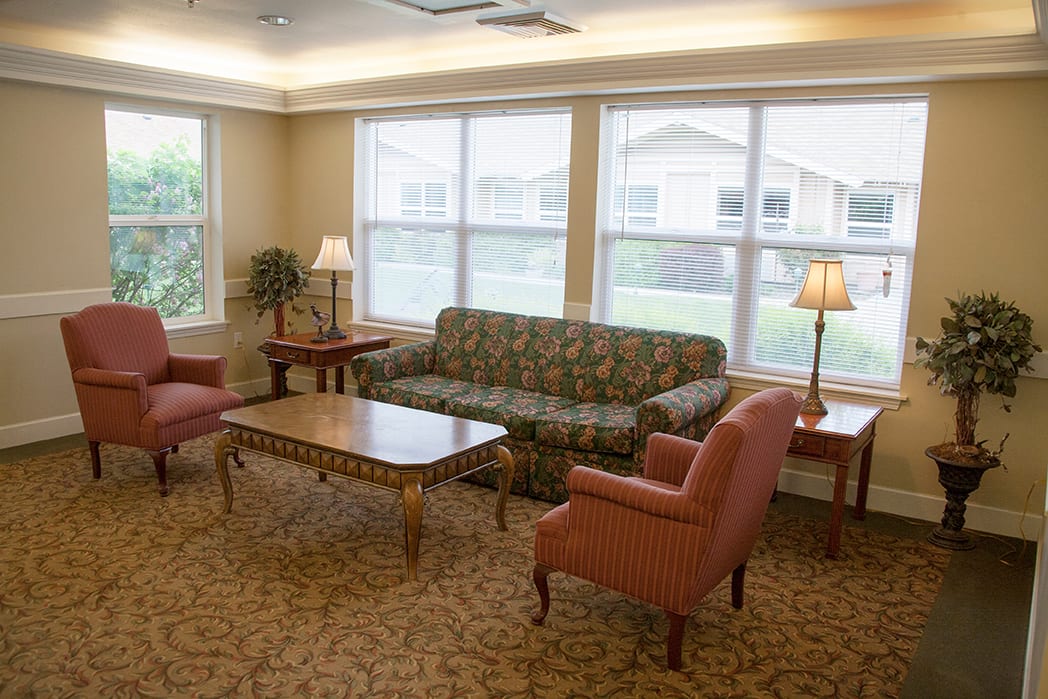
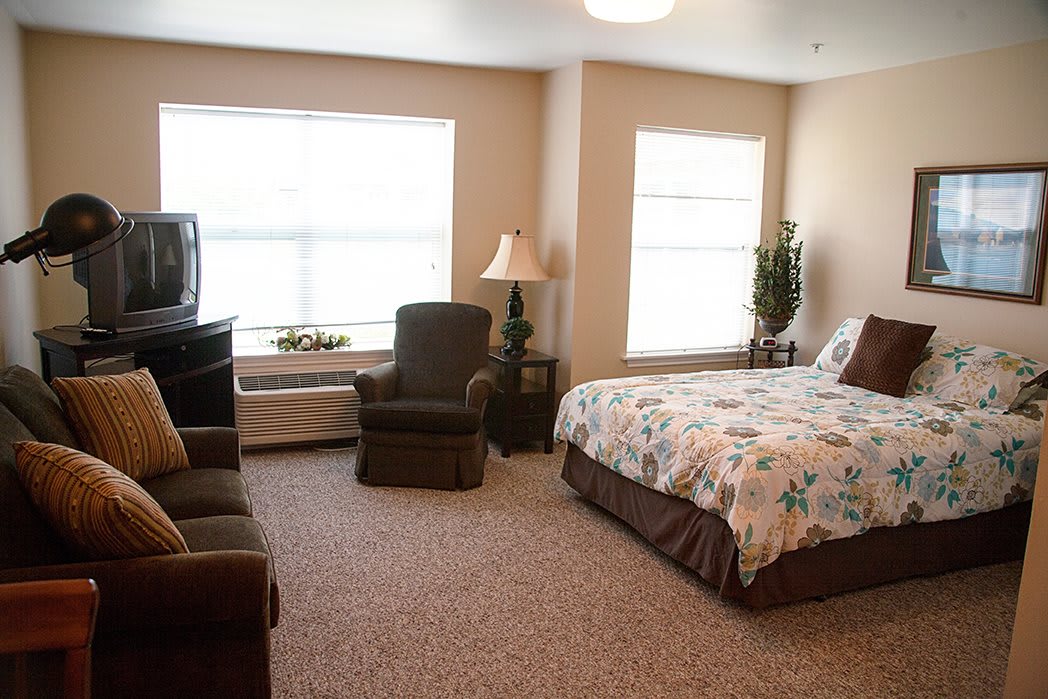
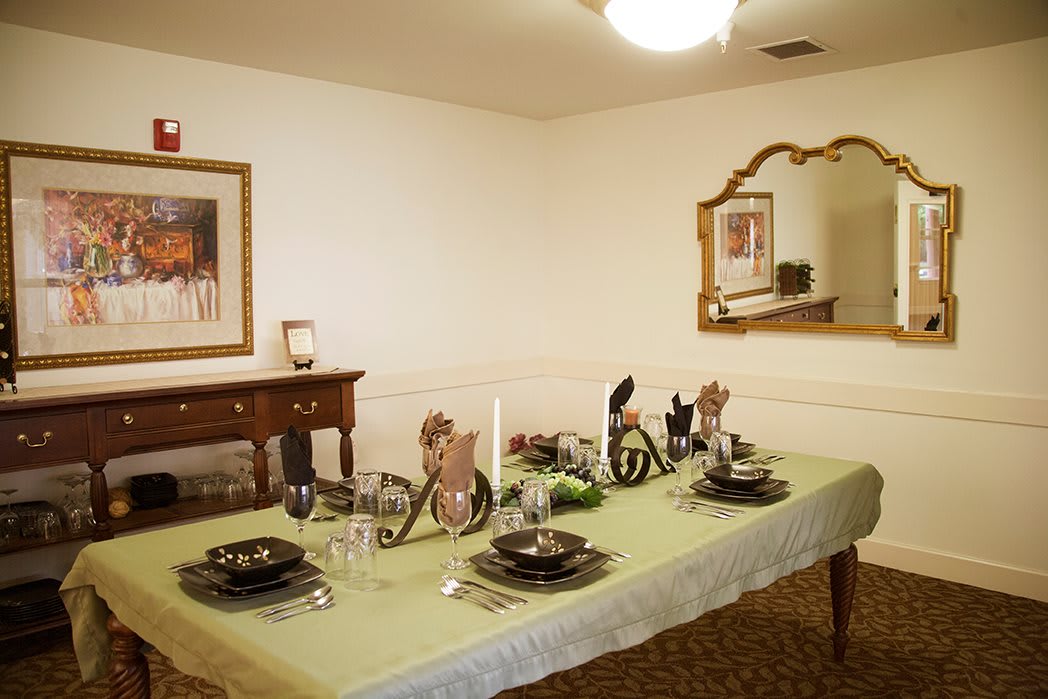
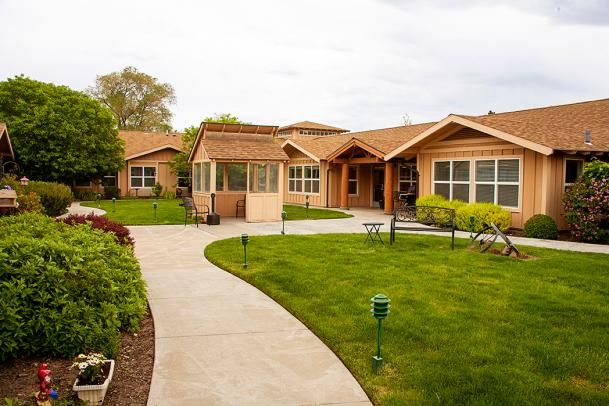
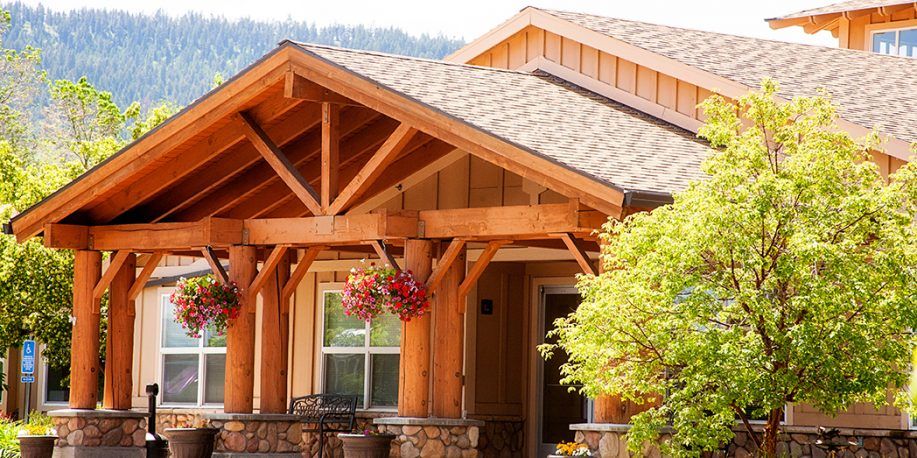
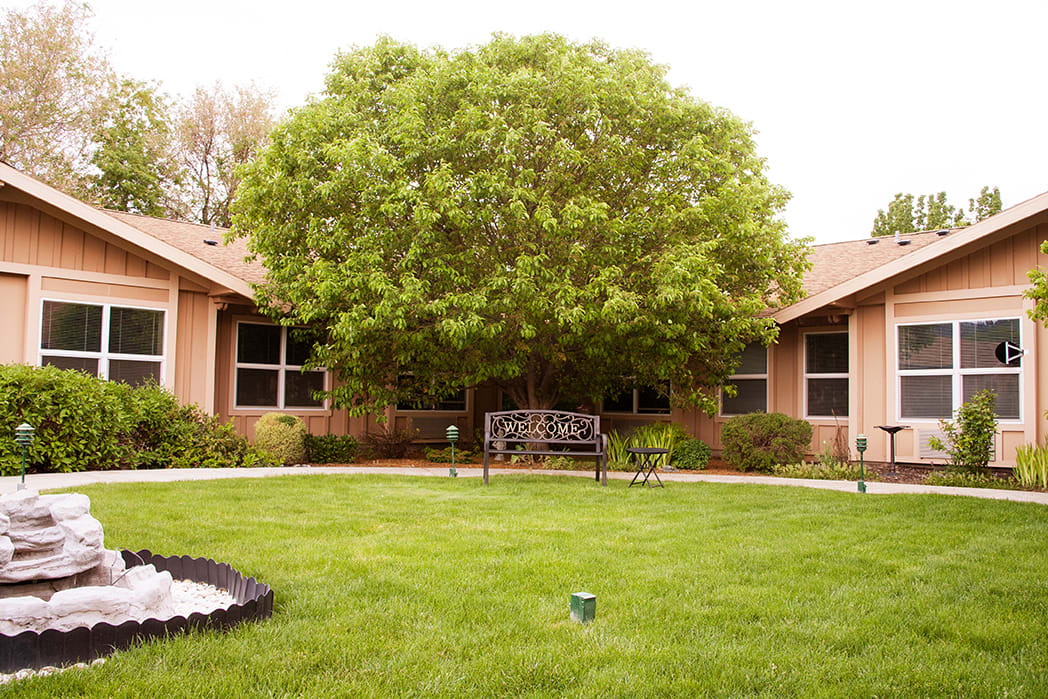
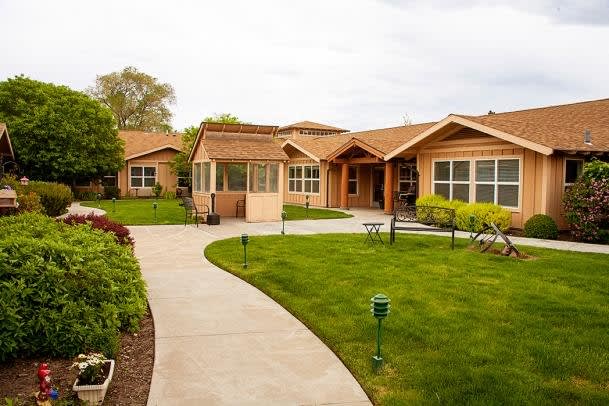
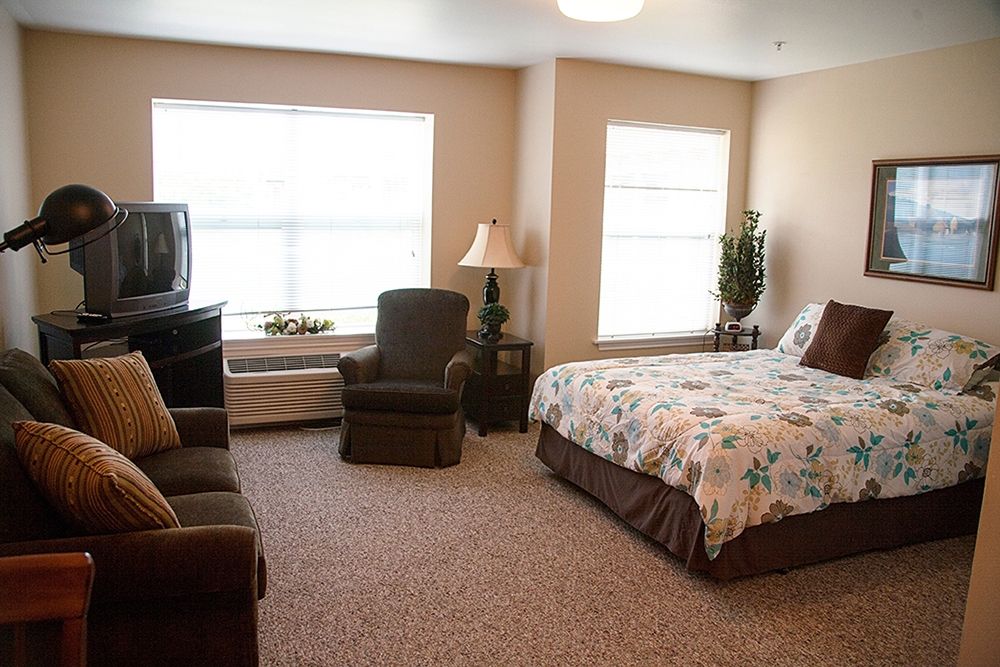
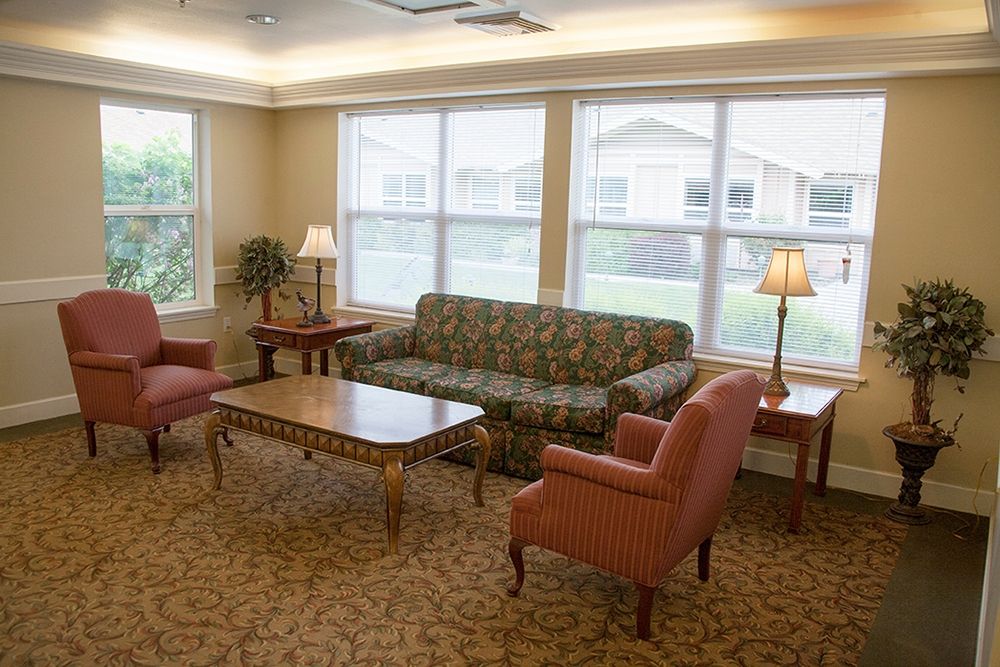
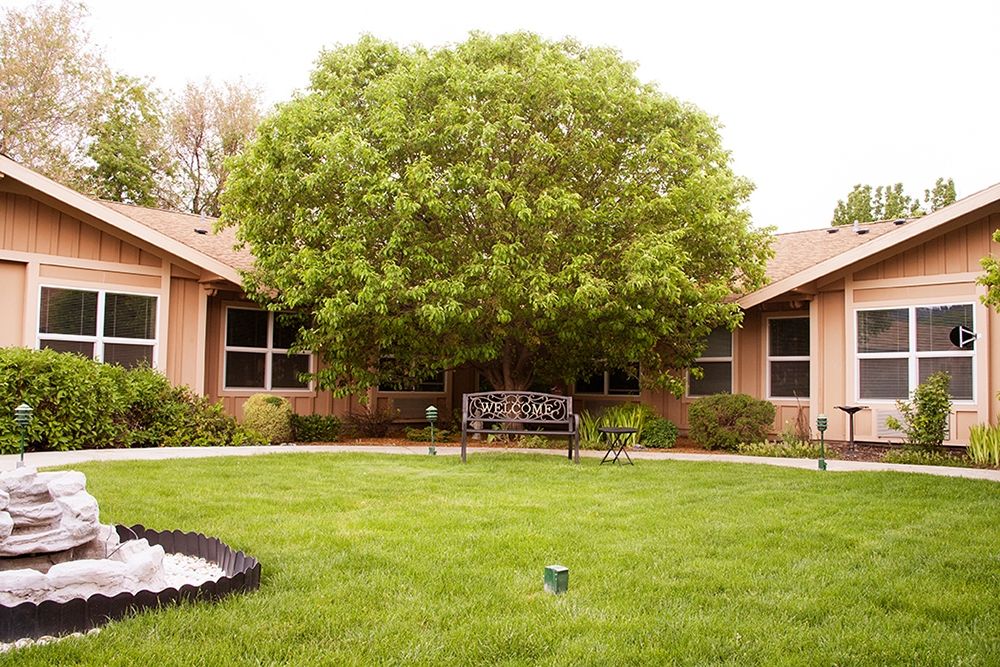
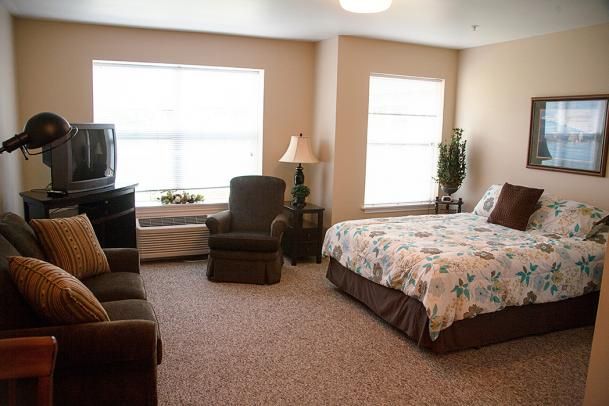
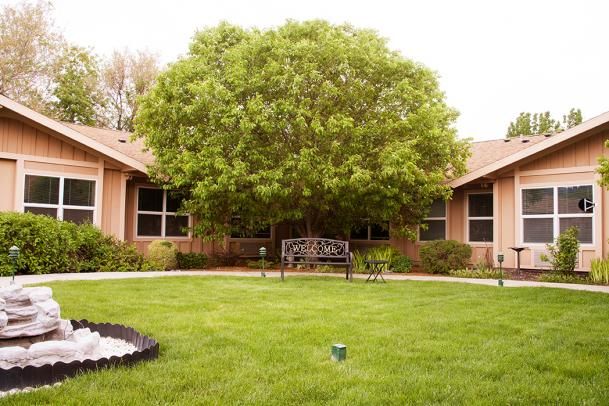
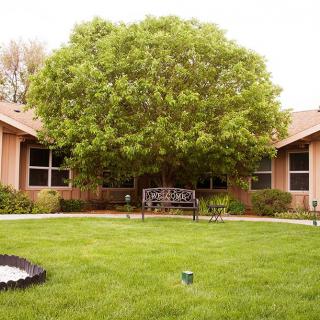
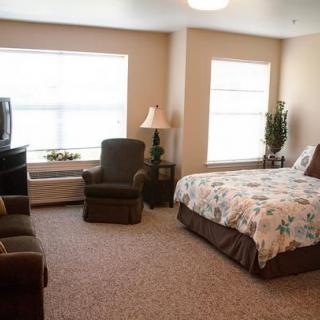
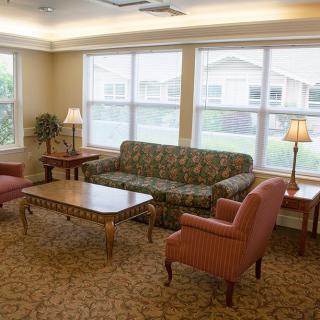
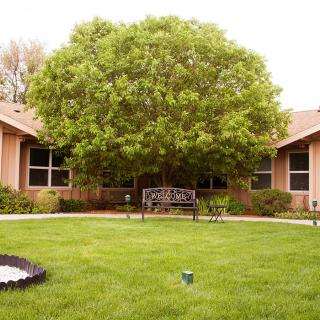
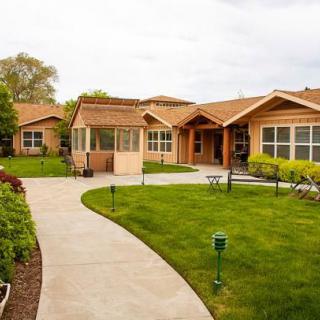
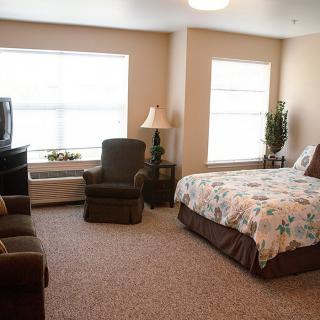
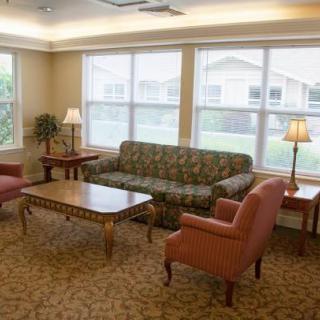
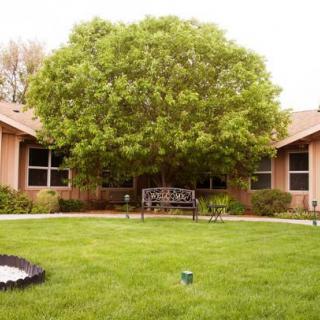
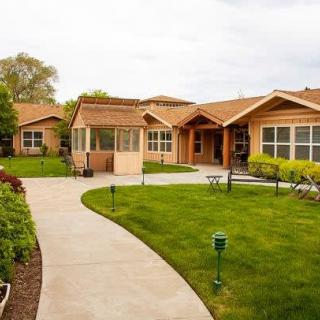
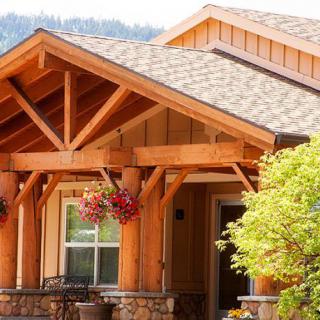
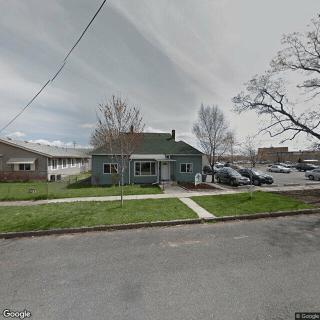
Wildflower Lodge on seniors.fyi includes 16 photos including images showing landscaping, interior, bedroom, windows, garden, architecture, living room, tree, and more.
Nearby Communities
Grande Ronde Retirement Residence
La Grande, OR
4.4 from 96 reviews
$2,695 to $3,740 / month
Compassionate staff, welcoming atmosphere, and engaging activities
Lagrande Post Acute Rehab
La Grande, OR
4.1 from 32 reviews
Strong staff relationships and a well-regarded rehabilitation program.
Angeline Senior Living
La Grande, OR
4.7 from 9 reviews
Caring and attentive caregivers.
Ideal Guest Home
La Grande, OR
4.6 from 107 reviews
$2,099 to $8,539 / month
Prime La Grande location with extensive nearby amenities and easy access to healthcare.
La Petite Reste Port
La Grande, OR
4.6 from 119 reviews
Strong access to nearby amenities (healthcare, dining, worship, and entertainment).
Dementia affects memory and cognitive function in older adults, presenting challenges for caregivers due to behavioral changes such as confusion and mood swings. Compassionate, person-centered care that considers individual history and preferences, along with effective communication and environmental modifications, is essential for supporting both patients and their caregivers.
Dementia leads to cognitive impairment and can cause emotional and behavioral changes, including aggression that arises from frustration, confusion, or fear. Effective coping strategies for caregivers include understanding dementia's nature, recognizing triggers, using empathetic communication, and employing non-pharmacological interventions like music and art therapy.
Dementia causes cognitive decline and challenging behaviors that caregivers must manage, necessitating an understanding of the neurological basis of these issues. Effective strategies and self-care for caregivers can enhance support for those with dementia and improve their daily lives.
Get PricingAsk A QuestionSchedule A TourContact Senior Advisor
By clicking submit, you agree to our Partner's Terms of Use. You
also consent to receive calls and texts, which may be autodialed, from our Partner. Your consent is not a condition to
using our Partner's service. Please visit our Partner's Privacy Policy for information about their privacy practices.

 30 resident community capacity
 Assisted Living
 Memory Care
 Cats allowed
 Dogs allowed
 Activities off-site
 Air-conditioning
 Beautician on-site
 Cable or satellite TV
 Devotional services off-site
 Dining room
 Fully furnished
 Garden
 Ground floor units
 Handicap accessible
 Housekeeping services
 Indoor common areas
 Kitchenette
 Move-in coordination
 Outdoor space
 Respite or short term stays offered
 Restaurant-style dining
 Small library
 Telephone
 Wheelchair accessible showers
 Wi-Fi/high-speed internet available
 24-hour call system
 Ambulatory care
 Assistance with bathing
 Assistance with dressing
 Assistance with transfers
 Diabetes diet
 Diabetic care
 Hospice waiver
 Incontinence care
 Medication management
 Mental wellness program
 Special dietary restrictions
 Transportation arrangement (medical)
 Transportation to doctors appointments
 Art classes
 Bible study group
 Cooking classes
 Compassionate staff, welcoming atmosphere, and engaging activities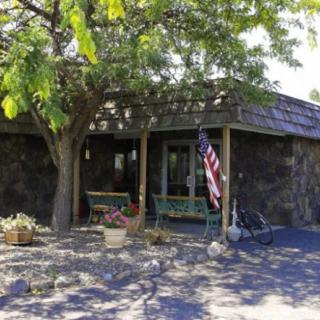

 Understanding Dementia Behaviors: Practical Insights and Strategies for Caregivers
 When Dementia Sparks Anger and Aggression: Understanding the Connection and Ways to Cope
 Dementia Behaviors: In-Depth Understanding and Effective Coping Strategies