
625 Barbara Drive, Grants Pass, OR 97526
To contact a resident: (541) 479-8865
For more information about senior living options: (866) 208-4318
Forest Meadows Rcf Costs & Pricing
Forest Meadows RCF offers competitive pricing for its services compared to both Josephine County and the broader state of Oregon. The cost for a semi-private room at Forest Meadows is set at $2,300 per month, significantly lower than the county average of $4,112 and the state average of $4,457. Similarly, the studio option is priced at $2,600, which is more affordable than the county's rate of $3,760 and the state's average of $3,815. These figures indicate that residents at Forest Meadows RCF benefit from substantial savings while receiving quality care in a supportive environment.
| Floor plans | Forest Meadows Rcf | Josephine County | Oregon |
|---|---|---|---|
| Semi-Private | $2,300 | $4,112 | $4,457 |
| Studio | $2,600 | $3,760 | $3,815 |
Overall Review of Forest Meadows Rcf
Pros
 They emphasize that employees and residents deserve dignity and respectful treatment.
- They highlight the importance of supportive leadership and good management.
- They advocate for improvements that would raise the quality of service.
- They express hope for accountability and positive organizational change.
- They recognize that a better workplace benefits everyone involved.
Cons
 They treat employees and residents badly.
- Kathy, the manager, made employees quit because she treats them horribly.
- The residents and employees deserve much better than that.
- They would not recommend this place to anyone.
- The boss, management, character, and service are all poor.
Review
Forest Meadows RCF in Grants Pass is best suited for residents with minimal care needs who are willing to tolerate frequent staff turnover and a fragile leadership culture. It is not a strong match for anyone requiring reliable assistance, consistent supervision, or genuinely respectful treatment. In the two reported accounts, management is described as harsh and disengaged, and the impact ripples through both residents and front-line workers. Practically, this means a fragile routine where help can arrive late or inconsistently, and morale deficits color every shift. For families prioritizing cost over quality of care and facing limited local options, this facility might be considered only as a last-resort option; for anyone seeking dependable, compassionate care, it simply does not meet that standard.
Alternatives should be seriously considered by almost any resident evaluating options in Grants Pass. Those prioritizing dignity, safety, and steady daily routines will want to look for communities with stable leadership, proven staff retention, and clear, constructive engagement with residents. If care needs extend beyond basic assistance, such as medication management, falls prevention, or intense activities of daily living support, the case for moving to a facility with vetted governance and consistent service becomes even stronger. In short, Forest Meadows RCF should not be the default choice for families who expect reliable care and a respectful work environment that translates into quality resident experiences.
There are virtually no documented positives to offset the substantial concerns raised by the reviews. The absence of explicit strengths, no mention of engaged programming, quality meals, proactive care planning, or transparent governance, means the disadvantages stand unmitigated. In decision terms, the lack of compelling pros leaves the facility vulnerable to being evaluated purely on process and outcomes, which, in this context, appear driven by leadership problems rather than resident-centered care.
The core cons center on leadership and its cascading effects. One review highlights a manager who allegedly creates a hostile environment, with statements that staff quit due to mistreatment. Another characterizes the management, character, and service as consistently poor. Taken together, these observations point to a culture where frontline caregivers feel unsupported, supervision is unstable, and residents may experience inconsistent responses to needs or concerns. The pattern suggested is one of high turnover, diminished morale, and care delivery that does not reliably meet basic expectations for safety, attentiveness, and respect.
For residents, the implications are tangible. Staffing instability translates into slower response times, gaps in supervision, and fewer reliable routines. When employees feel undervalued or overburdened, the quality of daily interactions, help with mobility, dressing, reminders for medications, or simply a reassuring presence, can deteriorate. Families evaluating risk should consider the potential for ongoing disruption: how long staff will stay, how well new hires are integrated, and whether there is a clear mechanism to address grievances and improve conditions. In an environment framed by reported management woes, the risk to consistent, compassionate care is real and material.
The bottom line is clear: Forest Meadows RCF does not align with the expectations of families seeking stable, respectful assisted living. If choosing among local options, this community should be explored only after confirming strong leadership, documented staff stability, and a proven track record of responsive, resident-centered care. Prospective residents and their families are advised to press for direct conversations with administration about staffing ratios, care planning, and accountability, and to compare those answers against nearby facilities with demonstrated stability. In most cases, the prudent move is to pursue alternatives that promise reliable service, dignified treatment, and a constructive, well-supported care environment.
 15 resident community capacity
 Assisted Living
 Board and Care Home
 Independent Living
 Memory Care
 Cats allowed
 Dogs allowed
 Cable or satellite TV
 Dining room
 Fully furnished
 Garden
 Housekeeping services
 Indoor common areas
 Move-in coordination
 Outdoor space
 Telephone
 Wi-Fi/high-speed internet available
 24-hour supervision
 Activities of daily living assistance
 Ambulatory care
 Assistance with bathing
 Assistance with dressing
 Assistance with transfers
 Diabetes diet
 Diabetic care
 Incontinence care
 Meal preparation and service
 Medication management
 Special dietary restrictions
 Transportation arrangement (medical)
 Transportation to doctors appointments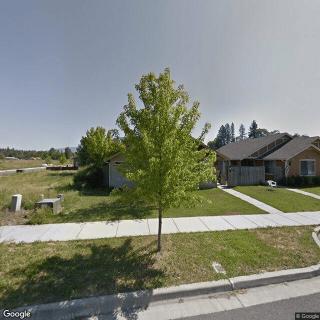




 Understanding Dementia Through Its Seven Stages: A Comprehensive Look at Progression and Expectations
 A Holistic Dementia Care Guide: Effective Strategies for Memory Support
 Memory Care Pathways: A Holistic Guide to Dementia Support