

2935 Forest Gale Drive, Forest Grove, OR 97116
To contact a resident: (503) 705-2050
For more information about senior living options: (866) 208-4318
Forest View Adult Care Home Costs & Pricing
Forest View Adult Care Home offers a competitive pricing structure for its private rooms, set at $2,700 per month. This rate is notably lower than the average costs in Washington County, which stands at $3,261, and even more favorable compared to the overall average in Oregon at $3,424. By providing quality care at a more accessible price point, Forest View Adult Care Home positions itself as an attractive option for families seeking affordable yet comprehensive adult care services without compromising on quality.
| Floor plans | Forest View Adult Care Home | Washington County | Oregon |
|---|---|---|---|
| Private | $2,700 | $3,261 | $3,424 |
Senior living communities with a similar price nearby
-
from +$300 / mo

Young at Heart Care Home
$3,000 / month19.2 miles away -
from -$200 / mo

Sacred Heart Adult Foster Care
$2,500 / month17.3 miles away -
from +$300 / mo
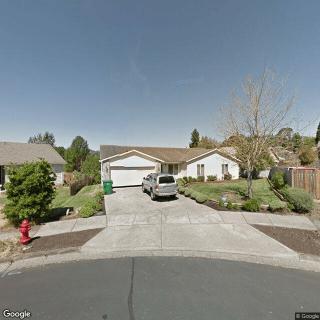
A-Z Adult Foster Home
$3,000 / month2.2 miles away -
from +$100 / mo

Camella Care AFH
$2,800 / month9.8 miles away -
from -$200 / mo
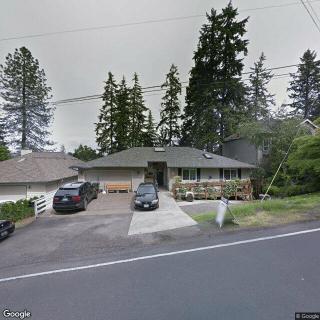
Alexis Adult Foster Care Home
$2,500 / month15.3 miles away
Overall Review of Forest View Adult Care Home
Pros
 They provide excellent, loving care to their residents.
- They create a true family-friendly environment.
- They offer home-cooked meals.
- Families have learned to love them like family and appreciate their care.
- The home supports long-term residency, with residents staying for years.
Review
Forest View Adult Care Home in Forest Grove, Oregon is best suited for families prioritizing a intimate, home-like atmosphere where an elderly resident receives highly personal, affectionate care. The community appears ideal for someone who thrives on daily warmth, familiar routines, and meals prepared on-site with a true “family away from family” feel. From the available testimonial, the setting is clearly built around steady, loving attention rather than clinical formality, making it a strong choice for seniors who value connection and a peaceful, domestic environment over resort-style amenities.
Those weighing alternatives should consider what happens when medical complexity, therapies, or intensive programming are necessary. If a resident requires robust 24/7 clinical oversight, a larger, more resource-rich assisted living or memory-care facility may provide more comprehensive medical services, multiple on-site specialists, and broader activity calendars. Families pursuing aggressive rehabilitation, frequent on-site therapies, or highly structured social programming might find a bigger campus with greater staff depth to be a better match.
The strongest positives pointed to by the family voice are compelling and consistent: excellent, loving care delivered in a setting that feels like home, with caregivers who foster genuine bonds and treat residents as family members. The testimonial emphasizes long-term stability, the father has stayed for more than two years and a stepparent has joined, suggesting a predictable routine and trustworthy caregiving relationships. Home-cooked meals and a true family-friendly environment further reinforce a sense of belonging and daily nourishment that can reduce anxiety, improve appetite, and support overall well-being in ways that clinical features alone cannot.
Because the review offers no explicit negatives, it is prudent to acknowledge that small, home-like facilities can present trade-offs. Potential gaps typically associated with intimate settings may include a smaller pool of specialized staff, fewer on-site medical resources, and a more limited menu of highly structured activities or therapeutic options. These possibilities are not highlighted as problems in the testimonial, but they are worth confirming directly with the community, especially for residents with complex medical schedules, memory care needs, or requiring frequent rehabilitation services.
How the disclosed strengths offset any potential trade-offs hinges on what families value most. The proven, affectionate caregiver relationships and the home atmosphere can materially improve quality of life, reduce stress at transitions, and support gentler, more dignified aging. For residents who prize continuity, predictability, and continuous emotional support over high-end amenities or broad clinical services, these advantages can outweigh the absence of a larger care ecosystem. The absence of noted drawbacks in the testimonial should not replace due diligence; instead, it should guide families to verify staffing patterns, medication management protocols, and the availability of any specialized services needed.
In practical terms, families considering Forest View should schedule a focused visit with questions tailored to their priorities: what is the daily caregiver-to-resident ratio? how are changes in health status managed, and who coordinates with external providers? what are meal options, dietary accommodations, and how are resident preferences incorporated? what activity and social engagement opportunities exist for varied interests? If warmth, continuity, and a family-like approach align with the resident’s preferences and care needs, Forest View stands out as a strong candidate. For those whose criteria center on robust clinical resources and a broad program slate, alternatives with larger footprints may be worth exploring.
 Board and Care Home
 Activities off-site
 Air-conditioning
 Beautician on-site
 Cable or satellite TV
 Devotional services off-site
 Handicap accessible
 Indoor common areas
 Outdoor common areas
 Private
 Private bathrooms
 Respite or short term stays offered
 Wheelchair accessible showers
 Wi-Fi/high-speed internet available
 Diabetic care
 High acuity care
 Incontinence care
 Medication management
 Kosher
 Adventist services
 BBQs or picnics
 Birthday parties
 Buddhist services
 Islamic services





 A Detailed Exploration of Living Wills and Advance Directives
 Comprehensive Guide to Medicare Coverage for Hospice Care
 Caring for Those Who Care: Recognizing, Understanding, and Overcoming Caregiver Burnout