
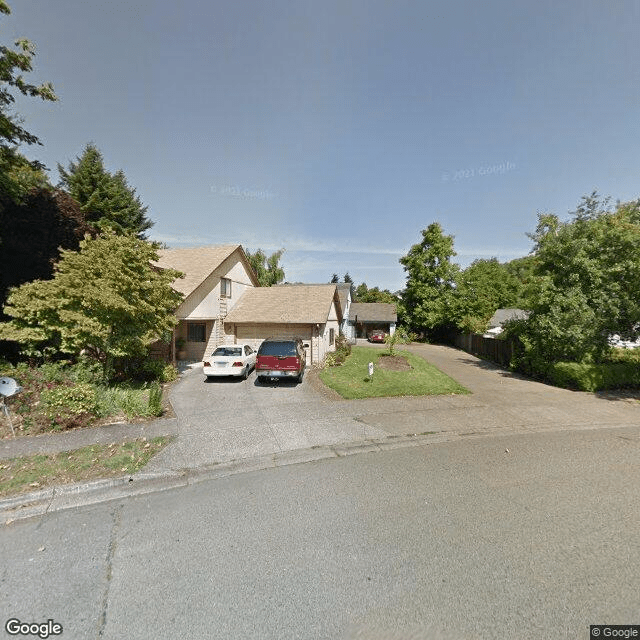
1247 Calvin Street, Eugene, OR 97401
To contact a resident: (541) 345-2413
For more information about senior living options: (866) 208-4318
Pleasant Autumn II Costs & Pricing
Pleasant Autumn II offers competitive pricing for its private rooms, with a monthly cost of $2,800. This figure is significantly lower than the average rate in Lane County, which stands at $4,479, and also more affordable than the statewide average in Oregon of $3,424. By choosing Pleasant Autumn II, residents can enjoy quality accommodations without the higher financial burden typically associated with similar facilities in the region. This makes it an attractive option for individuals seeking both comfort and value in their living arrangements.
| Floor plans | Pleasant Autumn II | Lane County | Oregon |
|---|---|---|---|
| Private | $2,800 | $4,479 | $3,424 |
Senior living communities with a similar price nearby
-
from +$200 / mo
Country Comfort AFH
$3,000 / month14.7 miles away -
About the same
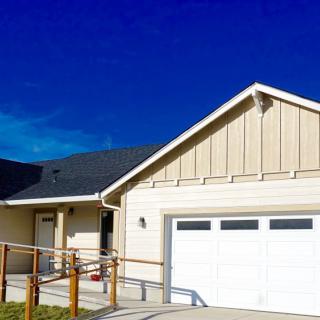
Arcadia Senior Care
$2,879 to $5,000 / month7.1 miles away -
from -$400 / mo
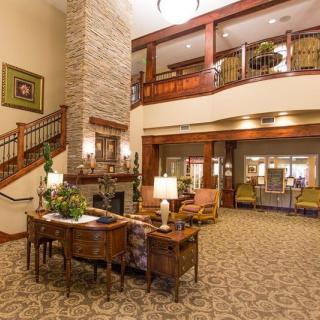
Garden Way Retirement Community
$2,400 to $4,000 / month1.2 miles away -
from -$520 / mo
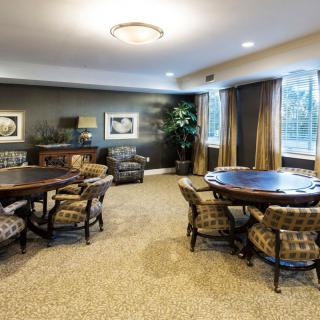
Crescent Park Senior Living
$2,280 to $4,690 / month1.5 miles away -
from +$150 / mo
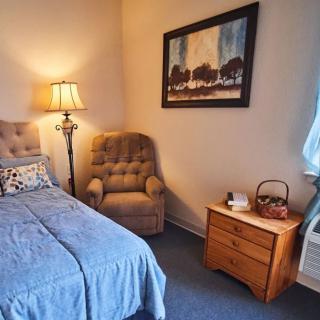
Sweetbriar Villa
$2,950 to $4,320 / month6.8 miles away
Overall Review of Pleasant Autumn II
Pros
 Melo & Staff are amazing and took wonderful care of the reviewer’s father.
- They provided such devoted care for him during his last three years.
- The home is highly recommended for loved ones.
- God bless Melo & family.
Review
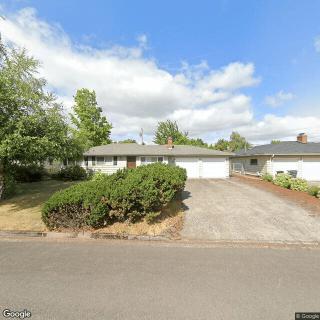
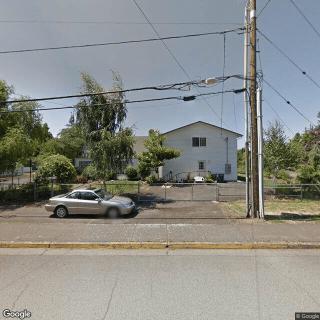
Pleasant Autumn II in Eugene, OR is best suited for families seeking an intimate, home‑like assisted living environment where care is deeply personal and staff build lasting, trust-based relationships with residents. This community excels when the priority is daily hands-on attention, consistent caregivers, and a warm atmosphere that treats seniors like family. It is especially well‑suited for residents who require substantial daily support but do not need the scale or rushing pace of a large campus. For families who value dignity, individualized routines, and a caregiver team that truly remembers personal history, Pleasant Autumn II stands out as a compelling option.
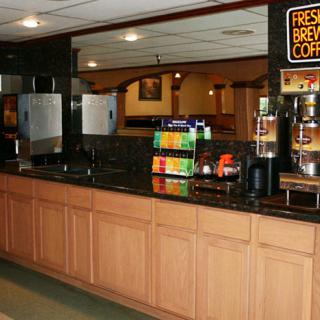
Those considering alternatives should note a few practical boundaries. If a senior demands robust, around‑the‑clock medical oversight with on‑site skilled nursing, or requires highly structured memory‑care programming with formalized activity schedules, Pleasant Autumn II may not deliver the cadence and breadth of services found at larger facilities. Likewise, for families seeking expansive amenities, extensive social programming, or a wide network of on‑site therapy options, a bigger community could be more aligned with expectations. In short, the best fit hinges on balancing the value placed on intimate caregiving against the desire for broader clinical resources and campus-scale amenities.
The strongest pro is the care team’s extraordinary dedication. The care described translates into a palpable sense of security for families: staff who consistently provide attentive support, speak respectfully with residents, and honor individualized preferences over years, not weeks. This level of commitment, especially during challenging health transitions, creates stability and reduces the emotional strain that accompanies long‑term placement. When a resident’s history and routines are visible to the caregivers, daily life becomes predictable, comfortable, and dignified. That kind of continuity often amplifies quality of life in ways that larger, impersonal settings struggle to reproduce.
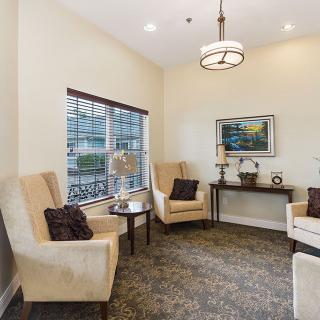
Another clear strength is the home atmosphere itself. The environment supports ease of navigation, familiar faces, and a sense of belonging that often dissolves the stress families fear when a loved one moves out of a private home. The staff’s willingness to engage with families, to listen, and to adapt routines as needs shift, complements the intimate setting. In practice, this means meals, activities, and personal care feel cohesive and unhurried, rather than rushed or generic. Those advantages should be weighed against the potential gaps in advanced medical programming, but for many residents, the emotional and relational benefits substantially offset those considerations.
From a decision‑making perspective, Pleasant Autumn II should be evaluated with clear questions about staffing, oversight, and care plans. Prospective families should verify the staff‑to‑resident ratio, the extent of on‑site medical support, and how medication management is coordinated. Inquire about memory‑care capabilities and what happens if cognitive needs escalate. It is essential to observe a tour with attention to how warmth translates into daily routines, how families are kept informed, and how quickly staff respond to concerns. Understanding these operational details will reveal whether the lived experience matches the glowing, firsthand impressions.
The bottom line is decisive: Pleasant Autumn II is a strong, even excellent, choice for families prioritizing compassionate, personalized caregiving within a warm, small‑scale setting. It delivers a remarkable level of trust, emotional safety, and continuity that can outweigh the absence of broad medical programming for many seniors. However, for residents who require robust, hospital‑level medical oversight or extensive specialized therapies on-site, alternatives with larger clinical resources should be seriously considered. For those who value a dignified, family‑like environment and a staff that truly knows the resident, Pleasant Autumn II offers a compelling, practical fit worth pursuing through a direct visit and candid conversations with the caregiving team.
 Board and Care Home
 Private
 Mahlon Sweet (9 miles away)
 Ambulatory care
 Diabetic care
 High acuity care
 Incontinence care

 In-Home Care Costs in 2025: A Detailed State-by-State Exploration
 Understanding Home Health Care: A Comprehensive Guide
 Home Health Care Demystified: A Comprehensive Guide for Families and Caregivers