
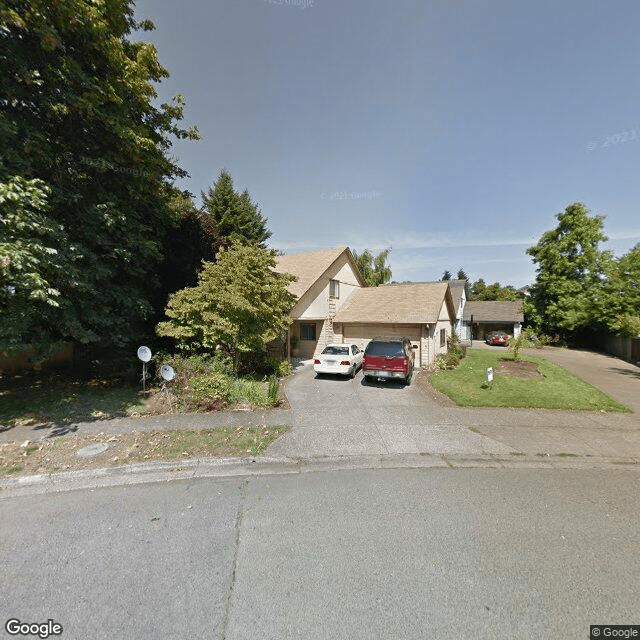
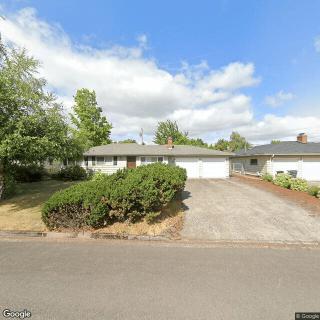
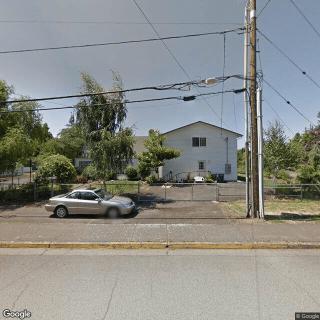
1257 Calvin Street, Eugene, OR 97401
To contact a resident: (541) 345-2413
For more information about senior living options: (866) 208-4318
Pleasant Autumn Costs & Pricing
Pleasant Autumn offers a competitive rate for its private room accommodations, priced at $2,800 per month. This is notably lower than the average costs in Lane County, which stand at $4,479, and also more affordable than the state average of $3,424 for Oregon. By positioning itself well below both the county and state benchmarks, Pleasant Autumn not only provides an appealing financial option for potential residents but also reflects its commitment to accessible care without compromising quality. This strategic pricing places Pleasant Autumn as a favorable choice for those seeking comfortable living arrangements in a supportive environment.
| Floor plans | Pleasant Autumn | Lane County | Oregon |
|---|---|---|---|
| Private | $2,800 | $4,479 | $3,424 |
Senior living communities with a similar price nearby
-
from +$200 / mo
Country Comfort AFH
$3,000 / month14.6 miles away -
About the same
Arcadia Senior Care
$2,879 to $5,000 / month7.1 miles away -
from -$400 / mo
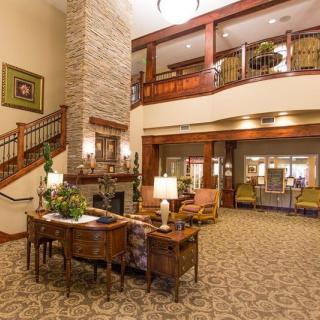
Garden Way Retirement Community
$2,400 to $4,000 / month1.2 miles away -
from -$520 / mo
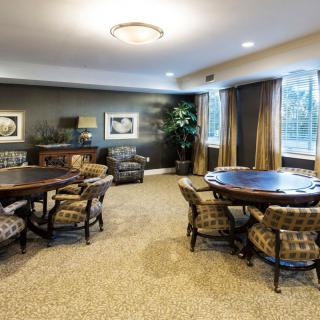
Crescent Park Senior Living
$2,280 to $4,690 / month1.5 miles away -
from +$150 / mo
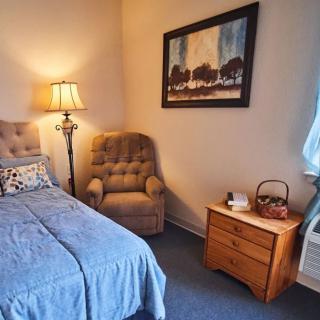
Sweetbriar Villa
$2,950 to $4,320 / month6.8 miles away
Overall Review of Pleasant Autumn
Pros
 Melo & Staff are amazing and provided wonderful care for their father.
- They delivered devoted care during his last three years on earth.
- The home is highly recommended for loved ones.
- God blesses Melo & family.
Review
Pleasant Autumn in Eugene, OR is best suited for families seeking deeply personalized, home-like assisted living where staff form strong, enduring bonds with residents. This community excels when the priority is intimate, day-to-day caregiving delivered by a small, closely knit team that feels like family. Residents who thrive on consistent attention, predictable routines, and a warm, homelike atmosphere will find a great fit here. The warmth described by families translates into steady companionship, reliable support for daily living tasks, and a sense of security that comes from caregivers who know the resident well.
Alternatives may be worth considering for families whose loved one requires higher acuity medical oversight, more frequent on-site nursing, or a more structured memory-care program. Larger communities with formal clinical staffing, broader activation calendars, or specialized dementia programming often suit residents whose care needs evolve beyond what a small home setting typically offers. If budget, location, or a desire for a wider array of amenities drives the decision, exploring other campuses with explicit clinical infrastructure can be prudent.
The standout strength is the caregiving ethos demonstrated by Melo and the staff. The tribute from a family about three years of attentive care highlights remarkable consistency, trust, and emotional commitment. When caregivers invest over years in learning a resident’s routines, preferences, and quirks, daily life becomes smoother and more dignified. For families, this translates into fewer disruptive transitions, confidence that meals, activities, and bedtime patterns will align with the resident’s history, and a palpable sense of being heard and respected in every interaction.
Of course, the single testimonial leaves some questions unanswered about potential drawbacks, and the absence of explicit downsides should be read with practical scrutiny. A small, home-like model can come with tradeoffs such as more limited on-site clinical resources, a shorter list of specialized services, and a tighter activity calendar than larger campuses. For a resident whose needs would benefit from frequent medical oversight, complex nursing routines, or highly specialized memory-care programming, these gaps may matter more than the warmth of personal attention.
Still, the proven strengths can offset these potential gaps for the right resident. Deep familiarity and long-tenured staff often translate into responsive, anticipatory care that feels proactive rather than reactive. Continuity reduces anxiety for both resident and family, and the cultivated sense of home can support comfort, mood stability, and overall well-being in meaningful ways. When end-of-life or long-term caregiving considerations are central, the ability to trust caregivers over time becomes an invaluable asset that larger, less intimate settings may struggle to match.
Bottom line: Pleasant Autumn is the clear pick for families prioritizing warmth, fidelity, and lasting caregiving relationships. It suits seniors who prefer a small, intimate environment with a devoted team over a large campus with broader programming. Those needing advanced nursing care, memory-care specialization, or extensive on-site amenities should evaluate alternatives and confirm staffing depth, physician coverage, and care plans before deciding. Prospective families are advised to tour, observe resident-staff interactions, and speak candidly with current families about daily routines and how care is maintained over time. When alignment exists, Pleasant Autumn delivers practical value and peace of mind that is hard to find in bigger communities.
 Board and Care Home
 Private
 Mahlon Sweet (9 miles away)
 Ambulatory care
 Diabetic care
 High acuity care
 Incontinence care

 Highly Beneficial Low-Impact Exercises for Senior Living Residents
 Is In-Home Healthcare Tax Deductible? Your Comprehensive Guide
 Nurturing Well-Being Through Gardening: A Detailed Guide for Senior Enthusiasts