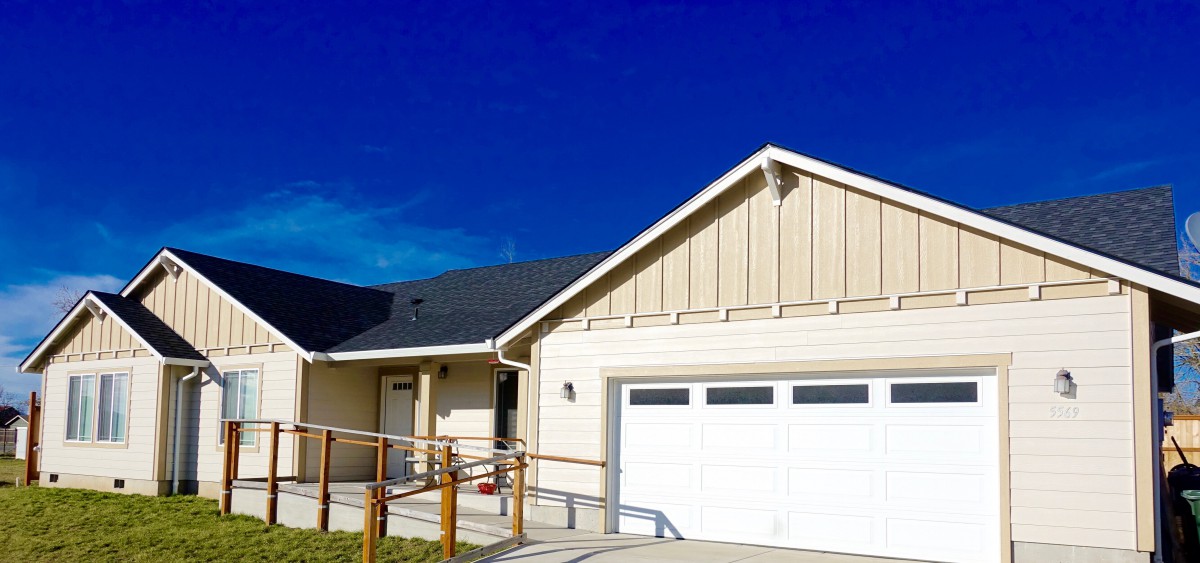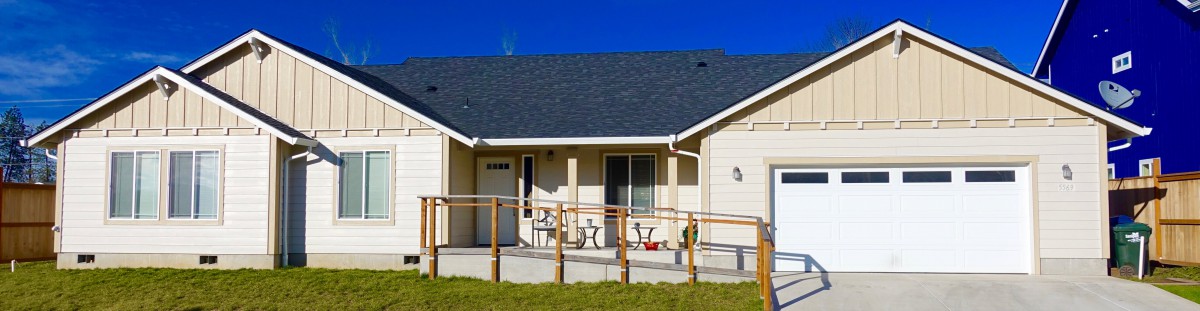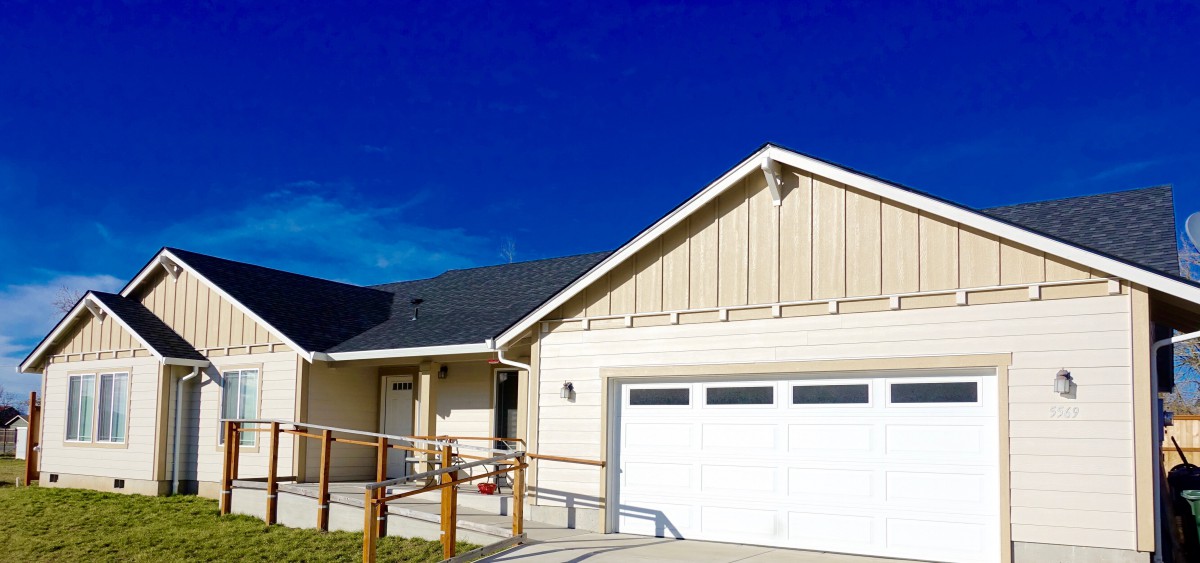
5569 Tradition Alley, Eugene, OR 97402
To contact a resident: (541) 514-0111
For more information about senior living options: (866) 208-4318
Arcadia Senior Care Costs & Pricing
Arcadia Senior Care offers competitive pricing for its private rooms, ranging from $2,879 to $5,000 per month. This rate is notably lower than the average costs in Lane County, which stand at approximately $4,479 per month, and also undercuts the state average of $3,424 for Oregon. By positioning their prices at this level, Arcadia Senior Care not only provides an appealing option for potential residents but also demonstrates a commitment to affordability while ensuring quality care. This thoughtful pricing strategy allows families in need of senior care services to consider Arcadia as a viable alternative without compromising on essential support and comfort.
| Floor plans | Arcadia Senior Care | Lane County | Oregon |
|---|---|---|---|
| Private | $2,879 to $5,000 | $4,479 | $3,424 |
Senior living communities with a similar price nearby
-
from +$121 / mo
Country Comfort AFH
$3,000 / month7.9 miles away -
from -$479 / mo
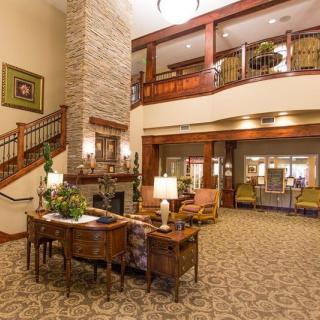
Garden Way Retirement Community
$2,400 to $4,000 / month7.5 miles away -
About the same
Sweetbriar Villa
$2,950 to $4,320 / month13.9 miles away -
from -$341 / mo
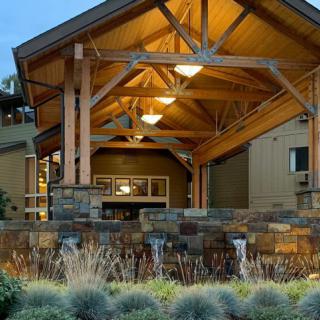
Willamette Oaks
$2,538 to $6,048 / month4.3 miles away -
from -$350 / mo
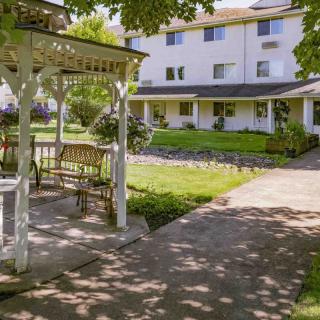
Holiday Sheldon Oaks
$2,529 to $4,100 / month6.2 miles away
Overall Review of Arcadia Senior Care
Pros
 The owners are amazing, and the staff are incredible and attentive to each individual's needs.
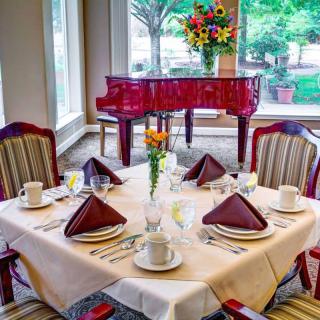
- The meals are home-cooked and delicious.
- Transportation is organized and includes many activities.
- Arcadia Senior Care Home is highly recommended for exceptional care and dignity.
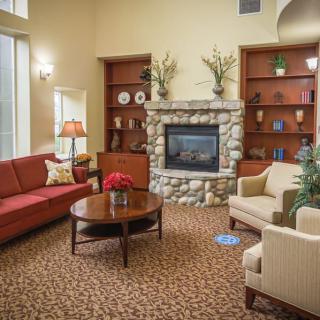
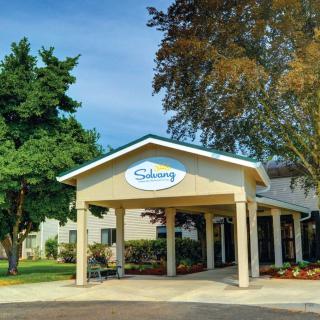
- The home is bright, warm, and welcoming.
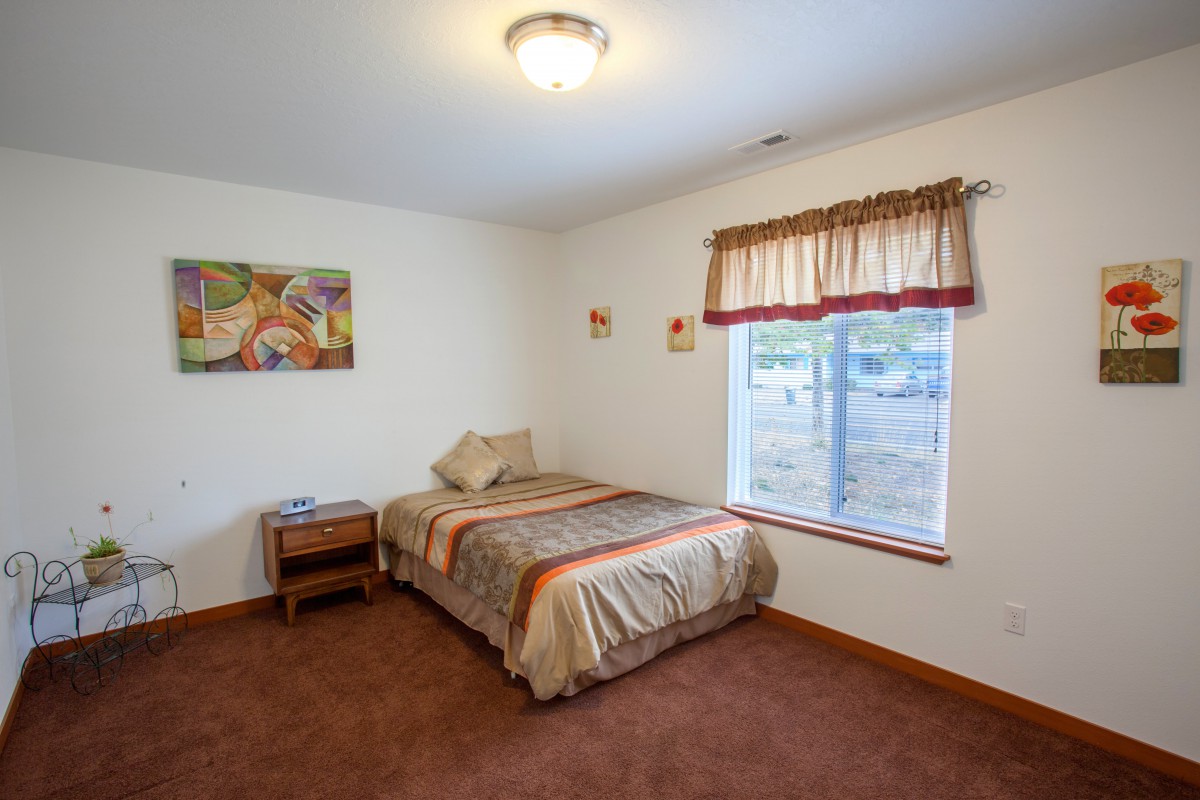
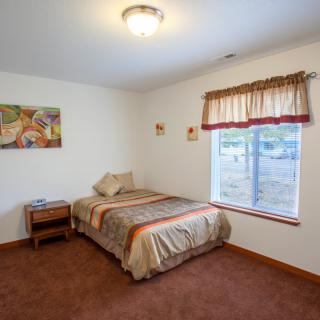
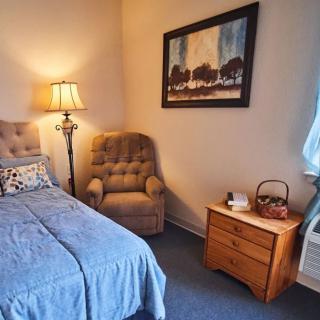
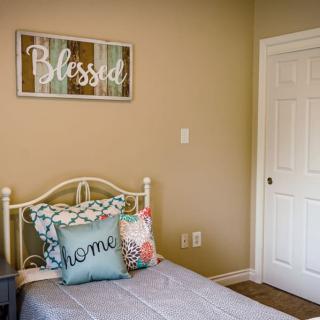
- Each resident has a clean, comfortable room with furniture, a TV, and Wi-Fi.
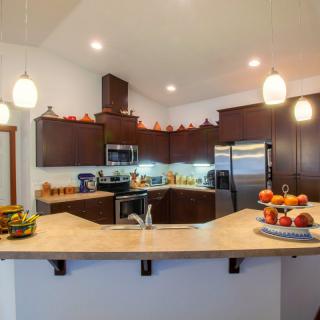
- Caregivers Sasha and Tanya live on-site with residents and cook meals for everyone, creating a family atmosphere; special diets are prepared with care.
- The happiness of residents is evident, with birthdays celebrated and outings to restaurants or the movies, showing they feel cared for.
- The atmosphere is filled with kindness, attention, and genuine care, making Arcadia feel like a true home.
Review
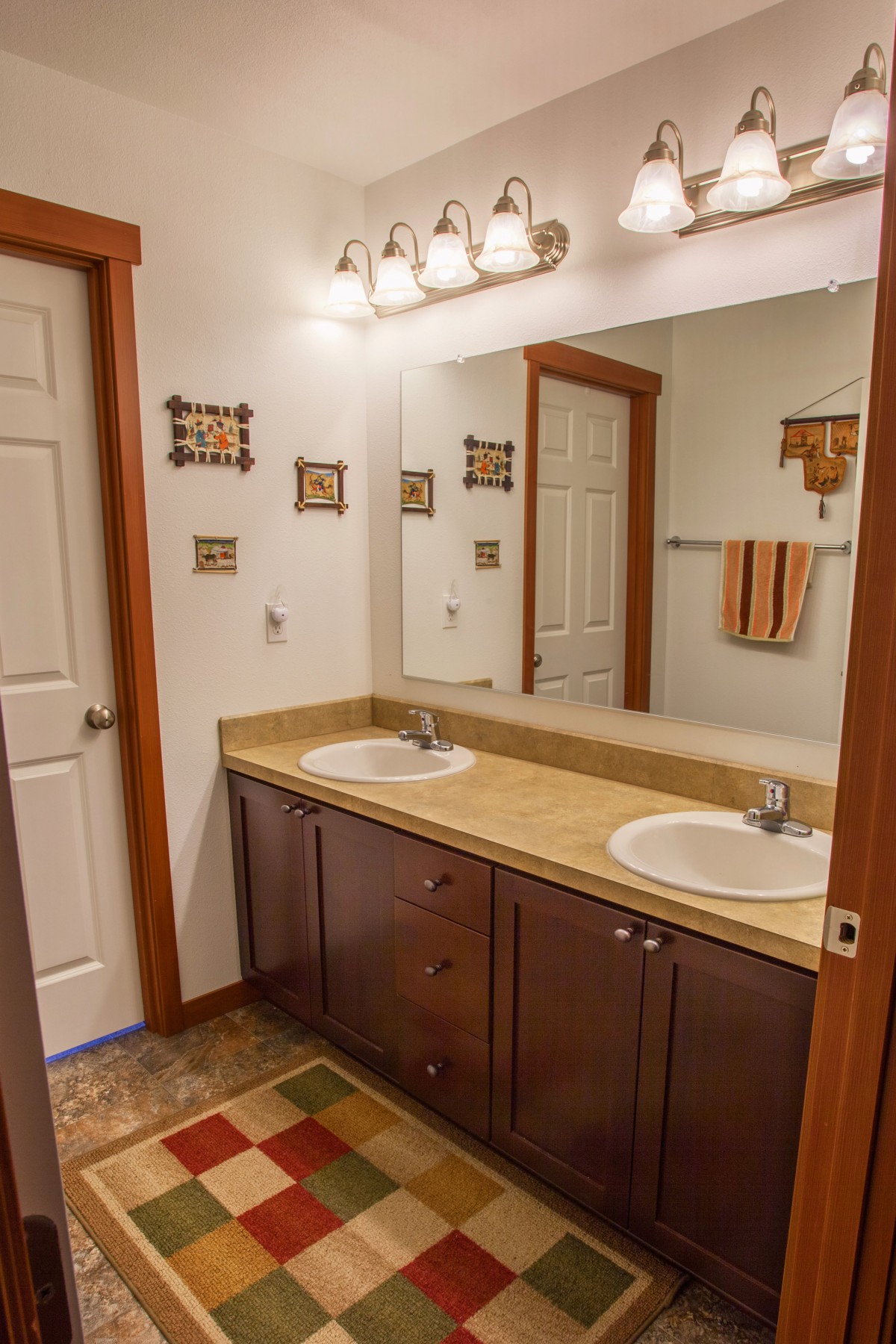
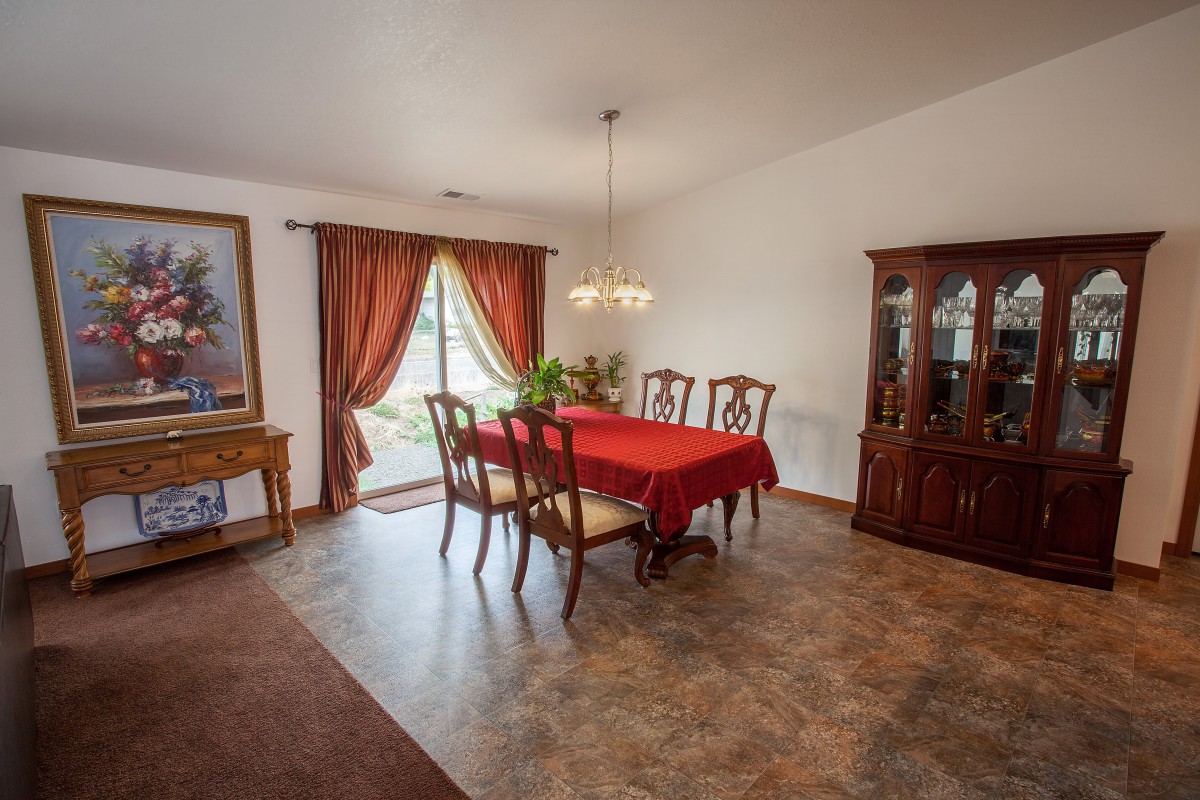
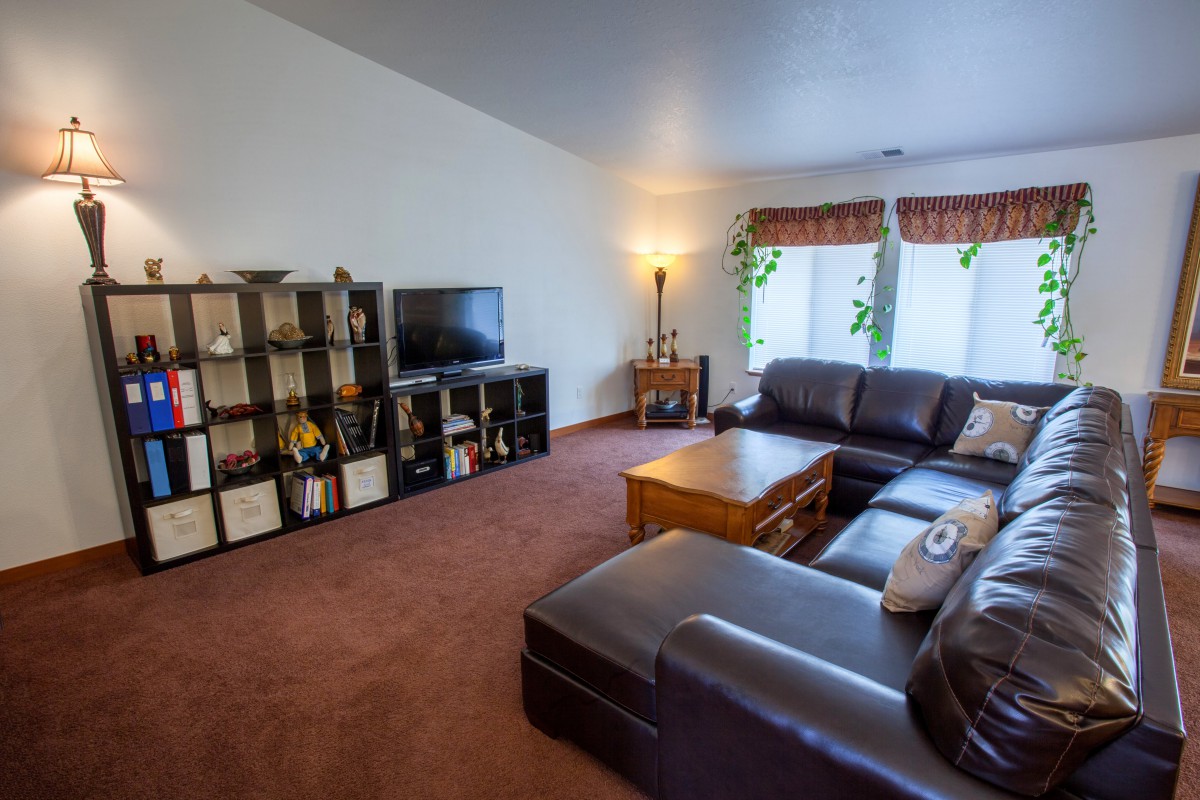
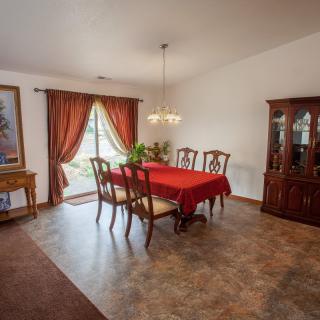
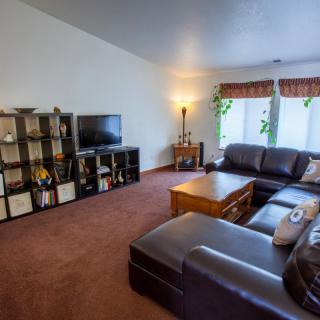
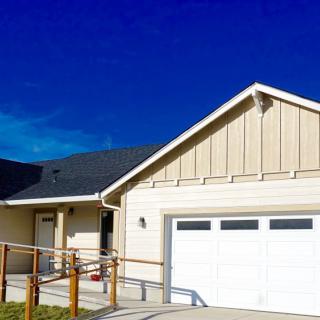
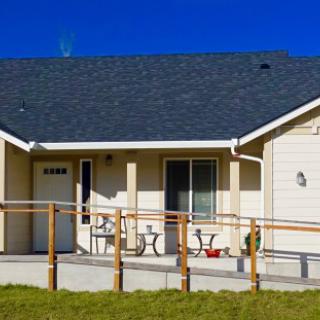
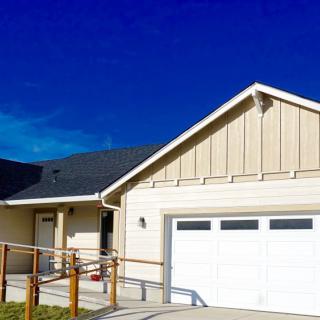
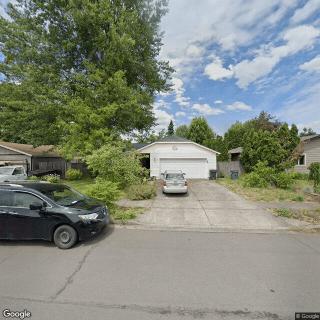
Best suited for seniors who want a warm, home-like setting rather than a cookie-cutter care campus, Arcadia Senior Care in Eugene operates as a small, residential option that feels more like family than facility. It is ideal for residents who thrive on daily companionship, consistent, hands-on attention from caregivers, and meals prepared in a home kitchen. The owners’ hands-on approach translates into steady staffing, visible involvement, and a culture of dignity and respect. Residents share private rooms in a bright, welcoming house, with TV, Wi-Fi, and space to personalize. Activities, outings, and social moments are woven into the week, and transportation is organized to keep participation practical. For families seeking continuity, warmth, and a sense of belonging, this community often rises above expectations.
Who may want to consider alternatives? Those whose loved ones require steady 24/7 medical nursing, aggressive rehabilitation, or specialized memory-care programming should compare options with larger campuses that offer on-site, round-the-clock clinical teams. Arcadia's model emphasizes home atmosphere and individualized attention within a residential home; while that translates into exceptional daily care, it may not deliver the breadth of medical supervision or structured clinical routines found in more traditional assisted living or skilled-nursing facilities. Families pursuing robust on-site therapy programs, hospital-grade equipment access, or highly controlled environments designed for advanced dementia symptoms may want to look at other options. Even for those chasing affordability, it is wise to verify which services are included and which carry extra charges.
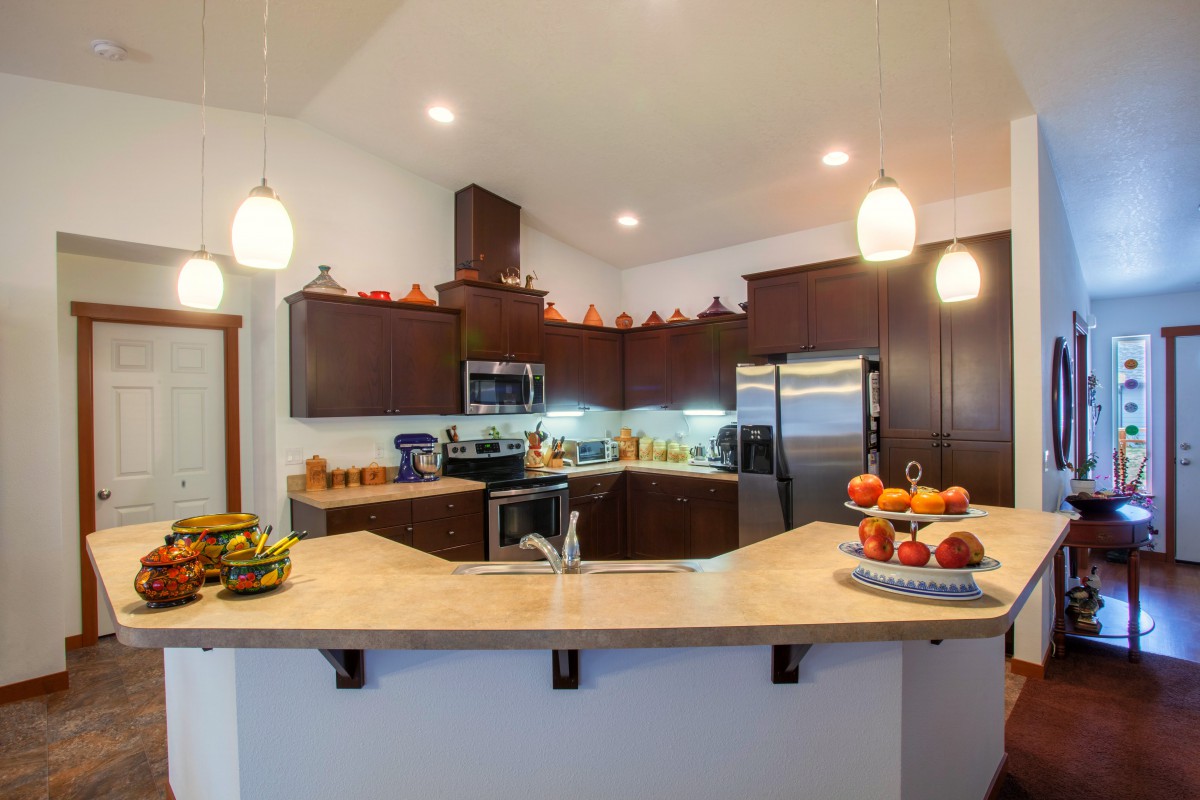
Key strengths begin with people who truly care. Caregivers Sasha and Tanya live on-site with residents, cook meals, and monitor each person’s needs with an attentive, family-like cadence. Clean, comfortable rooms with private space help preserve personal dignity, while the home setting reduces the clinical feel common in larger campuses. Meals are consistently described as home-cooked and flavorful, with accommodation for special diets. The atmosphere is consistently warm and respectful, and communication with families is open and kind. Residents frequently celebrate birthdays, enjoy occasional outings to restaurants or movies, and benefit from fresh air and outdoor time. The combination of intimate staffing, homelike routines, and a visible commitment to each person’s happiness underpins the high overall satisfaction.
Yet, a careful buyer should acknowledge potential constraints. The small-home model means fewer on-site specialists, limited memory-care infrastructure, and less formal medical programming than a larger facility. While transportation and activities are described as robust, there may be days when access to specialized therapies or nurse visits is less frequent than some families expect. For residents with complex medication regimens, frequent changes, or needs that demand constant skilled oversight, alternatives with dedicated nursing teams could feel more reassuring. The warmth and responsiveness address many concerns, but the absence of a clinical spine may require guardians to stay vigilant about evolving health needs and to plan for outside-provider support when required.
Nevertheless, the pros largely offset these considerations. The most compelling offset is the ability to deliver highly personalized care in a home that feels protective and comfortable. The owners’ ongoing involvement signals reliability, and staff turnover appears low, given the long-standing relationships with residents. The home-cooked meals and individualized dietary accommodations meet essential wellbeing needs, while daily routines and social moments foster belonging that institutional settings can struggle to achieve. Cleanliness and a bright, welcoming ambiance reassure families about safety and dignity. Regular family communication builds trust, ensuring that changes in health or preferences are discussed openly. In this context, Arcadia provides a compelling value proposition for families prioritizing emotional well-being and close-knit support.
Practical guidance for families: target Arcadia when a warm, intimate home environment is the priority, and medical complexity is not the sole driver of care decisions. Visit to observe daily interactions, test the meal quality, and note how caregivers respond to individual needs. Ask about current staffing patterns, what kinds of activities are typical, and how transportation is scheduled. If memory-care needs or intensive clinical oversight are present, benchmark against alternatives with deeper clinical resources. For many Eugene-area families, Arcadia offers a rare blend of dignity, affection, and practical support that keeps aging loved ones engaged and content. When the fit is right, this community delivers an experience that feels less like a service and more like a family invitation to live well.
 Board and Care Home
 Activities off-site
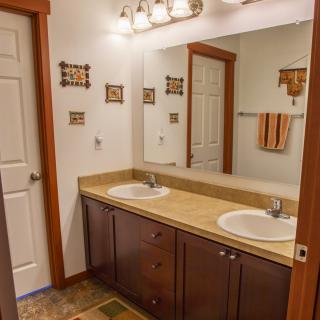
 Bath tubs
 Indoor common areas
 Outdoor common areas
 Private
 Respite or short term stays offered
 Mahlon Sweet (3 miles away)
 Diabetic care
 High acuity care
 Incontinence care
 Medication management
 Kosher
 Birthday parties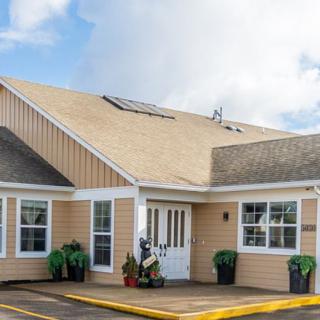
 Understanding the Nuances of Palliative Care and Hospice: A Comprehensive Exploration
 Fecal Incontinence in Older Adults: A Comprehensive Guide
 Recognizing the Journey: Understanding and Navigating Anticipatory Grief