For more information about senior living options: (866) 208-4318
3.9 from 41 reviews
5 stars
11
4 stars
20
3 stars
6
2 stars
3
1 stars
1
Evergreen Memory Care Costs & Pricing
Evergreen Memory Care offers specialized memory care services with pricing that reflects its commitment to quality and comprehensive support. The cost for a semi-private room at Evergreen is $6,995 per month, significantly higher than the Lane County average of $4,740 and the statewide average of $4,457. For those seeking a more private accommodation, a studio at Evergreen is priced at $7,495, which again surpasses the averages found in Lane County ($3,877) and across Oregon ($3,815). These higher costs may be attributed to the facility's enhanced care options and tailored programs designed specifically for individuals with memory-related challenges, ensuring that residents receive the attention and resources they need for their well-being.
Floor plans
Evergreen Memory Care
Lane County
Oregon
Semi-Private
$6,995
$4,740
$4,457
Studio
$7,495
$3,877
$3,815
Memory care communities with a similar price nearby
Caregivers and nurses are described as attentive and professional for residents.
Multiple residents and families describe floor staff, med-techs, and caregivers who are kind, engaged, and responsive to daily needs. Several comments also emphasize that staff take time to relate to residents and follow through with routine support. Even in reviews that note issues, families still contrast week coverage as professional and highlight the care team’s overall effort.
common7 reviews mention this
Activities support mental stimulation
Residents get regular mind-and-body engagement through structured activities.
Residents and families describe activities designed for stimulation, including exercise and opportunities for residents to stay active. Comments mention on-site activity programming and the chance to get out for walks when appropriate, including during times when families couldn’t visit. Some reviewers also point to faith-based elements and community gatherings, along with an activities calendar that includes live music and daily movement.
differentiator4 reviews mention this
Private apartments feel spacious
The community’s apartment layout is described as spacious and individual.
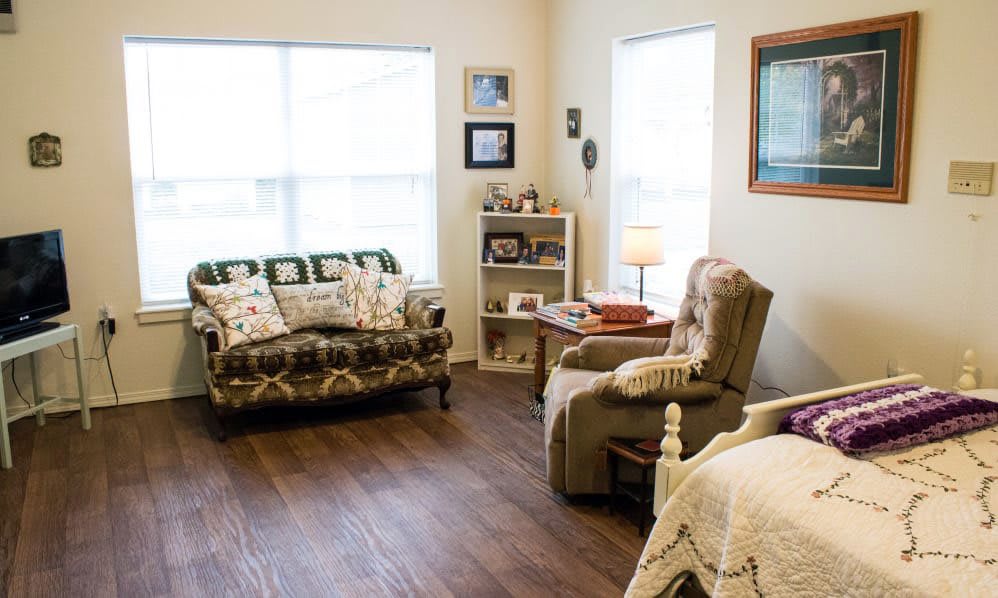
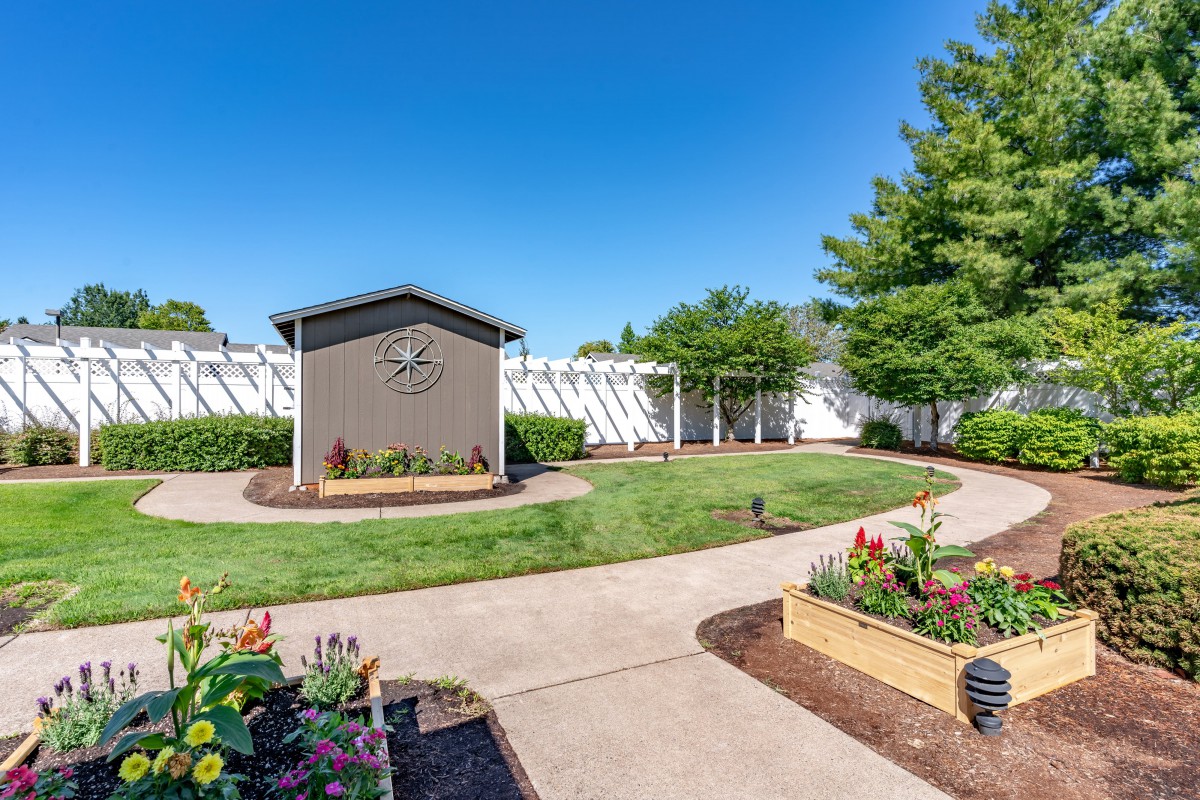
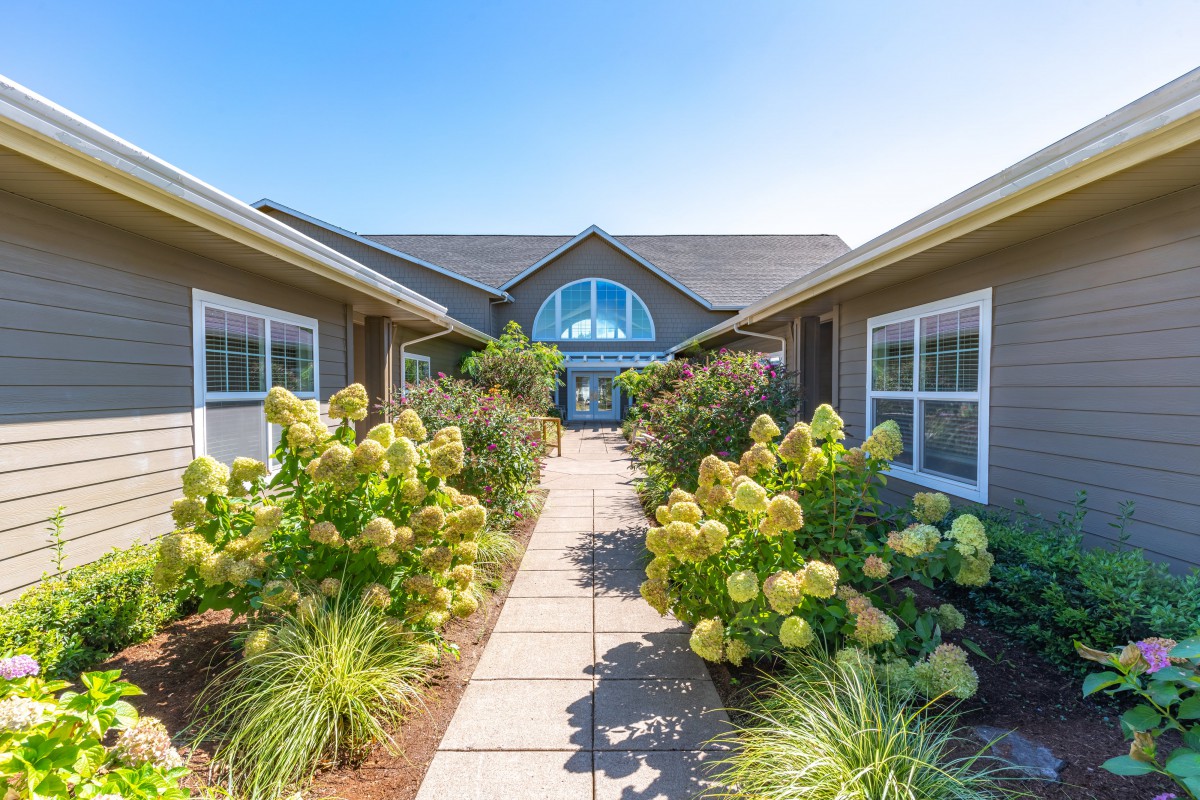
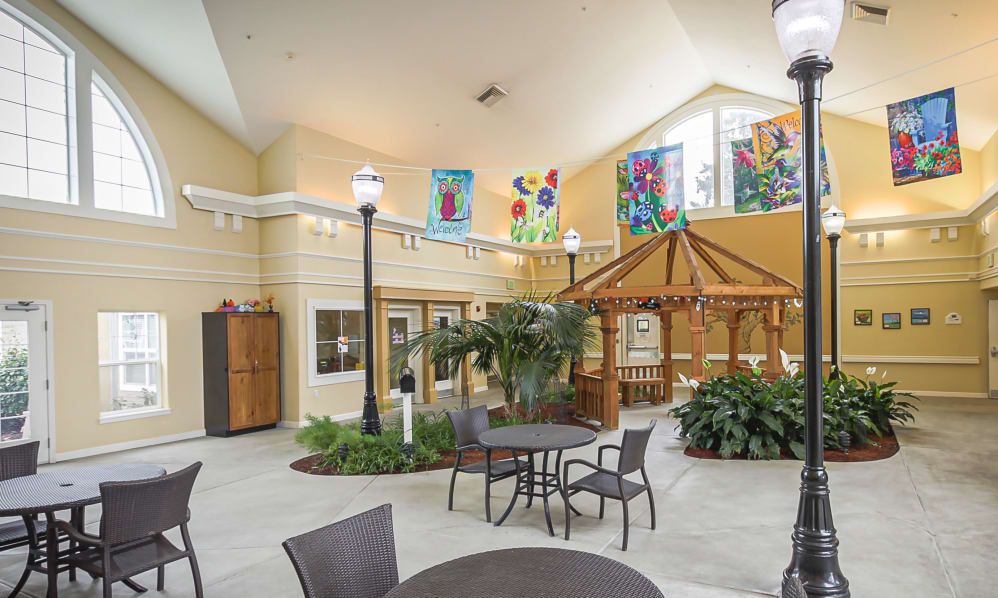
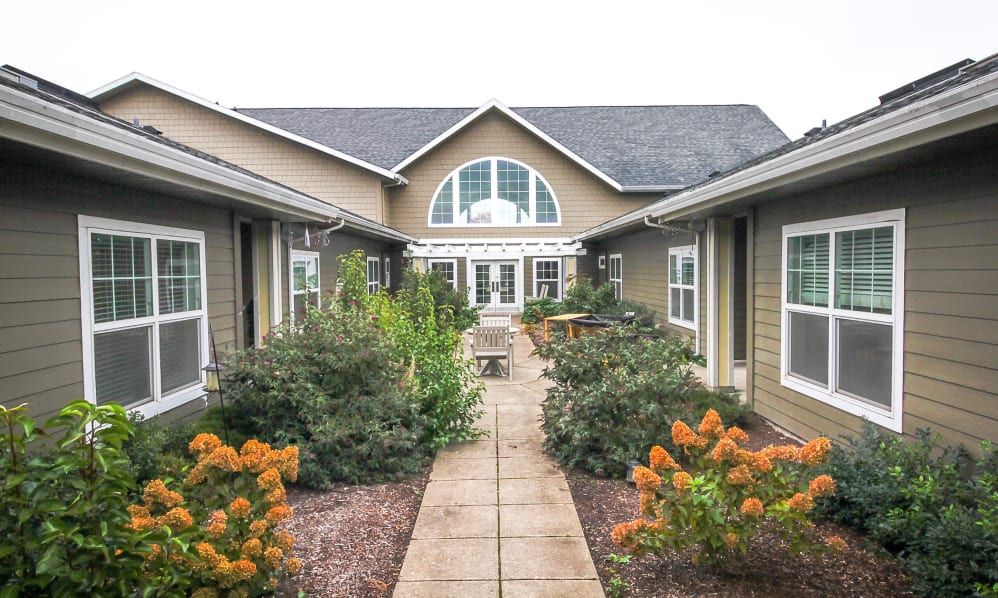
Reviewers highlight the layout as well-planned, with individual apartments and room to move around. Families specifically mention larger rooms compared with other communities they toured, as well as private-room preferences for dementia care. Several also describe the grounds and walkways as open and supportive for mobility and safe movement within the setting.
caveat2 reviews mention this
Cost comes up more than once
Pricing is described as expensive, especially depending on care needs and add-ons.
At least two reviewers call out that the community is expensive, with one noting higher cost tied to care needs. Another review adds that additional items can cost extra, so families should expect to budget for more than the base stay depending on what their loved one uses.
caveat2 reviews mention this
Communication about medical care varies
Some families report inconsistent communication around medical updates.
One reviewer describes conflicting information between med-techs and the nursing staff during an emergency, along with missed calls to family contacts. Another comment notes that communication isn’t always easy when trying to get questions answered, which can make it harder for families to feel fully informed. Both themes point to the same risk: medical clarity depends on how updates get handled day to day.
common2 reviews mention this
Close to familiar neighborhood providers
Families appreciate the community’s proximity to nearby medical options.
One family chose the community in part because it’s close to where they were already located and they were familiar with the neighborhood. Another review contextually reinforces convenience by focusing on ongoing care connections, supported by the presence of nearby physician and health services within a short drive.
How we summarize
Counts show how many written reviews mention each theme; a review can touch several themes, and only frequently mentioned themes are displayed.
Features
Housing
64 resident community capacity
Studio apartments
Types of Care
Memory Care
Pets
Cats allowed
Amenities
Activities off-site
Activities on-site
Air-conditioning
Beautician on-site
Beauty salon
Cable or satellite TV
Computer center
Devotional services off-site
Devotional services on-site
Dining room
Fitness room
Fully furnished
Gaming room
Garden
Housekeeping services
Indoor common areas
Kitchenette
Move-in coordination
Outdoor common areas
Outdoor space
Private bathrooms
Respite or short term stays offered
Restaurant-style dining
Small library
Telephone
Wellness center
Wheelchair accessible showers
Wi-Fi/high-speed internet available
Transportation
Mahlon Sweet (4 miles away)
Community operated transportation
Transportation arrangement
Transportation arrangement (non-medical)
Care Services
12-16 hour nursing
24-hour call system
24-hour supervision
Activities of daily living assistance
Ambulatory care
Assistance with bathing
Assistance with dressing
Assistance with transfers
Coordination with health care providers
Diabetes diet
Diabetic care
Incontinence care
Meal preparation and service
Medication management
Mental wellness program
Mild cognitive impairment
Special dietary restrictions
Specialized memory care programming
Transportation arrangement (medical)
Transportation to doctors appointments
Dining
Diabetes diet
Meals provided
Special dietary restrictions
Activities
Activities off-site
Activities on-site
Community-sponsored activities
Concierge services
Devotional activities offsite
Devotional activities on-site
Fitness programs
Holiday parties
Live musical performances
Planned day trips
Resident-run activities
Scheduled daily activities
Nearby Places of Interest
This part of Eugene, Oregon offers a convenient and accessible location for seniors looking to settle in a peaceful neighborhood. With several physicians, pharmacies, and healthcare facilities nearby, residents can easily access medical care and services. The abundance of parks such as Mangan City Park and Golden Gardens provide opportunities for outdoor activities and leisurely walks. There are also a variety of restaurants, cafes, and coffee shops within a short distance for dining options. Additionally, the presence of places of worship like Santa Clara Church caters to spiritual needs. Overall, this area combines convenience, amenities, and a tranquil environment making it an ideal choice for senior living in Eugene.
Physicians
PeaceHealth Medical Group (0.1 miles)
Oregon Medical Laboratories (0.1 miles)
Senior Health & Wellness Center (0.1 miles)
Shallice Hannah Mpt (0.2 miles)
Laurel Schwingel, DO (0.2 miles)
Mckenzie Medical Imaging Pc (1.9 miles)
Willamette Valley Mammography (1.9 miles)
Parks
Mangan City Park (0.3 miles)
Golden Gardens (1 miles)
Emerald Park (1.1 miles)
Candlelight park (1.5 miles)
Orchard Point Park (2.6 miles)
Maurie Jacobs Park (2.8 miles)
Skinner Butte Park (3.6 miles)
Restaurants
McDonald's (0.3 miles)
Prairie Schooner Tavern (1.3 miles)
Carl's Jr. (1.8 miles)
Taco Bell (2.1 miles)
Bagel Sphere (2.5 miles)
Taco Time (2.5 miles)
Jack In The Box (2.6 miles)
Cafes
Firehouse Coffee (0.3 miles)
The Better Living Room by Ninkasi Brewing (3.1 miles)
Evergreen Memory Care offers specialized memory care services with pricing that reflects its commitment to quality and comprehensive support. The cost for a semi-private room at Evergreen is $6,995 per month, significantly higher than the Lane County average of $4,740 and the statewide average of $4,457. For those seeking a more private accommodation, a studio at Evergreen is priced at $7,495, which again surpasses the averages found in Lane County ($3,877) and across Oregon ($3,815). These higher costs may be attributed to the facility's enhanced care options and tailored programs designed specifically for individuals with memory-related challenges, ensuring that residents receive the attention and resources they need for their well-being.
Evergreen Memory Care's comprehensive range of features ensures that residents receive the holistic support necessary for managing dementia and Alzheimer's disease effectively. The 24-hour supervision fosters a secure environment where staff can promptly address any needs or emergencies. Assistance with activities of daily living, including bathing, dressing, and transfers, promotes dignity and independence while ensuring personal hygiene and comfort. Coordination with healthcare providers enhances overall well-being by facilitating medical care tailored to individual needs, while incontinence care provides essential dignity and respect during challenging moments. Meal preparation is thoughtfully managed to accommodate dietary requirements, further promoting health. Medication management safeguards against potential errors, ensuring residents receive their prescribed treatments on time. Additionally, the mental wellness program alongside specialized memory care programming offers cognitive stimulation through engaging activities designed specifically for those with mild cognitive impairment or advanced conditions. Finally, transportation arrangements for medical appointments facilitate continuity of care without adding stress for families or residents themselves. This integrated approach culminates in a nurturing atmosphere that prioritizes both safety and quality of life for individuals facing memory challenges.
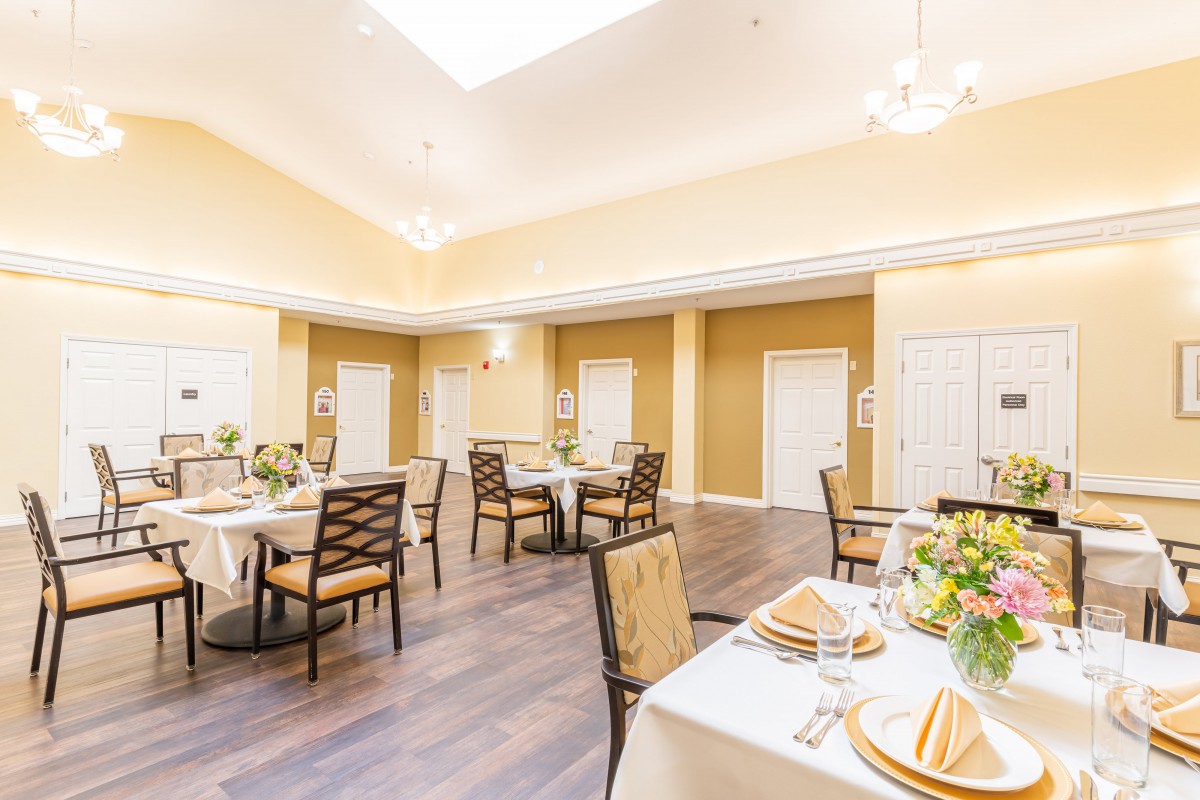
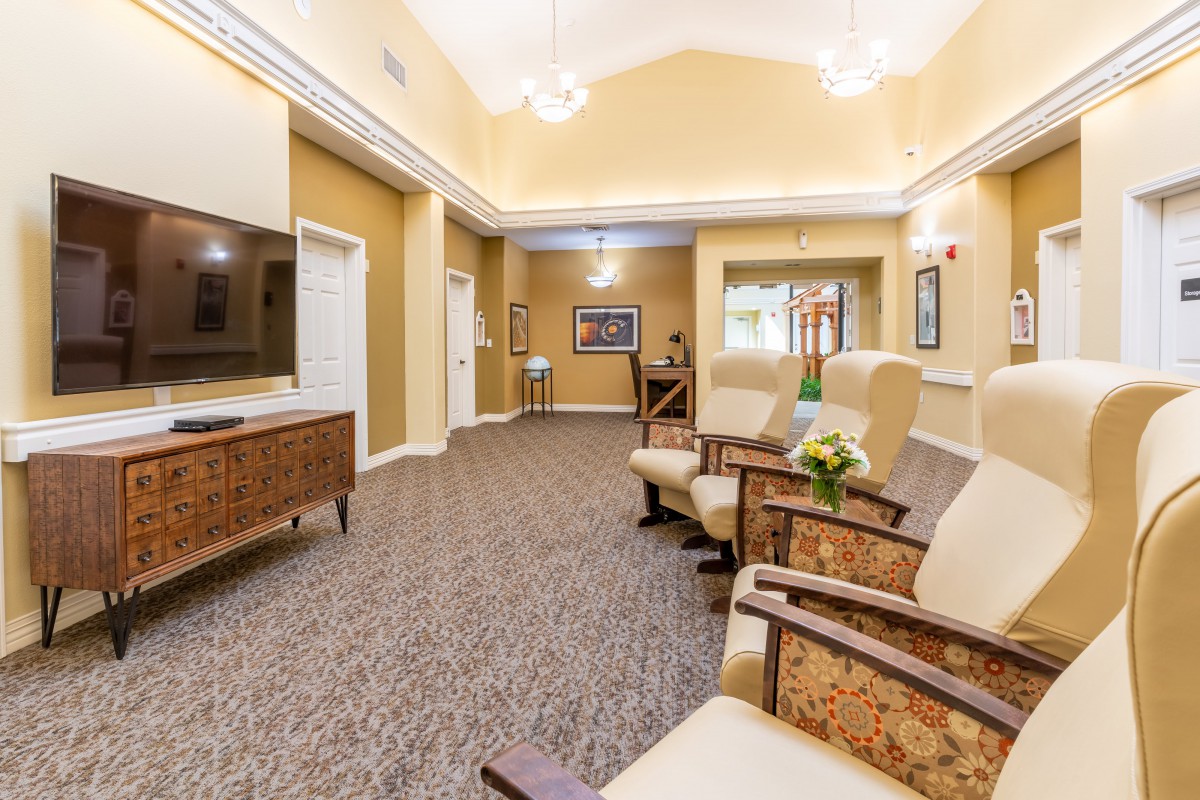
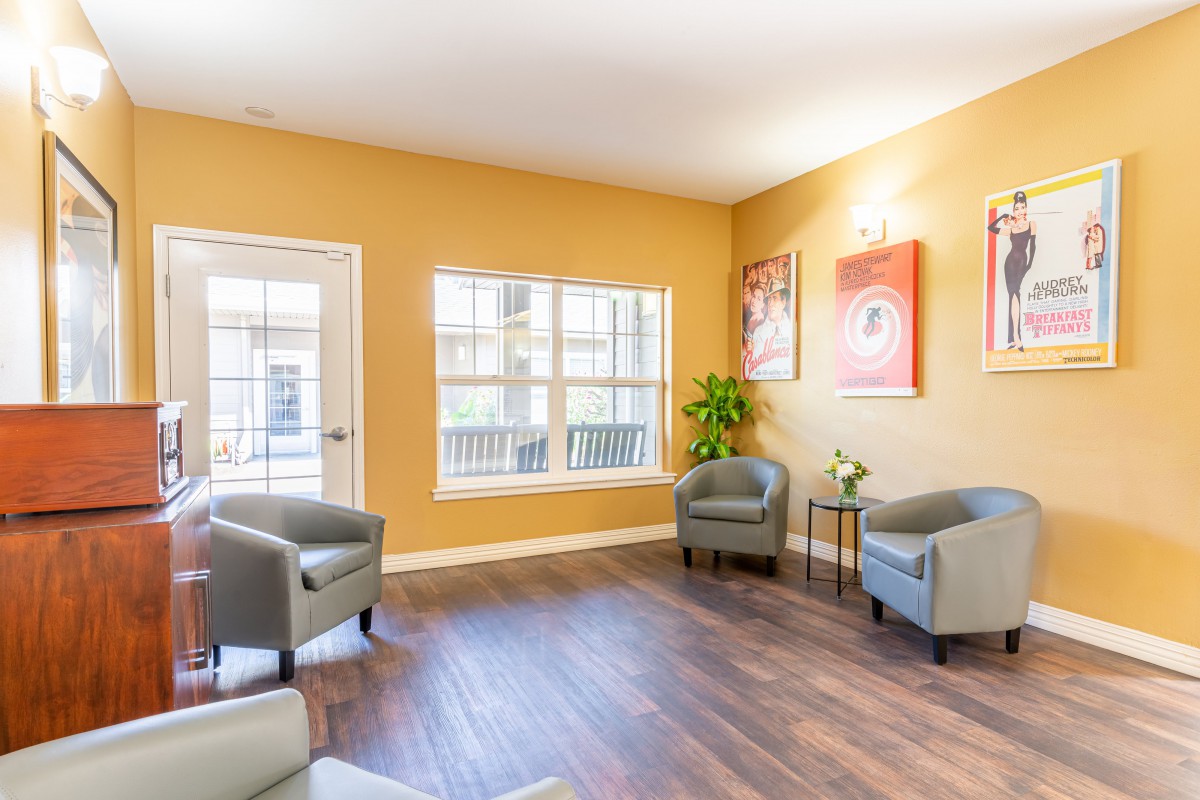
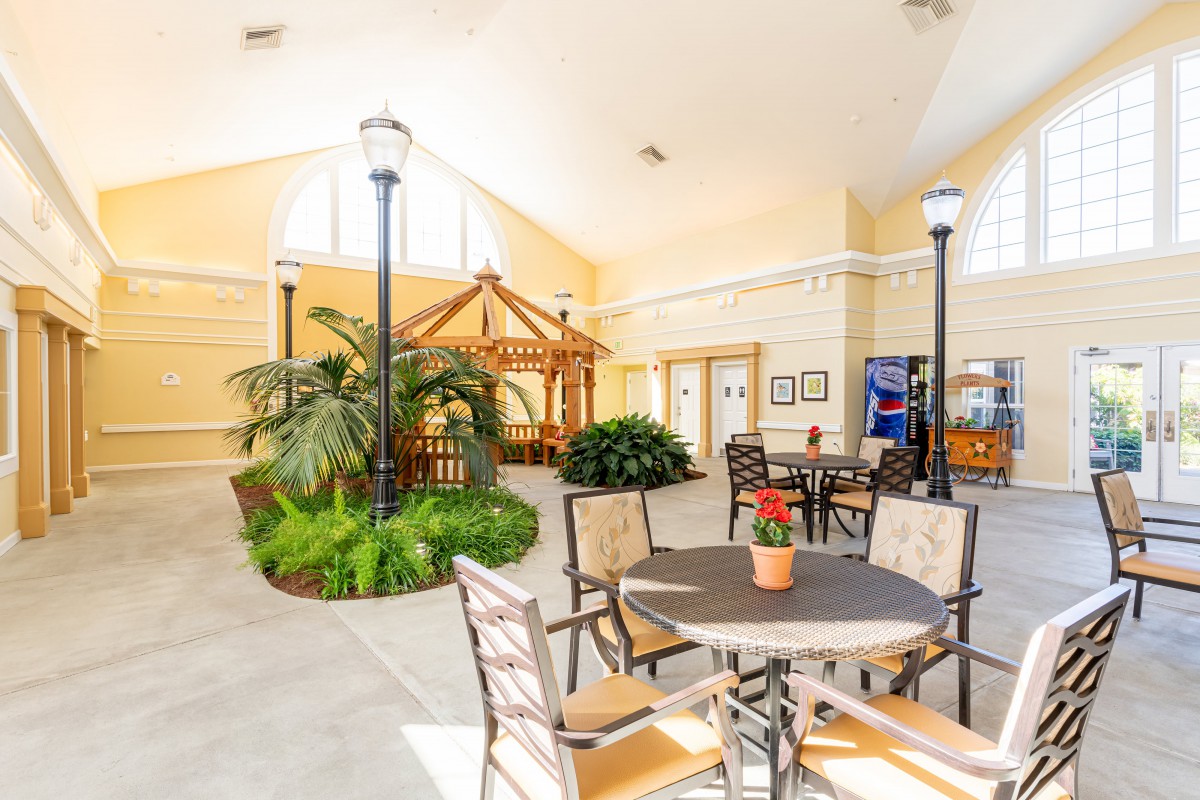
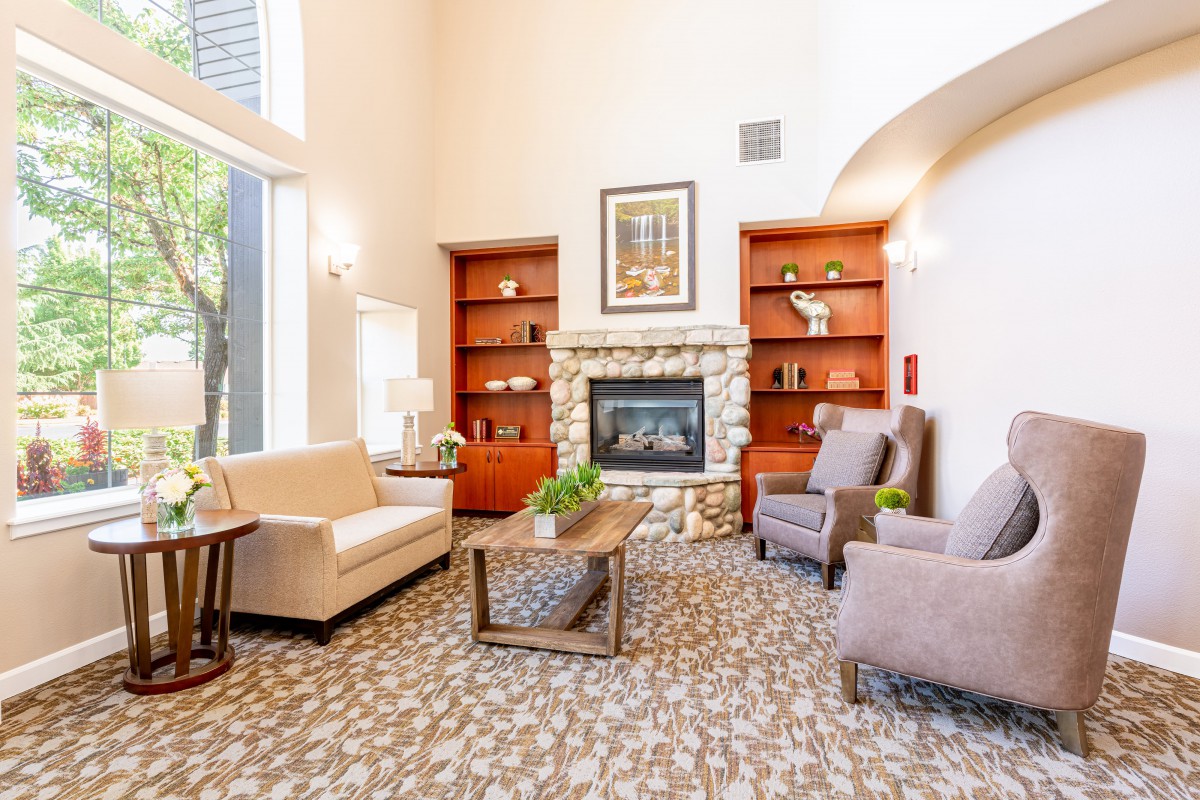
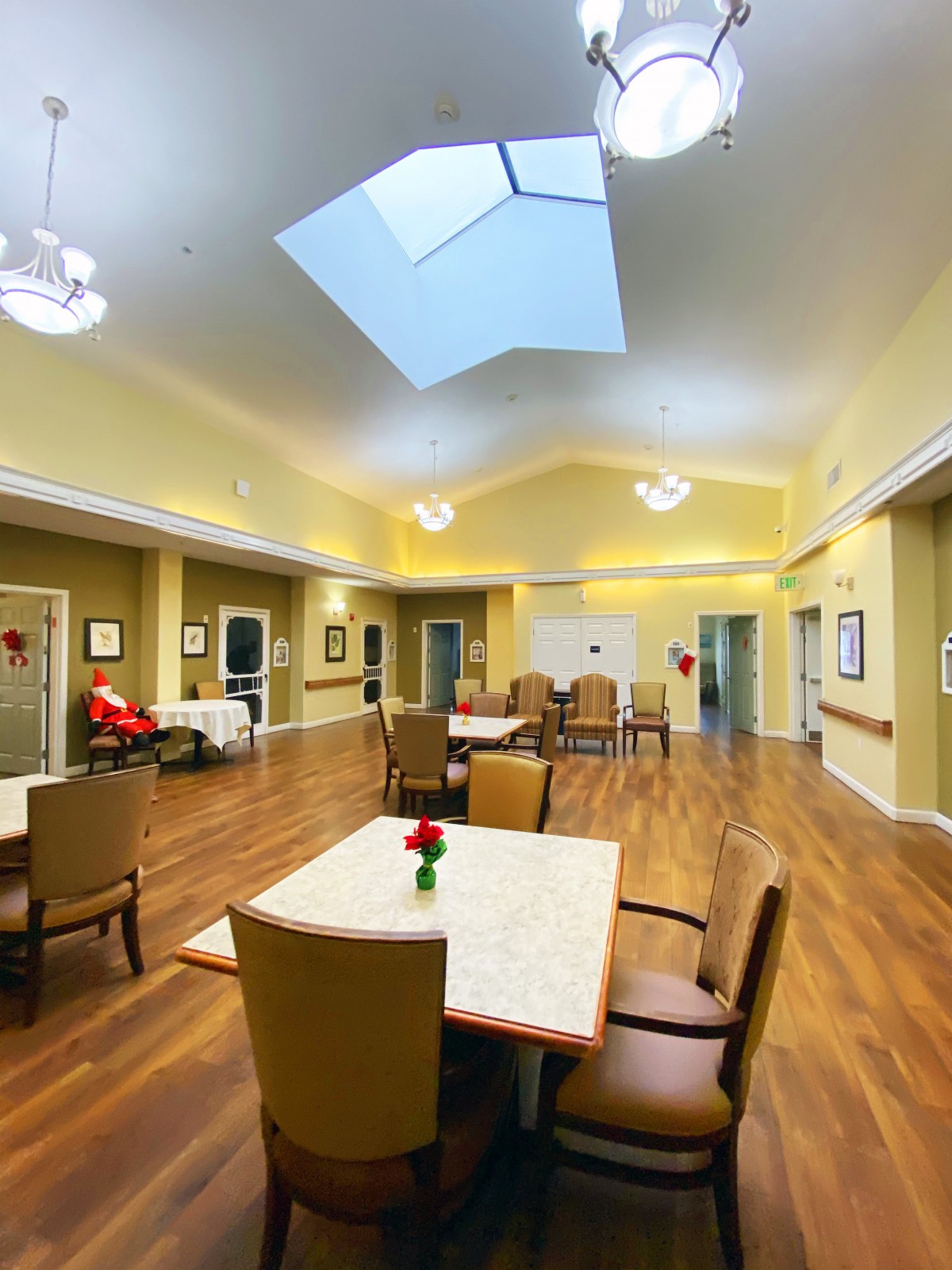
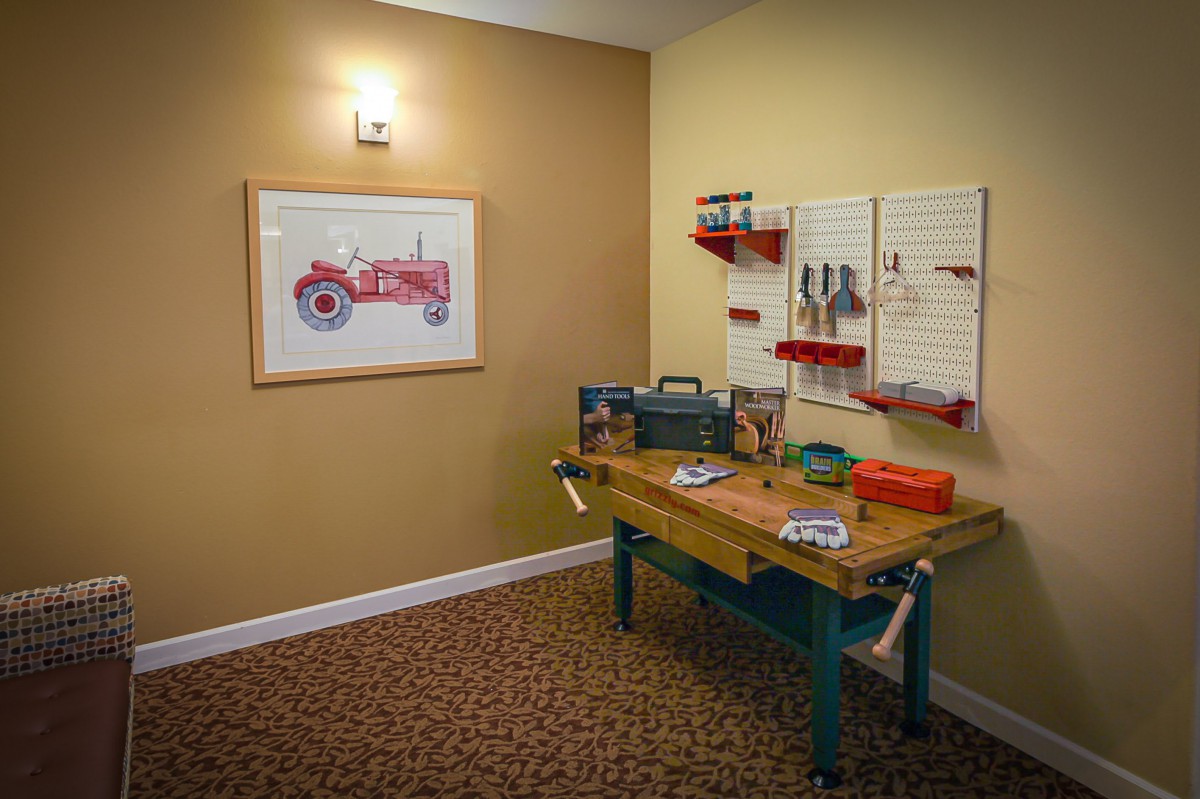
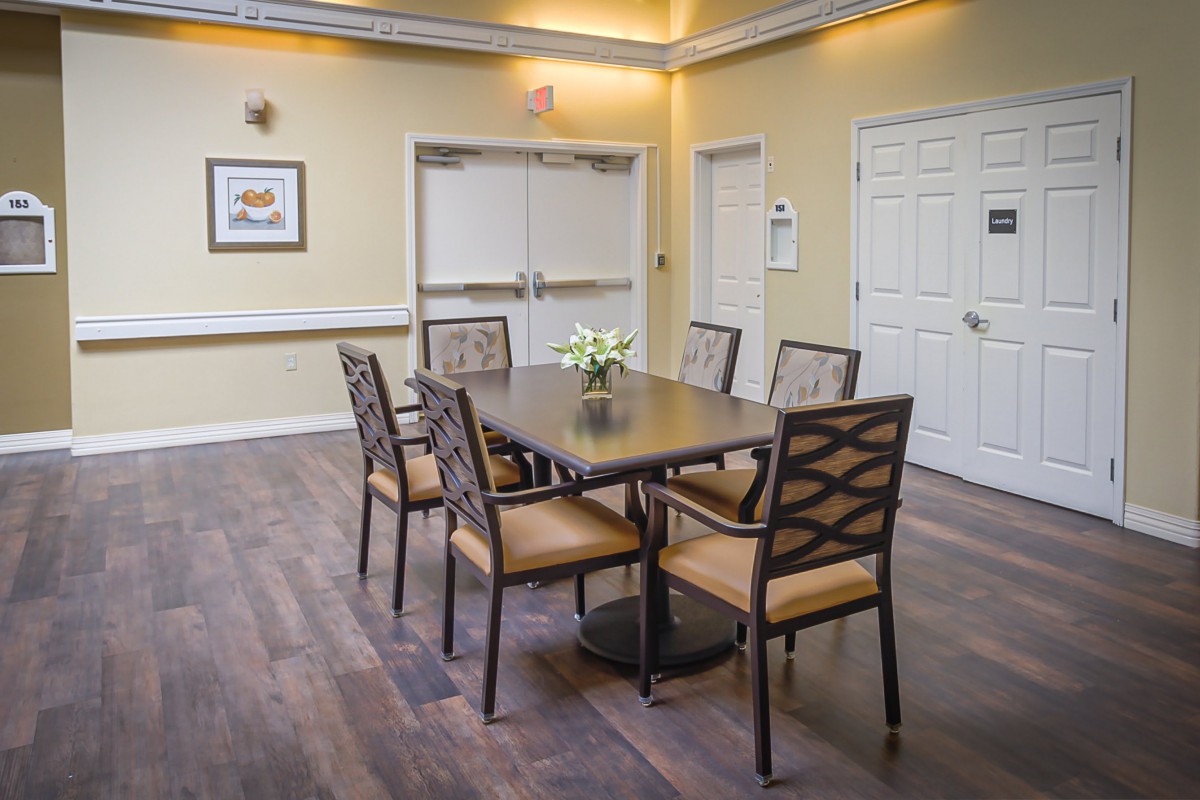
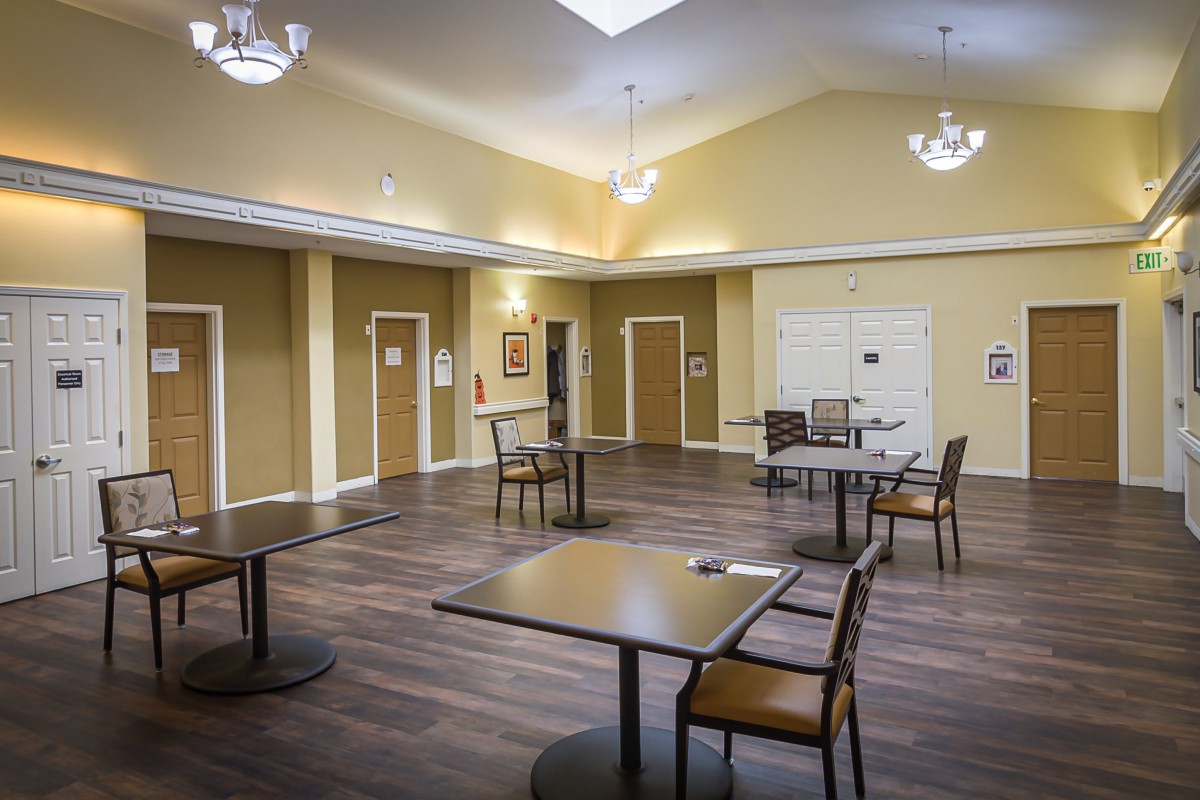
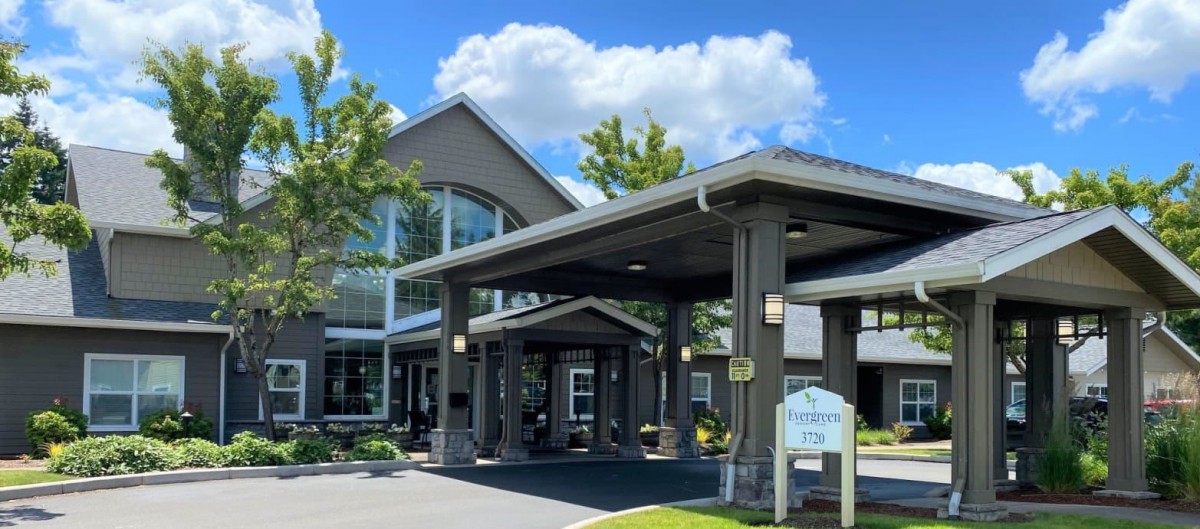
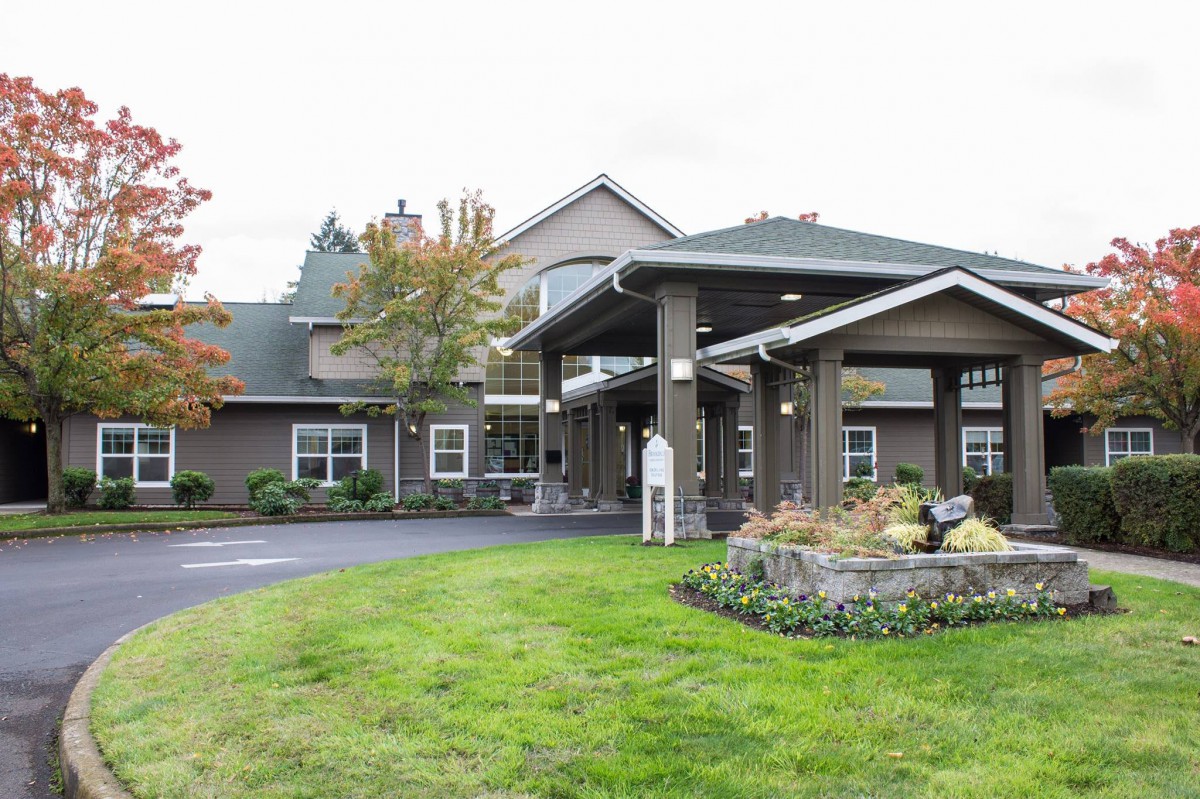
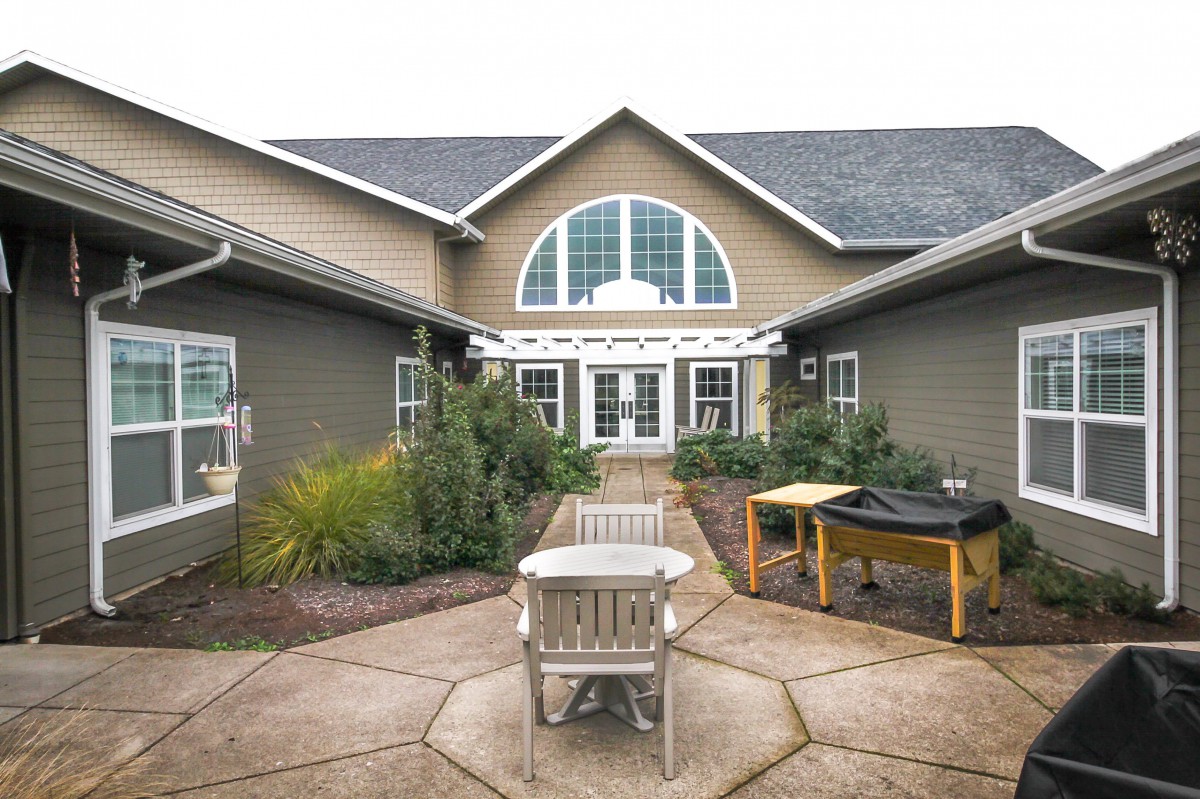
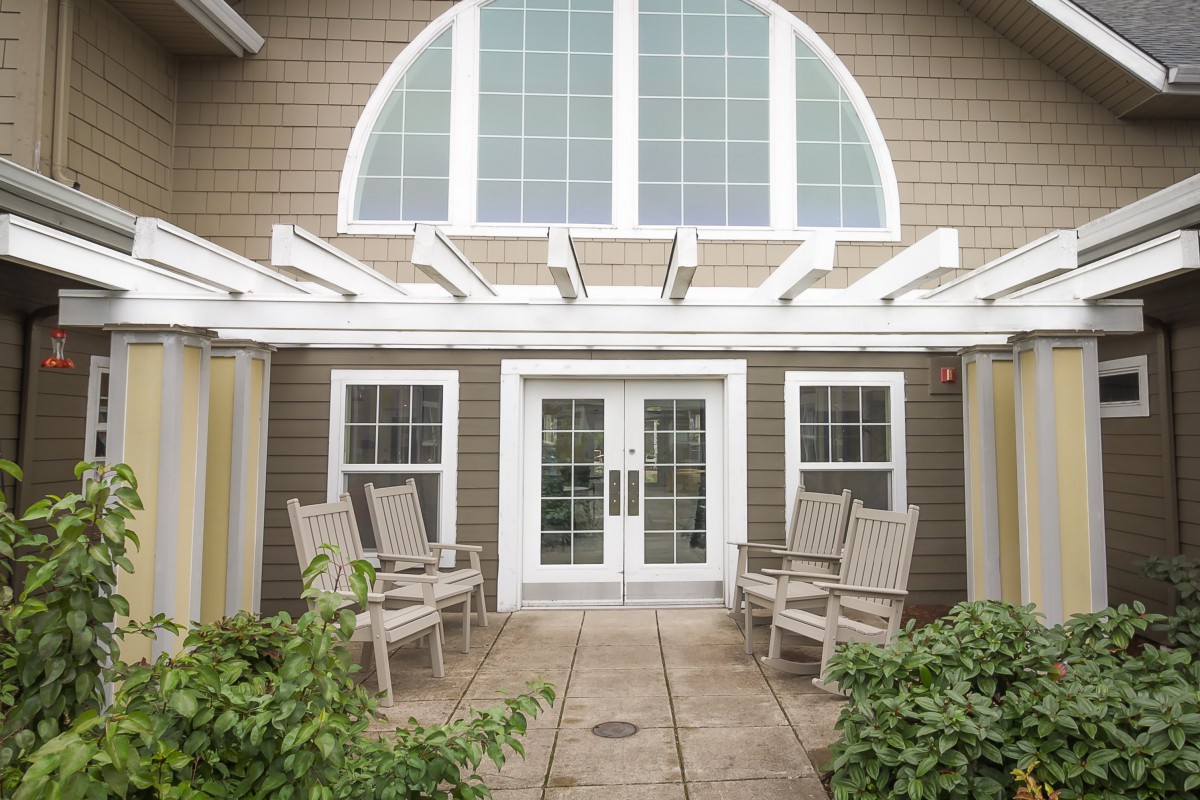
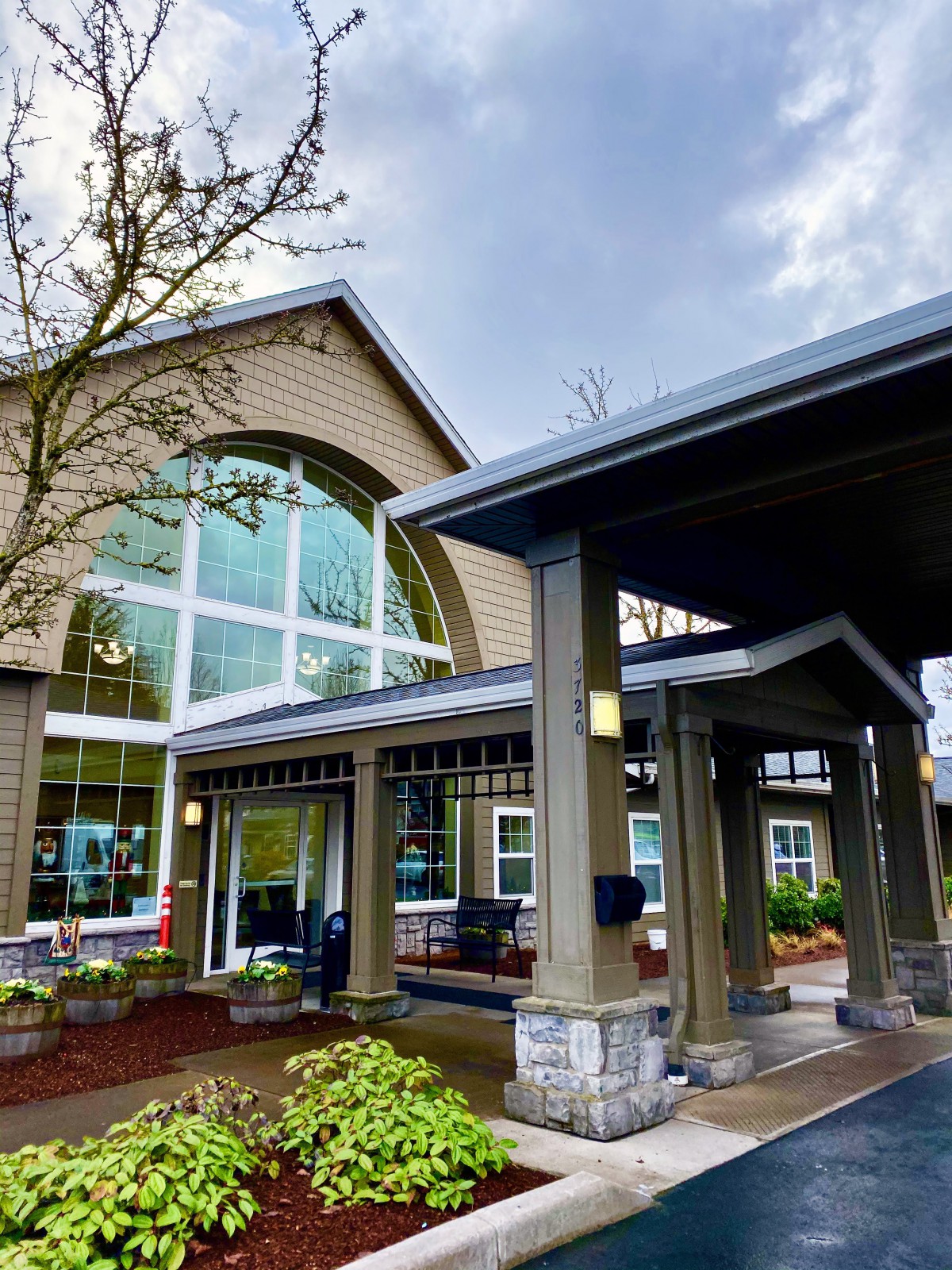
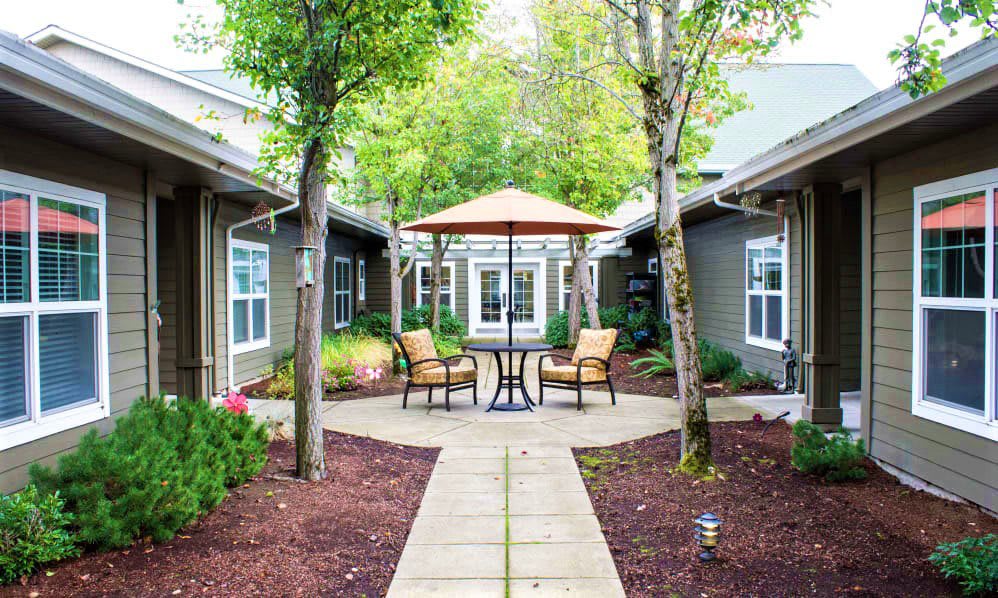
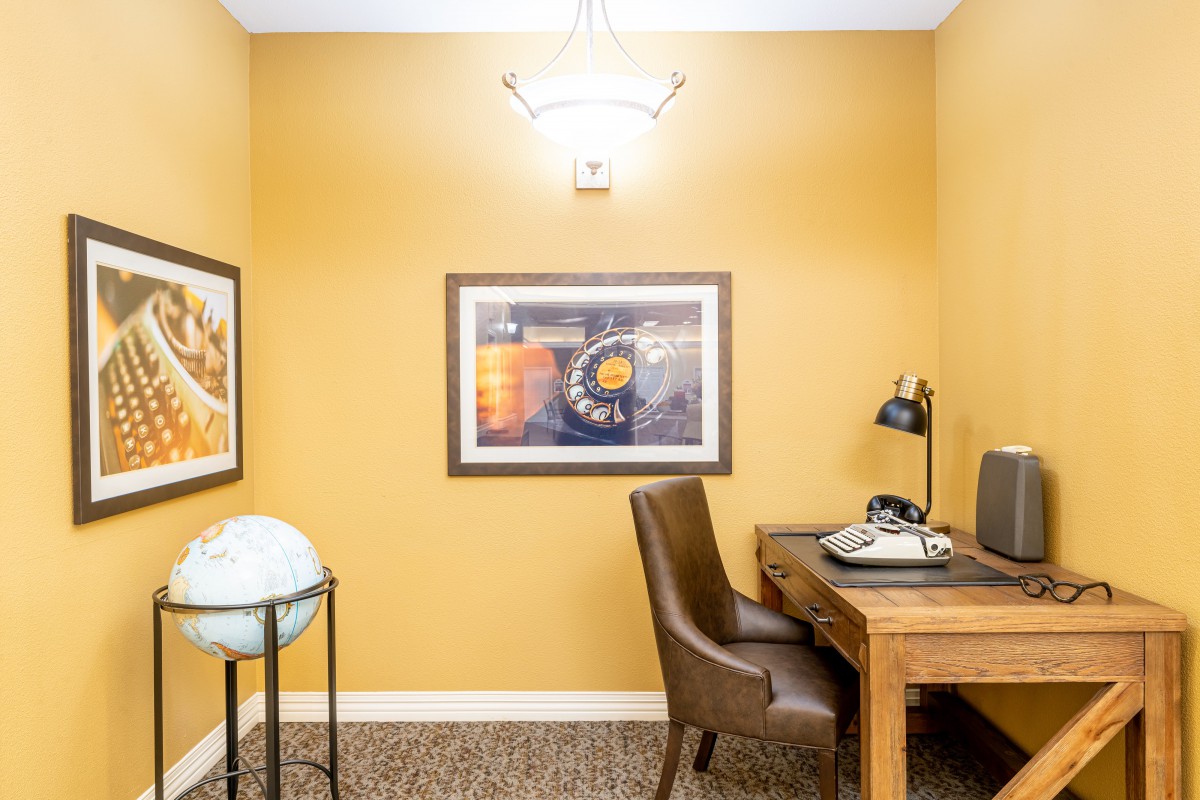
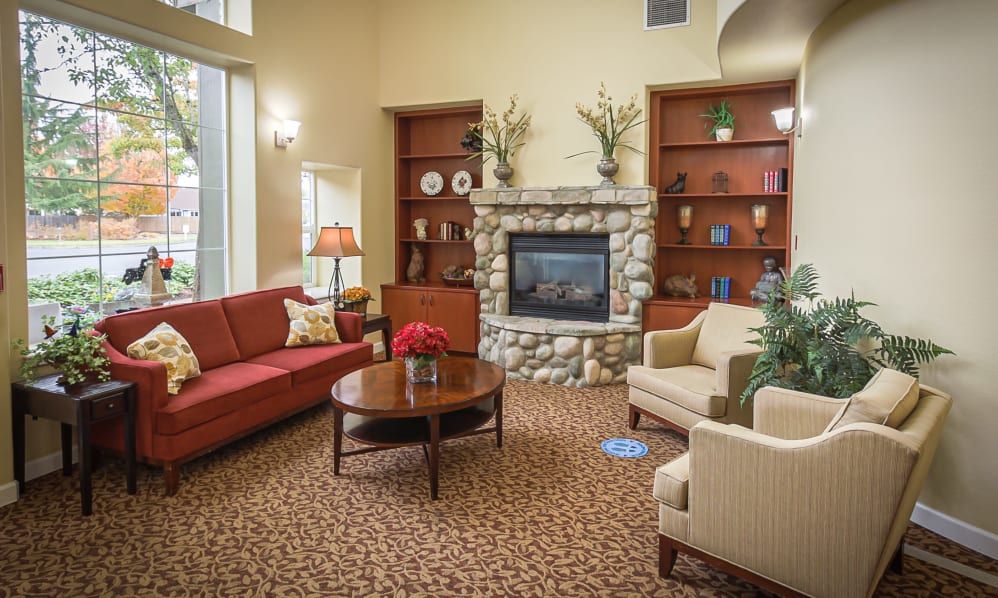
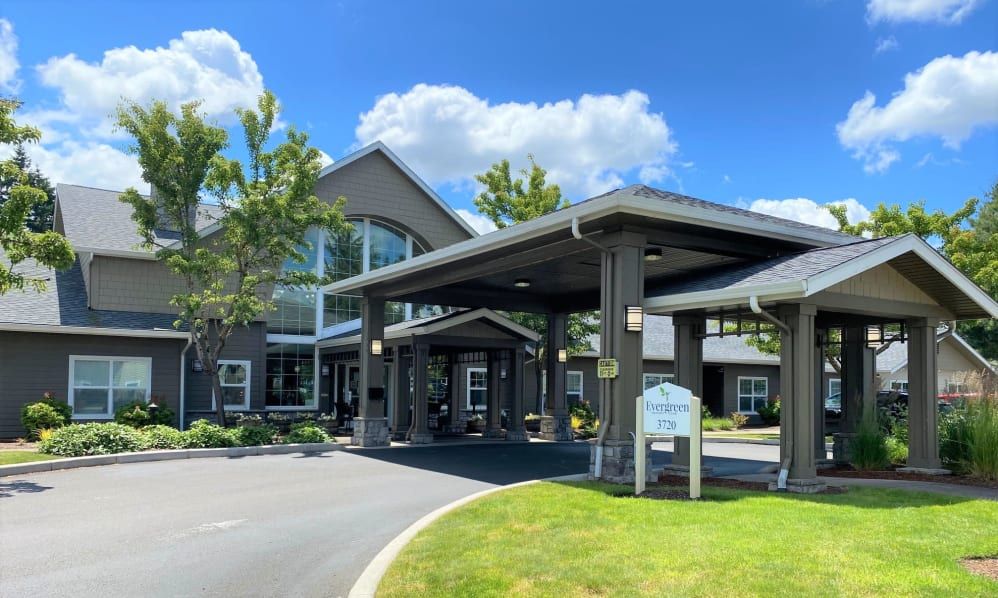
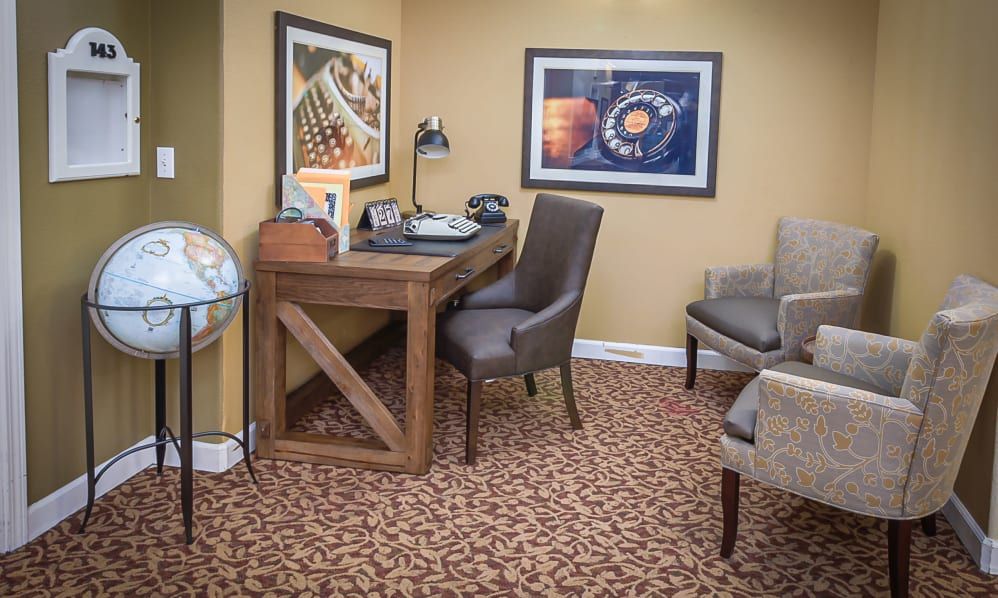
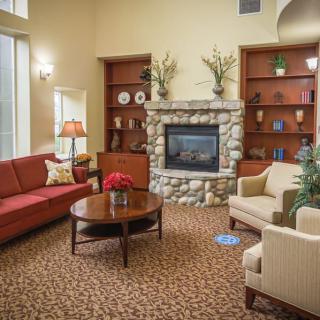
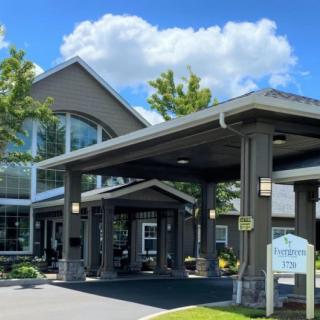
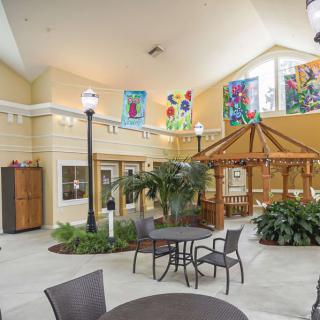
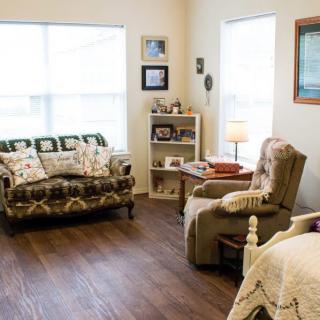
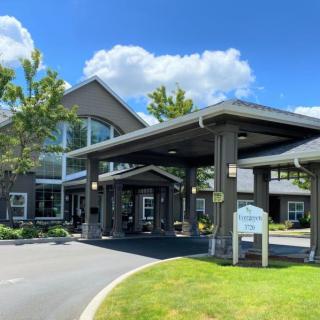
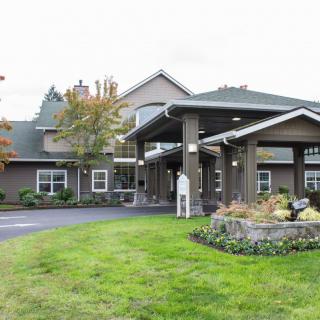
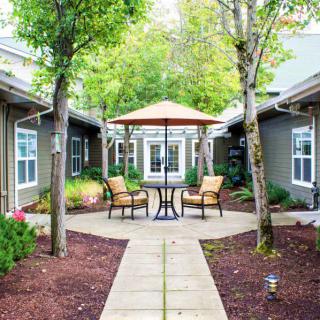
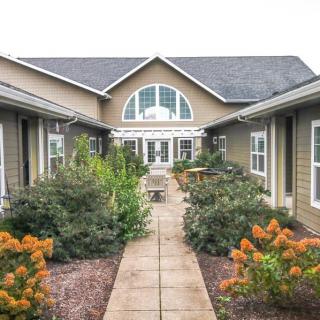
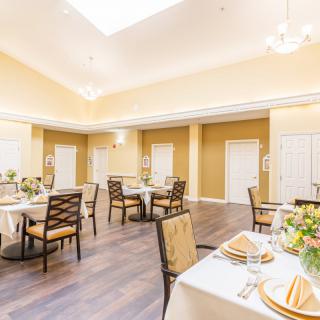
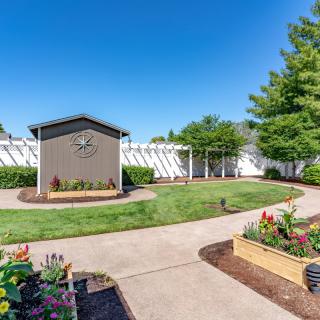
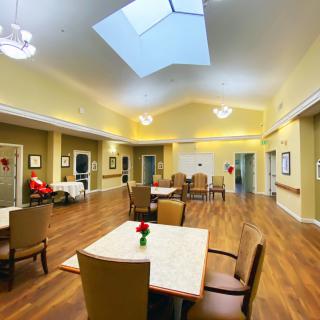
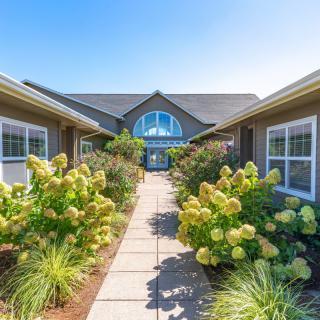
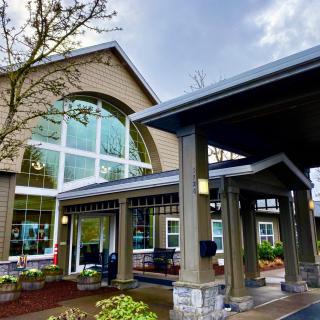
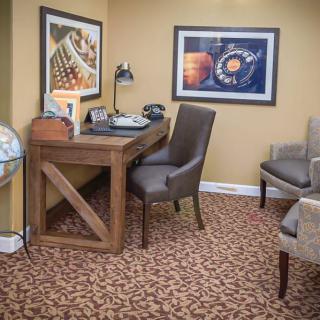
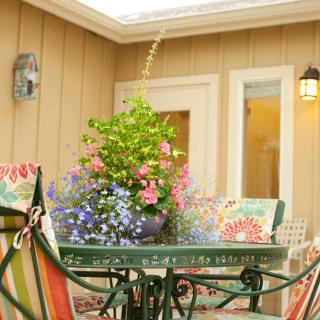
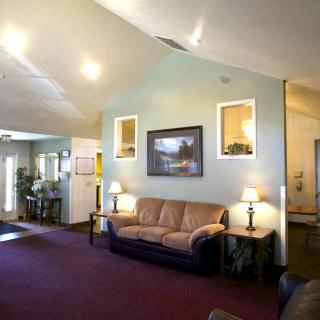
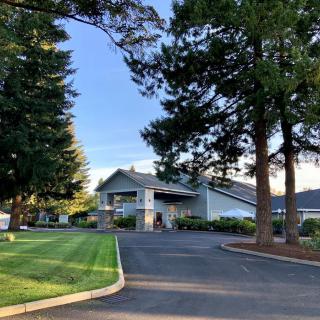
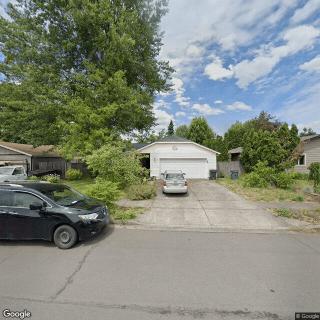
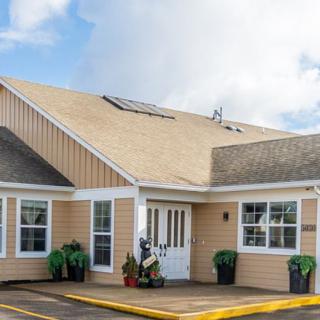
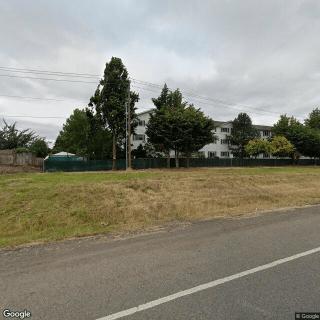
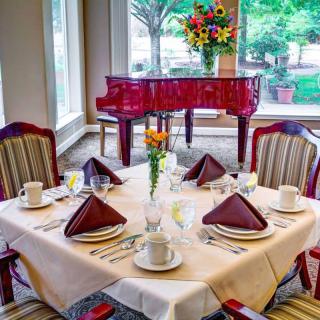
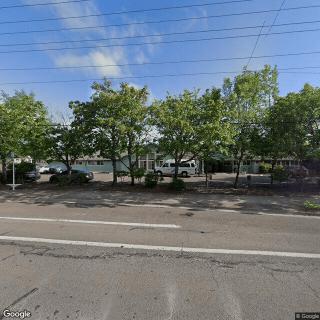
Evergreen Memory Care on seniors.fyi includes 25 photos including images showing interior, architecture, landscaping, seating area, decor, building, garden, windows, and more.
Nearby Communities
Evergreen Senior Living
Eugene, OR
4.2 from 82 reviews
Friendly, responsive staff with well-kept facilities and an engaging activities/dining program.
Landsby Place
Eugene, OR
1.8 from 17 reviews
Cozy 55+ apartments that fit residents' needs.
Solvang Retirement
Eugene, OR
4.6 from 55 reviews
$1,625 to $2,400 / month
Friendly staff with a strong sense of community and restaurant-quality dining.
Crescent Moon
Eugene, OR
5 from 1 review
Great access to nearby amenities and healthcare.
Hawthorne Park
Eugene, OR
4.7 from 18 reviews
Excellent access to dining, parks, healthcare, and transportation nearby.
Oaktree Residential Living
Eugene, OR
5 from 27 reviews
Small, intimate setting enables highly personalized care with attentive staff.
Terpening Terrace
Eugene, OR
4.3 from 29 reviews
$1,487 to $2,200 / month
Clean, well-maintained apartments with on-site activities, transportation, and a convenient location.
Lone Oak Assisted Living
Eugene, OR
4.3 from 48 reviews
$5,145 to $6,075 / month
Motivated, kind staff in a clean, well-designed facility.
Holly Residential Care Center
Eugene, OR
4.6 from 15 reviews
Restaurant-style dining with diabetes care and 24/7 supervision.
Vibrant Senior Living emphasizes active senior living communities that promote independence and engagement through diverse amenities and activities, fostering wellness and social interaction among older adults. These communities range from independent to assisted living, with a focus on personal growth, family involvement, financial planning, and leveraging technology to enhance residents' experiences.
Assisted living provides moderate support for seniors seeking independence, while memory care offers specialized support for individuals with dementia or cognitive impairments through structured routines and trained staff. Key differences include care approaches, environment security measures, staff training levels, activity types, and cost considerations.
Choosing between assisted living and nursing homes involves evaluating emotional and financial factors, with assisted living offering independence and support for daily activities at a lower cost, while nursing homes provide intensive medical care for individuals with significant health needs. The decision is influenced by personal preferences, health status, cognitive function, and varying Medicaid coverage across states.
Get PricingAsk A QuestionSchedule A TourContact Senior Advisor
By clicking submit, you agree to our Partner's Terms of Use. You
also consent to receive calls and texts, which may be autodialed, from our Partner. Your consent is not a condition to
using our Partner's service. Please visit our Partner's Privacy Policy for information about their privacy practices.

 64 resident community capacity
 Studio apartments
 Memory Care
 Cats allowed
 Activities off-site
 Air-conditioning
 Beautician on-site
 Cable or satellite TV
 Computer center
 Devotional services off-site
 Dining room
 Fitness room
 Fully furnished
 Gaming room
 Garden
 Housekeeping services
 Indoor common areas
 Kitchenette
 Move-in coordination
 Outdoor common areas
 Private bathrooms
 Respite or short term stays offered
 Restaurant-style dining
 Small library
 Telephone
 Wellness center
 Wheelchair accessible showers
 Wi-Fi/high-speed internet available
 Mahlon Sweet (4 miles away)
 Community operated transportation
 12-16 hour nursing
 24-hour call system
 Ambulatory care
 Assistance with bathing
 Assistance with dressing
 Assistance with transfers
 Diabetes diet
 Diabetic care
 Incontinence care
 Medication management
 Mental wellness program
 Special dietary restrictions
 Transportation arrangement (medical)
 Concierge services
 Holiday parties
 Live musical performances
 Planned day trips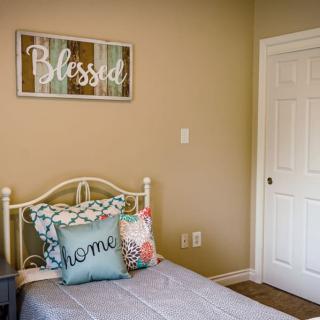
 Friendly, responsive staff with well-kept facilities and an engaging activities/dining program.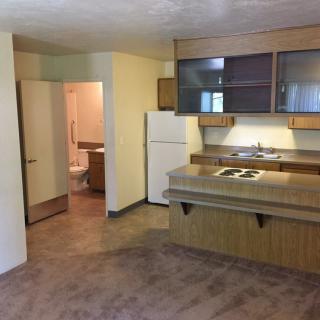

 Vibrant Senior Living: A Comprehensive Guide for Active Older Adults
 Assisted Living and Memory Care: Understanding Their Core Differences
 Choosing the Right Senior Care: A Detailed Exploration of Assisted Living and Nursing Homes