Dallas Retirement Village offers competitive pricing for its accommodations compared to broader market trends in Polk County and the state of Oregon. For a studio apartment, residents pay $1,225 monthly, which is significantly lower than the county average of $4,304 and the state average of $3,815. The one-bedroom option at Dallas Retirement Village costs $1,420, again presenting a more affordable alternative to Polk County's average of $3,458 and Oregon's average of $3,904. Even for two-bedroom units, priced at $1,595 per month, the costs remain attractive when juxtaposed with Polk County's higher figure of $2,662 and Oregon's peak of $4,436. These cost-effective options make Dallas Retirement Village an appealing choice for those seeking quality living arrangements without the financial strain often associated with senior housing in the region.
Floor plans
Dallas Retirement Village
Polk County
Oregon
Studio
$1,225
$4,304
$3,815
1 Bedroom
$1,420
$3,458
$3,904
2 Bedrooms
$1,595
$2,662
$4,436
Overall Review of Dallas Retirement Village
differentiator8 reviews mention this
Memory care support stands out
Memory care is described as patient, supportive, and focused on daily engagement.
Residents and families describe memory care staff and volunteers as patient and caring, including during repetitive questions and moments of confusion. Several reviews say loved ones were able to thrive in the memory care setting, with support that helps them stay connected and calm. Families also mention structured activities tied to the memory care routine, including weekly events and time outdoors.
differentiator14 reviews mention this
Dining is restaurant-style
Dining is consistently described as restaurant-style with variety and flexible choices.
A recurring theme is food that feels satisfying and varied, with residents and families talking about breakfast, lunch, and dinner choices. Multiple reviews mention restaurant-like dining rooms and a social atmosphere where people meet others while eating. Some note specific dietary needs being accommodated, while one review raises occasional concerns about food temperature and smell, and a separate note mentions lunch being off at times.
common12 reviews mention this
Activities fill the calendar
Life here centers on daily activities, classes, and outings.
Many reviews describe a packed mix of activities, including exercise classes and wellness-focused routines, plus games and group entertainment. Families also mention scheduled outings and day trips, and some residents describe choosing their level of involvement. A few reviewers also credit activity programming for helping residents adjust after a move or during difficult transitions.
common20 reviews mention this
Staff responsiveness is a focus
Staff are frequently described as attentive, kind, and quick to respond to needs.
Across many reviews, families and residents highlight friendly, caring staff who communicate well and help with day-to-day support. Several mention quick follow-through when something is needed, from settling after arrival to addressing concerns or care questions. While most feedback centers on warmth and competence, one review is a clear negative outlier about staffing levels and management, which residents should weigh alongside the largely positive reports.
common4 reviews mention this
Outdoor setting and nearby park
The campus supports outdoor walking, gardening, and time outdoors.
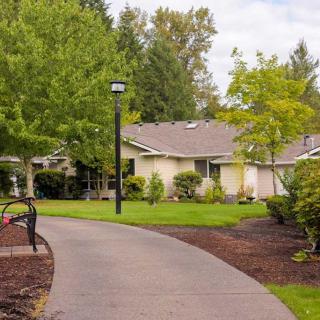
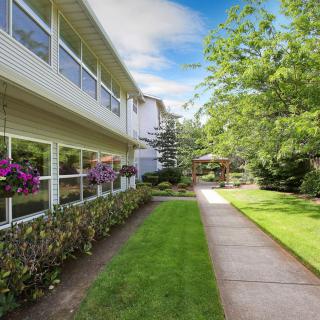
Residents describe outdoor walking paths and a setting with lawns and greenery, along with spaces that make it easy to get outside even when weather changes. A couple of reviews also mention gardening opportunities, including raised beds for hands-on participation. One review specifically points to Dallas City Park being right nearby, matching the community’s proximity to a local park.
caveat3 reviews mention this
Cost and affordability concerns
Pricing and move-in expectations are described differently by different families.
Some reviewers felt the financial side of moving in was difficult, including needing to buy into the community and mentioning unit pricing that felt too expensive. At the same time, other reviews characterize pricing as affordable and point to support during the move. Because the feedback varies, it’s worth asking about total move-in and ongoing expectations before committing.
How we summarize
Counts show how many written reviews mention each theme; a review can touch several themes, and only frequently mentioned themes are displayed.
Features
Housing
53 resident community capacity
Types of Care
Assisted Living
Continuing Care Retirement Community (CCRC)
Independent Living
Memory Care
Skilled Nursing Facility
Amenities
Activities on-site
Air-conditioning
Beauty salon
Cable or satellite TV
Computer center
Devotional services off-site
Dining room
Fitness room
Fully furnished
Gaming room
Garden
Housekeeping services
Indoor common areas
Kitchenette
Move-in coordination
Outdoor space
Private bathrooms
Restaurant-style dining
Small library
Spa
Telephone
Wellness center
Wi-Fi/high-speed internet available
Transportation
Community operated transportation
Transportation arrangement
Transportation arrangement (non-medical)
Care Services
12-16 hour nursing
24-hour call system
24-hour supervision
Activities of daily living assistance
Ambulatory care
Assistance with bathing
Assistance with dressing
Assistance with transfers
Coordination with health care providers
Dementia waiver
Diabetes diet
Diabetic care
Hospice waiver
Meal preparation and service
Medication management
Mental wellness program
Special dietary restrictions
Specialized memory care programming
Transportation arrangement (medical)
Transportation to doctors appointments
Dining
Diabetes diet
Meals provided
Special dietary restrictions
Activities
Activities on-site
Community-sponsored activities
Concierge services
Devotional activities offsite
Fitness programs
Planned day trips
Resident-run activities
Scheduled daily activities
Nearby Places of Interest
This area of Dallas, Oregon offers a variety of amenities and services that cater to seniors looking for a convenient and comfortable lifestyle. With several restaurants nearby such as Taco Bell, Chen's Family Dish, and Miramar Mexican Restaurant, residents have plenty of dining options to choose from. Pharmacies like Rite Aid and Safeway Pharmacy are within close proximity for easy access to medication and health supplies. There are also reputable healthcare providers such as Joyful Sound and Oregon Family Health nearby, ensuring quality medical care. Additionally, the presence of parks like Dallas City Park provides opportunities for outdoor recreation and relaxation. The availability of hospitals like West Valley Hospital offers peace of mind in case of medical emergencies. Cafes such as Dutch Bros Coffee and Starbucks offer cozy spots to socialize or enjoy a hot beverage. The community also has theaters like Independence Cinema for entertainment options, along with places of worship like Trinity Lutheran Church for spiritual support and fellowship opportunities. Overall, this part of Dallas, Oregon presents a well-rounded and convenient environment for seniors considering senior living in the area.
Restaurants
Taco Bell (0.2 miles)
Chen's Family Dish (0.3 miles)
Miramar Mexican Restaurant (0.4 miles)
Sweeny's Pub & Lotto (0.4 miles)
North Dallas Bar & Grill (0.4 miles)
Dallas Burger Basket (0.4 miles)
El Pique Family Restaurant (0.5 miles)
Pharmacies
Rite Aid (0.2 miles)
Safeway Pharmacy (0.3 miles)
Walmart Pharmacy (0.6 miles)
Dallas Pill Box (1 miles)
Hi-School Pharmacy (1 miles)
Walgreens (7.4 miles)
Hi-School Pharmacy (7.9 miles)
Physicians
Joyful Sound (0.4 miles)
Oregon Family Health (0.6 miles)
Flaming Medical Center PC (1 miles)
Dallas Family Medicine (1 miles)
Willamette Health Partners - Charles (7.2 miles)
Northwest Human Services (7.3 miles)
Independence Monmouth Family Medicine - WVP Medical Group (7.8 miles)
Dallas Retirement Village offers competitive pricing for its accommodations compared to broader market trends in Polk County and the state of Oregon. For a studio apartment, residents pay $1,225 monthly, which is significantly lower than the county average of $4,304 and the state average of $3,815. The one-bedroom option at Dallas Retirement Village costs $1,420, again presenting a more affordable alternative to Polk County's average of $3,458 and Oregon's average of $3,904. Even for two-bedroom units, priced at $1,595 per month, the costs remain attractive when juxtaposed with Polk County's higher figure of $2,662 and Oregon's peak of $4,436. These cost-effective options make Dallas Retirement Village an appealing choice for those seeking quality living arrangements without the financial strain often associated with senior housing in the region.
The comprehensive features offered by Dallas Retirement Village, such as 24-hour supervision, ensure that residents are constantly monitored for safety and well-being, which is crucial for individuals with cognitive impairments. Assistance with activities of daily living--including bathing, dressing, and transfers--facilitates independence while providing the necessary support to maintain dignity. Coordination with healthcare providers ensures that any medical needs are promptly addressed, while the dementia waiver allows for tailored care plans suited to each resident's unique condition. Meal preparation and service cater to specific dietary needs, enhancing nutrition and overall health. Medication management helps in maintaining proper dosages and adherence to prescriptions, reducing the risk of confusion or missed doses. The mental wellness program and specialized memory care programming engage residents cognitively and socially, promoting mental stimulation tailored to their abilities. Finally, transportation arrangements for medical visits ensure that residents receive consistent access to necessary healthcare services without added stress or confusion.
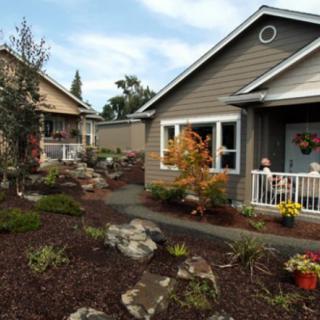
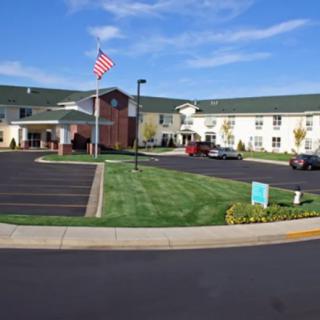
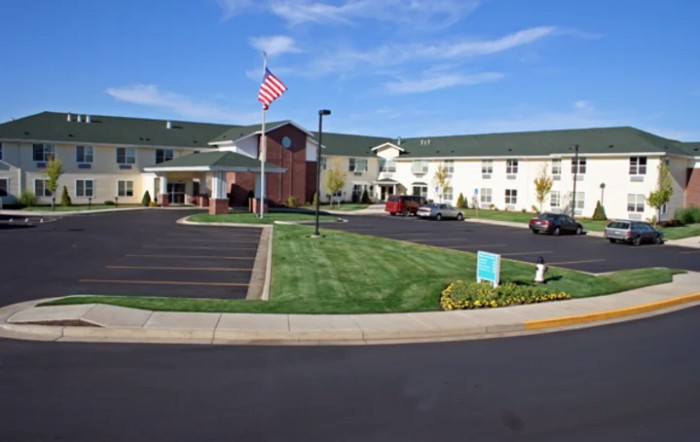
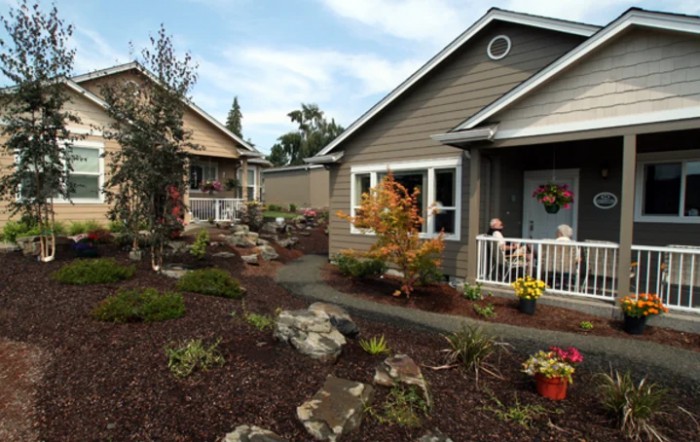
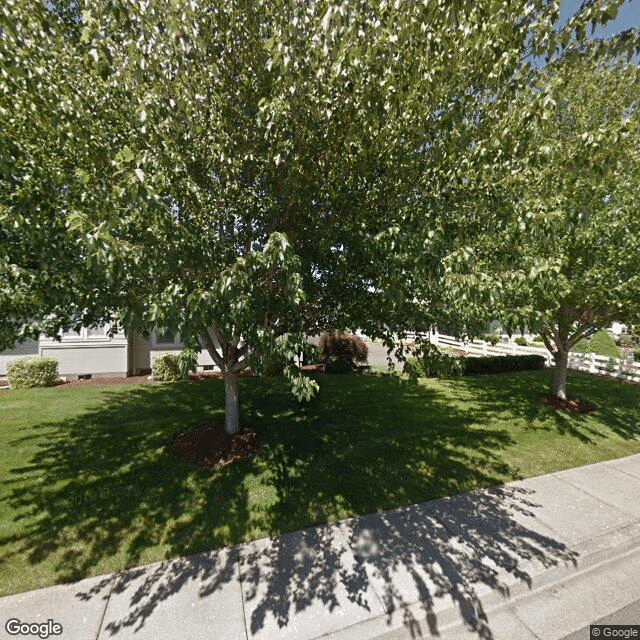
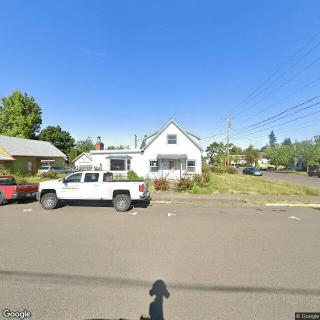
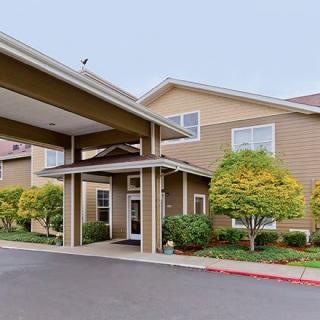
Dallas Retirement Village on seniors.fyi includes 3 photos including images showing landscaping, flag, clouds, garden, pathway, outdoors, building, parking, and more.
Nearby Communities
Blue Haven RCF - Dallas
Dallas, OR
4.5 from 34 reviews
$5,500 / month
Loving, professional staff in a warm, home-like setting with engaging activities.
Jefferson Lodge
Dallas, OR
3.7 from 25 reviews
$3,625 to $4,300 / month
Clean, inviting environment with attentive staff and engaging activities.
Ellendale Residential Care Center
Dallas, OR
4 from 4 reviews
Warm, engaging assisted living with furnished apartments and restaurant-style dining.
Ceres Gleann
Dallas, OR
Small, intimate community with personalized care.
Perrydale Acres Foster Care
Dallas, OR
Personalized care plans in a warm, home-like setting.
Betty's Loving Care Home
Monmouth, OR
Warm, nurturing assisted living with convenient access to nearby health services, cafes, a park, and other amenities.
Heron Pointe Senior Living
Monmouth, OR
4.5 from 61 reviews
$3,595 to $5,495 / month
Caring, attentive staff with engaging activities and spacious tower apartments with beautiful views.
Capital Manor
Salem, OR
4.7 from 105 reviews
Warm, intimate atmosphere with caring staff, extensive activities, and affordable, well-maintained living options.
Prestige Senior Living Southern Hills
Salem, OR
4 from 76 reviews
$4,400 to $5,125 / month
Caring staff, clean facilities, and engaging activities.
The guide outlines the complexities of Medicaid coverage for assisted living, highlighting significant state-to-state variations, limited coverage often restricted to personal care services, and the existence of specialized waivers for certain needs like memory care. It advises families to consult local Medicaid offices for options while emphasizing the importance of understanding state-specific regulations and facility policies.
Medicaid coverage for assisted living varies by state and is primarily available to low-income individuals, with eligibility dependent on strict income and asset limits. Some states offer HCBS waivers for specific services in assisted living, but families must generally cover room and board costs, and should verify facility acceptance of Medicaid while considering potential waiting lists.
Medicaid waivers for assisted living services provide vital support for seniors and individuals with disabilities in need of long-term care, with varying state-specific eligibility criteria and benefits. These waivers cover personal care and case management but often do not fully cover room and board, leading to waiting lists for many applicants.
Get PricingAsk A QuestionSchedule A TourContact Senior Advisor
By clicking submit, you agree to our Partner's Terms of Use. You
also consent to receive calls and texts, which may be autodialed, from our Partner. Your consent is not a condition to
using our Partner's service. Please visit our Partner's Privacy Policy for information about their privacy practices.




 53 resident community capacity
 Assisted Living
 Continuing Care Retirement Community (CCRC)
 Independent Living
 Memory Care
 Skilled Nursing Facility
 Activities on-site
 Air-conditioning
 Beauty salon
 Cable or satellite TV
 Computer center
 Devotional services off-site
 Dining room
 Fitness room
 Fully furnished
 Gaming room
 Garden
 Housekeeping services
 Indoor common areas
 Kitchenette
 Move-in coordination
 Outdoor space
 Private bathrooms
 Restaurant-style dining
 Small library
 Spa
Spa Telephone
 Wi-Fi/high-speed internet available
 Community operated transportation
 12-16 hour nursing
 24-hour call system
 Ambulatory care
 Assistance with bathing
 Assistance with dressing
 Assistance with transfers
 Diabetes diet
 Diabetic care
 Hospice waiver
 Medication management
 Mental wellness program
 Special dietary restrictions
 Transportation arrangement (medical)
 Concierge services
 Planned day trips
 Loving, professional staff in a warm, home-like setting with engaging activities.


 Understanding Medicaid Coverage for Assisted Living: A Comprehensive Guide
 How and When Medicaid May Cover Assisted Living Costs
 A Detailed Exploration of Assisted Living Medicaid Waivers Across the United States