For more information about senior living options: (866) 208-4318
4 from 83 reviews
5 stars
49
4 stars
12
3 stars
6
2 stars
3
1 stars
13
Edgewood Point Assisted Living and Memory Care Costs & Pricing
Edgewood Point Assisted Living and Memory Care offers a range of monthly costs that reflect the quality of care and living environment provided. For a studio, residents can expect to pay $4,085, which is somewhat higher than the county average of $3,909 and the state average of $3,815. The semi-private option stands at $5,000, surpassing both Washington County's average of $4,848 and Oregon's average of $4,457. For those seeking more personal space in a one-bedroom unit, Edgewood Point charges $5,085 - again above the county ($4,082) and state averages ($3,904). Finally, for two-bedroom accommodations priced at $5,885, residents find themselves paying more than the county average of $4,801 and the state average of $4,436. Overall, while Edgewood Point's pricing tends to be on the higher side compared to local and state figures, it underscores their commitment to providing exceptional assisted living and memory care services within an enviable setting.
Floor plans
Edgewood Point Assisted Living and Memory Care
Washington County
Oregon
Studio
$4,085
$3,909
$3,815
Semi-Private
$5,000
$4,848
$4,457
1 Bedroom
$5,085
$4,082
$3,904
2 Bedrooms
$5,885
$4,801
$4,436
Memory care communities with a similar price nearby
Overall Review of Edgewood Point Assisted Living and Memory Care
common24 reviews mention this
Staff kindness and responsiveness
Residents and families repeatedly describe attentive, respectful staff interactions.
A large share of reviewers say the staff treat residents with kindness and take time to get to know individuals. Several families mention quick responses to questions and ongoing communication, including keeping families informed when concerns come up. Others specifically note the day-to-day support feels warm and consistent across assisted living and memory care. A smaller number of reviews raise concerns about supervision, responsiveness, and how residents are treated after move-in.
common16 reviews mention this
Activities keep residents engaged
Reviewers commonly point to a steady schedule of activities and outings.
Many reviewers describe frequent activities, including group outings, entertainment, and resident-led or themed events like a book club and games. Several mention afternoon and weekend programming, with some families highlighting the activities director’s role in keeping things organized. Residents also describe spending time outdoors and joining fitness or devotional activities. A few reviews, however, report gaps in afternoons or limited activity beyond basic television time.
common12 reviews mention this
Food is a frequent bright spot
Meals are often described as good, enjoyable, or even excellent.
Dining comes up often, with multiple reviewers saying the food is good and that they or their loved ones look forward to meals. Some mention specific meal experiences or highlight better-than-expected dining compared with other options they considered. Others describe variety through a menu and dining-room suggestions, and one reviewer mentions a special luncheon. There are also a few negative notes about food quality needing improvement.
caveat7 reviews mention this
Care support and staffing concerns
A recurring concern is limited medical support and inconsistent staffing.
While many reviewers praise care, several describe situations they felt were understaffed or not hands-on enough. A few reviews also mention medical assistance or supervision not meeting expectations, alongside worries about communication with families and residents. In memory care, some reviewers express that dementia-related needs were handled well, but others say they would not recommend the community for Alzheimer patients without improvements. Taken together, the reviews show strong care when staffing and oversight work well, alongside complaints when support feels insufficient.
caveat4 reviews mention this
Pricing and perceived value
Some reviewers mention value concerns or pricing being higher than expected.
A few reviewers talk about cost and compare value to other communities, with one noting the price can be higher while another says it is about on par for the area. Others raise concerns that the services delivered did not match the price, or that pricing did not come with the level of support they were hoping for. At the same time, at least one family says the price was less than some places they visited. Overall, pricing appears to be viewed as variable in how well it aligns with day-to-day care and communication.
How we summarize
Counts show how many written reviews mention each theme; a review can touch several themes, and only frequently mentioned themes are displayed.
Features
Housing
1-bedroom apartments
2-bedroom apartments
Studio apartments
Types of Care
Assisted Living
Memory Care
Pets
Cats allowed
Dogs allowed
Amenities
Activities off-site
Activities on-site
Beautician on-site
Devotional services off-site
Devotional services on-site
Dining room
Full kitchen
Garden
Housekeeping services
Indoor common areas
Kitchenette
Laundry
Outdoor common areas
Party space
Respite or short term stays offered
Wheelchair accessible showers
Transportation
Portland International (12 miles away)
Transportation & parking
Care Services
Ambulatory care
Diabetic care
High acuity care
Incontinence care
Medication management
Dining
Meals provided
Activities
Activities off-site
Activities on-site
Devotional activities offsite
Devotional activities on-site
Fitness programs
Religious services
Languages Spoken
English
Videos
Nearby Places of Interest
Located in Beaverton, Oregon, this area offers a variety of amenities for senior living. With a range of restaurants, including Mandarin Palace and The Cheesecake Factory, as well as cafes like Panera Bread and Starbucks, residents have plenty of dining options to choose from. In terms of healthcare, there are reputable physicians such as The Portland Clinic and Legacy Medical Group nearby, ensuring seniors have access to quality medical care. Additionally, there are several parks like Florence Pointe Park and Tualatin Hills Nature Park for outdoor recreation. Pharmacies like CVS and Walgreens are conveniently located within a couple miles for medication needs. Public transportation options are also available with TriMet Bus Stop ID 3655 nearby. Overall, this area provides a blend of conveniences and leisure activities suitable for senior living in Beaverton.
Restaurants
Mandarin Palace (0.6 miles)
Arby's (0.8 miles)
The Cheesecake Factory (0.9 miles)
85 Degree C Bakery Cafe (1 miles)
Din Tai Fung (1.1 miles)
Thirsty Lion Pub & Grill (1.3 miles)
Uwajimaya (1.5 miles)
Physicians
The Portland Clinic (0.8 miles)
Reflex (1.3 miles)
Legacy Medical Group-Raleigh Hills (1.8 miles)
Pediatric Associates Of The NW (2.6 miles)
Virginia Garcia Memorial Health Center (2.7 miles)
One Medical (2.8 miles)
Pacific Medical Group (2.8 miles)
Cafes
Panera Bread (1.2 miles)
Starbucks (1.7 miles)
Well & Good Coffee House (2.7 miles)
Dutch Bros Coffee (3.1 miles)
Black Rock Coffee Bar (4.2 miles)
Starbucks (4.3 miles)
Peet's Coffee and Tea (5 miles)
Parks
Florence Pointe Park (1.4 miles)
Fir Grove Park (1.6 miles)
Summerlake Park (2.4 miles)
Spring Garden Park (3.3 miles)
Burntwood West Upper Park (3.4 miles)
Albert Kelly Park (3.7 miles)
Tualatin Hills Nature Park (3.7 miles)
Pharmacies
CVS Pharmacy (1.7 miles)
Rite Aid (1.9 miles)
Walgreens (2 miles)
Rite Aid (2.3 miles)
Rite Aid (2.5 miles)
Stone Age Farmacy PDX (2.5 miles)
Rite Aid (2.8 miles)
Transportation
TriMet Bus Stop ID 3655 (2.3 miles)
Sunset Transit Center (3.2 miles)
Beaverton Creek MAX Station (3.5 miles)
Places of Worship
St John Fisher Church (2.7 miles)
Theaters
Century Theater Cedarhill (2.8 miles)
Regal Bridgeport Village ScreenX & IMAX (4.8 miles)
Edgewood Point Assisted Living and Memory Care offers a range of monthly costs that reflect the quality of care and living environment provided. For a studio, residents can expect to pay $4,085, which is somewhat higher than the county average of $3,909 and the state average of $3,815. The semi-private option stands at $5,000, surpassing both Washington County's average of $4,848 and Oregon's average of $4,457. For those seeking more personal space in a one-bedroom unit, Edgewood Point charges $5,085 - again above the county ($4,082) and state averages ($3,904). Finally, for two-bedroom accommodations priced at $5,885, residents find themselves paying more than the county average of $4,801 and the state average of $4,436. Overall, while Edgewood Point's pricing tends to be on the higher side compared to local and state figures, it underscores their commitment to providing exceptional assisted living and memory care services within an enviable setting.
Medication management at Edgewood Point Assisted Living and Memory Care ensures that residents receive their prescribed medications on time and in the correct dosages, which is crucial for managing symptoms of dementia and Alzheimer's disease. By simplifying this process, it alleviates the stress and confusion that can arise when individuals attempt to manage their own medications, thereby enhancing their overall well-being and stability. Incontinence care is equally important as it addresses one of the common challenges faced by individuals with cognitive impairments. Providing compassionate assistance in this area not only promotes dignity and comfort but also helps prevent potential health complications associated with incontinence. Together, these features create a supportive environment tailored to meet the unique needs of residents dealing with memory-related issues.
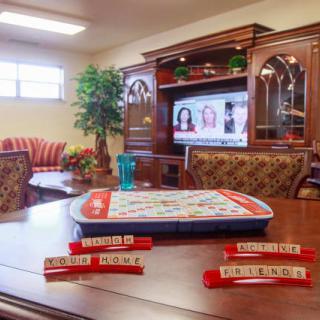
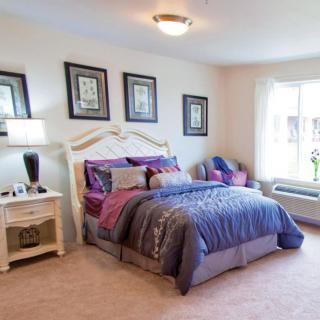
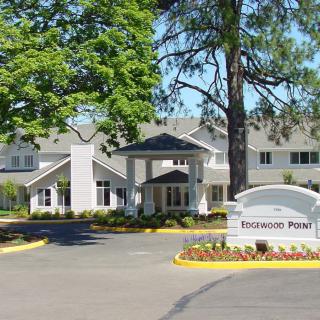
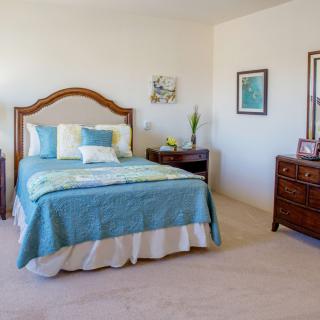
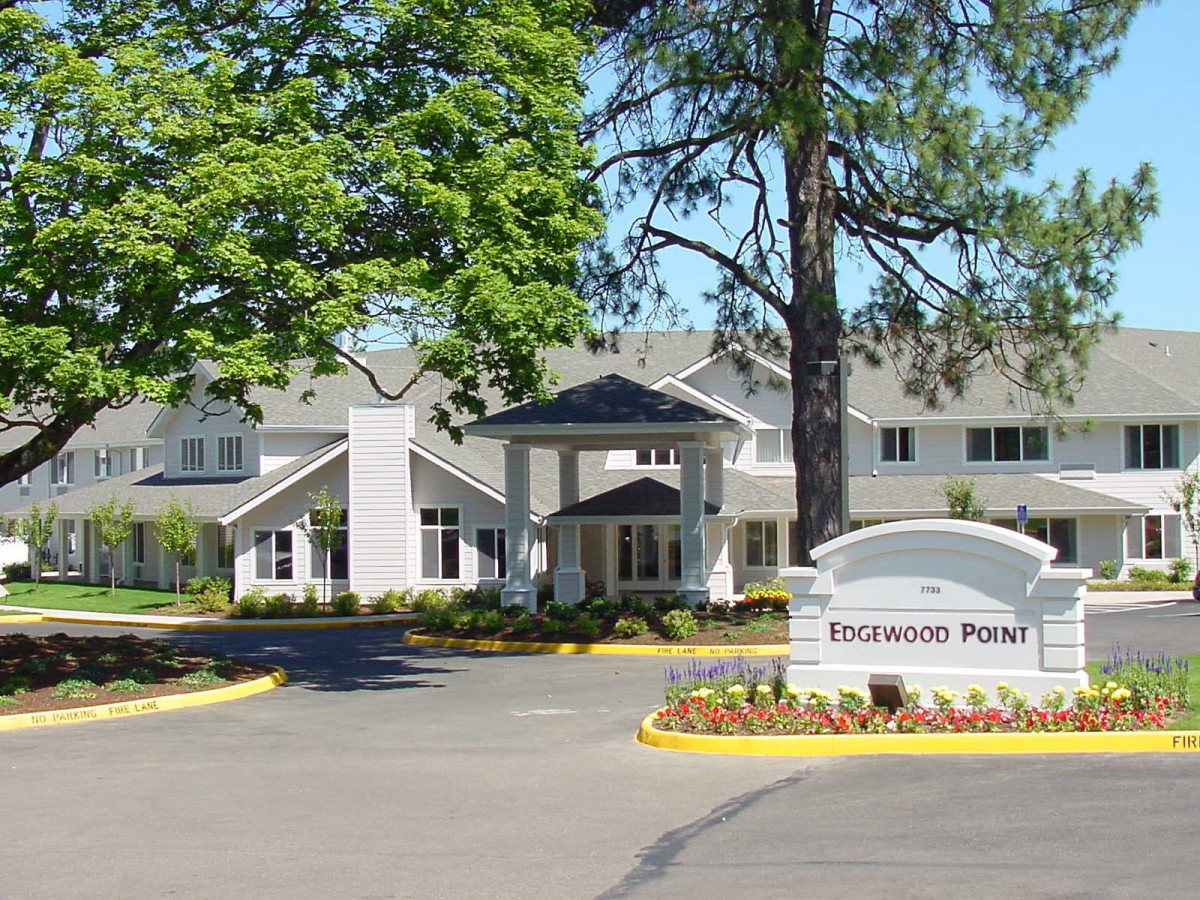
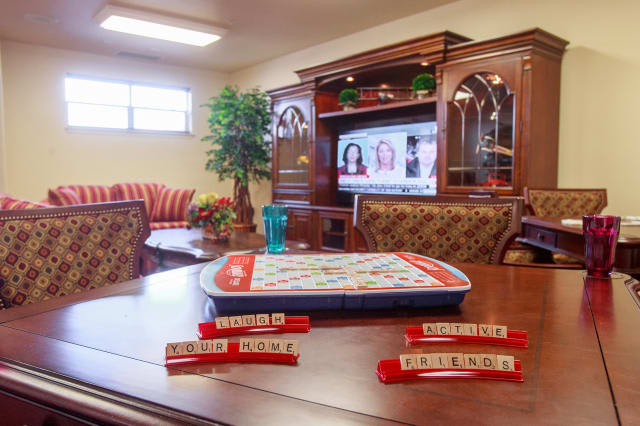
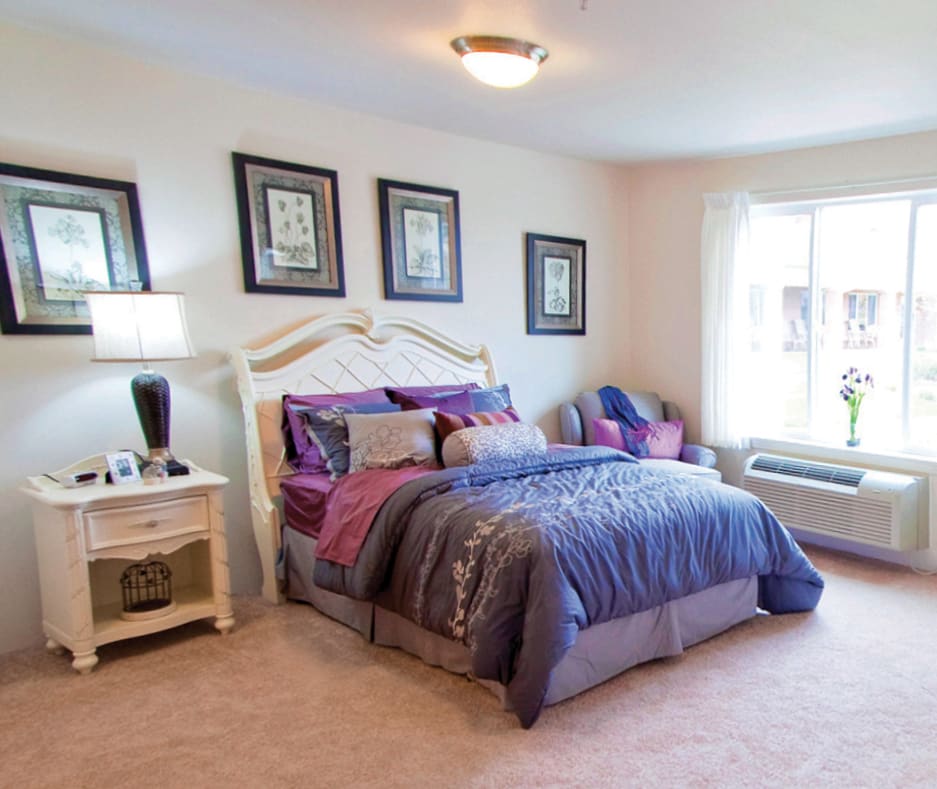
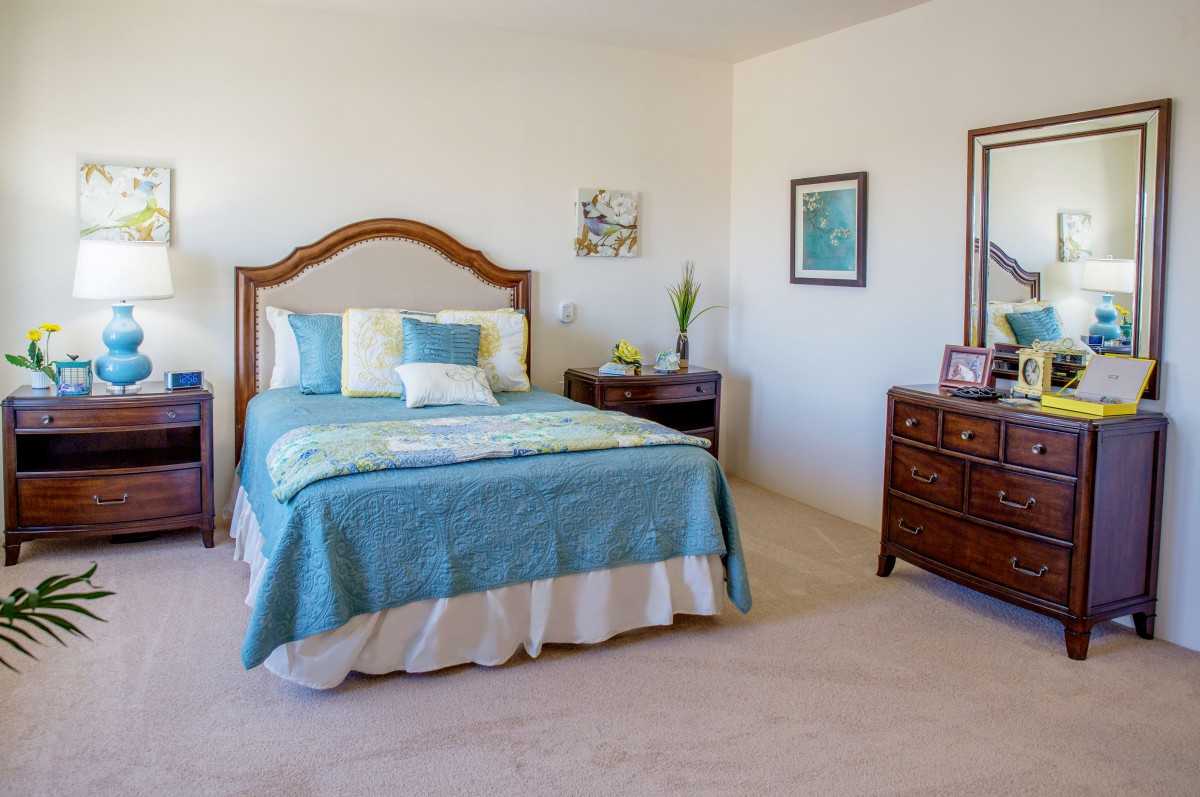
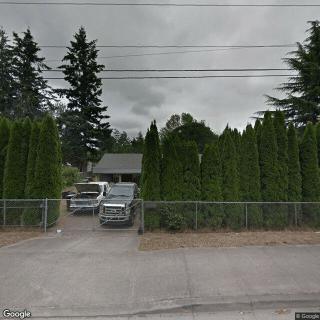
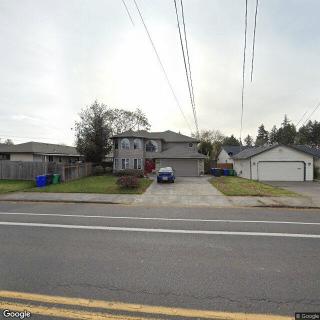
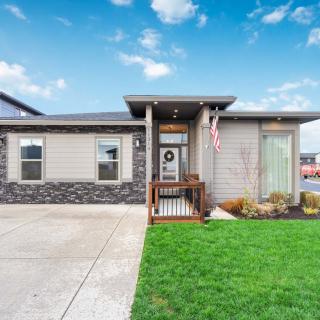
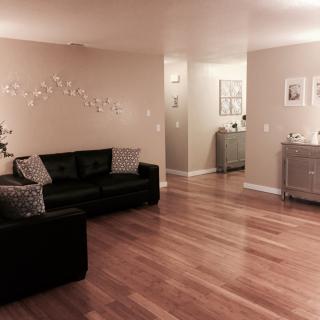
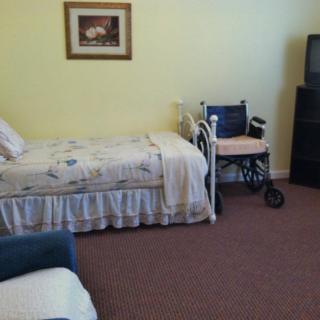
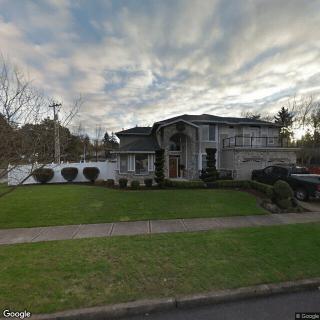
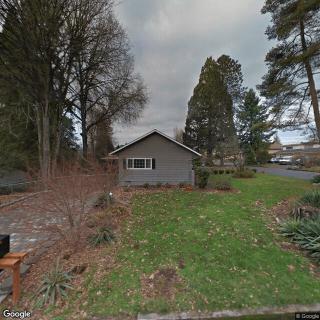
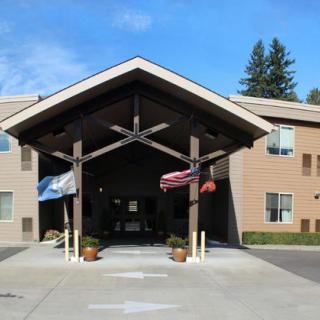
Edgewood Point Assisted Living and Memory Care on seniors.fyi includes 5 photos including images showing decor, bedroom, interior, dining, natural light, building, entrance, trees, and more.
Nearby Communities
Holiday Edgewood Downs
Beaverton, OR
4 from 127 reviews
$2,519 to $3,959 / month
Friendly staff, clean facilities, and active programs with spacious apartments.
Edgewood Point Assisted Living
Beaverton, OR
4.1 from 50 reviews
$2,931 / month
Friendly, attentive staff in a clean, well-maintained setting with memory-care-focused programming and engaging activities.
Starlight Adult Care Home
Beaverton, OR
5 from 7 reviews
$2,800 / month
Beautiful home-like setting with compassionate staff and memory care expertise at an affordable private-room rate.
Joy Adult Care Home
Beaverton, OR
4.9 from 7 reviews
$3,000 / month
Compassionate staff in a clean, homelike setting with fresh meals.
Crestwood Senior Living
Beaverton, OR
1 from 1 review
$3,500 / month
Private rooms with on-site dining and activities
Marcella's Care
Beaverton, OR
3.7 from 11 reviews
$2,500 / month
New, clean facility with caring staff and engaging activities.
Avamere At Park Place
Tigard, OR
4 from 91 reviews
Caring staff and a welcoming community with engaging activities.
Prestige Senior Living Beaverton Hills
Beaverton, OR
4 from 49 reviews
$5,600 / month
Warm, dedicated staff and a bright, home-like setting that encourages social interaction.
Dementia often results in disrupted sleep patterns, leading to excessive daytime sleeping due to factors like brain damage affecting circadian rhythms, medication side effects, and lack of structure in daily activities. Caregivers must monitor these changes closely, as oversleeping can increase risks such as malnutrition or dehydration, and provide necessary support and routines to enhance patient engagement and well-being.
The transition from assisted living to skilled nursing care is often prompted by complex medical needs that assisted living cannot meet, with key indicators including frequent health declines, increased falls, severe memory issues, and caregiver burnout. Families should recognize these signs early to discuss options with healthcare providers and prepare for the emotional and logistical aspects of moving to a facility that offers comprehensive medical support.
Dementia is characterized by cognitive decline, with nutrition playing a vital role in brain health; while no specific diet can prevent or reverse it, a nutrient-dense diet rich in antioxidants and healthy fats may support cognitive function. The MIND diet, which emphasizes beneficial foods and limits processed items, along with proper hydration and individualized meal strategies, can enhance the well-being of dementia patients.
Edgewood Point Assisted Living and Memory Care photos
×
Interior
Decor
Building
Bedroom
Dining
Interior and Decor
Bedroom
Dining
Living Room and Television
Landscaping, Building, Architecture, Trees, and Entrance
Natural Light
Get PricingAsk A QuestionSchedule A TourContact Senior Advisor
By clicking submit, you agree to our Partner's Terms of Use. You
also consent to receive calls and texts, which may be autodialed, from our Partner. Your consent is not a condition to
using our Partner's service. Please visit our Partner's Privacy Policy for information about their privacy practices.



 1-bedroom apartments
 Assisted Living
 Memory Care
 Cats allowed
 Dogs allowed
 Activities off-site
 Beautician on-site
 Devotional services off-site
 Dining room
 Full kitchen
 Garden
 Housekeeping services
 Indoor common areas
 Laundry
 Outdoor common areas
 Party space
 Respite or short term stays offered
 Wheelchair accessible showers
 Portland International (12 miles away)
 Transportation & parking
 Ambulatory care
 Diabetic care
 High acuity care
 Incontinence care
 Medication management
 Meals provided
 Fitness programs
 English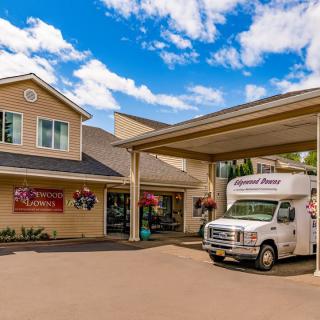
 Friendly staff, clean facilities, and active programs with spacious apartments.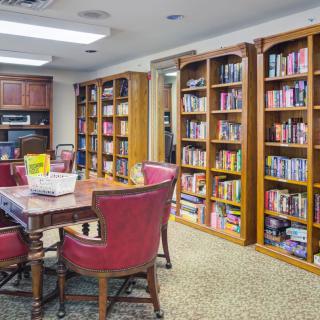

 Why Do Dementia Patients Sleep So Much? Understanding Oversleeping, Stages, and Care Approaches
 8 Key Indicators That Suggest It May Be Time to Transition from Assisted Living to Skilled Nursing Care
 Nourishing the Mind: Essential Dietary Approaches for Dementia