
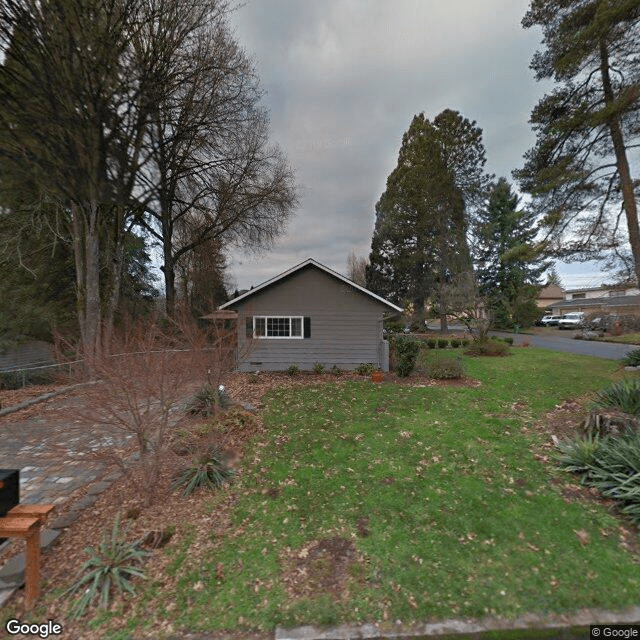
10335 SW Crestwood Dr, Beaverton, OR 97008
To contact a resident: (503) 644-0463
For more information about senior living options: (866) 208-4318
Crestwood Senior Living Costs & Pricing
At Crestwood Senior Living, the monthly cost for a private room is set at $3,500. When compared to the averages in Washington County and across Oregon, Crestwood's pricing reflects a competitive landscape; Washington County has an average cost of $3,261, while the state of Oregon sees an average of $3,424. This positioning suggests that while Crestwood may be slightly above local and state averages, residents are likely investing in a higher quality of care and amenities that enhance their living experience. It's important for potential residents and their families to weigh these costs against the comprehensive services and supportive environment that Crestwood offers in order to make a well-informed decision about senior living options.
| Floor plans | Crestwood Senior Living | Washington County | Oregon |
|---|---|---|---|
| Private | $3,500 | $3,261 | $3,424 |
Senior living communities with a similar price nearby
-
from +$300 / mo

The Inn at University Village
$3,800 to $7,500 / month18.9 miles away -
from -$500 / mo
A Piece of Heaven
$3,000 / month9.1 miles away -
from +$500 / mo
Oaktree Adult Care Home
$4,000 / month11.6 miles away -
from -$500 / mo
Yamhill Senior Care Home
$3,000 / month14.1 miles away -
from -$500 / mo
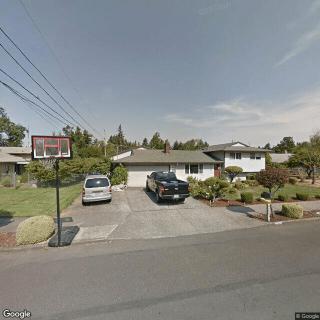
Peaceful Lighthouse Adult Care Home
$3,000 / month16.5 miles away
Overall Review of Crestwood Senior Living
Cons
 The facility was wrecked.
- There was a liquor bottle sitting on the counter in the kitchen area.
- The reviewer’s mom had been up for a couple of hours and was soaked with urine.
- There were rude encounters and constant staff changes.
- One staff member seemed to be high on something.
- The reviewer was completely appalled.
- The reviewer advised against putting a loved one in this facility.
Review
Crestwood Senior Living in Beaverton, OR is best suited for seniors who can largely manage day-to-day tasks on their own and for families prepared to provide steady, hands-on oversight. This is not framed as a turnkey care community; it functions more like a basic living option where external advocacy and frequent check-ins are presumed to fill gaps. For residents with minimal supervision needs, and for households ready to stay deeply involved in daily routines, it may serve as a workable, lower-friction placement. For anyone relying on consistent staff-driven care, the fit becomes much shakier as practical realities come into play.
Those who may want to consider alternatives are anyone whose loved one requires reliable assistance with daily activities, incontinence care, mobility support, or supervision around the clock. Memory care, behavioral challenges, or complex medical needs demand a different standard of staffing stability and program structure. Families with limited capacity for ongoing monitoring, or who cannot tolerate abrupt staff changes and inconsistent responses to resident needs, should view Crestwood with caution and prioritize communities with verifiable staffing continuity and stronger safety records.
The review paints a stark picture of the core drawbacks: patience-testing lapses in supervision, cleanliness concerns, and unsettling impressions of staff reliability. A scene of a resident left unattended while a care setting shows signs of distress, urine exposure, a liquor bottle visible in a kitchen area, and a perception of staff under the influence, demands immediate red flags in any responsible caregiving decision. Rude encounters and frequent turnover compound the risk, creating a cycle where residents may not receive timely assistance, responsive communication, or the dignity that families expect. In such a context, even modest conveniences cannot offset the fundamental safety and trust issues.
From a decision-making standpoint, the key issue is whether the potential benefits can realistically counterbalance the risks documented. The absence of clearly stated advantages in the available account makes the verdict straightforward: the cons vastly outweigh any unnamed positives. The risk of neglect, poor hygiene, and inconsistent caregiving surfaces as the decisive obstacle. Pros, if any exist, would need to be substantial, reliably demonstrable, and backed by consistent staffing and oversight; without that, the facility does not satisfy the minimum standards families rely on for long-term residence. This is not a place to test whether care gaps can be bridged; it is a place where those gaps must be unacceptable.
Given these realities, the prudent path is to pursue communities with proven staffing stability, transparent supervision, and strong safety records. When evaluating Crestwood, lenders of trust, family members or guardians, should demand documentation such as state inspections, incident reports, and floor-by-floor staffing plans. During tours, stress-test the facility by inquiring about daily schedules, caregiver assignments, turnover rates, and how management handles resident complaints and safety concerns. Pay attention to whether residents appear engaged, well-dressed, and clean, and whether meals and activities are consistently organized. Demand concrete assurances about how quickly concerns are addressed and how care plans are updated.
In the end, Crestwood Senior Living should not be the default choice for most seniors needing meaningful assistance. It is a cautionary option that may only be appropriate for highly empowered families willing to ferry accountability and respond to problems with urgency. For anyone seeking reliable, respectful, and consistent care, it is wise to compare alternatives that demonstrate steady staffing, transparent oversight, and a track record of safeguarding resident dignity and health. The decision should hinge on whether families can live with ongoing vigilance as a condition of safety, or whether a different community will deliver the steadier, higher-quality care that aging loved ones deserve.
 Board and Care Home
 Activities off-site
 Beautician on-site
 Devotional services off-site
 Indoor common areas
 Outdoor common areas
 Private
 Private bathrooms
 Respite or short term stays offered
 Wheelchair accessible showers
 Portland International (13 miles away)
 Ambulatory care
 Diabetic care
 High acuity care
 Incontinence care
 Kosher
 Adventist services
 Buddhist services
 Islamic services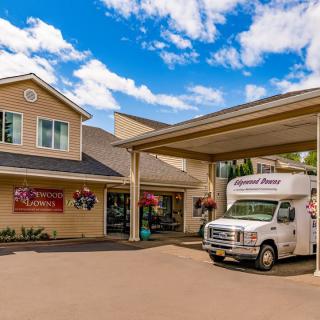
 Friendly staff, clean facilities, and active programs with spacious apartments.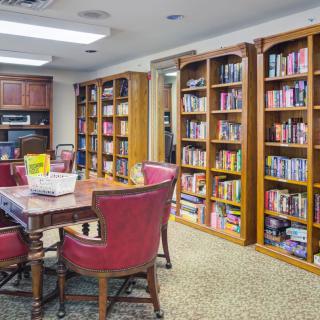
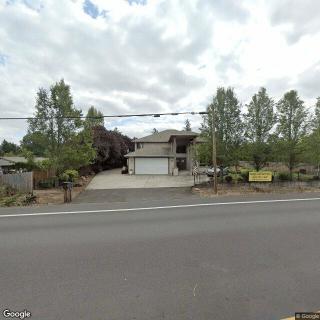


 Comprehensive Insights into Palliative Home Care: What It Is and What to Expect
 Skilled Nursing Facilities vs. Nursing Homes: Making Sense of the Differences
 A Detailed Examination of Nursing Home Costs Across the U.S.