
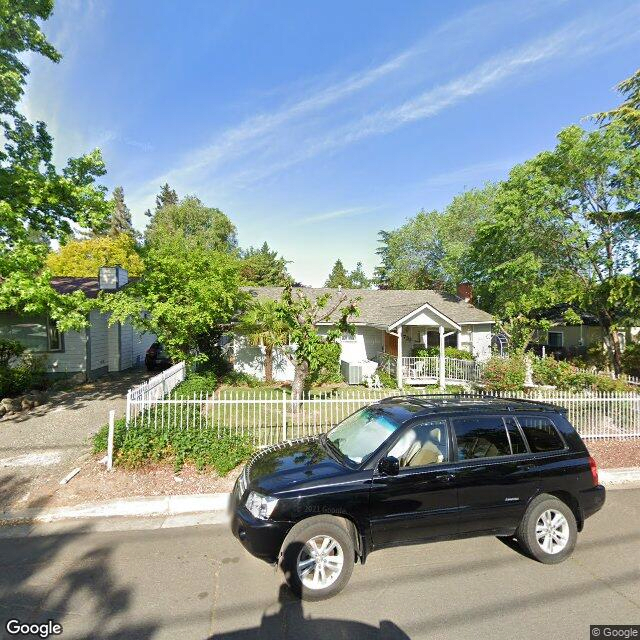
733 Faith Ave, Ashland, OR 97520
For more information about senior living options: (866) 208-4318
Overall Review of Faith Senior Adult Foster Home LLC
Pros
 Linda and her staff treat families like their own, providing excellent care and attentive support.
- The owner and caregivers maintain a warm, family-like atmosphere.
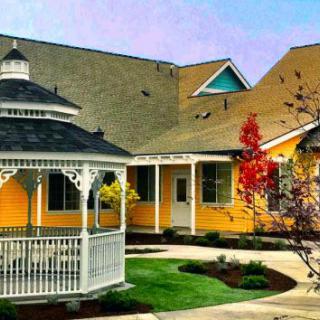
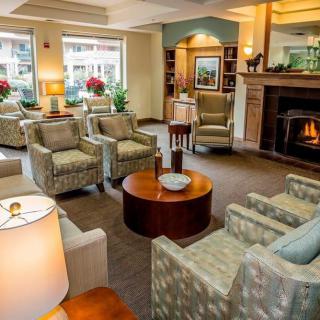
- Faith Adult Foster Home offers a warm, home-like environment where residents are cared for with compassion.
- The staff are responsive and keep families informed about visits and residents’ well-being.
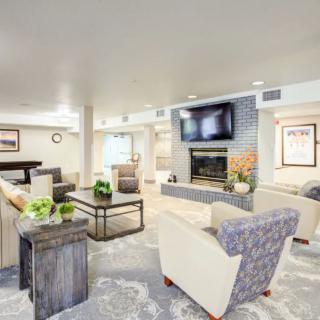
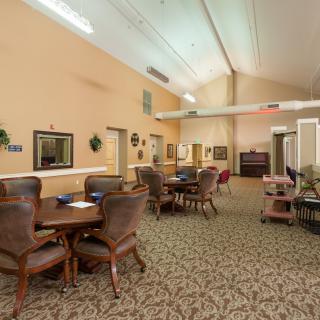
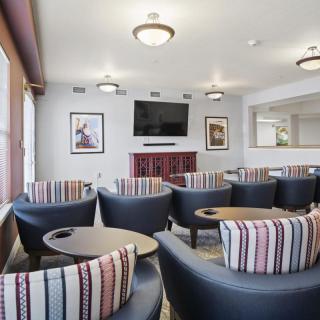
- The home is clean and provides communal spaces and shared meals that foster social time among residents.
- The care helps residents feel stronger, eat better, and maintain a positive outlook.
Cons
 He can be difficult, and be a grumpy old man.
- The review notes that many assisted living facilities provide sterile, impersonal care.
Review
Faith Senior Adult Foster Home LLC in Ashland, OR is best suited for families seeking a small, home-like care setting where an elderly loved one receives highly individualized attention, constant warmth, and hands-on advocacy. The model hinges on a tight-knit group environment, where a few residents share meals, common spaces, and daily routines. This is the kind of place that rewards residents who do better with intimate social dynamics, predictable schedules, and caregivers who treat families as partners in care. In short, it serves seniors who thrive on personal connection, proactive oversight, and the reassurance that someone is paying close attention to personality, preferences, and day-to-day well-being.
For families weighing alternatives, the alert is clear: those needing intensive medical oversight, 24/7 on-site nursing, or specialized memory-care programming may want to consider larger traditional facilities. A high level of clinical care, formalized memory support, and broad activity programming are more likely to be found in traditional assisted living communities with staff rosters calibrated for round-the-clock nursing needs. Faith’s foster-home model emphasizes individual attention and family-style interaction; if the care plan requires frequent, technical medical interventions or more structured, facility-wide programming, an alternative setting may deliver a more suitable fit.
The strongest pro in Faith’s favor is the extraordinary level of personalized care and caregiver engagement. Reviews repeatedly describe staff, led by Linda, as treating residents like family, with a genuine willingness to learn each person’s likes, dislikes, and quirks. This translates into meticulous day-to-day management, from meals that are comfortable and social to timely updates for family members about doctors’ visits, outings, and changes in health status. The family atmosphere is not a scripted benefit but a lived reality, caregivers adapt quickly to individual personalities, which helps minimize resistance, reduce anxiety, and maintain a sense of dignity for residents who may be prone to mood shifts or stubbornly independent streaks.
Another standout advantage is the environment itself: clean, warm, and homelike, with a shared dining space and a large common area that encourages social time without the sterility of a larger campus. The stories about meals, casual conversations, and the feeling of belonging paint a picture of daily life that feels comforting and authentic. The caregiver “advocate” role is repeatedly cited as instrumental, whether navigating hospital stays, coordinating with doctors, or ensuring that a resident does not slip through the cracks, turning potential medical or logistical stress into manageable, transparent processes for families.
Caregivers’ responsiveness also appears as a core strength, delivering reassurance that a loved one’s needs are seen and understood. The ability to quickly adjust routines, respond to behavioral nuances, and engage residents in a familiar, family-style cadence helps maintain emotional balance and social engagement. That sense of safety and predictability can be a decisive factor for families coping with transitions from independent living or more impersonal settings. In a landscape where staff turnover and impersonal care can erode trust, Faith’s model offers continuity and continuity is worth a premium when loved ones rely on consistent familiar faces.
Yet, any decision requires weighing trade-offs. The foster-home format, while intimate and attentive, inherently provides a different scale of resources than a larger facility. This means less emphasis on formalized programming, fewer on-site specialists, and perhaps fewer structured activities that some seniors rely on to stay engaged. While the documented experience emphasizes meaningful social time, the care plan may not match every resident’s expectation for a large network of routines and amenities. The offset to these potential gaps comes in the form of unwavering accessibility, rapid communication, and a care team that sees the whole person, something not always achievable in bigger communities.
Ultimately, Faith Senior Adult Foster Home LLC is a compelling choice for families prioritizing intimate, high-touch care where staff treat residents like family, advocate fiercely, and integrate care into a warm, home-centered life. It shines for seniors who are relatively stable in their daily needs but benefit from highly personalized attention, strong communication, and a nurturing atmosphere. For those whose loved ones require intensive medical supervision, memory-care specialization, or expansive activity programming, alternatives that offer larger clinical teams and formal care pathways should be considered. A visit to meet Linda and observe the day-to-day dynamic will reveal whether this intimate setting aligns with the resident’s personality, medical needs, and your family’s expectations for involvement and transparency.
 Board and Care Home
 Rogue Valley International (17 miles away)

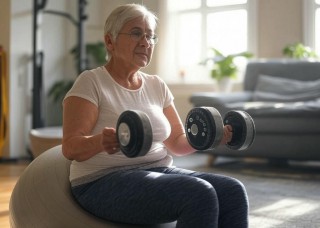 Weight Training for Seniors: Building Strength and Vitality
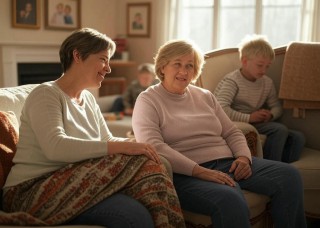 Understanding the Sandwich Generation: Stress and Responsibilities for Multigenerational Caregivers
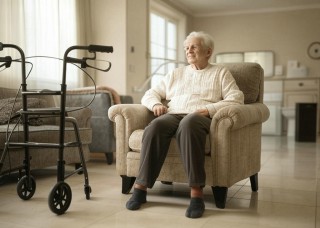 8 Essential Assistive Devices for Older Adults