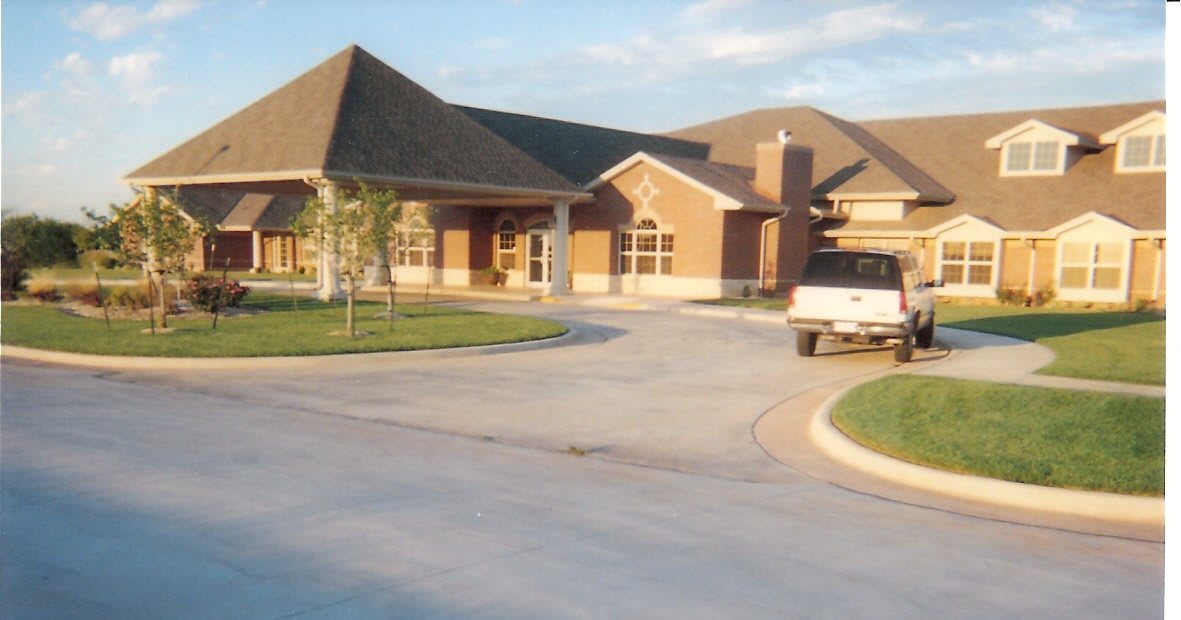
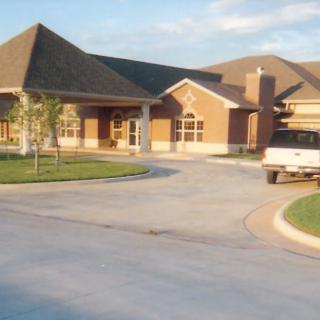
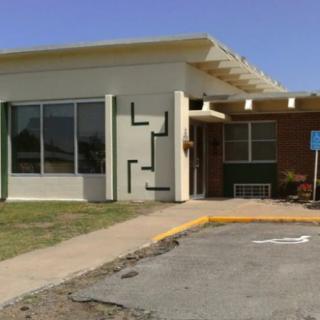
1109 Downs Avenue, Woodward, OK 73801
To contact a resident: (580) 256-5900
For more information about senior living options: (866) 208-4318

Providence Place Costs & Pricing
Providence Place offers a competitive pricing structure for its living accommodations compared to both Woodward County and the broader Oklahoma market. The monthly cost for a one-bedroom unit is set at $3,315, which aligns perfectly with the rate in Woodward County but remains lower than the state average of $3,565. Similarly, the studio apartments are priced at $3,550 - matching local rates while also providing an appealing alternative to the state average of $3,629. For those seeking more space, the two-bedroom options at Providence Place are available for $3,920, mirroring the county's price yet exceeding Oklahoma's average of $3,747. Overall, Providence Place maintains a consistent value that positions it favorably in comparison to both its immediate vicinity and the wider state landscape.
| Floor plans | Providence Place | Woodward County | Oklahoma |
|---|---|---|---|
| 1 Bedroom | $3,315 | $3,315 | $3,565 |
| Studio | $3,550 | $3,550 | $3,629 |
| 2 Bedrooms | $3,920 | $3,920 | $3,747 |
Overall Review of Providence Place
Pros
 The staff are very friendly and the facilities are clean.
- The facility is a beautiful place to live, with good staff and delicious food.
- It is regarded as the best assisted living facility, with many activities and Bingo enjoyed by residents.
- The staff are wonderful and work well together, making it a great place.
- The facility is excellent and comfortable, with friendly and capable staff.
- It is a clean, top-notch facility that is highly recommended.
- The facility provides excellent care with a very comfortable atmosphere.
- The apartments are nice and comfortable, and residents are well cared for.
Review
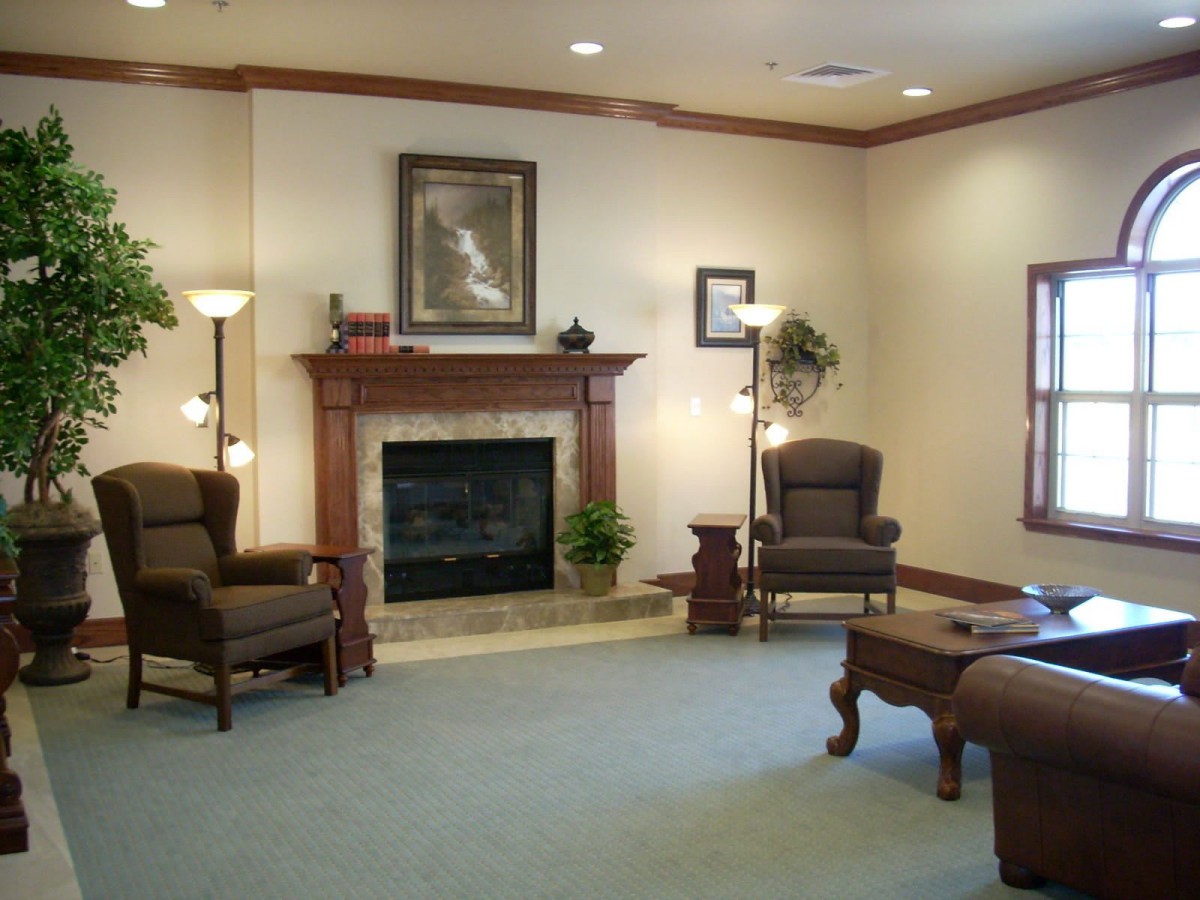
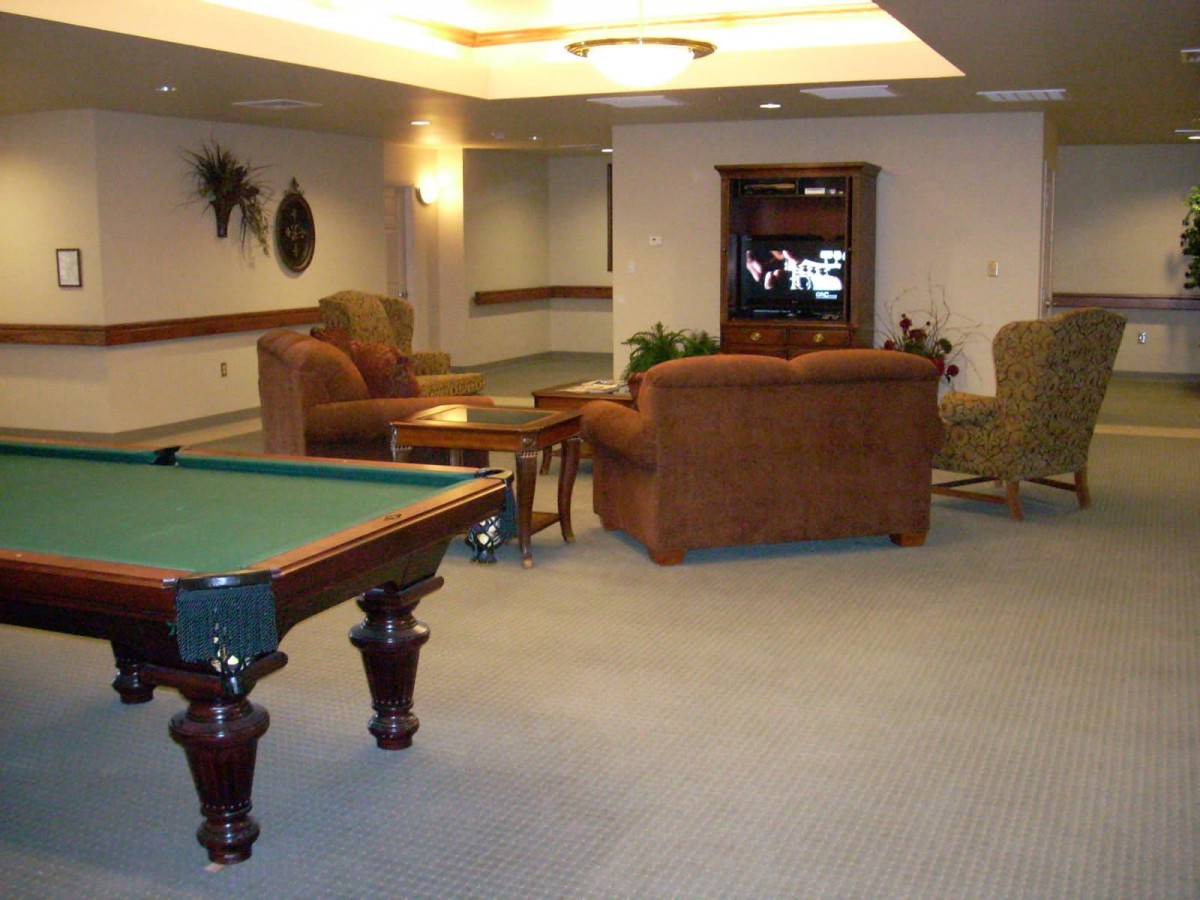
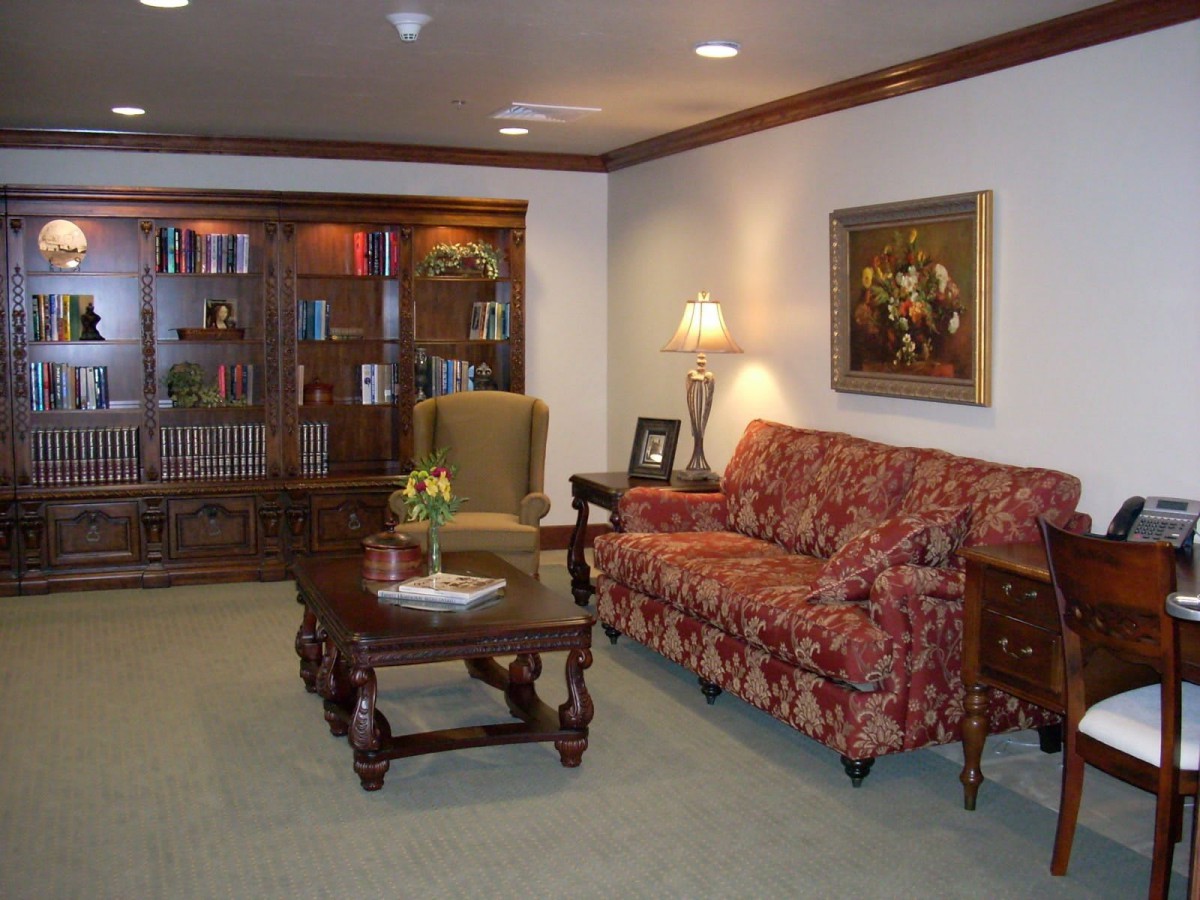
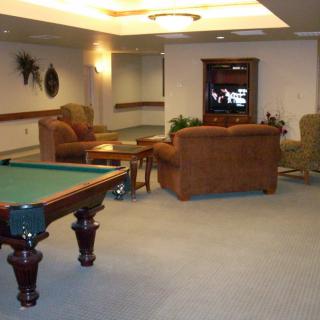
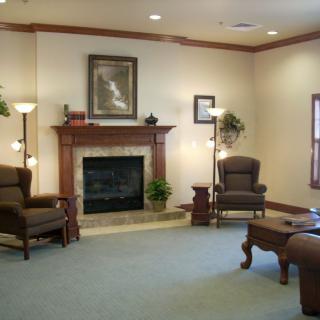
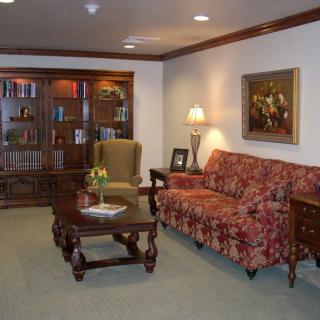
Providence Place in Woodward stands out for seniors who want an active, social, livable community backed by attentive staff and a clean, welcoming environment. This is a place where residents who enjoy daily interaction, structured activities, and a sense of belonging will likely thrive. The atmosphere is described as comfortable and homelike, with a focus on friendliness from the caregiving team and a facility that feels well-kept and inviting. For families seeking reassurance that a community can deliver consistent warmth, reliability, and practical daily pleasures (like good meals and a variety of engagements), Providence Place delivers in spades.
Those who may want to consider alternatives are typically those with higher-acuity needs or specialized care requirements. If a resident’s condition calls for robust on-site medical oversight, memory care with a formalized dementia program, or access to a wider spectrum of healthcare professionals and services on a campus, Providence Place might not be the best fit. Similarly, families prioritizing a broader array of advanced therapies, a larger multi-campus network, or more extensive transportation and service options might look elsewhere. The small-town setting, while charming, can also limit exposure to certain specialists and program breadth that larger communities provide.
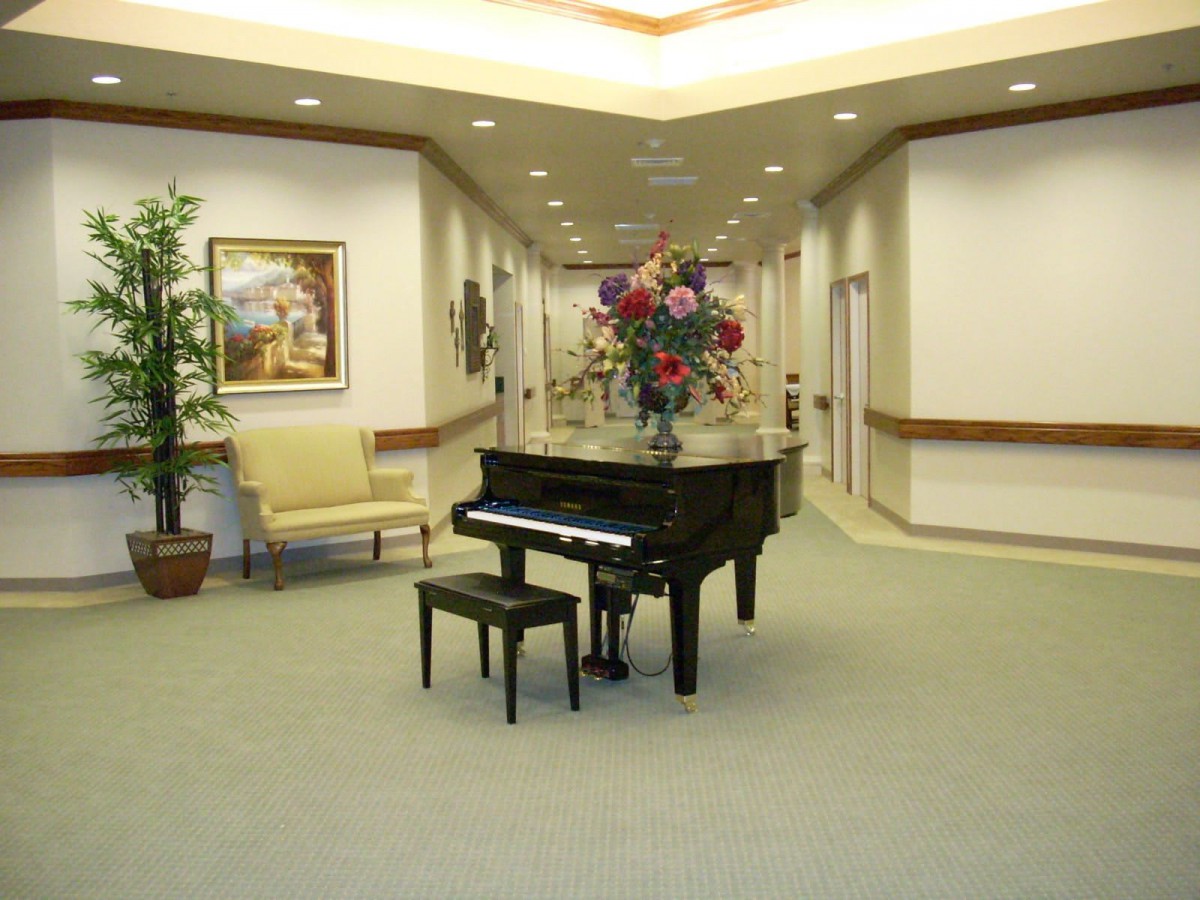
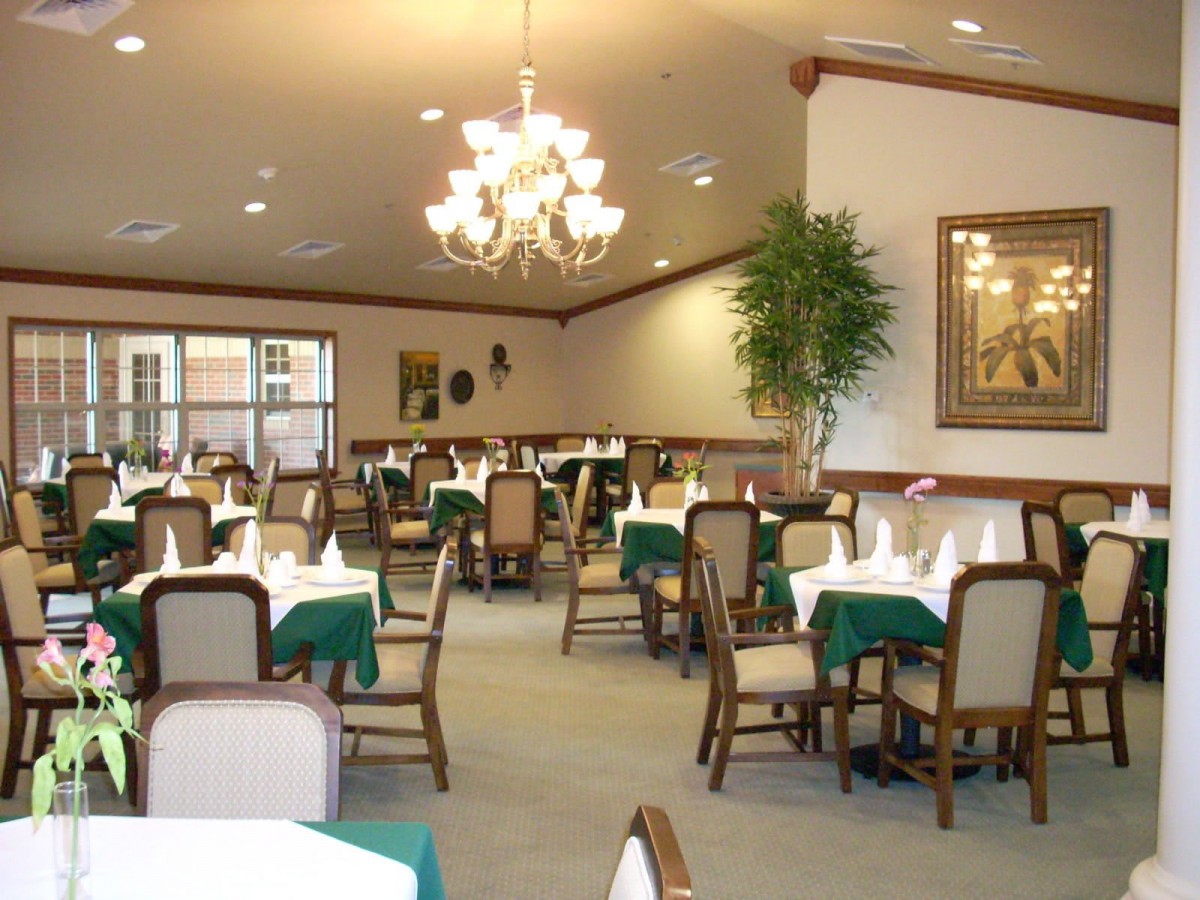
On the positives, the staff earns repeated praise for kindness, cohesion, and responsiveness, which translates into a dependable daily experience. Cleanliness and a top-tier visual impression, an attractive, well-maintained living space, support residents’ comfort and peace of mind. The dining experience is consistently endorsed, with residents and families noting delicious meals and a welcoming dining atmosphere. In addition, the programming is robust enough to keep residents engaged: a lively slate of activities, with Bingo and live music events that foster social connection and shared joy. The sense that staff work well together underpins a reliable, predictable routine that many families value highly.
This combination of strong interpersonal care, pleasant surroundings, and engaging activities tends to offset the absence of a clinical parade of offerings. For relatives weighing quality of life against the need for specialized medical services, Providence Place provides a compelling package: a safe, cheerful home where residents can flourish socially and emotionally, with caregivers who appear attentive and capable. The repeated emphasis on “excellent care,” a comfortable apartment experience, and a trustworthy, welcoming atmosphere argues strongly for families seeking a warm, community-centered option rather than a hospital-like setting or a highly clinical environment.
A candid note about the data: the community’s published feedback comes from a modest sample, with a consistently glowing tenor but limited breadth of review. The lack of detailed commentary on medical capabilities or software-enabled care plans means the decision rests more on day-to-day quality of life than on clinical metrics. Prospective residents would do well to probe whether the on-site clinical support meets their expectations and to confirm memory care capabilities if those needs exist. This is not a red flag, but a prudent step to ensure alignment between desired care levels and what Providence Place routinely delivers.
In the end, Providence Place is a strong contender for families seeking a vibrant, well-staffed, and clean home where daily life centers on companionship, activity, and comfort. It is particularly well-suited for residents who prize a lively social calendar, dependable staff relationships, and a warm, attractive living environment. Those prioritizing extensive medical services, dementia-focused care, or the resources of a larger network should explore alternatives with broader clinical offerings. A thoughtful visit, direct questions about staffing ratios, on-site healthcare, and the availability of specialized programs will illuminate whether Providence Place fits the resident’s care trajectory or if a different community better matches the needed level of support.
 Assisted Living
 Activities off-site
 Air-conditioning
 Bath tubs
 Beautician on-site
 Devotional services off-site
 Ground floor units
 Handicap accessible
 Indoor common areas
 Kitchenette
 Outdoor common areas
 Respite or short term stays offered
 Wheelchair accessible showers
 Ambulatory care
 Incontinence care
 Medication management
 Guest meals
 Art classes
 Brain fitness
 Cooking classes
 Day trips and outings
 Happy hour
 Live dance or theater performances
 Live musical performances
 Tai Chi
 Visiting chaplain or priest
 Wine tasting


 Beyond the Bingo Hall: 50+ Enriching Activities for Seniors in Assisted Living
 Understanding the Distinctions: Assisted Living and Memory Care Explained
 Guiding Elderly Parents Who Refuse Assisted Living: 6 Practical Steps