Information last verified:
700 NW 7th St, Oklahoma City, OK 73102
For more information about senior living options: (844) 490-3973
This Oklahoma City inpatient rehabilitation center is best suited for adults who need intensive, outcomes-driven rehab to regain mobility and independence after a serious medical event, such as stroke, amputation, major surgery, or a period of immobility, and who respond well to a highly professional, physician-led team. The reviews consistently highlight a culture of genuine care, where staff, from nurses to therapists to case managers, are described as helpful, respectful, and relentlessly focused on the patient’s progression. The therapy teams are the backbone: therapy sessions are thorough, purposeful, and coordinated, with real-world goals that push patients toward safer, more durable independence. A home-like atmosphere, private rooms, and a clean, well-maintained environment further reinforce a setting where recovery is more than a clinical routine, it becomes a pathway back to daily life.
For families weighing options, consider alternatives if the goal is long-term custodial care, extended supervision without an aggressive rehab plan, or a setting outside a hospital-style rehab model. Those seeking a less intensive or longer-term residential arrangement may find other communities more aligned with daily living routines that emphasize social programming over acute rehabilitation. Additionally, a minority of reviewers flag dining experience or exterior appearance as potential drawbacks. While most praise the facility’s warmth and attention, these points can matter when evaluating day-to-day satisfaction, especially for residents who place a premium on culinary quality or curb appeal. In sum, this center excels in clinical rehab, prospective residents who want a sharp focus on functional recovery should lean in; those prioritizing a different care emphasis may want to explore other options.
The strongest positives are unmistakable in the therapy and care continuum. PT and OT teams are described as compassionate, thorough, and relentlessly motivating, with therapists who tailor plans to individual goals and functional realities. Real-world ADLs, bathing, grooming, kitchen tasks, transfers, are embedded in sessions, and group therapy provides peers’ encouragement and accountability. The facility’s approach to care coordination stands out: case managers communicate clearly, help secure necessary equipment, and coordinate with prosthetics providers when needed, ensuring a smoother transition from hospital to home. Nursing and support staff are repeatedly praised for attentiveness, privacy, and timely responses to call lights. The overall experience emphasizes not only physical gains but also mental resilience and confidence in the discharged plan.
No care setting is without its caveats, and a few concerns do show up in the mix. The most consistently noted potential drawback is dining quality; at least one reviewer found the food to be less appealing, which matters for appetite and overall morale during a demanding rehab stay. A small number of accounts also remind readers that, in any large facility, individual staff interactions can vary, with isolated reports of suboptimal bedside conduct or miscommunications. However, these outliers are exceptional in frequency relative to the overwhelming wave of praise for clinical outcomes, safety, and compassionate care. Even when exterior aesthetics or dining experiences are less than perfect, the tangible gains in mobility, independence, and discharge readiness largely neutralize these concerns.
From a practical decision-making standpoint, families should verify a few core attributes before committing. First, assess the intensity and frequency of PT/OT, how many hours per day, what modalities, and how progression is tracked toward home independence. Second, confirm the discharge pathway: how the team handles home safety assessments, equipment needs, caregiver training, and follow-up appointments so the transition is seamless. Third, inquire about prosthetics coordination for amputees, as the reviews highlight successful prosthetic fitting and integrated therapy as life-changing factors. Fourth, explore how group therapy is structured and whether family involvement is encouraged, since peer encouragement often accelerates motivation and adherence. Finally, ask to meet the therapy, nursing, and case-management teams so the philosophy of care aligns with the patient’s goals.
In the end, this Oklahoma City rehab center stands out as a premier option for veterans of medical setbacks who require a rigorous, holistic rehabilitation program aimed at returning home. The combination of expert therapy, proactive medical oversight, and a discharge-forward mindset produces outcomes that consistently surpass expectations, with patients leaving stronger physically and more confident in their daily abilities. For families prioritizing measurable recovery, personalized care plans, and a supportive, collaborative care team, this facility delivers. Alternatives should be considered only if the primary objective shifts away from high-intensity rehab toward longer-term custodial care, different living arrangements, or specific non-clinical preferences such as dining or exterior ambiance. For those ready to commit to an aggressive path to independence, this center warrants serious consideration and a hands-on assessment through an admissions conversation and a patient-centered tour.
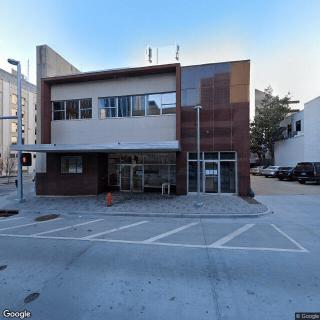
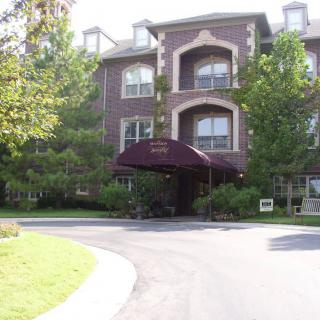
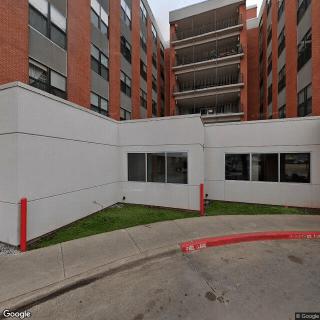
The Healthsouth Rehabilitation Center in Oklahoma City, OK is located in a vibrant area with various amenities and services nearby. This assisted living community is conveniently situated near numerous cafes, providing residents with options for socializing and enjoying a cup of coffee or a meal outside the facility. Additionally, there is a park nearby, offering an opportunity for individuals to engage in outdoor activities and enjoy nature.
For residents requiring medications or pharmaceutical services, there are 11 pharmacies within close proximity to the center. This ensures easy access to necessary medications and healthcare supplies. Furthermore, the presence of 14 physicians nearby guarantees that residents can find medical professionals within a short distance if needed.
The community benefits from its location near 34 restaurants, giving residents options for diverse dining experiences and opportunities to explore different cuisines. For those seeking spiritual fulfillment and worship services, there is a place of worship conveniently located nearby.
Residents who enjoy cultural events and entertainment can take advantage of the nearby theaters. They have easy access to various shows, performances, and movies without having to travel far from home. Moreover, the availability of six hospitals in the vicinity ensures that specialized medical care is readily accessible during emergencies or for any needed procedures.
Overall, the Healthsouth Rehabilitation Center in Oklahoma City provides its residents with a well-connected community surrounded by numerous amenities and services that aim to enhance their quality of life while receiving excellent care and support.
Healthsouth Rehabilitation Ctr is located at 700 NW 7th St, Oklahoma City, OK 73102 in Oklahoma County, Oklahoma
Supportive Employee Benefits That Help Caregivers Attain Better Work-Life Harmony

The article emphasizes the critical role of supportive employee benefits for caregivers, advocating for flexible scheduling, paid leave, and mental health services to ease their challenges while enhancing employee well-being and organizational loyalty. It also highlights the importance of strong leadership in promoting these initiatives to foster a sustainable workplace culture that values caregivers.
Top Cars for Senior Drivers and Essential Safety Innovations
Senior drivers prioritize comfort, safety, and ease of use in vehicles due to age-related challenges, seeking features like easy entry, clear visibility, and modern driver-assistance technologies. Recommended models include the Subaru Forester, Honda CR-V, and Toyota Camry, with emphasis on test-driving for personal comfort and evaluating crash-test ratings alongside insurance considerations.
A Closer Look at Private Pay Home Care
Private pay home care offers a flexible caregiving option for older adults and families who don't qualify for government programs, allowing them to directly fund in-home care services that range from daily assistance to specialized support. This model's customization potential enables aging in place while addressing financial considerations through strategic planning options, though clients must navigate marketplace challenges and ensure quality compliance.