Jenkins Care Community

Save

  • Interior

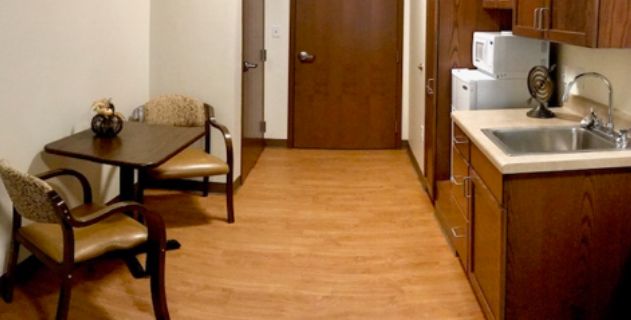
    A simple office interior with wooden flooring and a chair.
  • Decor

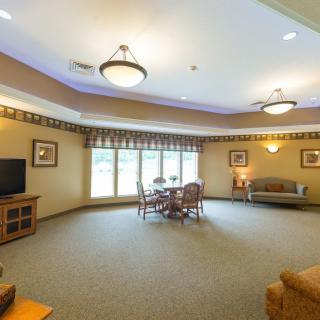
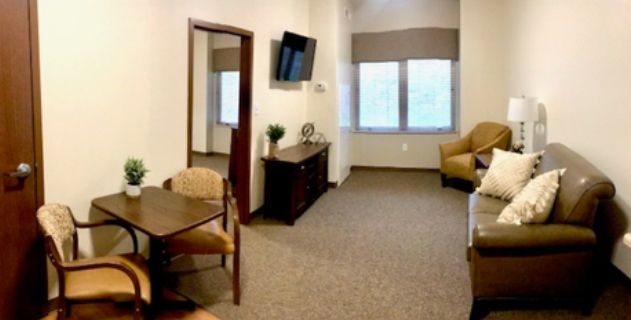
    A cozy room with a television, seating area, and large windows.
  • Windows

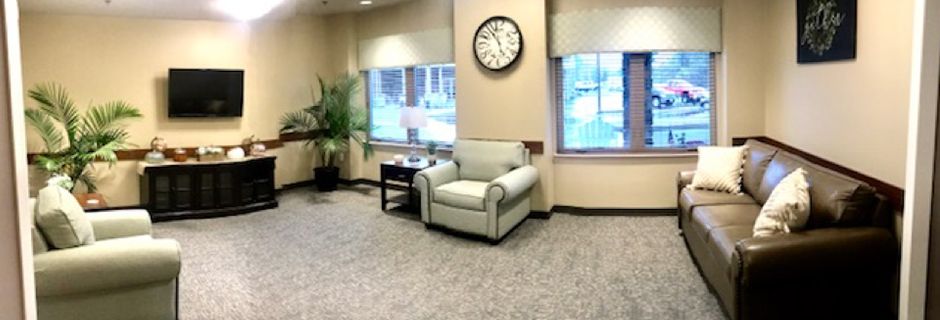
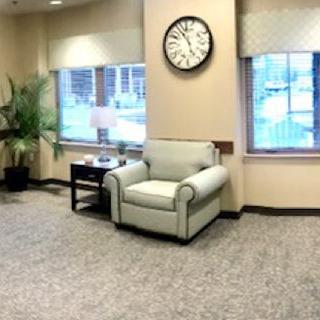
    A cozy waiting room with a comfortable chair and a large clock on the wall.
  • Dining

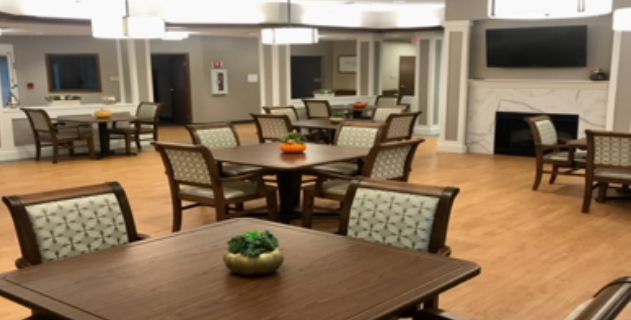
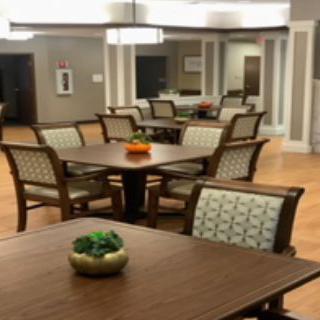
    A well-lit dining area with multiple tables and chairs, arranged elegantly.
  • Lobby

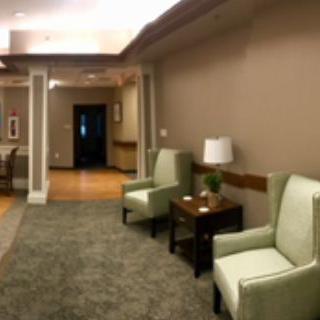
    A cozy lobby area with comfortable seating and soft lighting.
  • Reception Area

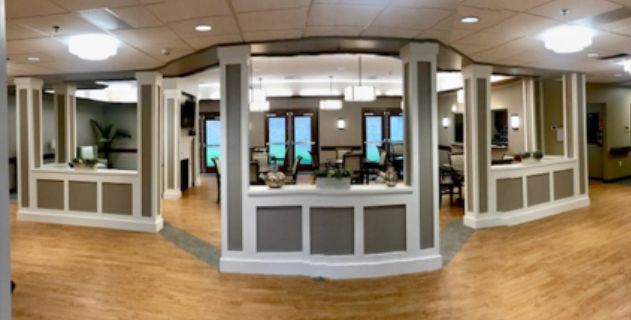
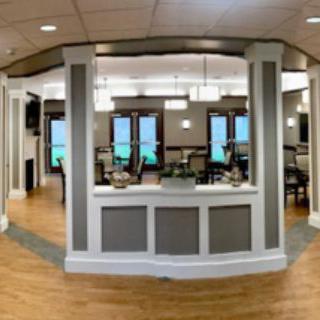
    A modern reception area with wood flooring and stylish lighting fixtures.

Jenkins Care Community

142 Jenkins Memorial Road, Wellston, OH 45692

For more information about senior living options: (844) 490-3973

4.3 from 3 reviews
5 stars
2
4 stars
0
3 stars
1
2 stars
0
1 stars
0

Assisted Living Memory Care Skilled Nursing Facility

What level of care are you interested in?

Assisted Living

Memory Care

Independent Living

Skilled Nursing Facility

Continuing Care Retirement Community (CCRC)CCRC

Other


Request a tour at Jenkins Care Community

    Overall Review of Jenkins Care Community

    Pros

    • pro The cleanliness and furnishing features, including the finch cage, are praised as beneficial for patients.
    • pro The finch cage is great for the patients.

    Cons

    • pro The nurse was rude and uncaring toward the aunt.
    • pro He became aggressive and had no reason for placing her in a wheelchair when she could walk.
    • pro The nurse's conduct was extremely unprofessional.
    • pro The director of nursing should reevaluate the nurse's performance.
    • pro Some staff members are not suited for caring for the elderly.
    • pro The policy of confining a walking patient to a wheelchair without ongoing walking therapy is criticized.

    Review

    Three stars were awarded for cleanliness and the furnishings, a category that also highlighted a finch cage noted as being particularly helpful for the patient. The reviewer emphasizes that the physical environment has some strong points: tidy spaces, well-kept furnishings, and little touches that seem to bring a sense of comfort to those living there. The finch cage, in particular, is singled out as a feature that appears to be a positive addition to the resident's daily life, suggesting that the facility has put thought into small ways to brighten the days of its occupants.

    Yet this favorable impression of the environment sits in tension with a troubling personal experience during a visit from Florida to see the aunt. The reviewer recounts a confrontation with a nurse described as rude and uncaring, who spoke to the visitor in a harsh and aggressive manner about the aunt. The incident centers on a question of mobility and independence: why the aunt, who can walk, is seated in a wheelchair. The exchange is portrayed as unprovoked and unnecessary, leaving the visitor feeling shocked by the nurse's demeanor and the lack of empathy shown toward a resident who could still be mobile.

    From the reviewer's perspective, this isn't a casual complaint but a well-informed critique grounded in professional experience. The writer notes having worked in many nursing homes and asserts a core standard: you should not confine a walking person to a wheelchair without ensuring there is an ongoing walking program or therapy. The concern is not only about current mobility but about the risk that long-term restraint can contract the legs and effectively diminish the resident's ability to walk in the future. The implication is that decisions about mobility aids should be made collaboratively with ongoing therapeutic goals, rather than as a rushed or punitive adherence to a posture of care that limits activity.

    In describing the nurse, the reviewer provides a physical depiction - bald, blue eyes, a big beard - paired with a verdict of "extremely unprofessional." This combination of appearance and attitude is presented as emblematic of a broader issue: a lapse in professional conduct that undermines trust and safety for both residents and visiting family members. The emphasis is not merely on a single negative encounter but on the overall impression it creates about the quality and tone of caregiving at the facility.

    The reviewer does not stop at labeling the incident; they call for accountability at a higher level. Specifically, they urge the director of nursing to re-evaluate the staff member's conduct and suitability for such a sensitive role. The critique makes a broader claim about staffing culture: some caregivers are genuinely suited to care for the defenseless and elderly, while others may not be. The appeal is for stronger supervision, training, and perhaps corrective action to prevent similar episodes from recurring, protecting both residents and their visiting families from unnecessary distress.

    Despite the harsh encounter, the piece circles back to the positive attributes of the facility's physical environment. Cleanliness and quality furnishings, along with the thoughtful inclusion of the finch cage, mitigate some of the negative impact of the staff interaction described. The reviewer acknowledges that a well-maintained, comforting environment can make a meaningful difference in a resident's daily experience, yet it cannot fully compensate for the interpersonal challenges that arise when care staff fail to communicate with kindness and respect.

    In closing, the report reads as a call for a more humane and consistent standard of care. The reviewer's hope is for greater sensitivity toward mobility decisions, better walking therapy planning, and a systemic commitment to compassionate treatment from every caregiver. Until such improvements are realized, the impression left is a mixed one: a facility that shines in its physical setup and resident amenities but struggles to ensure consistently respectful, professional, and person-centered care in every interaction.

    Features

    Housing

    • 34 resident community capacity 34 resident community capacity

    Types of Care

    • Assisted Living Assisted LivingAssisted living facilities provide crucial support and care for seniors who may need help with daily tasks such as medication management, bathing, and meal preparation. These communities offer a safe and comfortable environment where seniors can maintain their independence while receiving the assistance they need to thrive in their golden years.
    • Memory Care Memory CareMemory care is crucial for seniors as it provides specialized support and services for individuals with dementia or Alzheimer's disease. These programs offer a safe and secure environment where residents receive personalized care, cognitive stimulation, and help with daily activities. Memory care helps seniors maintain their independence, quality of life, and dignity while also providing peace of mind for their families.
    • Skilled Nursing Facility Skilled Nursing FacilitySkilled Nursing Facilities are crucial for seniors as they provide round-the-clock medical care, rehabilitation services, and assistance with daily activities. These facilities ensure that seniors receive the specialized care they need to maintain their health and well-being as they age.

    Amenities

    • Beauty salon Beauty salonBeauty salons are important for seniors because they provide a space for them to feel pampered, socialize, and maintain their personal grooming and hygiene. Regular visits to a beauty salon can help boost seniors' self-esteem and overall well-being.
    • Cable or satellite TV Cable or satellite TVCable or satellite TV is important for seniors because it provides entertainment, news, and companionship, helping to combat loneliness and boredom. It also offers a wide range of programming options tailored to different interests and preferences.
    • Dining room Dining roomDining rooms are important for seniors as they provide a space for socialization, connection, and nutritious meals. They offer opportunities for residents to bond over shared meals, foster a sense of community, and promote healthy eating habits. Dining rooms also ensure that seniors have access to well-balanced meals tailored to their dietary needs and preferences.
    • Fully furnished Fully furnishedFully furnished senior living communities are important for seniors because they provide convenience, comfort, and a hassle-free moving experience. Seniors can easily settle into their new living space without the stress of having to buy and move furniture. This allows them to focus on enjoying their new home and community.
    • Garden GardenGardens are important for seniors as they provide a peaceful and therapeutic environment for relaxation, physical activity, and socialization. Being in nature has been shown to reduce stress, improve mood, and promote overall well-being. Gardens also offer opportunities for seniors to engage in gardening activities, which can improve mobility, flexibility, and cognitive function. Additionally, gardens create a sense of community and connection with others who share a passion for plants and outdoor spaces.
    • Housekeeping services Housekeeping servicesHousekeeping services are important for seniors because they help maintain a clean and safe living environment, promote independence, and reduce the risk of accidents or illnesses. Additionally, having assistance with household chores can alleviate physical strain and allow seniors to focus on other aspects of their well-being.
    • Kitchenette KitchenetteKitchenettes are important for seniors living in senior living communities because they provide the convenience and independence of being able to prepare simple meals and snacks in the comfort of their own living space. This can help promote a sense of autonomy and well-being for seniors, allowing them to maintain some level of control over their dietary choices and daily routines.
    • Move-in coordination Move-in coordinationMove-in coordination is important for seniors because it helps ease the transition into their new living environment. It ensures that all logistics, such as packing, organizing movers, and setting up utilities are taken care of, allowing seniors to focus on settling in and adjusting to their new home. Having a smooth move-in process can alleviate stress and anxiety, making the transition smoother and more enjoyable for seniors.
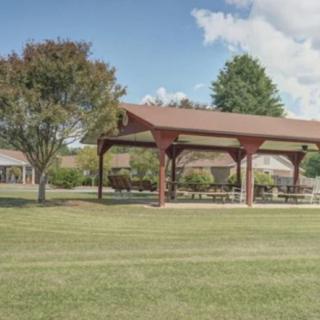
    • Outdoor space Outdoor spaceOutdoor spaces are important for seniors as they provide opportunities for physical activity, social interaction, exposure to natural light and fresh air, and a sense of connection to nature. Having access to outdoor spaces can improve overall well-being and quality of life for older adults living in senior communities.
    • Restaurant-style dining Restaurant-style diningRestaurant-style dining is important for seniors because it allows them to enjoy delicious, nutritious meals in a social and upscale setting. This enhances their dining experience, promotes healthy eating habits, and fosters socialization with fellow residents, ultimately contributing to their overall well-being and quality of life.
    • Small library Small librarySmall libraries are important for seniors as they provide access to a variety of reading materials, including books, newspapers, and magazines. This can help stimulate their minds, keep them engaged, and provide a sense of community through book clubs and other social activities. Additionally, reading has been shown to improve cognitive function and overall mental well-being in older adults.
    • Telephone TelephoneTelephones are important for seniors as they provide a lifeline for communication with loved ones, emergency services, and healthcare providers. They offer a sense of security and independence, enabling seniors to stay connected and access assistance when needed.
    • Wi-Fi/high-speed internet available Wi-Fi/high-speed internet availableWi-Fi/high-speed internet is important for seniors to stay connected with loved ones, access online resources, and participate in virtual activities to combat feelings of loneliness and isolation. It also allows them to easily manage healthcare needs, access entertainment, and engage in lifelong learning opportunities.

    Care Services

    • 24-hour call system 24-hour call system24-hour call systems are important for seniors because they provide peace of mind and immediate assistance in case of emergencies. This technology ensures that help is always available, promoting safety and security for elderly individuals living alone or in assisted living facilities.
    • 24-hour supervision 24-hour supervision24-hour supervision is important for seniors to ensure their safety, well-being, and access to immediate assistance in case of emergencies or health issues. This constant support provides peace of mind for both seniors and their loved ones, allowing them to age in place with dignity and security.
    • Activities of daily living assistance Activities of daily living assistanceActivities of daily living assistance are important for seniors because they provide essential support with tasks such as eating, bathing, dressing, and mobility. This assistance helps seniors maintain their independence, dignity, and overall quality of life as they age.
    • Assistance with bathing Assistance with bathingAssistance with bathing is crucial for seniors as it helps maintain personal hygiene, prevents infections, and ensures their overall well-being and comfort. It also provides a sense of dignity and independence for seniors who may struggle with this task on their own.
    • Assistance with dressing Assistance with dressingAssistance with dressing is important for seniors because it helps maintain their independence, promotes personal hygiene, prevents accidents and injuries, and improves overall quality of life. This service ensures that seniors can continue to dress comfortably and confidently, despite any physical limitations they may have.
    • Assistance with transfers Assistance with transfersAssistance with transfers is crucial for seniors as it helps prevent falls and injuries, maintains their independence, and ensures they can safely navigate their living environment. It also provides peace of mind for both seniors and their loved ones.
    • Diabetes diet Diabetes dietA diabetes diet is crucial for seniors as it helps manage blood sugar levels, reduce risks of complications, and improve overall health and well-being. By following a balanced and nutritious diet tailored to their specific needs, seniors can better control their diabetes and enhance their quality of life.
    • Meal preparation and service Meal preparation and serviceMeal preparation and service are crucial for seniors as they may have limited mobility or energy to cook nutritious meals. Having access to healthy and convenient food options can ensure they are getting the proper nutrition needed to maintain their overall health and well-being.
    • Medication management Medication managementMedication management is crucial for seniors to ensure they are taking the right medications at the correct dosages and times. This helps prevent adverse drug interactions, reduces the risk of medication errors, and promotes overall health and well-being. Proactive management also allows for adjustments as needed based on changing health conditions or new prescriptions.
    • Mental wellness program Mental wellness programMental wellness programs are essential for seniors as they promote cognitive stimulation, emotional support, and social engagement. These programs help prevent isolation, depression, and cognitive decline, ultimately enhancing the overall quality of life for older adults.
    • Mild cognitive impairment Mild cognitive impairment"Mild cognitive impairment" is important for seniors because it is an early stage of cognitive decline that can potentially progress to more severe conditions such as dementia. Recognizing and addressing mild cognitive impairment can help seniors receive appropriate care and support to maintain their quality of life and independence for as long as possible.
    • Special dietary restrictions Special dietary restrictionsSpecial dietary restrictions are important for seniors because age-related changes in metabolism and health conditions can make it difficult for their bodies to process certain foods. By following a diet tailored to their specific needs, seniors can maintain their overall health and well-being, manage chronic conditions, and reduce the risk of complications such as malnutrition or food interactions with medications.
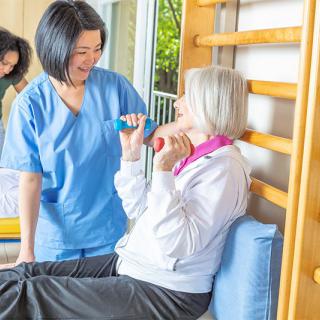
    • Specialized memory care programming Specialized memory care programmingSpecialized memory care programming is crucial for seniors with cognitive impairments such as dementia or Alzheimer's disease. These programs provide a safe and supportive environment tailored to the unique needs of individuals with memory loss, helping them maintain their independence, dignity, and quality of life.

    Dining

    • Diabetes diet Diabetes dietA diabetes diet is crucial for seniors as it helps manage blood sugar levels, reduce risks of complications, and improve overall health and well-being. By following a balanced and nutritious diet tailored to their specific needs, seniors can better control their diabetes and enhance their quality of life.
    • Special dietary restrictions Special dietary restrictionsSpecial dietary restrictions are important for seniors because age-related changes in metabolism and health conditions can make it difficult for their bodies to process certain foods. By following a diet tailored to their specific needs, seniors can maintain their overall health and well-being, manage chronic conditions, and reduce the risk of complications such as malnutrition or food interactions with medications.

    Activities

    • Community-sponsored activities Community-sponsored activitiesCommunity-sponsored activities are important for seniors as they provide opportunities for social interaction, mental stimulation, and physical activity. These activities can help improve overall well-being, combat loneliness and isolation, and promote a sense of belonging and purpose among older adults.
    • Resident-run activities Resident-run activitiesResident-run activities are important for seniors as they encourage social interaction, creativity, and a sense of autonomy. These activities empower seniors to stay engaged and active in their community while fostering meaningful connections with their peers.
    • Scheduled daily activities Scheduled daily activitiesScheduled daily activities are important for seniors because they provide structure, socialization, mental stimulation, and physical activity. Engaging in regular activities can improve overall well-being and quality of life for seniors living in a community setting.

    Description

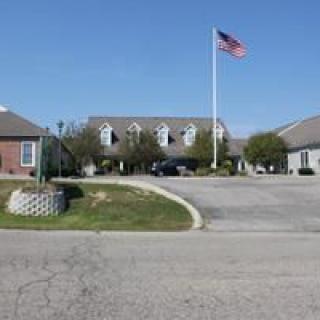
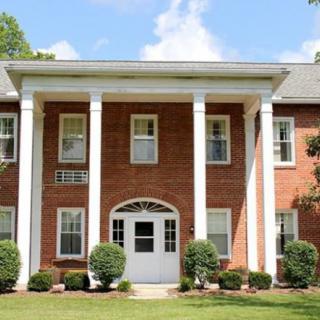
    Jenkins Care Community is an assisted living community located in Wellston, OH. We offer various levels of care including memory care and skilled nursing facility services. Our community provides a comfortable and safe environment for seniors, with amenities to ensure their needs are met.

    Residents can enjoy their own fully furnished accommodations that include cable or satellite TV, a kitchenette, telephone, and Wi-Fi/high-speed internet access. Our dining room offers restaurant-style meals prepared by our expert staff, with special dietary restrictions taken into consideration.

    At Jenkins Care Community, we prioritize the well-being and happiness of our residents. Our caring staff provides 24-hour supervision and assistance with daily living activities such as bathing, dressing, and transfers. We have a mental wellness program in place to support cognitive health and specialized memory care programming for those experiencing mild cognitive impairment.

    In addition to providing excellent care services, we also offer a range of activities for our residents to engage in. These include resident-run activities as well as scheduled daily activities organized by our dedicated staff. Our small library provides a quiet space for reading and relaxation.

    Conveniently located near pharmacies, physicians' offices, restaurants, transportation options, and places of worship, Jenkins Care Community ensures that residents have easy access to essential services and amenities.

    Whether you or your loved one requires memory care or skilled nursing facility services, Jenkins Care Community is committed to providing personalized care in a supportive and compassionate environment.

    Nearby Places of Interest

    Restaurants

    • Happenings Bistro (1.5 miles)
    • Giovanni's Italian Restaurant (2.1 miles)
    • Corner Pub (5.8 miles)
    • Wendy's (6.1 miles)
    • McDonald's (6.1 miles)
    • Katys (6.1 miles)
    • Johnny's Sports Lounge (6.1 miles)

    Places of Worship

    • Vision Baptist Christian School (1.8 miles)
    • Saints Peter and Paul Catholic Church (2 miles)
    • Hope United Methodist Church (2.2 miles)
    • Presbyterian Church (2.2 miles)
    • Freedom Chapel Church (2.3 miles)
    • The Pentecostal Holiness House of Prayer (2.6 miles)
    • Worship Time at Calvary Connection of Glenroy (3.4 miles)

    Pharmacies

    • Fruth Pharmacy (2.1 miles)
    • Barney's Drug Store (2.2 miles)
    • Holzer Family Pharmacy (5.2 miles)
    • Kroger Pharmacy (6 miles)
    • Walgreens (6.1 miles)
    • CVS Pharmacy (6.1 miles)
    • Lewis Drug Store (6.2 miles)

    Physicians

    • Wellston Family Practice (2.3 miles)
    • Vocworks (3.4 miles)
    • Adena Surgical (6 miles)
    • Adena Jackson Family Practice & Pediatrics (6 miles)
    • Adena Bone & Joint Center (6 miles)
    • Adena Cardiology (6 miles)
    • Diles Hearing Center (6.1 miles)

    Transportation

    • U-Haul International (4.4 miles)
    • Budget Truck Rental (5.9 miles)
    • Alamo (6.4 miles)
    • U-Haul Neighborhood Dealer (6.9 miles)
    • U-Haul Neighborhood Dealer (7.3 miles)
    • James A Rhodes Airport (I43) (7.6 miles)

    Parks

    • Lake Alma State Park (5 miles)
    • Manpower Park (6.1 miles)
    • McArthur Park (11.4 miles)
    • Jackson Lake State Reserve (13.4 miles)
    • State-Oh-Div-Parks Lake Jcksn (13.7 miles)

    Cafes

    • Corner Cafe (6.1 miles)
    • The Tea Caddy Of Jackson (6.4 miles)

    Hospitals

    • Tri-County Mental Health (6.2 miles)
    • Holzer Medical Center Jackson (7 miles)

    Frequently Asked Questions

    Where is Jenkins Care Community?
    Does Jenkins Care Community provide care for residents with dementia or Alzheimer's disease?
    What photos are available for Jenkins Care Community in Wellston, Ohio?

    Nearby Communities

    Related Resources

    • dementia behaviorsDementia Behaviors: In-Depth Understanding and Effective Coping Strategies

      Dementia causes cognitive decline and challenging behaviors that caregivers must manage, necessitating an understanding of the neurological basis of these issues. Effective strategies and self-care for caregivers can enhance support for those with dementia and improve their daily lives.

    • does my mom have dementia quiz5 Early Indicators of Dementia and What You Can Do

      The content outlines five key early indicators of dementia, including significant memory loss and confusion about time and place, while emphasizing the need for professional evaluation and emotional support for both individuals showing symptoms and their caregivers. It encourages family members to monitor these signs closely and use online quizzes for initial awareness.

    • when should someone with dementia go into a care home8 Important Indicators That Memory Care May Be Necessary
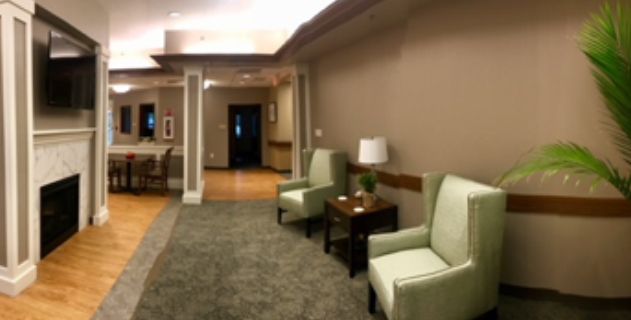
      The article highlights eight indicators that a loved one with dementia may require specialized memory care, emphasizing the emotional and logistical challenges families encounter in this decision. It discusses signs such as difficulties with daily tasks, safety concerns, and caregiver burnout, suggesting that memory care facilities can provide the necessary support and structured environments for those experiencing cognitive decline.


    Get Pricing Ask A Question Schedule A Tour Contact Senior Advisor