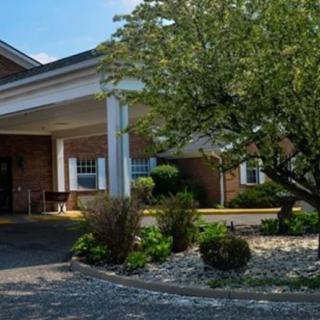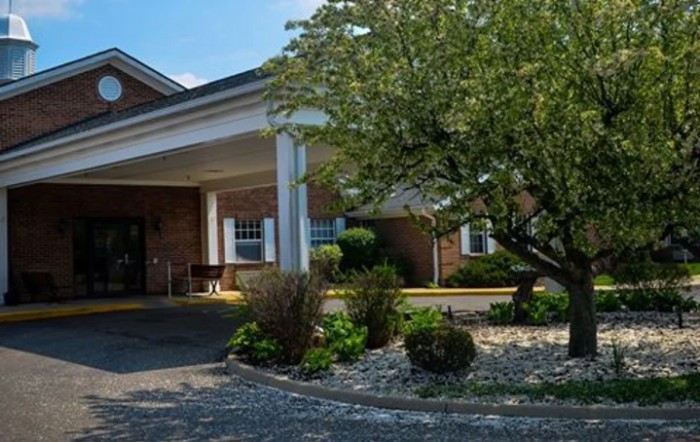
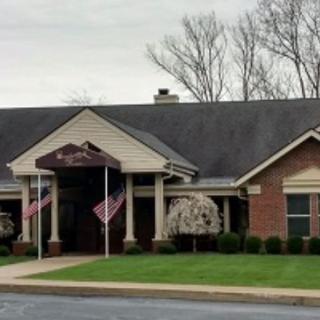
2000 Villa Road, Springfield, OH 45503
For more information about senior living options: (866) 208-4318
Overall Review of Eaglewood Care Center
Pros
 She moved into Northwood Skilled Nursing and Rehabilitation, and it seems a lot nicer.
- The nurses are nicer.
- She is already up on the parallel bars, showing improvement.
- Her leg is getting movement back.
- The atmosphere is quiet, calm, and inviting.
- The environment is welcoming, with people in wheelchairs saying hi.
- It seems really clean.
- She was thrilled to finally get a bath or shower.
- The staff make sure she gets whatever she needs.
Cons
 The arm recovery is still uncertain and described as iffy.
 - In previous facilities, she was never given a bath or shower, which was disappointing.
Review
This community is best suited for families seeking a calm, clean skilled-nursing environment with a strong emphasis on rehabilitation and daily dignity. The most convincing signal is the rehab progress described, leg movement returning and steady therapy gains, paired with attentive nursing contact. The setting feels quiet but not hollow, with residents greeted warmly in common spaces and a culture of courtesy that keeps the atmosphere from feeling institutional. The availability of a separate dining room and a bath-focused routine signals respect for privacy and dignity during recovery. For loved ones who want concrete rehab momentum, reliable staff responsiveness, and a serene, manageable environment, Eaglewood Care Center aligns well.
However, such a facility may not be the best fit for those chasing a bustling social life, specialized memory-care programming, or a campus with broad amenities. If the need is for high-acuity medical oversight, extensive activities, or dementia-specific features beyond rehab, alternatives with dedicated memory-care options or more aggressive activity planning deserve consideration. Families should compare options that offer richer social programming or more comprehensive physician coverage to ensure long-term satisfaction beyond initial stabilization.
From the positive notes, the core advantages are clear and substantial. Staff members come across as kind and quick to respond, creating a sense of security for families and residents alike. Rehab services appear practical and effective, yielding tangible improvements in mobility and the ability to complete essential self-care tasks such as bathing, an area where many facilities fall short. Cleanliness is repeatedly highlighted, and the calm atmosphere helps residents settle into recovery without the stress that often accompanies a new care setting. The separate dining room adds dignity and routine to the recovery process. Taken together, these factors strongly counterbalance the lack of detail about broader amenities or specialized programming in the account.
Rehabilitation appears to be the center of gravity here. The narrative centers on getting a patient up on parallel bars and monitoring real progress, signaling that the therapy team prioritizes functional improvement as much as safety. The ability to provide a bath or shower, an essential comfort during recovery, can significantly affect mood and cooperation with care plans. Predictable routines and high cleanliness standards reinforce a sense of safety, which matters deeply for families navigating a transition into skilled care. For decision-makers who prioritize practical milestones and a respectful, steady daily rhythm, these elements carry meaningful weight.
Environment and culture matter in equal measure. The portrayal of a quiet, inviting atmosphere paired with friendly interactions from caregivers and other residents suggests a community where people feel seen and attended to. The observation that staff take action when needs are voiced, ensuring requests are met promptly, reflects a culture of proactive, rather than reactive, care. Cleanliness and a warmly managed dining experience contribute to a sense of normalcy that reduces the emotional burden of transition. For families valuing dignity, routine, and a low-stress environment, this is a substantial advantage worth weighing against facilities that offer more bustling social life or specialized programming.
In sum, Eaglewood Care Center appears especially well-suited for post-acute recovery with rehab-driven goals in a tranquil, clean setting, supported by responsive nursing and a respectful daily rhythm. Those who require extensive social programming, dementia-specific services, or a more vibrant campus should consider alternatives and verify which facility offers the strongest fit for long-term quality of life. Prospective families should schedule in-person visits to assess staff familiarity, rehab scheduling, bath assistance, and dining arrangements, and to compare room options and cost. If the loved one thrives on steady progress, consistent staff engagement, and a calm environment, Eaglewood stands out as a prudent choice.
 95 resident community capacity
 Assisted Living
 Memory Care
 Skilled Nursing Facility
 Air-conditioning
 Beauty salon
 Cable or satellite TV
 Computer center
 Dining room
 Fitness room
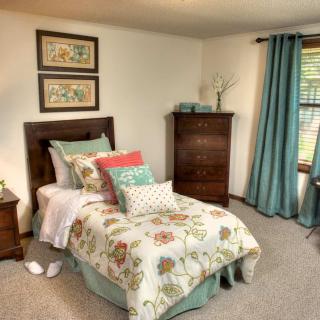
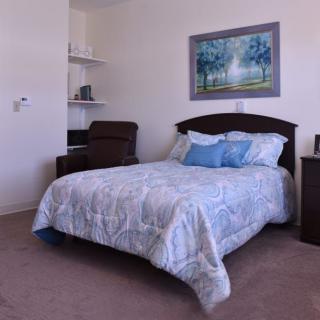
 Fully furnished
 Gaming room
 Garden
 Housekeeping services
 Kitchenette
 Move-in coordination
 Outdoor space
 Private bathrooms
 Restaurant-style dining
 Small library
 Telephone
 Wellness center
 Wi-Fi/high-speed internet available
 James M Cox Dayton International (24 miles away)
 Community operated transportation
 12-16 hour nursing
 24-hour call system
 Activities of daily living assistance
 Assistance with bathing
 Assistance with dressing
 Assistance with transfers
 Diabetes diet
 Medication management
 Mental wellness program
 Special dietary restrictions
 Concierge services
 Planned day trips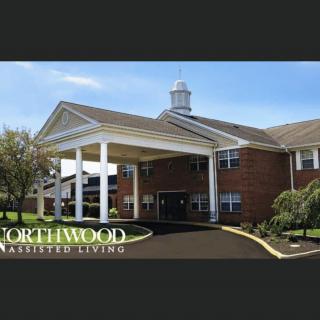



 A Detailed Exploration of Assisted Living Medicaid Waivers Across the United States
 Exploring the Contrasts Between Assisted Living and Skilled Nursing
 Vibrant Senior Living: A Comprehensive Guide for Active Older Adults