
106 Pearl Street, Pleasantville, OH 43148
To contact a resident: (740) 468-3404
For more information about senior living options: (866) 208-4318
McCafferty Adult Care Facility Costs & Pricing
McCafferty Adult Care Facility offers competitive pricing for its private rooms, with a monthly cost of $3,200. This rate aligns perfectly with the average costs observed in Perry County, Ohio, where similar facilities charge the same amount. However, it stands in stark contrast to the overall state average for private room care in Ohio, which reaches approximately $4,771 per month. This positioning suggests that McCafferty Adult Care Facility provides a more affordable option without compromising on quality of care, making it an attractive choice for families seeking adult care services within a budget-conscious framework.
| Floor plans | McCafferty Adult Care Facility | Perry County | Ohio |
|---|---|---|---|
| Private | $3,200 | $3,200 | $4,771 |
Senior living communities with a similar price nearby
-
from +$300 / mo
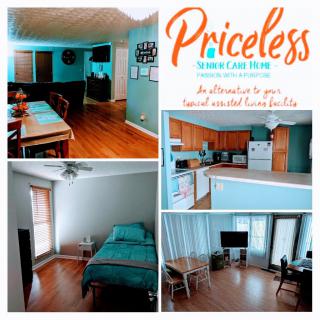
Priceless Senior Care Home
$3,500 to $4,200 / month17.5 miles away -
from +$126 / mo
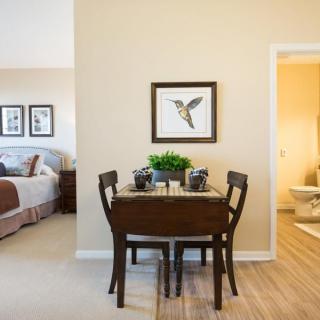
StoryPoint Pickerington
$3,326 to $4,436 / month13.9 miles away -
from -$500 / mo
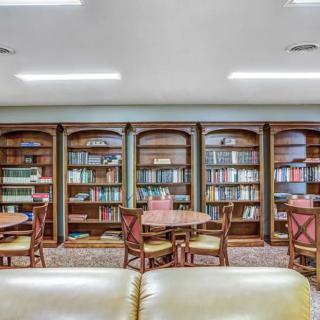
Reflections Retirement
$2,700 to $3,250 / month9.2 miles away -
from -$475 / mo
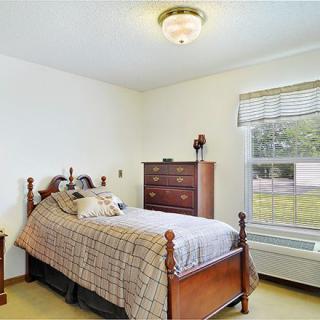
Hearth Brook
$2,725 to $2,950 / month19.8 miles away -
from -$303 / mo
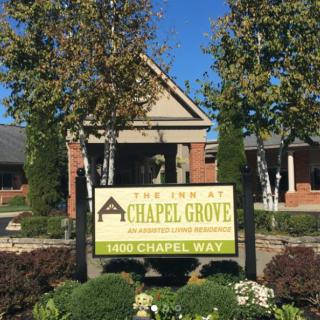
The Inn at Chapel Grove
$2,897 to $3,965 / month14.4 miles away
Overall Review of McCafferty Adult Care Facility
Pros
 The staff is nice and caring.
- The care from this community is highly regarded by families for excellent care and value.
- The menu is appealing and healthy.
- They are very accommodating and even helped move furniture.
- The facility is clean, well kept, and homey.
- The food is very good and home cooking.
Review
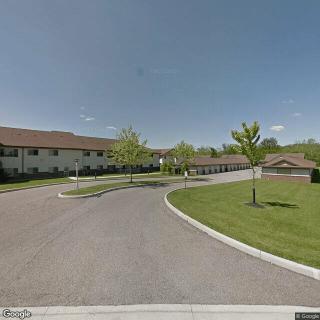
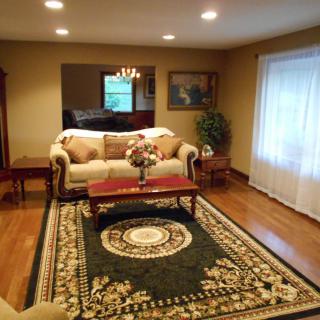
McCafferty Adult Care Facility in Pleasantville, Ohio, is best suited for seniors who want a small, homey setting where caregiving is the centerpiece and personal attention is the norm. This community fits families seeking a place that emphasizes social connection and stable daily routines over campus-scale amenities. The staff consistently comes across as warm and caring, and the meals are noted to be appealing and healthy, with a straightforward, home-cooking character. Residents are actively encouraged to participate in activities with other residents, which sustains a sense of belonging in a compact, neighborly environment. The blend of home-like ambiance, attentive caregivers, and a focus on nourishment makes it particularly appealing for those who value comfort, familiarity, and steady daily life.
That said, alternatives should be considered for seniors requiring higher levels of medical oversight, specialized memory care, or a wider range of on-site amenities. If 24/7 nursing coverage, rehabilitative services, extensive therapy options, or a broader menu and more diverse programming are priorities, a larger facility with more resources may serve better. Families with elders who need more structured clinical support, frequent monitoring, or secure dementia care should compare other communities that offer dedicated memory care units and more expansive staffing. In short, this setting excels for everyday care and companionship, while more intensive medical or cognitive care needs may point toward other options.
On the upside, the core strengths are hard to miss. A solid staff-to-resident ratio supports quick responses, ongoing supervision, and genuine relationships. The setting feels clean and well kept, with a home-like ambiance that reduces hospital-like stress. Food quality is repeatedly highlighted as a real strength, featuring home-cooked dishes that satisfy both palate and nutrition. The willingness of caregivers to go beyond the minimum, such as helping with transitions and even moving a residentā€™s furniture, speaks to a level of reliability and flexibility families value. In short, residents receive attentive care in a setting that feels intimate rather than institutional.
One can infer potential drawbacks from the same strengths. The small size means fewer amenities, fewer on-site programs, and potentially less variety in activities than larger campuses. While the staff-to-resident ratio is excellent, the scale can constrain access to specialized therapies or larger social events that some families expect. There may also be fewer nursing resources on nights and weekends due to the compact operations; nevertheless, the overall responsiveness remains strong, partially offsetting this concern.
These advantages offset the drawbacks in practical ways. The intimate setting creates accountability: caregivers know residents well, notice changes quickly, and respond promptly. The consistently strong meals support daily health and mood, while the cost structure keeps financial pressure low without sacrificing care. The housekeeping and maintenance standards reinforce safety and comfort, and the willingness to assist with moving belongings demonstrates problem-solving and resident-centered service. The combination of care quality, affordability, and home-like charm makes the trade-offs of a smaller community reasonable for many families.
Bottom line: for families prioritizing personalized attention, social engagement, and budget-friendly care in a compact, well-maintained setting, McCafferty stands out. Prospective residents should schedule a thorough visit to observe staff interactions, inquire about meal options, and review how care plans are developed and adapted. Ask about night staffing, contingencies for higher-acuity situations, and the availability of memory care or rehabilitation services nearby. If the elder requires intensive medical oversight or a broader activity calendar, alternatives with more extensive clinical resources should be compared. When the goal is dependable, homey care with strong family-like support, McCafferty delivers a practical, sound choice.
 Board and Care Home
 Activities on-site
 Beautician on-site
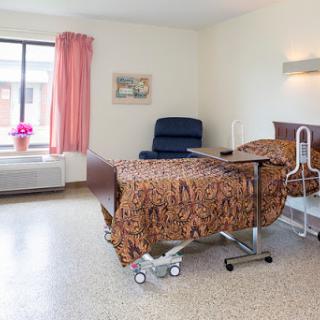
 Private
 Wheelchair accessible showers
 John Glenn Columbus International Airport (24 miles away)
 Ambulatory care
 Diabetic care
 High acuity care
 Incontinence care
 Medication management
 Meals provided

 Urinary Tract Infections in Older Adults: Comprehensive Insights on Symptoms, Treatment, and Prevention
 California's Form 602A: An In-Depth Examination of Senior Care Assessment
 Comprehensive Look at Senior Blood Pressure Charts: Normal and Elevated Levels by Age