
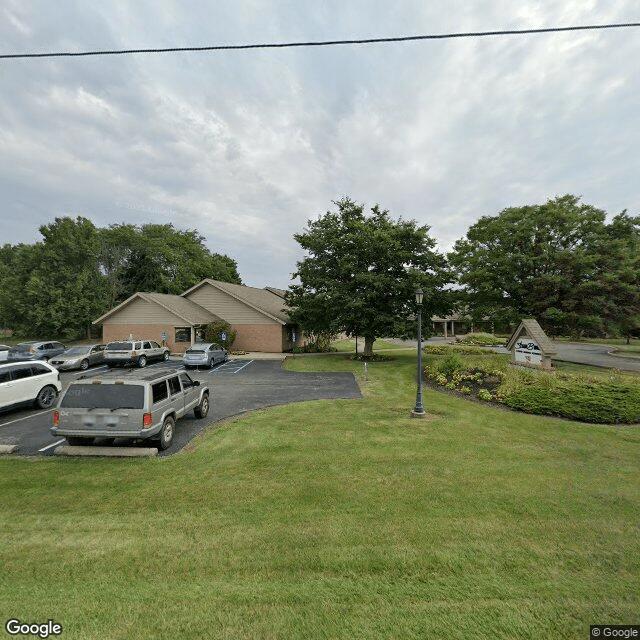
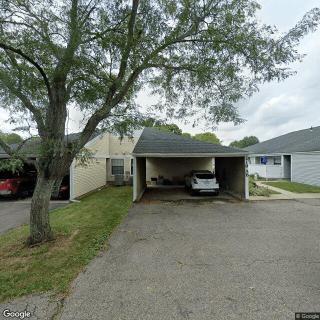
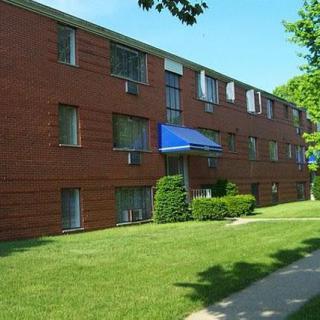
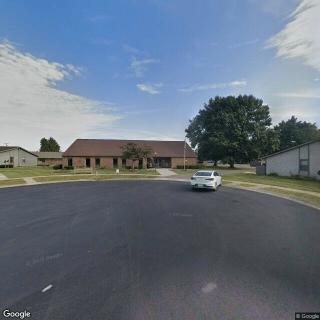
920 Sharon Valley Rd, Newark, OH 43055
To contact a resident: (740) 366-7333
For more information about senior living options: (866) 208-4318
SharonBrooke Assisted Living Costs & Pricing
SharonBrooke Assisted Living offers competitive pricing for its residents, with costs significantly lower than both county and state averages. For a studio room, residents pay $2,100 per month, which is notably less than the typical Licking County rate of $3,013 and the state average of $3,727. Similarly, the one-bedroom option at SharonBrooke is priced at $3,200, providing an attractive alternative to the county's average of $3,361 and Ohio's overall average of $3,712. These pricing structures not only reflect SharonBrooke's commitment to affordability but also highlight its value in delivering quality care within a vibrant community setting.
| Floor plans | SharonBrooke Assisted Living | Licking County | Ohio |
|---|---|---|---|
| Studio | $2,100 | $3,013 | $3,727 |
| 1 Bedroom | $3,200 | $3,361 | $3,712 |
Memory care communities with a similar price nearby
-
from +$300 / mo
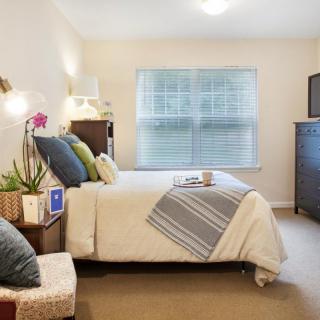
Sunrise of Gahanna
$2,400 to $6,480 / month22.6 miles away -
About the same
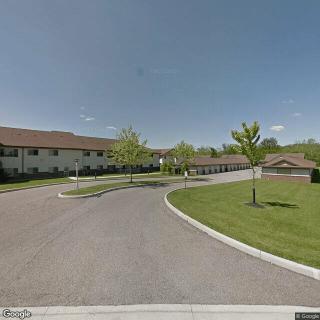
Primrose Retirement Community Of Lancaster
$2,095 to $2,895 / month24.4 miles away
Overall Review of SharonBrooke Assisted Living
Pros
 The facility has a great atmosphere and provides excellent care.
- The staff are amazing, friendly, and truly care for the residents.
- The facility is clean, classy, and welcoming with ample activities to keep residents engaged.
- Smiles are everywhere and residents look happy.
- The directors and staff are dedicated to creating a safe and happy environment.
- The staff treat residents like family and the setting feels homelike.
- The place is cozy, soothing, and inviting with pleasant surroundings.
- The food is excellent and service is top-notch.
- It is a place reviewers would highly recommend for their loved ones.
Cons
 The facility talked a good game, but the nursing staff did not deliver the hygiene and medication help they were paid for.
- Residents were left sitting in soiled pants because they were locked in memory care during the day with no access to a bathroom.
- They placed him there because he was physically active, which the staff found bothersome and labeled him "too active."
- They promised engagement but were confrontational, and staff were not trained on redirecting residents.
- They left him in a closed room that felt like 100 degrees, and he was lying on his back with a bright red face, nearly heat-stroke.
- The nurses blamed the resident for the heat, saying it was not their fault because he closed the door, despite his dementia.
- There were delays in testing for a UTI; it took almost six days to test, and the head nurse claimed they usually do not treat that level of infection.
- They attempted to sedate him to slow him down; he resisted taking his medication and they hauled him off to a psych ward, where he still had a UTI.
- The staff's approach was to sedate him instead of healing him, and the family felt they were being drugged.
- A resident was missing for seven hours before staff noticed, and they called only after an art teacher alerted them, failing to take action.
Review
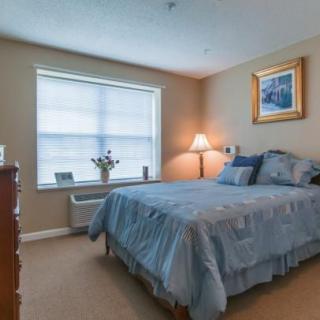
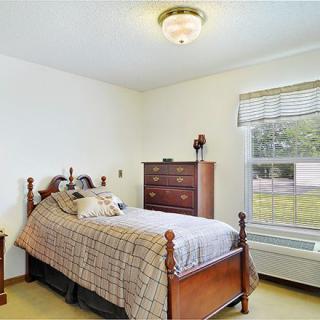
SharonBrooke Assisted Living in Newark, Ohio is best suited for families seeking a bright, home-like living experience where residents are treated with warmth and regular engagement. This community shines for seniors who primarily need help with daily hygiene and medication management but still want a lively, socially rich environment. The atmosphere is upbeat, with clean facilities, tasteful dining, and an activities calendar that keeps residents moving and connected. For those who prize a compassionate, family‑style culture, where staff strive to greet residents with smiles and remember personal preferences, this is a compelling fit. In short, it serves people who want caregiving that feels personal, consistent, and focused on daily quality of life.
However, attention should turn to those with significant memory-care complexities or demanding medical oversight. When a loved one requires close supervision, rapid response to symptoms, and highly specialized dementia care, SharonBrooke's strengths as a social, resident-first home must be weighed against serious safety and responsiveness questions raised by some families. For individuals whose behavior is volatile, or who require urgent medical decisions, alternatives with stronger clinical staffing, clearer protocols, and proven safety track records may be a preferable match.
On the positive side, the core strengths lie in the human touch: an attentive, energetic staff, consistent cleanliness, and a genuine culture of care. Residents often appear engaged, well-groomed, and supported by people who take time to know their preferences. The dining experience is frequently described as appealing, and the activity line-up, ranging from live music to art and physical fitness, keeps residents moving and connected. The best testimonials highlight staff members who treat residents like family and directors who invest real effort into making the community feel safe and welcoming. Those are substantive advantages when the goal is daily happiness, predictable routines, and a sense of belonging.
Yet the liabilities cited by some families are not minor. Reports of memory-care residents being locked in a room, left too long without access to bathrooms, and heated spaces causing distress reveal critical gaps in daily oversight. Delays in essential healthcare actions, such as UTIs going untreated for several days, plus the option to sedate a resident rather than adjust care plans, point to a troubling mismatch between intended care and actual practice. A troubling incident where a power-of-attorney oversight allowed a resident to remain missing for hours underscores potential safety vulnerabilities. While these experiences are not universal, they are real enough to demand hard scrutiny from any family weighing SharonBrooke against other options.
Those evaluating the community should weigh the strengths against the risks with a clear eye on what matters most for their loved one. If the priority is a vibrant, comforting daily life with measurable social engagement and a staff that feels like an extended family, SharonBrooke delivers in spades. The presence of genuinely caring staff, thoughtful programming, cleanliness, and homelike ambiance can translate into meaningful quality of life. However, if medical complexity, aggressive dementia behaviors, or strict safety guarantees are non-negotiable, compromises may be too steep. Prospective residents should demand precise, written care plans, ask for dementia-specific training details, review incident handling protocols, and verify current staffing levels and response times before making a decision.
Bottom line: SharonBrooke Assisted Living is a strong candidate for families prioritizing warmth, community, and active living in a well-kept environment. It earns its high praise when the emphasis is on daily happiness and personal attention. But attention to serious safety and medical oversight gaps is essential. In the right match, where loved ones are largely independent with assistance and value social vitality, this community can be a lifeline. For others, particularly those needing robust clinical management and ironclad safeguarding, exploring alternatives with stronger, verifiable safeguards is prudent. A visit, a candid conversation with leadership, and a review of care plans will reveal whether the fit is right.
 Assisted Living
 Independent Living
 Memory Care
 Activities on-site
 Devotional services off-site
 Indoor common areas
 John Glenn Columbus International Airport (24 miles away)
 Ambulatory care
 Diabetic care
 Meals provided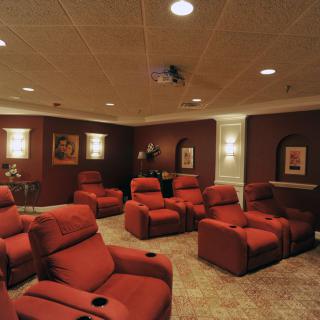


 A Detailed Exploration of Assisted Living Medicaid Waivers Across the United States
 Exploring the Contrasts Between Assisted Living and Skilled Nursing
 Vibrant Senior Living: A Comprehensive Guide for Active Older Adults