
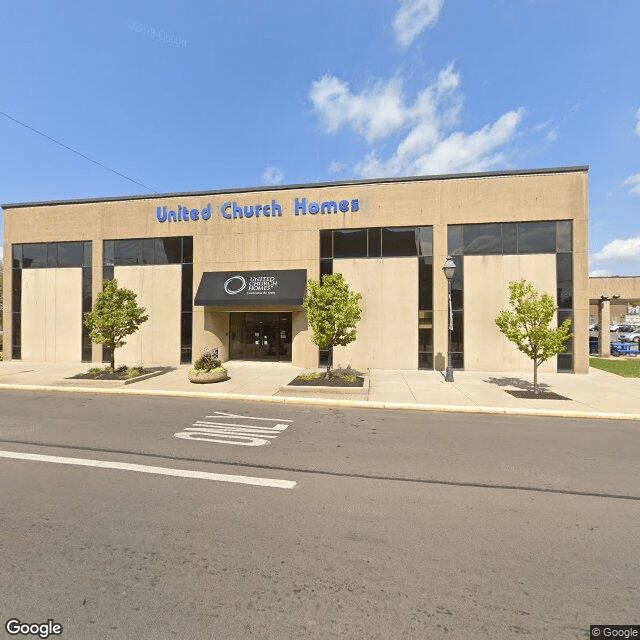
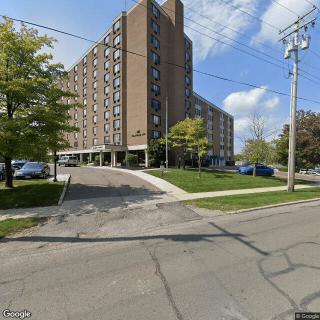
170 E Center St, Marion, OH 43302
To contact a resident: (740) 382-4885
For more information about senior living options: (866) 208-4318
Overall Review of United Church Homes
Pros
 They welcome all as family.
- They advocate for the elderly.
- They continuously succeed at creating a culture of community, wholeness, and peace.
- They are thoroughly dedicated to helping others, with determination, vigor, and grace.
- They provide a secure, wholehearted place for aging loved ones, putting their interests above all and keeping their minds at ease.
- They are committed to supporting LGBTQQIA+ lifestyles in their communities.
Cons
 They say there needs to be another maintenance person because Chad works at the California Road site and many issues go unfixed.
 - They claim there are not enough maintenance staff—like at Archer's Point—and would like three to five more workers.
- They note the light by the flagpole isn’t fixed, and the building’s light keeps going on and off at night.
- They believe Chance isn’t doing his job properly and needs help or earlier/later hours.
- They feel unsafe because a resident has terrorized the community for years, with many complaints and no action to remove him.
- They say management is curtailing the manager rather than addressing security concerns.
- They report mold causing illness and say nothing was done despite repeated complaints and code enforcement visits.
- They accuse staff of being unprofessional and disrespectful and of withholding their deposit and ignoring HUD inquiries.
- They state they never receive callbacks after leaving messages.
Review
This community is best suited for seniors who prize a faith-based, values-driven environment and a sense of belonging that extends beyond brick and mortar. It may resonate most with residents who value advocacy for the elderly and a supportive, inclusive culture, where staff and residents alike express a commitment to community and continuity of care. The strongest draw is the perception of a heartfelt, mission-oriented operation that aims to treat residents like family and to create a cohesive social fabric. However, this is not a setting that can compensate for serious maintenance gaps or environmental hazards with warm words alone. For families prioritizing predictable repairs, a consistently safe living environment, and transparent management, this community will feel like a mixed bag at best.
There are clear signals that some families will want to consider alternatives. When reliability and responsiveness are non-negotiable, especially for residents with mobility limitations, chronic conditions, or asthma and allergies, the downsides become hard to overlook. Several accounts describe ongoing maintenance delays, with complaints about unrepaired fixtures and inconsistent on-site staffing. Environmental concerns compound the risk profile: mold exposure is cited as a serious, long-running issue that affected health and required medical attention. In addition, there are persistent complaints about unresponsive management and disputed deposits. Taken together, these factors suggest that this community may not be the right fit for residents who need rapid problem resolution, strong safety oversight, or rigorous environmental controls.
On the upside, the community appears to offer a genuine sense of purpose and a culture that emphasizes elder advocacy and social connection. Independent observers have highlighted a workforce that shows real dedication to residents, and the organizational identity conveys warmth, welcome, and a belief in treating residents with dignity. For residents who value belonging, spiritual or moral alignment, and opportunities to engage with others in a supportive network, these strengths can provide meaningful daily life enrichment. The challenge is ensuring that such strengths survive when basic maintenance, environmental safety, and clear communication channels are strained by staffing gaps or procedural bottlenecks. In other words, the positives matter, but they must be supported by solid operations.
The main drawbacks, notably maintenance lag times, environmental health concerns, and uneven administrative responsiveness, tunch the scales toward caution. A property can feel livable and welcoming, yet deteriorating fixtures, recurring mold, or delayed repairs can undermine safety, comfort, and long-term health. The sense that concerns are not addressed promptly or adequately can erode trust in the system and push families to seek alternative arrangements. The combination of a strong community ethos with weak or inconsistent operational execution creates a mixed experience: meaningful social opportunities and spiritual alignment are real, but the day-to-day quality of living is vulnerable to preventable problems that should have clear, efficient remediation pathways.
In practical terms, families evaluating this community should insist on concrete assurances before moving in. Ask for a formal, written maintenance SLA that outlines response times for essential fixes, a transparent process for reporting and tracking issues, and evidence of on-site staff capacity to handle repairs promptly. Require a current, independent environmental assessment to confirm mold remediation history and ongoing protections. Probe management’s complaint-handling history, escalation protocols, and a commitment to tenant rights and deposits, including clear timelines for deposit returns. If these safeguards cannot be reliably documented, the risk tolerance may be too high for a resident with chronic health concerns or for a family seeking stability and predictable care.
Bottom line: United Church Homes in Marion serves well those who want a community-centric, faith-aligned environment and are willing to overlook or actively manage operational shortcomings. It is not the first choice for residents who require consistently dependable maintenance, rigorous environmental safeguards, and transparent, responsive management. Alternatives that demonstrate robust on-site maintenance, verifiable mold controls, and proven, timely communication will typically offer greater peace of mind and fewer health and safety surprises. For families prioritizing social connection and a values-driven atmosphere, this community remains a compelling option, provided that the decision is paired with explicit guarantees and a clear plan to address the most pressing operational risks.

 Caring for Those Who Care: Recognizing, Understanding, and Overcoming Caregiver Burnout
 Caregiver Exhaustion: Recognizing the Signs and Restoring Your Well-Being
 Understanding Hospice Care at Home: Comprehensive Services, Key Benefits, and Eligibility